 thesilkroadtoday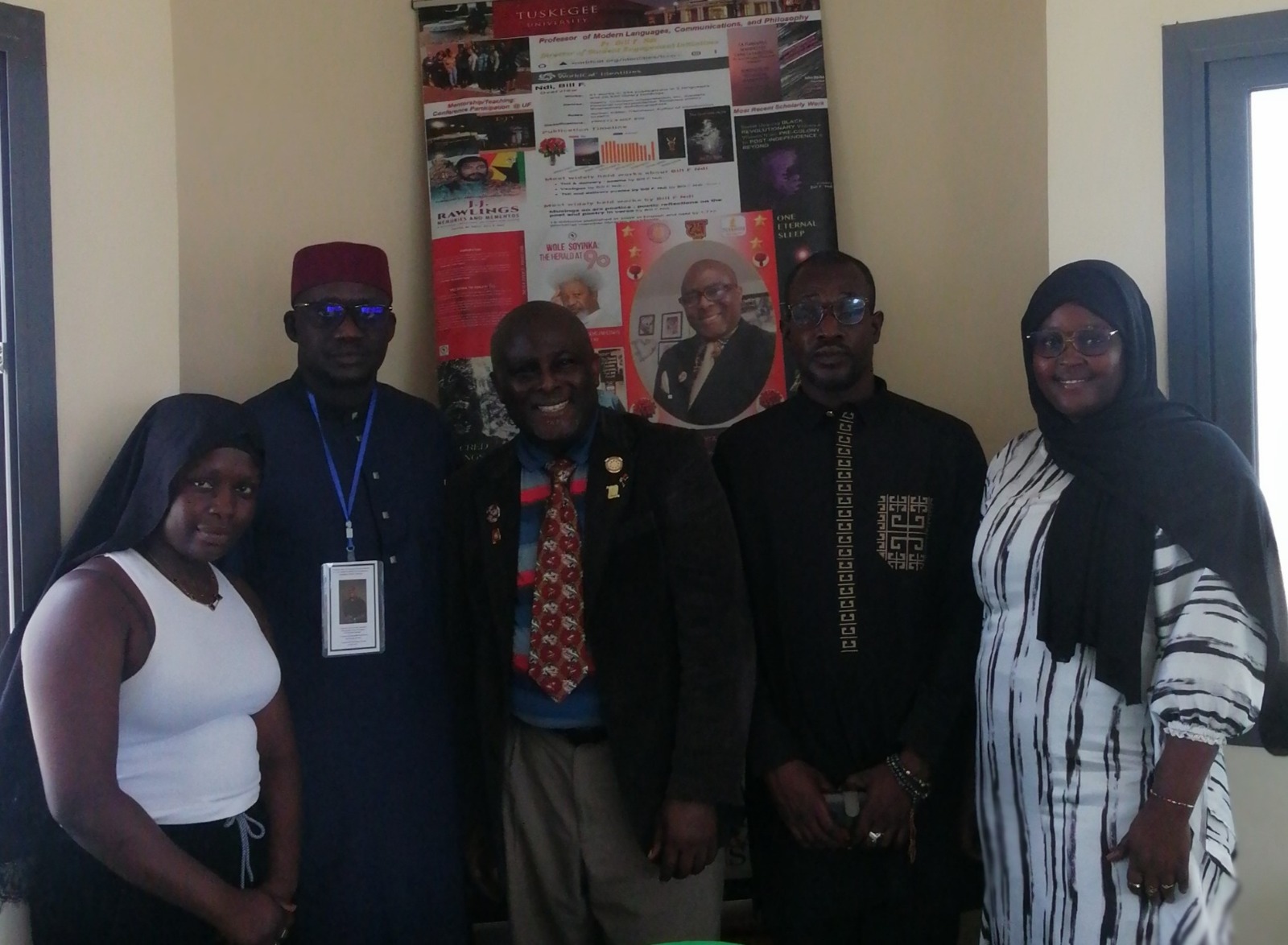
One Continent, Many Voices: PAWA President, Professor Bill F. Ndi’s Historic West African Tour Charts a Promising New Chapter for Strengthening Continental and Literary Unity
By
Maimo Mary Mah, (Special Correspondent and Communication Specialist, MA Digital Media and Global Communication)


The President of Pan African Writers Association (PAWA), Professor Bill F. Ndi has successfully concluded a three-month-long diplomatic, educational, and literary mission across West Africa, reaffirming the Association’s commitment to strengthening cooperation among African and African Diasporic writers, preserving indigenous literary traditions, and expanding cultural partnerships throughout the continent and its diaspora.
The strategic tour, which included official visits to Guinea, Senegal, and The Gambia, brought together writers’ unions, publishers, academics, government officials, students, and cultural organizations in a series of forums aimed at advancing African literature as a vehicle for education, cultural diplomacy, memory preservation, and sustainable development.
African literary masterpieces have remained trapped behind linguistic borders, isolated publishing markets and limited distribution networks, revealing that Africa’s stories are challenged by lack of circulation and never a lack of brilliance. Yet, across three months, through three countries, and hundreds of conversations, Professor Bill F. Ndi’s literary mission sought to challenge that reality—the call for meaningful partnerships, policy dialogue, and a renewed belief that African writers must become the primary custodians of Africa’s past, present, and future.

Beyond borders: PAWA’s West African Tour Rekindles a Continental Literary Renaissance
When Professor Bill F. Ndi, President of the Pan African Writers Association (PAWA), embarked on a three-month diplomatic, educational, and literary mission across Guinea, Senegal, and The Gambia, the focus was a strategic effort to strengthen the foundations of African literature by connecting writers, governments, universities, publishers, and cultural institutions around a common vision: an Africa that tells its own stories in its own voices, across its own languages, and for future generations.
This mission reaffirmed PAWA’s commitment to preserving indigenous literary traditions, expanding opportunities for emerging writers, strengthening collaboration among African and Diasporic authors, and positioning literature as an indispensable instrument of education, cultural diplomacy, peacebuilding, and sustainable development.
Guinea: Celebrating Africa’s Literary Heritage; Memory Meets the Future
The tour commenced in Conakry on April 23, with PAWA Secretary General, Dr. Wale Okediran awarding His Excellency President Mamady Doumboya with the PAWA Patron of the Arts Medal. The next few days were marked by both the PAWA President, Pr. Bill F. Ndi and Secretary General, Dr. Wale Okediran meeting with leading Guinean writers and the Minister of Culture and officials from the Ministry of Culture celebrating 72 hours of the Book Festival.
Discussions focused on revitalizing literary production in indigenous African languages, increasing opportunities for young writers, and strengthening collaboration among the various linguistic literary communities within Africa and her diaspora.
One of the mission’s landmark moments was the launch of John Pombe Magufuli: Mwamba wa Afrika, a collaborative write-up honoring the late Tanzanian President John Pombe Magufuli. The book was well-received for its pan African perspective with 57 write-ups and with contributions from 27 African countries and its diaspora.
The were many book launches about which much could be written. What readily comes to mind is especially the launch of The Tales of M’boh, by the 12-year-old Guinean 5th grader cum writer, Mariame M’boh. Her short story collection created a great sensation as younger children, those her age and slightly older than her, were called to partake in a reading competition of the tales.

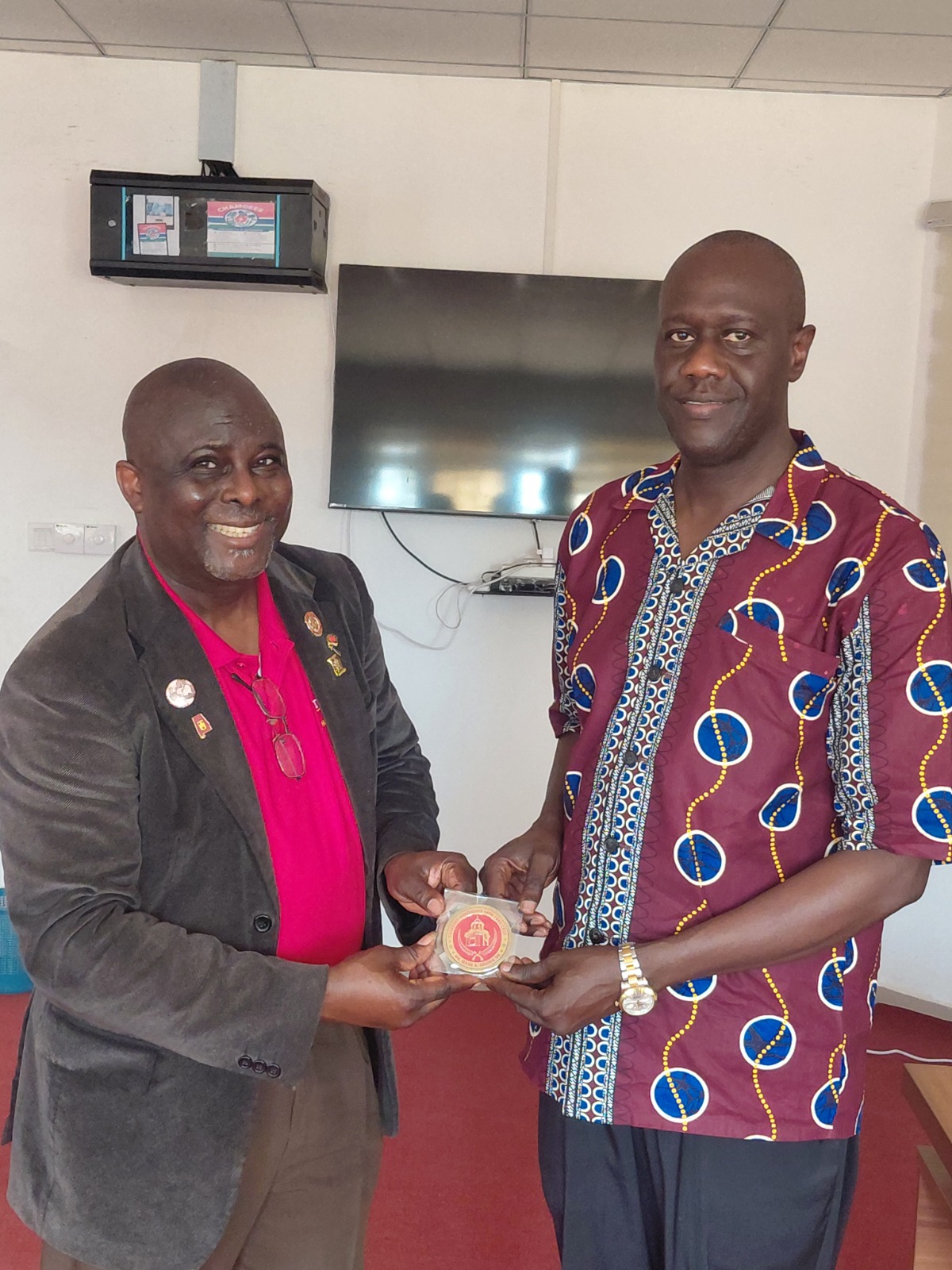

“My meeting with Mariame M’boh, whose courteous, respectful, and meek disposition as well as generosity generated warmth that could only come from the prodigious writer that she is, was a moment of unforgettable elation of mythical and epic proportion.” Professor Ndi said. She graciously orthographed a copy for the Pan African Writers Association’s President and in her own words, “for the deep respect I hold for the President’s stance, encouraging younger writers like me.”
The reading competition was punctuated with cultural activities such as traditional dances and especially from the dance troupe from the city of Forécariah, Honorary guest city for the 72 Hours of the Book Festival 2026. “This was a wonderful blend of cultural and literary jamboree” President Bill F. Ndi noted.
President Bill F. Ndi was also accorded the rare privilege to talk to a group of high-achieving pre-teens and teenagers in a recently started initiative by Guinea’s President Mamady Doumboya. The goal set forth by Guinea’s President is to train responsible and accountable leaders, i.e. the next generation of the country’s leaders. The said students selected based on their academic performance and given the opportunity to excel in whatever field they choose to study.
Here, PAWA President exhorted them to the need of documenting memory and gave them tips on how to go about telling their own stories and in their own terms. “Write anything, anytime but not anyhow” President Ndi told them. He then secured a public pledge from publishers and book editors who promised to help the young future leaders in their writing and publishing venture.
Addressing a symposium on African intellectual traditions, President Bill F. Ndi reminded participants that,
“Literature is one of Africa’s most powerful instruments for preserving historical, social, cultural, ontological, and epistemological memory while shaping the continent’s future.”
These conversations also explored the future of African publishing in an increasingly digital world. While recognizing the growing importance of digital books, Professor Ndi emphasized that, “technological innovation should reinforce and not replace the enduring functions of books as vehicles for knowledge transmission, cultural continuity, critical thought, memory preservation, and scholarly reference.”
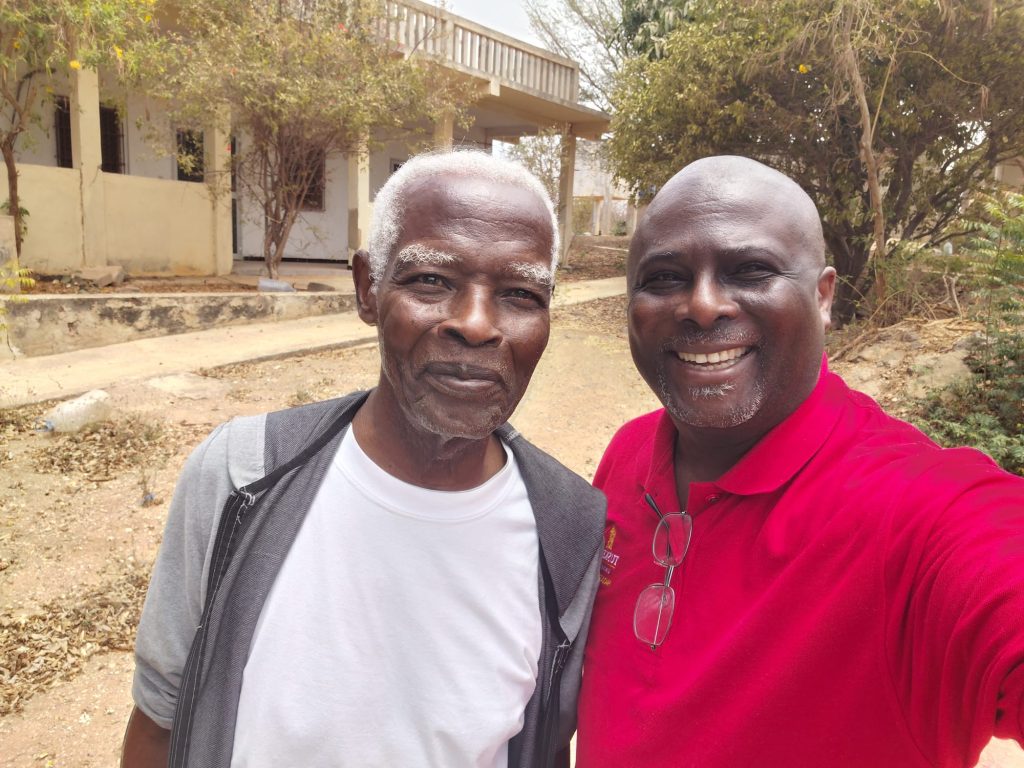
Thus, he implored participants to explore mechanisms for expanding translation projects that would allow African literary works to circulate more freely across linguistic boundaries. Furthermore, discussions centered on the evolution of book in paper form to digital format and the importance of inter-African distribution.
Talking of intersectional ties between paper format and digital format books, Professor Bill F. Ndi assured fellow writers that the advent of digital books retains the key functions of the book, viz. Culture and knowledge transmission, tools for narratology and thought, as well as those for memory preservation and references.
Senegal: Festivals, Partnerships and Continental Dialogue, Building Bridges
From Conakry, the mission continued to Dakar and Popenguine-Ndayane, where literature intersected with diplomacy, creativity, and continental dialogue.
The PAWA President participated in meetings with prominent poets, artists, publishers, university scholars, politicians, and organizers of international literary festivals, exploring how literature can contribute to peacebuilding, youth empowerment, environmental awareness, and African integration.

A defining highlight was the President’s participation in the 13th Edition of FESTIPO (Festival International de Poésie, de Slam, de Conte et d’Arts Plastiques), where he praised Senegal’s enduring contribution to African letters while calling for deeper cooperation among writers’ organizations throughout the continent.

During the festival, the President encouraged emerging writers to embrace digital publishing while remaining rooted in African cultural and linguistic traditions. His message to emerging writers resonated across the festival: “Technology should amplify African voices—not replace African identities,”
The visit also produced concrete proposals between PAWA and Senegalese cultural institutions, including writer exchange programs, literary residencies, joint publications, multilingual translation initiatives, and continental youth writing competitions.
In recognition of his contributions to African literature and cultural cooperation, Professor Ndi was awarded The Baobab Publishing House’s highest distinction, The Sign of the Eagle. He is the second writer to receive this prestigious honor.
Another memorable moment came during a meeting with renowned Ghanaian novelist, Professor Ayi Kwei Armah, famed author of The Beautyful Ones Are Not Yet Born. They reflected on Africa’s literary journey, the responsibility of writers, and the enduring hope that the “beautyful ones” envisioned decades ago, in his eponymous book of the title The Beautyful Ones are not Yet Born, will one day emerge to help build a freer and more just Africa.

The Gambia: Building the Next Generation
The final stage of the mission took the President Bill F. Ndi to the Capital of the Smiling Coast of Africa, Banjul. Here engagements focused heavily on education, writing, and possible exchange programs with Tuskegee University, Alabama, in the USA, and youth development.
The President, Professor Bill F. Ndi met with the hosting Writers’ Association of the Gambia (WAG), Ministers of Government, (Higher Education, Basic and Secondary Education, Tourism and Culture), university dons, students, and cultural administrators: The Directors General of the National Archives, The National Library, The National Museum and the Board Chair of the Kanifing Municipal Library to discuss strategies for strengthening creative writing programs throughout the country. He further shared his views on Good Morning Gambia Show on the Gambian Radio and Television Station (GRTS TV) and on the West Coast Radio and Television program, Coffee Time With Peter Gomez, where Professor Ndi shared PAWA’s vision for African literature in the digital era.”
Speaking directly to young writers during interactive workshops, he challenged them to see writing as a public responsibility and participation in democratic and social transformation— “writing is more than just artistic expression. It is an act of restoration and correction. Writing is an act of justice, memory, and identity.” He said.
His public lecture titled “Writing to Right Our Story” examined The Power of Writing as Reclamation, The Responsibility of Writers and the role of emerging technologies in strengthening rather than diminishing African storytelling traditions.
At a time when misinformation, artificial intelligence, and fabricated narratives increasingly shape public discourse, Professor Ndi emphasized that truth-telling must remain the moral foundation of African literature.
The Writers’ Association of The Gambia also endorsed PAWA’s proposals encouraging creative writing in national languages while expressing strong support for expanding digital platforms that make African literature more accessible across the continent and throughout the diaspora.
Strengthening Continental Literary Networks
Throughout the three-country tour, recurring themes emerged:
- Expanding translation among African languages.
- Promoting youth participation in literature.
- Protecting Africa’s oral traditions.
- Encouraging digital publishing and innovation.
- Strengthening collaboration among national writers’ associations.
- Increasing literary exchanges across African regions.
- Positioning literature as an essential contributor to peace, development, and continental integration.
President Bill F. Ndi also reiterated PAWA’s support for greater recognition of African authors internationally while emphasizing the importance of publishing and distributing African books within Africa itself.
The Road Ahead
Reflecting on the conclusion of the mission, Professor Bill F. Ndi described the experience as proof that African literature flourishes wherever writers are given opportunities to collaborate beyond political and linguistic boundaries.
The West African tour marks only the beginning. PAWA will now extend similar regional consultations to the continent’s remaining five regions, advancing its long-term vision of an interconnected literary community capable of speaking with one voice on issues affecting African writers and the global African diaspora.
Observers have described the mission as one of PAWA’s most productive regional engagements in recent years—not simply because of the meetings held, but because of the enduring partnerships it has set in motion.
Africa’s Next Chapter Begins With Those Who Write It
Every generation inherits a story. Few are given the opportunity to rewrite it.
Across Guinea, Senegal, and The Gambia, this mission demonstrated that the future of African literature will not be secured by nostalgia alone. It will be built through translation, collaboration, digital innovation, investment in young writers, and an unwavering commitment to truth.
The call now extends beyond governments and literary institutions. Publishers must invest in African voices. Universities must champion indigenous knowledge. Readers must seek out African authors. And young writers must write with courage—in the languages of their communities as confidently as in the languages of the world.
Because when Africans write, publish, translate, and read one another’s stories, they do more than preserve memory. They shape identity, strengthen unity, and author the future of a continent whose greatest stories are still waiting to be told.