الموضوع وتنويعاته – الفن الإفريقي والهندسة الكسيرية (الفراكتال) – III


10

إن هذه الخصائص للهندسة الكسيرية الإفريقية، التي تم رصدها في «تيبراي»، تكشف عن جمالية كامنة مشتركة بين الشعر الشفهي الإفريقي في إفريقيا جنوب الصحراء، والشعر العربي والحسّاني في صحراء الصحراء الكبرى. ففي جميع هذه الأمثلة نرى أشكالًا من التكرارية، حيث تعود البُنى ويمكن أن تُعاد إنتاجها بلا نهاية على مقاييس مختلفة وبصورة متشابهة ذاتيًا.

لقد كُتبت «تيبراي» الخاصة بي مع مراعاة هذه الخصائص. ففي كتاب Tebræ (كانتابريا، 2021)، يتكوّن كل قصيد من بيتين: يتناول الأول الحالة الإنسانية، والثاني الطبيعة. ومع ذلك، وبشكل عشوائي، قد تتناول «تيبرية» واحدة الطبيعة فقط أو الحالة الإنسانية فقط؛ ومن هنا تأتي خاصية التكرار الذاتي في بعدها البلاغي والبنيوي.

يقول خوسيه مانويل سواريث في تقديمه للكتاب: «في تسلسل النصوص، يصبح الكتاب غير قابل للاختراق». ويضيف: «[…] إن التكرارات الكثيرة في الموضوعات والدوافع ليست تكرارًا، بل إعادة خلق وإنقاذ للحظات… وكما يظهر في الفهرس، تتناول القصائد عددًا كبيرًا من الموضوعات، تعود إليها أحيانًا من زوايا جديدة تقترحها أحداث صغيرة». كل شيء قائم على «التكرار». فالموضوعات تتكرر، والأشكال تعود، وهي متشابهة ذاتيًا.

تقول كارين نوهاوزر في الكسيرات الكتابية إن الفراكتال هو كائن هندسي تتكرر بنيته على مقاييس وأحجام مختلفة. وعند تأمل القصائد، نجد كل ما يسمح بالحديث عن الفراكتال، لكن يظل هناك شك: ليس كل شيء مجرد تكرار لأشكال متشابهة. فهناك لحظة غير متوقعة، حيث تُولّد كلمة أو بيت شعري مرحلة جديدة تنشأ فيها بنية تكرارية جديدة داخل القصيدة نفسها.

الاستمرارية ليست دائمة؛ فهناك لحظات تغيير وأزمات وفوضى، ومن هذه الفوضى يولد نظام جديد. من الفوضى تنشأ بنية مبدِّدة، نمطٌ يخلق أنظمة معقدة تتفاعل مع محيطها. فالخلية، مثلًا، بنية مبدِّدة: تستقبل الطاقة، تنظّم نفسها وتحافظ على شكلها. كذلك القصيدة ليست ثابتة أو مغلقة؛ بل تُخلق من جديد في كل تلقي، ويعيد ناقلها خلقها أثناء نقلها.

المحيط ليس محايدًا؛ النص ديناميكي. هناك نظام في اللااستقرار، وتطوّر في ما يتكرر. عالم النص إبداعي، ولا تحكمه قوانين مغلقة في الوزن أو القافية أو النوع. توجد لحظات أزمة في التكرارية، وتجدد بين الفوضى والنظام. في كل لحظة هناك تفرّع غير متوقع يعيد توجيه البيت الشعري.

في هذا التقاطع تكمن حرية المبدع. ومن خلال تكرار المقاطع المتشابهة ذاتيًا، تعيد القصيدة ابتكار نفسها. لا يقين هنا، ولا شيء ثابت. في التكرارية ينبثق شيء يعيد توجيه الإيقاع العام. هذه الفوضى ليست تهديدًا، بل هي دينامية الوجود؛ وهنا القصيدة… فالنظام الكامل هو موت معبّر عنه في عالم إقليدي. في الشقّ يولد الضوء.

القصيدة ليست نظامًا حتميًا، بل كيان تطوري ينشأ من لااستقراره، دائم التحول. نحن أمام طريقة مختلفة لرؤية العالم ككائن حي يتغير بلا يقين. الفوضى والعشوائية جزء من العملية. لا فنّ بلا انكسارات، وعدم اليقين مصدر للمعنى وإعادة التنظيم.

كل كلمة وموقعها مهمان. وكل تفرّع في التكرارية، بين حالتي استقرار، يخلق نظامًا جديدًا. هذه التفرعات أزمات عشوائية تتكرر بدورها. وتكرارية نقاط الانكسار بين الأنماط المتشابهة ذاتيًا لا تقل أهمية عن الشكل ذاته. فالقصيدة تتقدم عبر غير المتوقع.


ربما لفهم هذه السمات الأساسية في الجمالية الإفريقية، ينبغي الجمع بين أبحاث بينوا ماندلبروت حول الفراكتالات ونظرية الفوضى لإيليا بريغوجين. ففي كتابه نهاية اليقين، يستحضر كارل بوبر الذي قال: «كل حدث سببه حدث آخر، بحيث يمكن التنبؤ بكل حدث أو تفسيره… ومع ذلك، ينسب الحسّ المشترك للإنسان البالغ السليم القدرة على الاختيار الحر بين مسارات مختلفة…». هذا القول، الذي يقود إلى معضلة الحتمية عند وليام جيمس، يتجاوز هنا ضمن جمالية اللامتوقع التي تغيّر باستمرار مسار الأشياء عبر اضطراباتها وتقلباتها وظواهرها المعقدة.


نساء من موريتانيا [بطاقة بريدية من الحقبة الاستعمارية]


11

نختتم هذه التنويعات المكتوبة «قفزًا ووثبًا»، كما وصف ميشيل دو مونتين مقالاته، في إشارة إلى الطابع الفوضوي لأسلوبه. وتُظهر قصيدة تاندينا بنية شعر حر، بلا وزن ثابت أو قافية منتظمة، وهي سمة من سمات الشعر الشفهي الإفريقي. فبنيتها لا تخضع للقواعد الغربية، بل لمنطق أدائي إيقاعي تراكمي.

العنصر البنيوي الأبرز هو اللازمة المتكررة: «تاندينا هي ألفا سيسي مامادان»، التي تشكل نواة القصيدة. تتكرر هذه اللازمة لتحدد بداية أو نهاية كل مقطع، وتعمل كخيط رابط بين الأجزاء.

بفضل هذه اللازمة، تنقسم القصيدة إلى مقاطع موضوعية مترابطة عبر التكرار الشكلي. داخل هذه المقاطع يسود التوازي التركيبي، حيث تتكرر البنية النحوية مع تغييرات معجمية. مثل العبارات: “X mē yenneri saney di salaamun nda ni”، و“Sama mā di ci…”، و“Yoro yer ma koy Tūmbutu”، التي تحافظ على بنية ثابتة مع استبدال عناصر محددة.

ينتج عن ذلك تعداد تراكمي تتوسع أهميته تدريجيًا بإضافة عناصر جديدة. وتُظهر القصيدة بنية تكرارية واضحة أو تشابهًا ذاتيًا، حيث يعيد كل جزء إنتاج البنية العامة على نطاق أصغر.

البنية ليست خطية، بل ممتدة وقابلة للتوسع بلا حدود، إذ يمكن إضافة عناصر جديدة دون تغيير الشكل الأساسي. وهذا يتيح ربطها بمفهوم «الفراكتالات الإفريقية» لدى رون إيغلاش، حيث تُنظم التعبيرات الثقافية الإفريقية وفق مبادئ التشابه الذاتي والتكرار مع التغيير والبنية الهرمية.

في القصيدة، تتجلى هذه المبادئ عبر مستويات متعددة: اللازمة (المستوى الكلي)، المقاطع (المستوى المتوسط)، والأبيات (المستوى الجزئي). وهكذا يمكن القول إن القصيدة تمتلك بنية فراكتالية، شكليًا ودلاليًا، حيث يعكس كل جزء عمل الكل.

خلاصة القول، يدمج النص خصائص الشفاهية — مثل التكرار، والتوازي، والإيقاع، وبُعده الطقسي — ضمن تنظيم داخلي قائم على التكرارية والتشابه الذاتي. وهذا يتيح لنا تفسيره، من منظور معاصر، بوصفه شكلًا قريبًا من المبادئ التي تُعرَف بما يسمى «الفراكتالات الإفريقية». فجميع القصائد المنتمية إلى التراث الشفهي الإفريقي والمستحضرة هنا، مثل قصائد السونغاي والبوشمن والسونغاي-زارما، تُظهر السمات نفسها التي تميز الأجسام الفراكتالية.

وبناءً على ذلك، يمكننا تأكيد وجود جمالية إفريقية تقوم على المبادئ البنيوية لهذه الأشكال، والتي تتجلى عبر أنماط تعبير متعددة، من بينها الشعر الشفهي. إذ تُظهر العديد من التقاليد الثقافية الإفريقية نزوعًا إلى التكرار مع التنويع، وإلى التشابه الذاتي — أي حضور الدوافع نفسها على مستويات مختلفة — وكذلك إلى استخدام البُنى التكرارية والتوسعية. ولا تقتصر هذه السمات على مجالات مثل العمارة أو الفنون البصرية، بل تمتد أيضًا إلى التراث الشفهي، حيث تنظم اللازمة المركزية البنية العامة، وتعيد المقاطع المختلفة إنتاج دوافع متشابهة، فيما يعكس كل جزء — على نطاق أصغر — منطق الكل، مما ينتج شكلًا ديناميكيًا مفتوحًا وتراكميًا.

وفي هذا السياق، تتيح لنا دراسات رون إيغلاش حول ما يُعرف بالفراكتالات الإفريقية تفسير هذه الأنماط بوصفها جزءًا من منطق ثقافي أوسع، يتميز بالتنظيم الهرمي، والتكرار الدوري، والبناء البنيوي المعياري.


منازل تقليدية في تييبيليه [بوركينا فاسو]


إن كل ما سبق ليس سوى مجموعة من الملاحظات الموجزة حول البنية الداخلية لما يمكن أن نطلق عليه «الجمالية الإفريقية». فمن خلال ملاحظة ما تشترك فيه الإنتاجات الفنية الإفريقية بصورة تجريبية، يمكننا استنتاج عناصر أساسية مشتركة، ومحاولة تعريف هذه الجمالية بدقة أكبر من أولئك الذين يرون أن «الروح الإفريقية» مجرد قوة حيوية تتجلى عبر الإيقاع.

ويمكننا أن نسير، كما فعل ليوبولد سيدار سنغور في كتابه «الجمالية الزنجية الإفريقية» (Diogène، العدد 16، باريس 1956)، على خطى بلاسيد تيمبلس، الذي وجد — بحسن نية — في روحانية شعوب البانتو، في كتابه فلسفة البانتو، ملامح لفلسفة الوجود ليست بعيدة، في نظره، عن فكر أفلاطون وأرسطو.


إسماعيل دياديه حيدرة

  • Related Posts

    A Look at Alfred Nyagaka Nyamwange’s Collection of Books

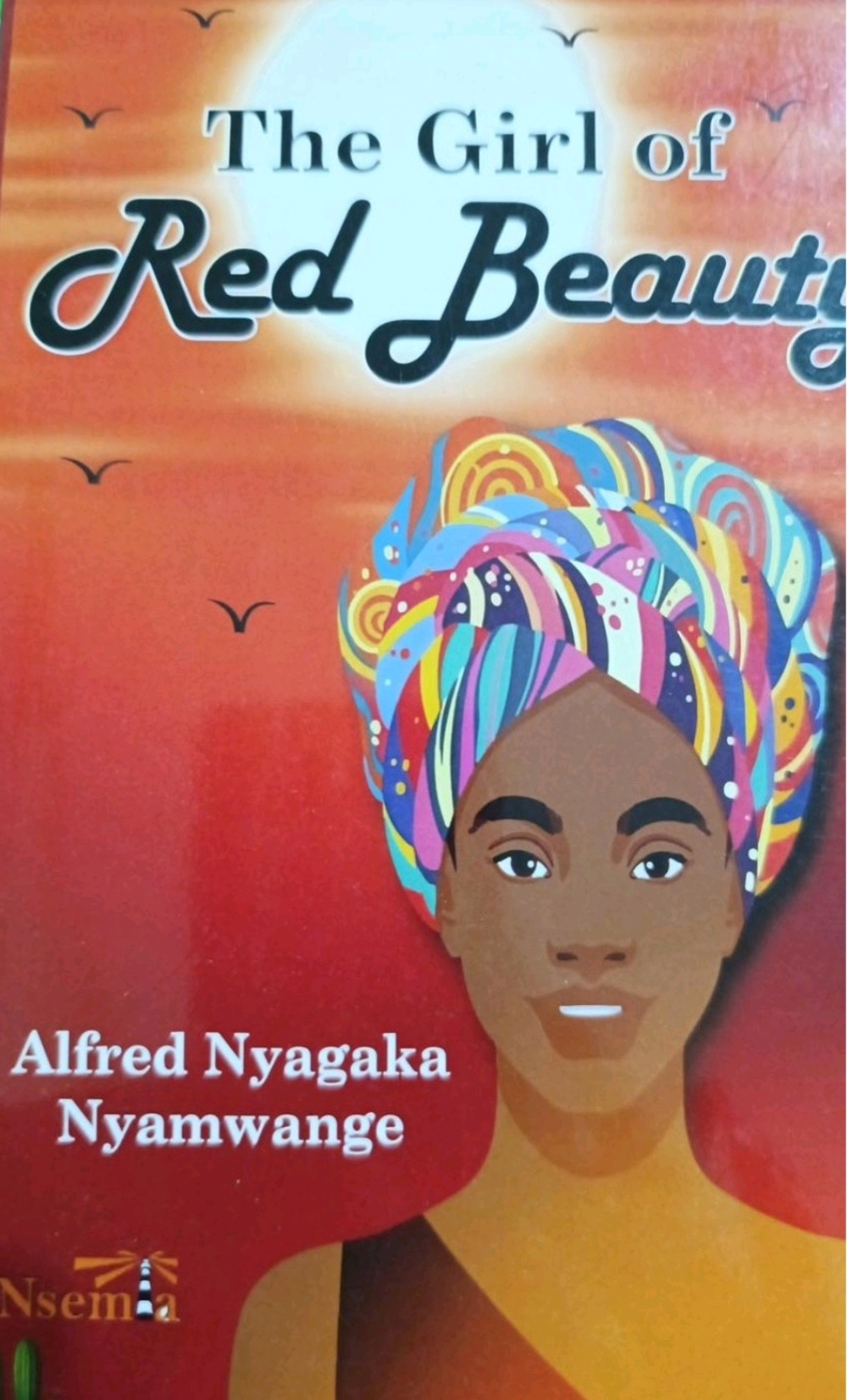
      THE GIRL OF RED BEAUTY  What does it mean to belong to a people, and how can a community preserve its identity when the voices of its ancestors begin to fade beneath the pressures of modernity? In The Girl of Red Beauty, Alfred Nyagaka Nyamwange invites readers into the cultural universe of the AbaGusii through a sustained poetic engagement with the community’s oral traditions, beliefs, social practices and philosophies. Presented in thirteen chapters of verse, the work draws upon songs, proverbs, sayings, stories, play games and the rhythms of everyday life in the Gusii highlands. Its poetic world follows the human journey from birth and childhood through initiation and marriage to old age and death. Along the way, it evokes relationships between individuals, families, the land, the ancestors and the divine. The girl at the centre of the work becomes a poetic point of entry into a much wider cultural landscape: a world shaped by communal memory, inherited wisdom, social expectations and changing relationships. The collection is distinctive in its creative negotiation between written poetry and African orature. Its language draws on indigenous expressions and direct translations from EkeGusii, bringing local imagery and proverbial thought into English. Songs, performance rhythms and the imagined presence of the lyre and drum give the written verse an oral energy, inviting readers not merely to observe the culture but to hear, sing and imaginatively participate in it. The Girl of Red Beauty is both a literary work and an act of cultural remembrance. It does not present tradition as a museum piece; rather, it opens a space for considering cultural continuity, the tensions between inherited practices and contemporary life, and the responsibility of transmitting indigenous knowledge to future generations. Rooted in Gusii experience yet attentive to wider questions of identity and belonging, the book offers international readers an encounter with the imaginative resources of an African community. A poetic celebration of identity, a preservation of memory and an invitation to return to the living sources of cultural knowledge. THE FOOTFALLS OF MY HEART  Love may begin with attraction, but in a traditional community its consequences reach far beyond two individuals. In The Footfalls of My Heart, Alfred Nyagaka Nyamwange presents a narrative poem that explores courtship and marriage in the cultural world of the AbaGusii, giving particular prominence to the voice, perspective and agency of the bride. The poem centres on Gechemba and Rimura. Rimura is a celebrated warrior and prospective groom whose reputation, strength and determination do not automatically guarantee success in love. Gechemba is a young woman who observes, questions, teases and responds to the man seeking her affection. Through her perspective, the reader encounters the emotional play of attraction, hesitation, playful resistance and growing attachment. The courtship becomes a spirited exchange in which wit and persuasion matter alongside status and material wealth. Beyond the romantic encounter, the work traces the social processes through which marriage connects families and lineages. It evokes the meeting between prospective partners, family introductions, negotiations over bride wealth, preparations, marriage rituals, songs, communal celebrations and the incorporation of the bride into a new household. Cattle and other forms of bride wealth carry meanings that extend beyond payment: they express commitment and create networks of relationships between families. The poem is rich in EkeGusii expressions, proverbs, indigenous imagery, humour and the rhythms of oral performance. It draws on cultural memory while allowing readers to consider the values and tensions embedded in marriage practices. The bride’s voice is especially important: she is not simply an object of pursuit but a participant whose response, judgement and choice shape the unfolding relationship. As a companion to The Girl of Red Beauty, this work extends Nyamwange’s poetic exploration of Gusii cultural life. Where the earlier poem approaches the community through a girl’s growth and the wider cycle of life, The Footfalls of My Heart foregrounds the woman’s perspective in the journey towards marriage and family continuity. A warrior pursues; a woman responds and chooses; families negotiate; a community gathers. The Footfalls of My Heart is a poetic exploration of love as both an intimate emotion and a communal bond. THE BROKEN COLUMN  What happens when a society’s established ways of life encounter forces that challenge its institutions, beliefs and sense of identity? The Broken Column by Alfred Nyagaka Nyamwange is a historical and cultural novel set in the world of the AbaGusii, tracing the experiences of a warrior and the wider transformations of his community. At the centre of the narrative is Okeyo, a young man renowned for courage, physical strength and exceptional skill. His reputation as a warrior places him within a social order that values protection, honour, responsibility and service to the community. Yet Okeyo’s life is not a simple succession of heroic achievements. His relationships, personal struggles, choices and encounters with adversity expose the vulnerabilities beneath the public image of the fearless warrior. His destiny is shaped by the demands of his calling and by the changing circumstances of the society around him. The novel evokes a community organised through kinship, village life, ancestral expectations, warrior traditions and collective obligations. Its landscape is not merely a backdrop: it is a lived environment in which cattle, homesteads, social relations and communal security carry cultural significance. Okeyo’s experiences intersect with those of other people, particularly the women whose presence and decisions influence his path. A profound historical change gathers around this personal story. The arrival of foreign authority, missionary Christianity and colonial power unsettles the foundations of the community. Established loyalties are questioned; inherited practices encounter new religious and political claims; and individuals must negotiate the competing demands of continuity, resistance and accommodation. The meaning of courage itself becomes uncertain as the society confronts a future it cannot fully control. The Broken Column therefore operates on two connected levels: it is the story of a man whose life contains both achievement and vulnerability, and the story of a people experiencing a difficult historical transition. Through its engagement with masculinity, identity, power, faith, tradition and colonial encounter, the novel invites readers to consider what happens when the structures that sustain a community begin to fracture.…

    الشاعرة القطرية سعاد الكواري تشيد بمبادرة «100 مؤلف، 100 كتاب»

    الشاعرة القطرية تحتفي بدور المبادرة في تعزيز التواصل الثقافي بين شعوب العالم في رسالة أدبية تحمل تقديراً للتعاون الثقافي العابر للحدود، أعربت الشاعرة والكاتبة القطرية سعاد الكواري عن اعتزازها بالمشاركة…

    اترك تعليقاً

    لن يتم نشر عنوان بريدك الإلكتروني. الحقول الإلزامية مشار إليها بـ *