 thesilkroadtoday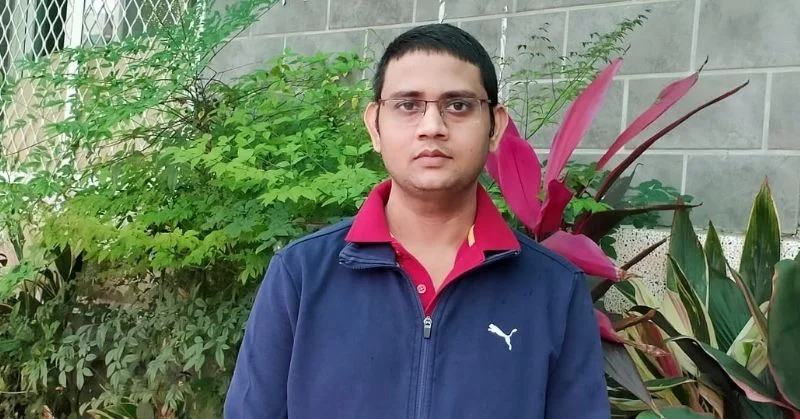
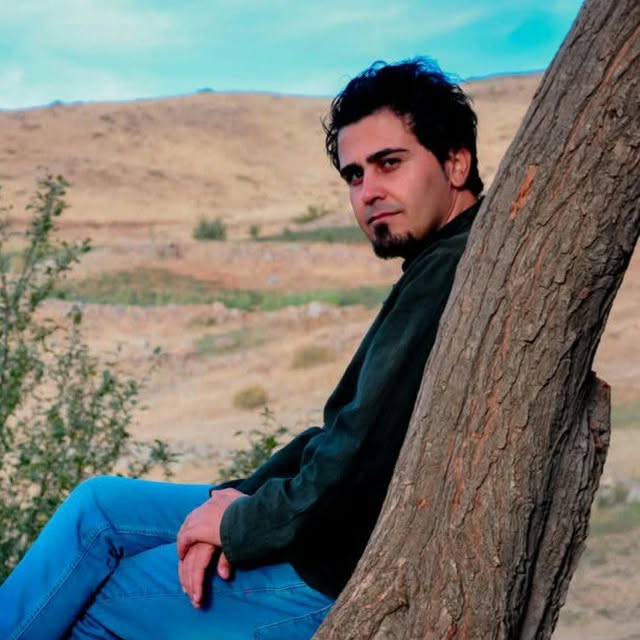
ديفيش باث ساريا شاعر وكاتب نثر ومترجم هندي حائز على عدد من الجوائز. وقد نال جائزة بهاراتبهوشان أغراوال الأدبية المرموقة عام 2023، وجائزة سنيهمايي تشودري عام 2025. من مؤلفاته المنشورة:
الشعر:
- إلى ذلك الحميم الخفي (2025).
- سفينة نوح (2022).
النثر غير القصصي:
- في حدقات العيون الصغيرة — يوميات من تايوان (2022).
القصة القصيرة:
- التوفو النتن (2025).
الترجمات:
- فورموزا تنسج الأحلام: الشعر التايواني (2026).
- رفيقات في معسكر العذاب (2023).
كتب بلغات أخرى:
- نخب الانقلاب الشتوي، بترجمة شيفام تومار.
وقد تُرجمت إبداعات ديفيش إلى الإنجليزية، والصينية المندرينية، والإسبانية، والروسية، والتايوانية، والنيبالية، والأردية، والبنغالية، والماراثية، والبنجابية، والأسامية، والبوجبورية، والراجستانية، والهاريانية، والغارهوالية، والكومونية. وهو رئيس تحرير المجلة الأدبية الهندية الإلكترونية «غول تشاكار». كما يمارس التصوير الفوتوغرافي هوايةً. وهو بطبيعته اجتماعي بقدر انتقائي، يختار بعناية دوائر علاقاته وصداقاته.
حبُّ فلكيّ
هي تهوى القمر،
أما أنا فتسحرني دروب النجوم.
من النجوم أعيش؛
تظهر في عتمة الليل،
ثم تهبط إلى أحضان تلسكوبي،
فتتحول، وهي تتلألأ،
إلى نقودٍ تزداد بها أرصدتي في المصرف.
أما القمر،
فليس سوى دخيلٍ جوّال.
حين يحضر،
تخبو النجوم،
ويغدو نورها الخافت أصلًا
غير مرئي.
حتى منظاري المزدوج
لا يكاد ينفعني.
في مملكة النجوم،
يأتي ضوء القمر كطائرٍ
ينقضّ على حصادي
ويلتهم غلّتي.
وبفضل النجوم
استطعت أن أهبها
خاتم خطوبة جميلًا،
وعقدًا متواضعًا من الزينة.
أما كشاعر،
فربما أستعير يومًا
صورًا من القمر؛
لكنني الآن
أتساءل:
هل تستطيع أن ترجوه،
ولو لمرة واحدة،
أن يقلّل من زياراته؟
عشرة أيام
عن جون غوزلوفسكي
يروي شيخٌ مسنّ
ذكرياته عن الحرب العالمية.
وقبل أن ينهار
تحت وطأة جراحه،
قاتل عشرة أيام.
لا تحتاج رصاصةٌ
في فوهة بندقية
إلى أكثر من عشر ثوانٍ
كي تنطلق،
وتغوص في صدر إنسان.
خلال عشرة أيام من الحرب،
كم مرةً
تتكرر هذه الثواني العشر؟
ليست المسألة
حسابًا بسيطًا.
فليست هناك بندقية عدو واحدة فحسب،
وليس كل جندي
يواجه العدد نفسه
من البنادق المصوَّبة نحوه.
إلى أين تغوص الرصاصات
في أجساد الذين يسقطون؟
وإلى أي عمق
تنفذ في أجساد أولئك
المحظوظين الذين ينجون؟
وهل لهذه الأسئلة من معنى؟
هل الموت
مجرد سوء حظ؟
وهل النجاة من الموت
انتكاسةٌ
متخفية في هيئة مصادفة؟
وحين يحالف الحظ بعض الجنود،
فيخرجون من المعركة
دون أن تمسّهم الرصاصات،
فإنهم يحملون مع ذلك
ندوبًا من نوع آخر—
ثمن الحرب
التي عانوها أسابيع،
وشهورًا،
وأحيانًا أعوامًا.
أما الشيخ،
الذي جُرح في الحرب،
فعاش مئة عام،
لكنه حمل جراح
تلك الأيام العشرة
معه حتى آخر حياته.
نخبٌ في الانقلاب الشتوي
«الفودكا دواءٌ يجلب الفرح.»
«وفي هذا البرد القارس، إنها كذلك حقًّا.»
يقولها
بينما كانت النادلة تتلقى طلبه
عند مائدة طعامه.
بحركاتٍ دقيقة،
يسكب الفودكا من إبريقٍ
يشبه أنبوب الاختبار،
إلى كأسه الصغيرة،
بمقدارٍ محسوبٍ تمامًا.
يرفع كأسه،
فيصطكُّ بكؤوسنا المملوءة بعصير البرتقال،
ويقول نخبًا:
«احتفاءً بوصولك إلى القرم، يا ديفيش.»
قبل أن آتي إلى القرم،
كنت قد رسمت له صورةً في خيالي
من خلال رسائلنا الإلكترونية:
رجلًا رزينًا،
متزنًا،
محسوب الخطوات.
لكنه الآن
مختلفٌ تمامًا.
فنحن لا نستطيع أن ندرك جوهر إنسانٍ
من خلال كلماته وحدها.
في مطار سيمفيروبول،
استقبلني برفقة طالب الدكتوراه الذي يشرف عليه.
وحين حاول أن يرفع أمتعتي الثقيلة،
اعترضتُ،
وأصررتُ ألا يُجهد نفسه.
فهو، في نهاية الأمر،
أعلى مني مرتبةً،
وأكبر سنًّا.
ومع ذلك،
فتح لي باب السيارة بنفسه،
في لفتةٍ تنمُّ عن كرمٍ رفيع.
كان واقفًا وسط الطريق المتجمّد،
وأذناه ورأسه مكشوفان للبرد،
فراودني سؤال:
أترى دفءُ هذا الرجل فطريٌّ فيه،
أم أن حبَّه للفودكا
هو الذي يمدّه بكل هذا الدفء؟
وبعد أن احتسينا عددًا من الكؤوس الصغيرة،
وبينما كان مستوى الفودكا في الزجاجة
يهبط حتى بلغ نصفها،
رفع كأسه مرةً أخرى:
«نخبَ الانقلاب الشتوي!»
«آه، إنه اليوم!»
تذكرت.
«آه، اليوم هو اليوم!»
قلت في نفسي،
وقد عاد إلى ذاكرتي.
أما في حفظ التوازن
بين الزجاجة والكأس،
فقد كان أستاذًا لا يُجارى.
فبدقته المدهشة،
كانت آخر قطرةٍ تسقط من الزجاجة
تملأ كأسه إلى المستوى نفسه
الذي بلغته الكؤوس في المرات السابقة.
وللمرة الأخيرة،
صكَّ كأسه بكؤوسنا،
وكان في كل كأسٍ منها
رشفةٌ بقيت من نصيبنا الأول.
وقال:
«نخبَ السلام العالمي.»
ماذا يعرف الطغاة؟
هل يعرف الطغاة
أن فم موسوليني،
ذلك الفم الذي كان يقذف السمَّ،
حُشي ذات يومٍ بجثة فأر،
وأن امرأةً تبولت عليه
أمام الناس؟
وأن جثمانه الميت
عُلّق في العراء
فوق حشدٍ هائج،
كان يعوي:
«ارفعوه أعلى!
ارفعوه قليلًا إلى أعلى!»
ولم يكن موت موسوليني المأساوي
إلا ما دفع هتلر
إلى أن يأمر المقربين منه
ألا يقع جثمانه في أيدي العامة،
وأن يُحرق فورًا
بعد انتحاره.
وأريد أن أسأل كل الطغاة:
كيف يشعرون حقًّا
حين يحتضنون زوجاتهم أو عشيقاتهم؟
حين يلمسون، بحنان،
وجوه أطفالهم؟
كيف يشعرون
حين يقفون محدقين
في صور آبائهم الراحلين،
ويتأملون أيام شبابهم الغالية؟
ألا يدركون
أن للآخرين أيضًا
عائلاتٍ وأقارب،
تمامًا مثلهم؟
هل يتألمون
حين يمرضون؟
هل يشعرون بلسعة نملة؟
ألا يعرفون
أن أناسًا يدعون من أجل هلاكهم،
لا من أجل سلامتهم؟
وفي غمرة أفعالهم الوحشية،
حين يمارسون الذبح والتنكيل،
ألا ينسون، ولو للحظة،
أن الموت ليس فرضية؟
وأنهم هم أيضًا
يمكن أن يُذبحوا حتى الموت،
مثل أي إنسانٍ آخر؟
الزمن وحده
سيكشف لنا ما سيحدث.
لكن تذكّروا:
مثل مصر،
كل ميدانٍ في مدننا
يخفي تحت رماده
قابليةً لأن يتحول
إلى ميدان تحريرٍ آخر.
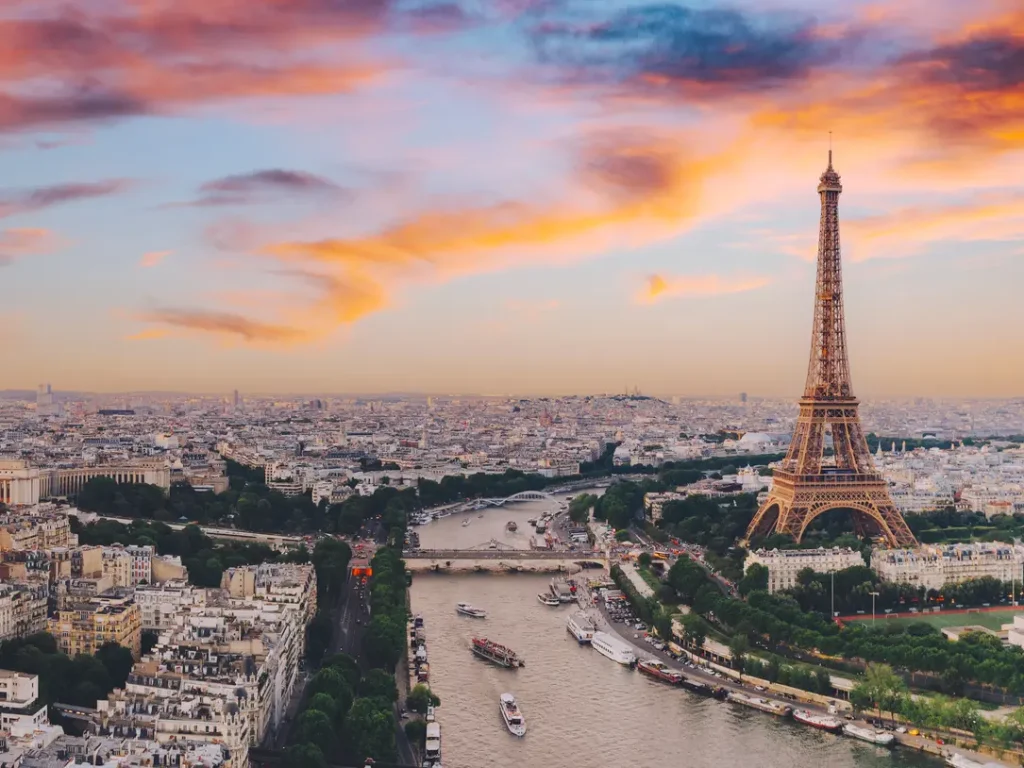
باريس… مشهدٌ من الحب
باريس…
مدينة الحب،
مغموسةٌ بألوان اللوحات الجميلة،
وملفوفةٌ بالنسيج الرقيق
لقصائد العشق.
مدينةٌ لا يعبس فيها أحد
في أزقتها وشوارعها
حين يرى العاشقين
يتبادلون حميمية الحب.
هنا،
تنبعث كل أساطير الحب من جديد،
وتظل حكايات القرون الغابرة
تتنفس في هوائها.
وأنا أتجول في شوارعها،
أرى عشاقًا من كل الأعمار،
من فتيانٍ إلى شيوخ،
يتوقفون للحظات
كي يختلسوا قبلةً عابرة.
وأحيانًا
يسرقون قبلةً وهم ماضون،
دون أن يقطعوا خطوهم.
يميل أحدهما برأسه،
فيقترب من حبيبه
ليلتقط همسةً من شفتيه،
فتتحول الكلمات المنطوقة،
في يسرٍ وعفوية،
إلى ضحكاتٍ رقيقة.
وقبل أن أصل إلى الموناليزا،
أجدني واقفًا في طابور اللوفر.
والثنائي الواقف أمامي
يتبادل القبلات
كل دقيقةٍ ونصف تقريبًا،
مستغلًّا زمن الانتظار
على أفضل وجه.
فالمكان الذي أقف فيه
يتحول أمام عيني
إلى كواليس نابضة
للوحةٍ حيّة،
وكل قبلةٍ منهما
تنزل عليها
كلمسة فرشاةٍ حانية.
الحب، حقًّا،
كامنٌ في كل أشكال الفن.
ويمكن للحب
أن يتجلى بألوانٍ لا حصر لها،
فلكل بقعةٍ من العالم
درجتها الخاصة من ألوان العشق.
في مسقط رأسي،
كان الذين سبقونا بأجيال
يتبادلون مع حبيباتهم
نظراتٍ خاطفة،
وقد أتقنوا فن القبلة
بالعيون.
وأنا واقفٌ خارج اللوفر،
اجتاحني فجأةً حنينٌ عارم؛
حنينٌ إلى ذلك الانفجار المألوف
من الألوان.
فأخرج هاتفي،
وأطلب رقمًا.
فوجود المرء في باريس
يعمل كمنبّهٍ للحب.
Devesh Path Sariya is an award winning Hindi poet, prose writer and translator. Devesh has been awarded prestigious Bharatbhushan Agarwal Puraskar (2023) and Snehmayi Chaudhary Samman (2025).
Devesh’s published books include:
Poetry: Adrishy Aatmeey Ki Toh Mein (2025), Nooh Ki Naav (2022).
Non-fiction prose: Chhoti Aankho ki Pultliyon Mein (Taiwan Diary, 2022).
Short Stories: Stinky Tofu (2025) .
Translations: Sapne Bunta Formosa: Taiwanese Poetry (2026), Yatna Shivir Mein Sathinein (2023).
Books in other languages: A Toast to Winter Solstice (translator: Shivam Tomar) .
Devesh’s creations have been translated into English, Mandarin (Chinese), Spanish, Russian, Taiwanese, Nepali, Urdu, Bangla, Marathi, Punjabi, Assamese, Bhojpuri, Rajasthani, Haryanvi, Garhwali and Kumaoni.
Devesh Path Sariya is the editor of the Hindi literary web magazine Gol Chakkar. He also enjoys photography as a hobby. He is selectively social by nature.
The love of an astronomer
She has an adoration for the moon,
While I find myself captivated by the trail of stars.
My livelihood relies upon the stars;
They emerge in the dark of night
And descend into the embrace of my telescope,
Transforming into shimmering coins within my bank account.
But the moon,
It’s merely a wandering intruder.
In its presence, the stars fade,
Their already faint light becoming invisible.
Even my binoculars offer little aid.
In the realm of stars,
Moonlight acts as a bird,
Feasting upon my harvest.
It is thanks to the stars
That I could bestow upon her a beautiful engagement ring
And a modest, artificial necklace.
As a poet, I may borrow imagery
From the moon another day;
But for now,
I wonder if she could beseech the moon,
Just once, to appear less frequently.
Ten days
After John Guzlowski
An old man recounts his memories
of the world war.
Before collapsing due to injuries,
he battled for ten days.
It takes less than ten seconds
for a bullet inside a gun to break free
and sink into a man’s chest.
In ten days of war,
How many times these ten-seconds occur?
It’s not a simple matter of calculation.
There isn’t just one enemy gun,
nor does each soldier face
an equal number of guns aimed their way.
Where do the bullets sink into the bodies
that collapse?
How deep do they penetrate
those fortunate enough to survive?
Do these questions matter?
Is death simply a misfortune?
Is escaping death a setback
disguised as a coincidence?
As luck would have it,
some soldiers emerge unscathed by bullets,
yet they bear scars of a different kind—
the toll of war endured for weeks, months,
and sometimes years.
The old man, wounded in the war,
lived a hundred years,
yet carried the wounds of those ten days
with him for the remainder of his life.
A Toast to Winter Solstice
“Vodka is a happy-making medicine”
“In this bitter cold, indeed it is”
He says as a waitress takes his order at his dining table.
With precise movements, he pours vodka
from the pitcher resembling a test tube
into his ryumka, in perfect proportion.
He raises his glass, clinking it with ours filled
with orange juice, and toasts,
“In celebration of your arrival in Crimea, Devesh.”
Before I came to Crimea,
I had imagined him based on our email exchanges,
a sober and measured individual,
but now, he is entirely different.
We can never truly grasp someone’s essence
solely through their words.
At Simferopol Airport, he greeted me
accompanied by his Ph.D. student.
I resisted as he tried to lift my large luggage,
insisting that he shouldn’t exert himself.
After all, he held a higher rank and was older.
Despite this, he graciously opened the car door for me.
Standing in the middle of the freezing road,
with his ears and head exposed,
I wondered if his warmth was innate
or simply fueled by his love for vodka.
Having already consumed numerous shots,
as the vodka level in the bottle reaches halfway,
he raises his glass once again
“To, the winter solstice”
“Oh, it’s today!”
I recall.
“Oh, today is the day!”
I realize with a recollection.
When it comes to maintaining
the equilibrium between bottle and glass,
he displays mastery.
His precision is such that
the final drop from the bottle
fills his glass to the same level
as his previous pours.
For the last time, he clinks his glass
with our glasses, each still holding a sip
from our initial share
“To world peace”
What do tyrants know
Do tyrants know that Mussolini’s mouth,
Once spewing venom, was stuffed
with a dead rat and publicly
peed on by a woman.
His dead body was hung out in the open
above the mob, howling
“Higher, raise him a little higher”
It was only Mussolini’s tragic death
that prompted Hitler to order his confidantes
not to let his body end up in the hands of the public
and to burn it immediately after his suicide.
I want to ask all the tyrants that
How do they truly feel when they embrace their wives or lovers,
when they tenderly touch their children’s faces?
How do they feel when they stand gazing at
the portraits of their deceased parents,
reflecting on the cherished days of their youth?
Do they realise that
other people have families and relatives
just like they do?
Do they suffer during times of illness,
or feel pain from an ant’s bite?
Do they know that people pray for their demise
rather than their well-being?
In their brutal acts of butchery,
Do they momentarily forget
that death is not a hypothesis
and they can also be slashed to death
just like any other human being.
Only time will tell what happens,
but remember that,
Like Egypt, every square in our cities
smoulders with a potential
to transform into another Tahrir Square.
Paris, a love scene
Paris—the city of love,
imbued with the colors of beautiful paintings,
draped in the delicate fabric of love poems,
where no one on its alleys and streets
frowns upon intimate displays of affection.
Here, all the myths about love come to life,
legends of centuries past still breathe in its air.
As I wander through its streets,
lovers of all ages, from young to old,
pause for fleeting kisses.
Sometimes, they steal a kiss
without breaking their stride,
With a tilt of their heads,
they lean in to catch their lover’s whisper,
and spoken words effortlessly transform into gentle laughter.
Before I get to see Monalisa,
I find myself in the queue at *Louvre.
The couple standing ahead of me
exchanges kisses every minute and a half,
making the most of their waiting time,
transforming the space where I stand
into a vibrant backstage of a canvas,
their kisses landing upon it
like tender brushstrokes.
Love, truly, is inherent in all forms of art.
Love can be expressed in a multitude of colors,
each region of the world having its own unique shade.
In my hometown, generations before us
would exchange stolen glances with their beloveds,
perfecting the art of kissing through their eyes.
Standing outside Louvre,
a sudden yearning engulfs me,
I yearn for the familiar burst of color
I dial a phone number.
Being in Paris functions as a stimulant for love.