Trending News:من ناتساغدورج إلى العالم العربي: الأدب المنغولي يجد صوتًا جديدًاFrom Natsagdorj to the Arab World: Mongolia’s Literature Finds a New VoiceKhan Khentii: Where Culture, Memory and Natsagdorj’s Spirit Meetبيرغن بيلسن: نهاية الجرائم ضد الإنسانيةBergen-Belsen: An End to the Crimes Against Humanity (Second World War’s Agony Survives)الدكتور إبراهيم استنبولي أول أجنبي يفوز بجائزة باباجان غفوروف في طاجيكستانتعزيز التعاون المتحفي بين مصر ومنغولياMongolian Ambassador to Egypt Discusses Museum Cooperation with Grand Egyptian Museum CEONO “SACRED COWS” OR FEATURED UNTOUCHABLES?Samaneh Mojaveri: “Allow Your Passion To Become Your Purpose, And It Will One Day Become Your Profession” (Interview)ألوان التسامح تتألق في سوسةالآنسة ممكن … جدلية التفاعل والممكن «ما وراء اللغة»، الاحتفال بالمجلد الثالث افتراضيًاأصوات للمرة الأولى …جدلية الأصوات والأبعاد Beyond the Language, Vol. III Virtually Launchedالشاعرة اللبنانية ريتا نجيب نفاع تكتب: فسيفساء الروحCouncil Holds Virtual Meeting to Discuss Urgent MattersBefore the Bulls Disappear: Remembering the Festival of Polaسيرة فنان جعل من الريشة ذاكرةً للأرض والإنسان والتاريخالجسد في التشكيل: حين يتحول المنع إلى صناعة للخوفМонгол, Египет улс соёлын яриа хэлэлцээгээ бэхжүүлж байнаمنغوليا ومصر تعززان الحوار الثقافيبيت الهنا … رسائل الحب والمعارف دودة الأرض … رسائل المعرفة والثقافة البيئية Mongolia and Egypt Strengthen Cultural Dialogueمارلين باسيني في القاهرة.. حين تعبر المكسيك إلى مصر على طريق الأدبMarlene Pasini en El Cairo: Un viaje cultural entre México, Egipto y la Ruta de la SedaMarlene Pasini in Cairo: A Cultural Journey Between Mexico, Egypt and the Silk Roadمائة كتاب … 100 مؤلف: يفتح نافذة جديدة على مشهد الكتابة المعاصرة100Author Books – Volume One RevealedМонгол орон… Яруу найраг, хөгжим, дурсамжийн эх нутагMongolia… A Homeland of Poetry, Music, and Memory الجسد بين المعرفة والوصايةتعزيز الوحدة الثقافية لعالم الترك: محور لقاء مسؤولين أتراك ومثقفين كازاخستانيينEgyptian Voices, Golden Flamesمنيرة مصباح تكتب: نهر على سفر … روح وثابة للسفر ورغبة وقادة للعلم والمعرفةالحدّ الأخير (قصة قصيرة للكاتب عليق نقي أوغلو)منغوليا … وطن الشعر والموسيقى والذاكرةBeyond the Language, Volume III: A Multilingual Celebration of Poetry Across BordersCAJ’S New Edition: Africa at the Crossroads … Faith, Freedom, Culture and the Futureالعدد الثاني والعشرون من مجلة «سلاف الثقافية»… رحلة جديدة بين الأدب والفن والتراث والمعرفةThe 20th Gumilyov Festival in 2026 is a Constellation of AnniversariesWorld Poetry Movement Calls Poets and Peoples to Unite for Global Peace in Novemberبين وَمضات الرُّوح ووجع المكان100 CTFP: جوقة عالمية من أجل دمج الرياضيين البارالمبيين100 CTFP: A Global Chorus of Inclusion for Para AthletesNothing Returns Me to My Beginning (Poetry)الفتاة التي سمعت صوت السكوتفي ذكرى الراحلين الصامتين من الحربمن أينشهوة الذكاء الاصطناعي التي لا تُحتملالدكتورة إيمان بقاعي … حكايات الضيفة (قصة مسموعة)نانا.دوت.أم… الجدة :الحديث والآفاقالصَّديق الوهمي عند الأطفالرَأَيْتُ شَجَرَةً . قصيدة للشاعر پیشوا کاکائيالسنغال تحتفي بسحر الكتب والثقافة في مهرجان دولي افتراضيابنة الحبر (قصيدة للشاعرة اللبنانية ريتا نجيب نفاع)المايسترو التونسي محمد الأسود على طريق الحرير اليوم (حوار)Echoes of Eastern and Western Civilizations on Gilded Papyrus5th International Poetry Festival of NaoussaYoung Honored Guests Shine at the International Conference on Mongolian Heritage, Culture, and LiteratureOlga Medvedko Presents “Gumilyov Society: 2011–2026” at the 20th Gumilyov Festival and the Saint Petersburg House of WritersProf. Yasmin Sheikh: A Life Devoted to the Enrichment of the Marathi Language Mongolia… A Homeland of Poetry, Music, and Memory متحف «دارنا» يحتفي بالفنانة المصرية الأمريكية أمل أحمد مصطفى بعد إهدائها عملاً تشكيليًا جديدًا للمتحف“INNER HEAVEN” BRINGS THE SPIRITUAL SOUL OF MONGOLIA TO CONTEMPORARY ARTماياكوفسكي ورِمال: شاعرٌ مستقبلي عملاق ألهم تيارًا شعريًا نيباليًاMayakovsky and Rimal: A Giant Futurist Inspired Nepali Poetry Trendقصيدة «دروس الحياة» للشاعر التونسي المتميز و المبدع محمد الشارني تمديد مشروع Via Bagradaحتى 30 أوت ـ أغسطسNo Sacred Cows? Boakai’s Accountability Pledge Amid Drug Busts and Political Allegations:Alexandra Ochirova, UNESCO Goodwill Ambassador: Culture is Importanint in International Cooperation in Education and Science.الدكتور أشرف أبو اليزيد يقبل دعوة الانضمام إلى أكاديمية كتّاب العالم المنغوليDr. Ashraf Aboul-Yazid Accepts Invitation to Join the World Academy of Mongolian WritersIn the Heart of Mongolia, Four Laureates on the Golden Papyrus Stageفي قلب منغوليا.. «البردي الذهبي» يحتفي بأدباء طريق الحريرقصائد الشاعر الهندي ديفيش باث ساريا: ماذا يعرف الطغاة؟قصيدة مهداة للشاعر الكازاخي أولوجبيك يسداولتأبي وأمي … قصيدة من منغولياTURKSOY Writers’ Unions Convene in Andijan, Uzbekistanصحراء الغرور | قصيدة للشاعرة اللبنانية ريتا نجيب نفاعأمل أحمد مصطفى: فنانة تعشق الفن في صمت الكبارقصيدة د. عادلة نظر إلى نرجس بطلة رواية «شماوس»…ترجمة «شماوس» إلى اللغة الأذرية: المرآة الروحية للمجتمع الشرقيباباكار نداي يكتب من السنغال: جسور الفجرأَنا أُحارِبُ أَيَّتُها الفَراشَةُ | شعر:پیشوا کاکائيدائرة أفلام إبادان تشعل شغف السينما في أجواء إفريقية أصيلةأحمد سعيد طنطاوي يكتب:ماذا لو كانت أم كلثوم أغنى من إيلون ماسك؟!أمسية شعرية في باكو تحتفي بكتاب «امرأة بعطر الخريف» للشاعرة والطبيبة سولماز غريبِلGenerations Come Together at Farook College in a Celebration of Academic Heritage and Guru–Student Bondsمهرجان بوقرنين البحث عن الهوية والبحث في الهويةFarook College in Kerala Honors Dr. Ashraf Aboul-Yazid with Certificate of Appreciationدراسة نقدية في ديوان «الجنة الضائعة» للشاعر التونسي محمد الشارنيجدليّة الرماد والانبعاث: فلسفة الصمود في شعرية رفيقة التعليMemories of Travel and Mysticism in Ancient Egypt by Marlene Pasini to Be Presented in Cairoمارلين باسيني في القاهرة …«ذكريات السفر والتصوف في مصر القديمة»البجامون.. صورة دم كاملة للمبدع محمد عكاشة: القص والحكاية في مرآة الفن التشكيليشعراء 182 دولة يدعون إلى الحفاظ على مهرجان ميديين الدولي للشعرGlobal Poets Call for the Preservation of the Medellín International Poetry Festival
Trending News:من ناتساغدورج إلى العالم العربي: الأدب المنغولي يجد صوتًا جديدًاFrom Natsagdorj to the Arab World: Mongolia’s Literature Finds a New VoiceKhan Khentii: Where Culture, Memory and Natsagdorj’s Spirit Meetبيرغن بيلسن: نهاية الجرائم ضد الإنسانيةBergen-Belsen: An End to the Crimes Against Humanity (Second World War’s Agony Survives)الدكتور إبراهيم استنبولي أول أجنبي يفوز بجائزة باباجان غفوروف في طاجيكستانتعزيز التعاون المتحفي بين مصر ومنغولياMongolian Ambassador to Egypt Discusses Museum Cooperation with Grand Egyptian Museum CEONO “SACRED COWS” OR FEATURED UNTOUCHABLES?Samaneh Mojaveri: “Allow Your Passion To Become Your Purpose, And It Will One Day Become Your Profession” (Interview)ألوان التسامح تتألق في سوسةالآنسة ممكن … جدلية التفاعل والممكن «ما وراء اللغة»، الاحتفال بالمجلد الثالث افتراضيًاأصوات للمرة الأولى …جدلية الأصوات والأبعاد Beyond the Language, Vol. III Virtually Launchedالشاعرة اللبنانية ريتا نجيب نفاع تكتب: فسيفساء الروحCouncil Holds Virtual Meeting to Discuss Urgent MattersBefore the Bulls Disappear: Remembering the Festival of Polaسيرة فنان جعل من الريشة ذاكرةً للأرض والإنسان والتاريخالجسد في التشكيل: حين يتحول المنع إلى صناعة للخوفМонгол, Египет улс соёлын яриа хэлэлцээгээ бэхжүүлж байнаمنغوليا ومصر تعززان الحوار الثقافيبيت الهنا … رسائل الحب والمعارف دودة الأرض … رسائل المعرفة والثقافة البيئية Mongolia and Egypt Strengthen Cultural Dialogueمارلين باسيني في القاهرة.. حين تعبر المكسيك إلى مصر على طريق الأدبMarlene Pasini en El Cairo: Un viaje cultural entre México, Egipto y la Ruta de la SedaMarlene Pasini in Cairo: A Cultural Journey Between Mexico, Egypt and the Silk Roadمائة كتاب … 100 مؤلف: يفتح نافذة جديدة على مشهد الكتابة المعاصرة100Author Books – Volume One RevealedМонгол орон… Яруу найраг, хөгжим, дурсамжийн эх нутагMongolia… A Homeland of Poetry, Music, and Memory الجسد بين المعرفة والوصايةتعزيز الوحدة الثقافية لعالم الترك: محور لقاء مسؤولين أتراك ومثقفين كازاخستانيينEgyptian Voices, Golden Flamesمنيرة مصباح تكتب: نهر على سفر … روح وثابة للسفر ورغبة وقادة للعلم والمعرفةالحدّ الأخير (قصة قصيرة للكاتب عليق نقي أوغلو)منغوليا … وطن الشعر والموسيقى والذاكرةBeyond the Language, Volume III: A Multilingual Celebration of Poetry Across BordersCAJ’S New Edition: Africa at the Crossroads … Faith, Freedom, Culture and the Futureالعدد الثاني والعشرون من مجلة «سلاف الثقافية»… رحلة جديدة بين الأدب والفن والتراث والمعرفةThe 20th Gumilyov Festival in 2026 is a Constellation of AnniversariesWorld Poetry Movement Calls Poets and Peoples to Unite for Global Peace in Novemberبين وَمضات الرُّوح ووجع المكان100 CTFP: جوقة عالمية من أجل دمج الرياضيين البارالمبيين100 CTFP: A Global Chorus of Inclusion for Para AthletesNothing Returns Me to My Beginning (Poetry)الفتاة التي سمعت صوت السكوتفي ذكرى الراحلين الصامتين من الحربمن أينشهوة الذكاء الاصطناعي التي لا تُحتملالدكتورة إيمان بقاعي … حكايات الضيفة (قصة مسموعة)نانا.دوت.أم… الجدة :الحديث والآفاقالصَّديق الوهمي عند الأطفالرَأَيْتُ شَجَرَةً . قصيدة للشاعر پیشوا کاکائيالسنغال تحتفي بسحر الكتب والثقافة في مهرجان دولي افتراضيابنة الحبر (قصيدة للشاعرة اللبنانية ريتا نجيب نفاع)المايسترو التونسي محمد الأسود على طريق الحرير اليوم (حوار)Echoes of Eastern and Western Civilizations on Gilded Papyrus5th International Poetry Festival of NaoussaYoung Honored Guests Shine at the International Conference on Mongolian Heritage, Culture, and LiteratureOlga Medvedko Presents “Gumilyov Society: 2011–2026” at the 20th Gumilyov Festival and the Saint Petersburg House of WritersProf. Yasmin Sheikh: A Life Devoted to the Enrichment of the Marathi Language Mongolia… A Homeland of Poetry, Music, and Memory متحف «دارنا» يحتفي بالفنانة المصرية الأمريكية أمل أحمد مصطفى بعد إهدائها عملاً تشكيليًا جديدًا للمتحف“INNER HEAVEN” BRINGS THE SPIRITUAL SOUL OF MONGOLIA TO CONTEMPORARY ARTماياكوفسكي ورِمال: شاعرٌ مستقبلي عملاق ألهم تيارًا شعريًا نيباليًاMayakovsky and Rimal: A Giant Futurist Inspired Nepali Poetry Trendقصيدة «دروس الحياة» للشاعر التونسي المتميز و المبدع محمد الشارني تمديد مشروع Via Bagradaحتى 30 أوت ـ أغسطسNo Sacred Cows? Boakai’s Accountability Pledge Amid Drug Busts and Political Allegations:Alexandra Ochirova, UNESCO Goodwill Ambassador: Culture is Importanint in International Cooperation in Education and Science.الدكتور أشرف أبو اليزيد يقبل دعوة الانضمام إلى أكاديمية كتّاب العالم المنغوليDr. Ashraf Aboul-Yazid Accepts Invitation to Join the World Academy of Mongolian WritersIn the Heart of Mongolia, Four Laureates on the Golden Papyrus Stageفي قلب منغوليا.. «البردي الذهبي» يحتفي بأدباء طريق الحريرقصائد الشاعر الهندي ديفيش باث ساريا: ماذا يعرف الطغاة؟قصيدة مهداة للشاعر الكازاخي أولوجبيك يسداولتأبي وأمي … قصيدة من منغولياTURKSOY Writers’ Unions Convene in Andijan, Uzbekistanصحراء الغرور | قصيدة للشاعرة اللبنانية ريتا نجيب نفاعأمل أحمد مصطفى: فنانة تعشق الفن في صمت الكبارقصيدة د. عادلة نظر إلى نرجس بطلة رواية «شماوس»…ترجمة «شماوس» إلى اللغة الأذرية: المرآة الروحية للمجتمع الشرقيباباكار نداي يكتب من السنغال: جسور الفجرأَنا أُحارِبُ أَيَّتُها الفَراشَةُ | شعر:پیشوا کاکائيدائرة أفلام إبادان تشعل شغف السينما في أجواء إفريقية أصيلةأحمد سعيد طنطاوي يكتب:ماذا لو كانت أم كلثوم أغنى من إيلون ماسك؟!أمسية شعرية في باكو تحتفي بكتاب «امرأة بعطر الخريف» للشاعرة والطبيبة سولماز غريبِلGenerations Come Together at Farook College in a Celebration of Academic Heritage and Guru–Student Bondsمهرجان بوقرنين البحث عن الهوية والبحث في الهويةFarook College in Kerala Honors Dr. Ashraf Aboul-Yazid with Certificate of Appreciationدراسة نقدية في ديوان «الجنة الضائعة» للشاعر التونسي محمد الشارنيجدليّة الرماد والانبعاث: فلسفة الصمود في شعرية رفيقة التعليMemories of Travel and Mysticism in Ancient Egypt by Marlene Pasini to Be Presented in Cairoمارلين باسيني في القاهرة …«ذكريات السفر والتصوف في مصر القديمة»البجامون.. صورة دم كاملة للمبدع محمد عكاشة: القص والحكاية في مرآة الفن التشكيليشعراء 182 دولة يدعون إلى الحفاظ على مهرجان ميديين الدولي للشعرGlobal Poets Call for the Preservation of the Medellín International Poetry Festival
Mongolia’s literary heritage is finding a new voice in the Arab world through the work of Egyptian writer, poet and journalist Dr. Ashraf Aboul-Yazid, whose recent translation of D. Natsagdorj’s celebrated poem My Native Land into Arabic has opened another bridge between Mongolian and Arab literary cultures.
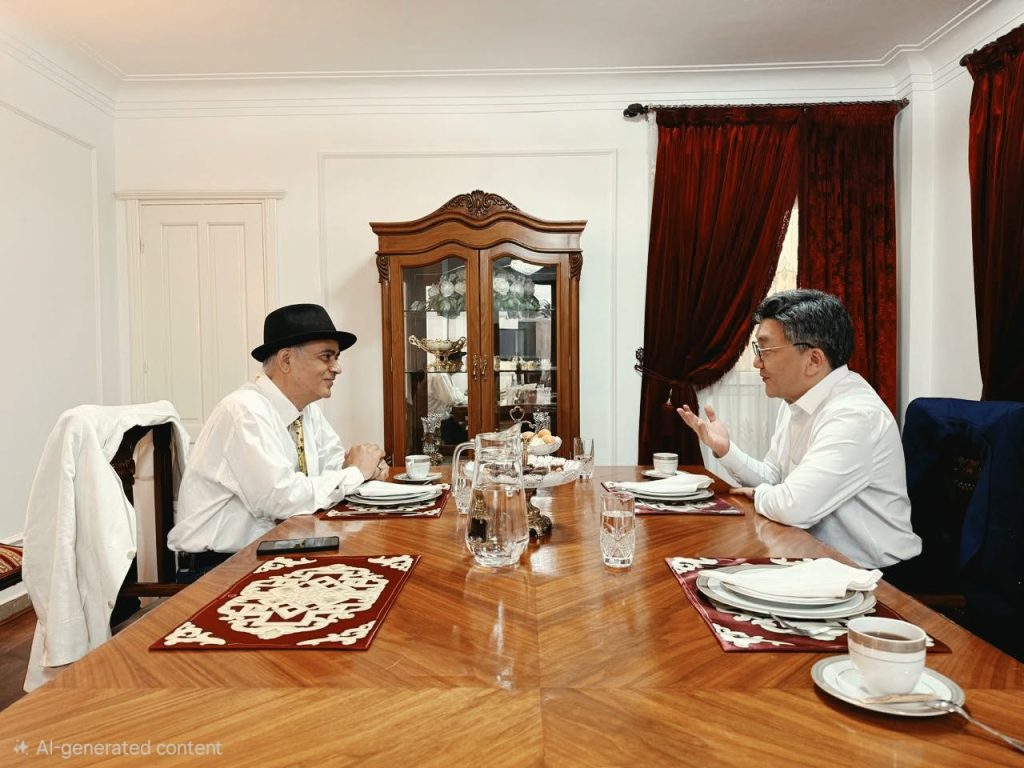
H.E. Mr. Donijchimbuu Byambadorj, Ambassador of Mongolia to Egypt, welcomes Egyptian writer, poet and journalist Dr. Ashraf Aboul-Yazid, following his recent cultural and literary visit to Mongolia.
The Embassy of Mongolia in Cairo recently welcomed Dr. Aboul-Yazid for a meeting focused on literature, poetry, translation, journalism and cultural exchange. The Embassy highlighted his continuing efforts to introduce Mongolian literature and cultural heritage to Arabic-speaking audiences.
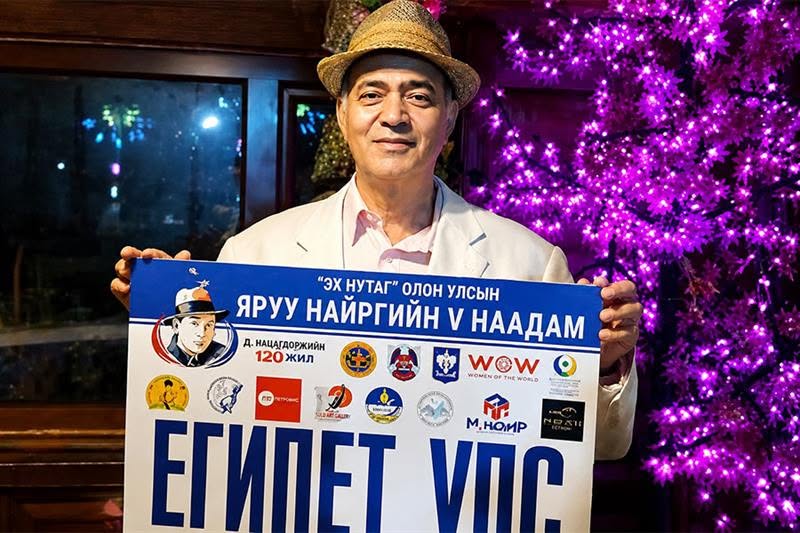
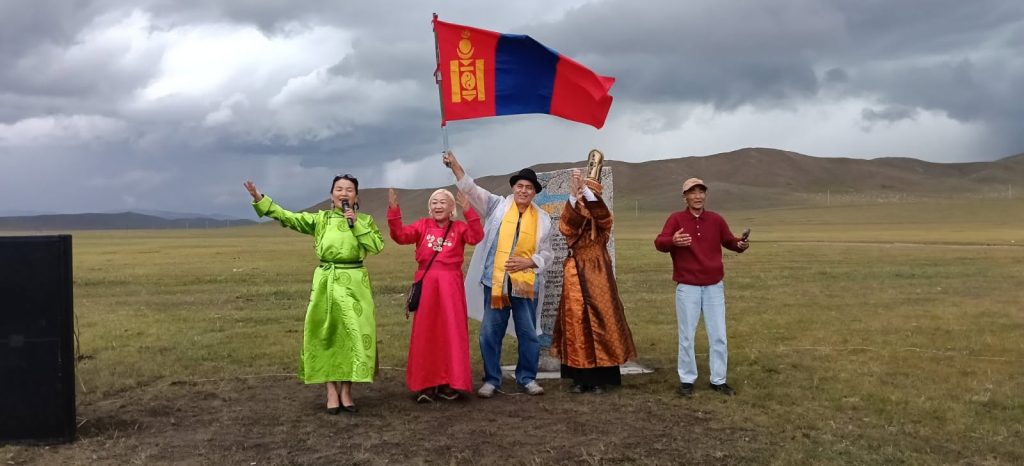
Dr. Aboul-Yazid travelled to Mongolia in August to participate in the international “Motherland” Poetry Festival, organized in connection with the 120th anniversary of the birth of Dashdorjiin Natsagdorj, widely regarded as a founding figure of modern Mongolian literature.
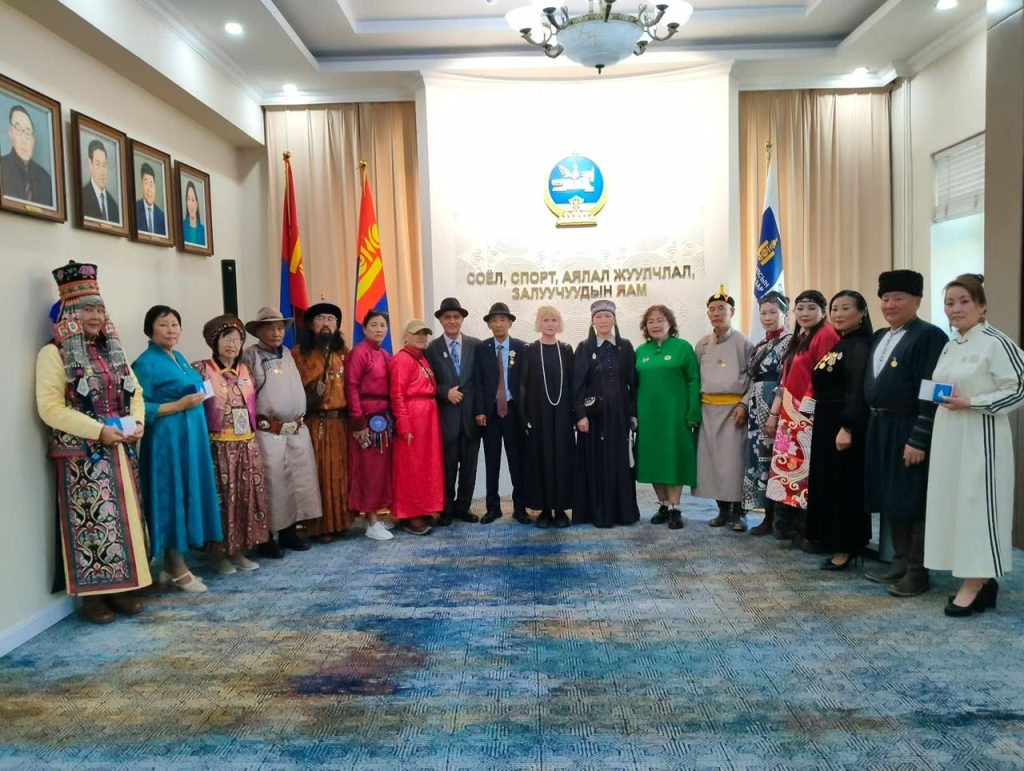
During his journey, Aboul-Yazid visited Natsagdorj’s birthplace and important historical and cultural sites, met Mongolian writers and poets, and took part in literary and cultural exchange activities. His experience became the foundation for a series of travel essays under the title “Mongolia: A Homeland of Poetry, Music and Memory,” bringing Mongolia’s landscapes, cultural memory, literary traditions and contemporary identity to readers beyond Mongolia.
The essays have appeared in Arabic and English through influential Egyptian and regional media, including Ahram Online, as well as through The Silk Road Today, the international cultural and literary publication for which Aboul-Yazid serves as Editor-in-Chief.
The Embassy noted that these publications are making a meaningful contribution to presenting Mongolian literature, cultural heritage and contemporary life to the Arab-speaking world.
At the Cairo meeting, the two sides also discussed expanding cooperation through literature, poetry, translation and media, with the shared aim of promoting Mongolia in Africa and the Arab-speaking countries while creating opportunities to introduce the histories and cultures of African and Arab countries to Mongolian readers.
For Aboul-Yazid, the project goes beyond translation. It is part of a broader literary journey along the Silk Road—one in which poetry becomes a meeting place for peoples, memories and civilizations.
From the homeland celebrated by Natsagdorj to the Arabic-speaking world discovering his poetry today, the journey continues: a poem crosses a language, and a culture crosses a border.
Dr. Ashraf Aboul-Yazid is Secretary-General of the Congress of African Journalists and Editor-in-Chief of The Silk Road Today, an international cultural and literary publication. His work has long focused on connecting writers, cultures and literary traditions across Asia, Africa and the wider Silk Road world.
Commenting on the event, Mongolian poetess Purevjavyn Gerelt-Od (Пүрэвжавын Гэрэлт-Од) wrote : “We would like to express our sincere gratitude to the Mongolian Embassy in Cairo and Ambassador Donijchimbu Byambadorji for their warm welcome and generous hospitality and in-depth and rich discussions. Absolutely delighted to have exchanged views on the long-lasting cultural link between Egypt and Mongolia, and the importance of literature, which is a bridge connecting people, civilization and memories. I am particularly happy to contribute to promoting the rich heritage of Mongolian nomadic traditions and deep cultural memories to the legacy of great people like D.Natsagdorj, and introducing the modern literature of this unique country to the world. For me, Mongolia is not only a country with vast and ancient heritage, but also a country of living literature where poets and writers continue to raise their voices about their history, uniqueness and dreams. Looking forward to continuing this cultural journey and strengthening the literary and cultural bridge between Egypt and Mongolia through dialogue, friendship, and the spirit of the Silk Road of common humanity. From Cairo to Mongolia with gratitude and friendship.”
Khan Khentii: Where Culture, Memory and Natsagdorj’s Spirit Meet
A Poet’s Testimony to a Generation That Kept Culture Alive By Silk Road Literature Series | 2026 There are places where geography becomes memory, and where memory becomes literature. Khan…
Bergen-Belsen: An End to the Crimes Against Humanity (Second World War’s Agony Survives)
By Santosh Kumar Pokharel Prologue: When the Guns Fell Silent The world war was over in May 1945 after the fall of Berlin to the Soviet Red Army. Hitler was…
 thesilkroadtoday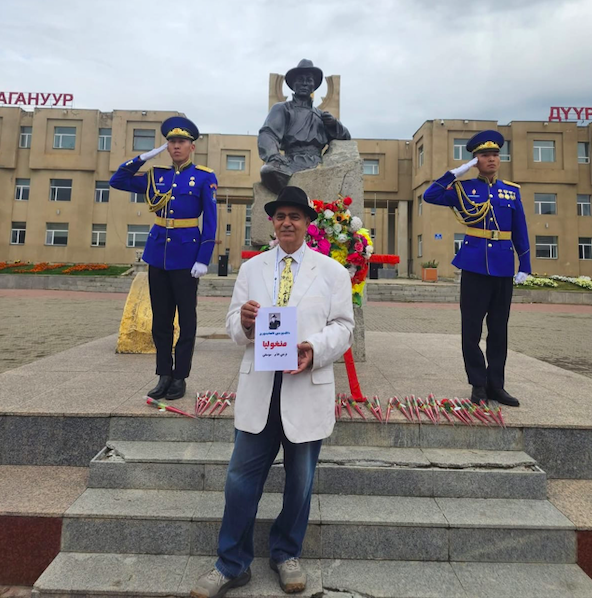
Commenting on the event, Mongolian poetess Purevjavyn Gerelt-Od (Пүрэвжавын Гэрэлт-Од) wrote : “We would like to express our sincere gratitude to the Mongolian Embassy in Cairo and Ambassador Donijchimbu Byambadorji for their warm welcome and generous hospitality and in-depth and rich discussions. Absolutely delighted to have exchanged views on the long-lasting cultural link between Egypt and Mongolia, and the importance of literature, which is a bridge connecting people, civilization and memories. I am particularly happy to contribute to promoting the rich heritage of Mongolian nomadic traditions and deep cultural memories to the legacy of great people like D.Natsagdorj, and introducing the modern literature of this unique country to the world. For me, Mongolia is not only a country with vast and ancient heritage, but also a country of living literature where poets and writers continue to raise their voices about their history, uniqueness and dreams. Looking forward to continuing this cultural journey and strengthening the literary and cultural bridge between Egypt and Mongolia through dialogue, friendship, and the spirit of the Silk Road of common humanity. From Cairo to Mongolia with gratitude and friendship.”