 thesilkroadtoday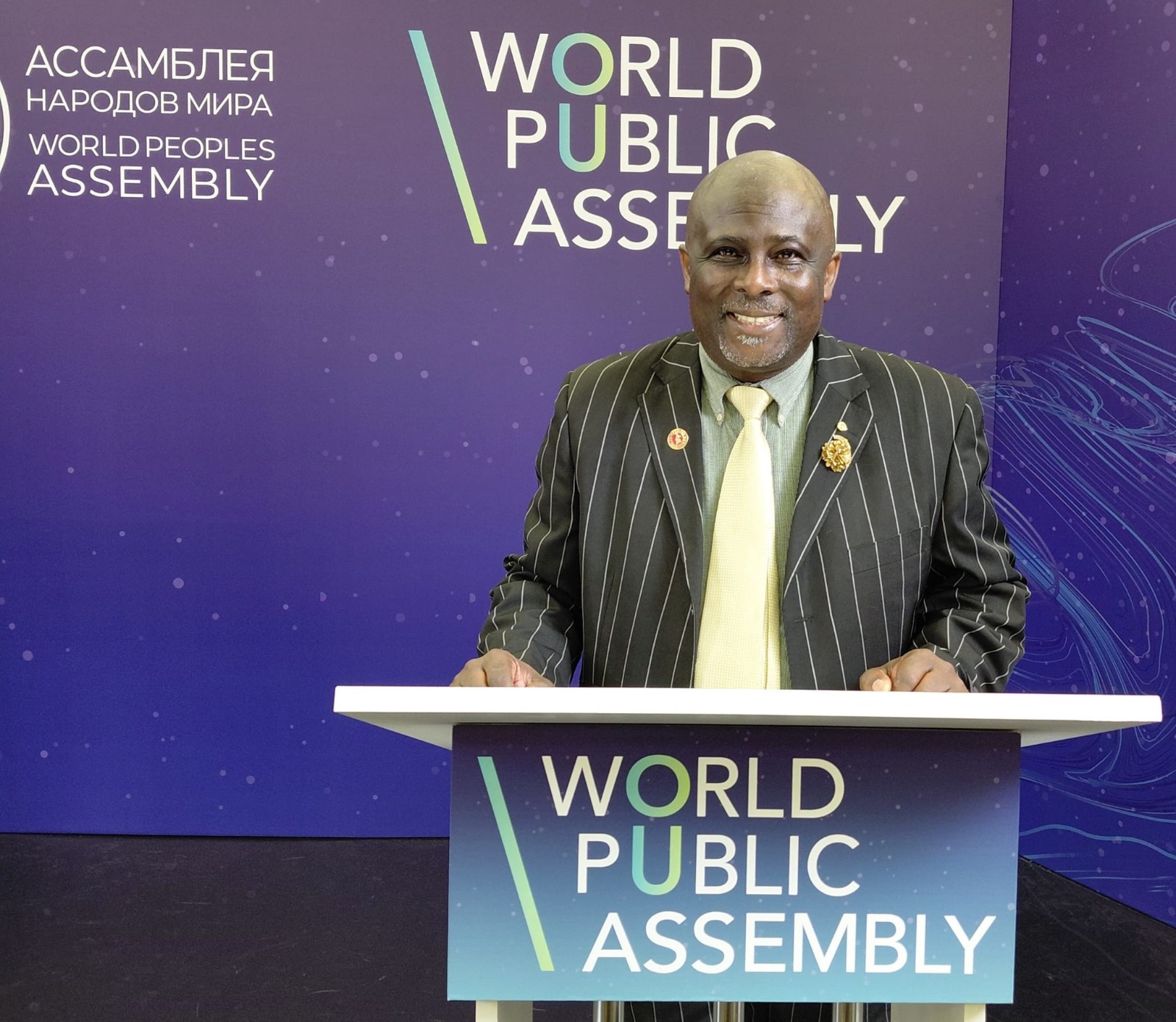
The Literary Philosophical Vision of Bill F Ndi, PAWA President.
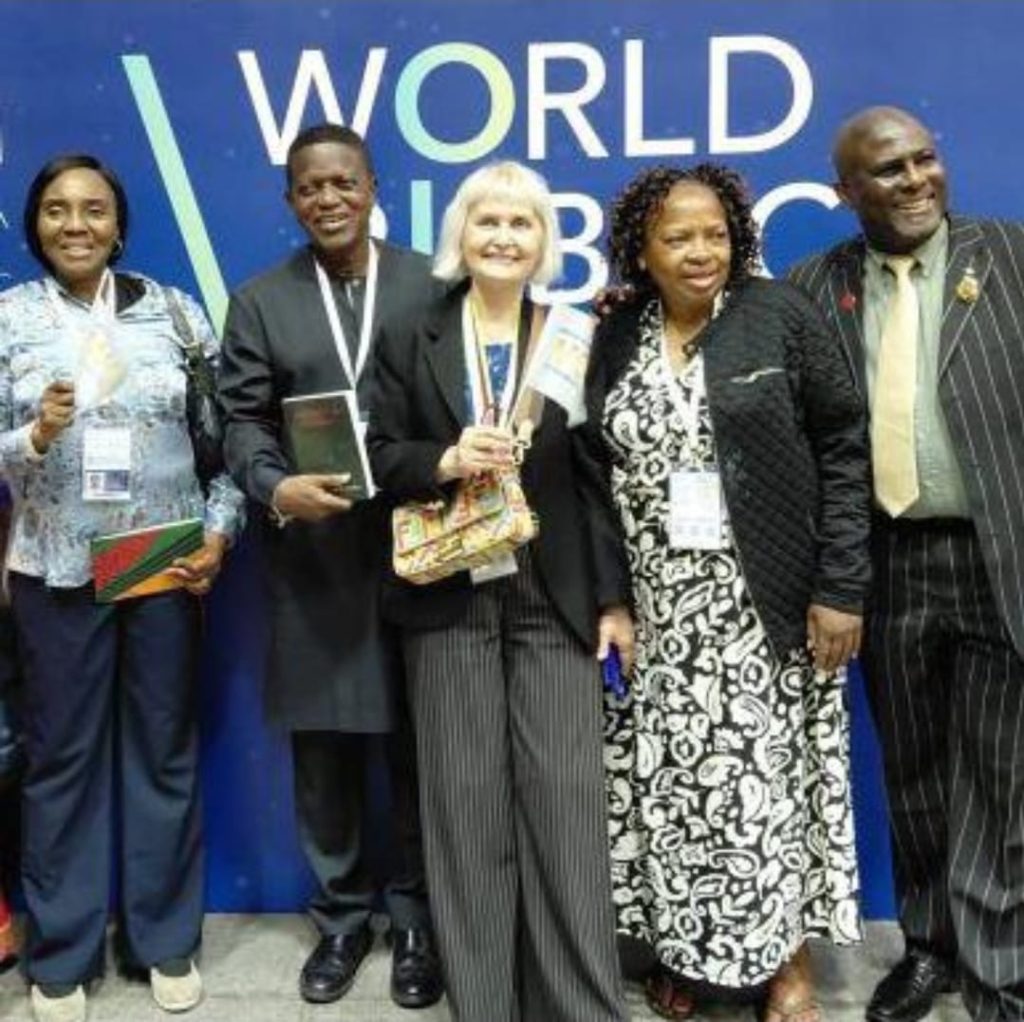
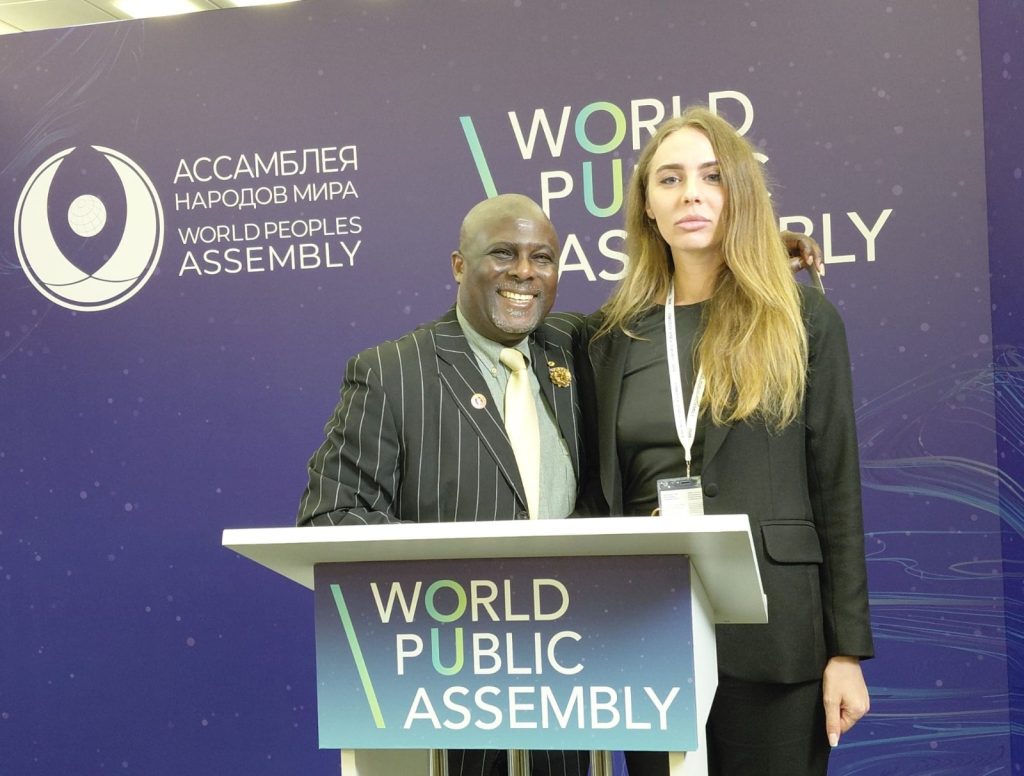
Paper presented at the World Public Assembly/III World Organization of Writers Congress in Moscow, Russia, September 18, 2026.
At a time when public discourse is increasingly polarized, culture is commodified, and technology accelerates the production of content faster than reflection can keep pace, as writers, we are left with this profound ethical question: What conditions are necessary for genuine creativity to flourish? The answer, I believe, lies in preserving a dynamic relationship among freedom, responsibility, tradition, renewal, and dialogue, principles that resonate strongly with me as a poet, scholar, translator, educator, and President of the Pan African Writers Association (PAWA).
Literature has never been merely an aesthetic enterprise or a fashion parade. It is and should always be a moral undertaking, a cultural archive, and a laboratory of human possibility. The stories we tell shape the societies we build. The metaphors we create influence how communities understand justice, identity, memory, and hope. For this reason, the defense of literary freedom is not simply the defense of writers. It is the defense of humanity’s capacity to imagine itself differently.
Freedom remains the first condition of creativity. Every significant work of literature begins with an act of intellectual courage. The novelist who challenges inherited assumptions, the poet who invents a new language of feeling, and the dramatist who illuminates uncomfortable truths all depend upon freedom. Without the liberty to imagine, dissent, question, and dream, literature becomes a repetitive act. It ceases to discover and merely reproduces. Throughout history, artistic revolutions have emerged because writers refused to remain confined within the boundaries of accepted thought.
Yet freedom alone is insufficient. The contemporary celebration of absolute individual expression sometimes neglects a fundamental truth: every creative act enters a community. Literature affects readers. Words shape consciousness. Narratives influence values. The ethical writer therefore recognizes that creative freedom carries responsibility. The critical question must transcend the possibility of writing something to embrace the human purpose the writing serves”
Responsibility does not imply censorship, nor does it diminish artistic autonomy. Rather, it calls the writer to an awareness of consequences.
Great literature challenges, provokes, and unsettles, but it also expands the reader’s moral imagination and self-actualization. It invites deeper understanding of the human condition. Freedom without responsibility risks becoming self-indulgence; responsibility without freedom risks becoming propaganda. Literature thrives only when both principles remain in balance.
Equally important is the relationship between tradition and renewal. One of the most persistent tensions in literary culture is the tendency to frame heritage and innovation as opposing forces when indeed they are complementary. Tradition is everything but not a prison. It is a reservoir from which to tap for innovation. Every writer inherits a cultural legacy of language, myth, memory, and form. The literary imagination draws nourishment from these inherited resources. Without roots, creativity becomes detached from history and community. Yet tradition fulfills its purpose only when it remains alive. What is inherited must also be reimagined.
The world’s great literary movements have emerged from precisely this creative encounter between memory and innovation. Writers preserve ancestral voices while discovering new ways to speak. They respect inherited forms while adapting them to contemporary realities. In African literature, this renewal can be seen in the adaptation of oral traditions to digital media, in multilingual writing practices, and in the transformation of local experiences into globally resonant narratives. Such creativity does not abandon tradition. It extends its life.
This balance between continuity and reinvention is especially critical today with globalization and digital culture that expose writers to unprecedented influences, creating opportunities for innovation while simultaneously threatening cultural specificity. The challenge is not to retreat into nostalgic preservation nor to surrender to homogenization. It is to cultivate roots deep enough to sustain growth as well as branches wide enough to welcome new possibilities.
At the Center of This Process Lies Dialogue.
No writer creates in isolation, as Donne would have it: “No man is an island”. Every piece of writing enters a conversation that began long before its author and will continue long after publication. Literature is fundamentally in the Bakhtinian sense, dialogic. Writers converse with previous generations, with competing ideas, with readers, with languages, and with cultures different from their own.
I advocate intercultural exchange which emphasizes connections across languages, histories, and continents, dialogue emerges not merely as a method but as an ethical principle. Dialogue expands imagination because it exposes writers to experiences beyond their immediate worlds. It deepens understanding by confronting assumptions. It encourages self-critique by challenging intellectual complacency. Most importantly, it generates innovation. Literary history repeatedly demonstrates that new artistic forms emerge when traditions encounter one another. Translation, multilingual creativity, and intercultural exchange have consistently produced some of humanity’s most enduring works.
The ethical writer therefore approaches difference not as a threat but as an invitation. Genuine dialogue allows cultures to learn from one another without surrendering their distinctiveness. It transforms diversity into creativity and encounter into discovery.
Ultimately, the highest purpose of literature is human transformation. And as agents of transformation, we cannot divorce ourselves from ethics, responsibility and accountability. The value of a poem cannot be measured solely by technical mastery, nor the success of a novel solely by sales figures. Literature matters because it enlarges human consciousness. It allows individuals to inhabit lives other than their own. It cultivates empathy, awakens critical thought, and expands the boundaries of possibility. When freedom is exercised responsibly, when tradition remains open to renewal, and when creativity emerges through dialogue, literature becomes more than art. It becomes a force for human flourishing.
The future of literature will not depend merely on new technologies, publishing models, or markets. It will depend on whether writers, scholars, critics, and readers continue to defend the ethical foundations of creativity itself. We must preserve freedom because imagination requires it. We must embrace responsibility because humanity deserves it. We must honor tradition because memory sustains us. We must welcome renewal because life demands it. And we must cultivate dialogue because creativity grows through encounter.
Without tradition, literature loses memory. Without freedom, it loses originality. Without dialogue, it loses vitality. But when these forces work together, literature becomes what it has always been at its best: humanity’s most enduring conversation between inheritance and innovation, self and other, present reality and future possibility.