 thesilkroadtoday
A critical examination of power, justice and social Transformation
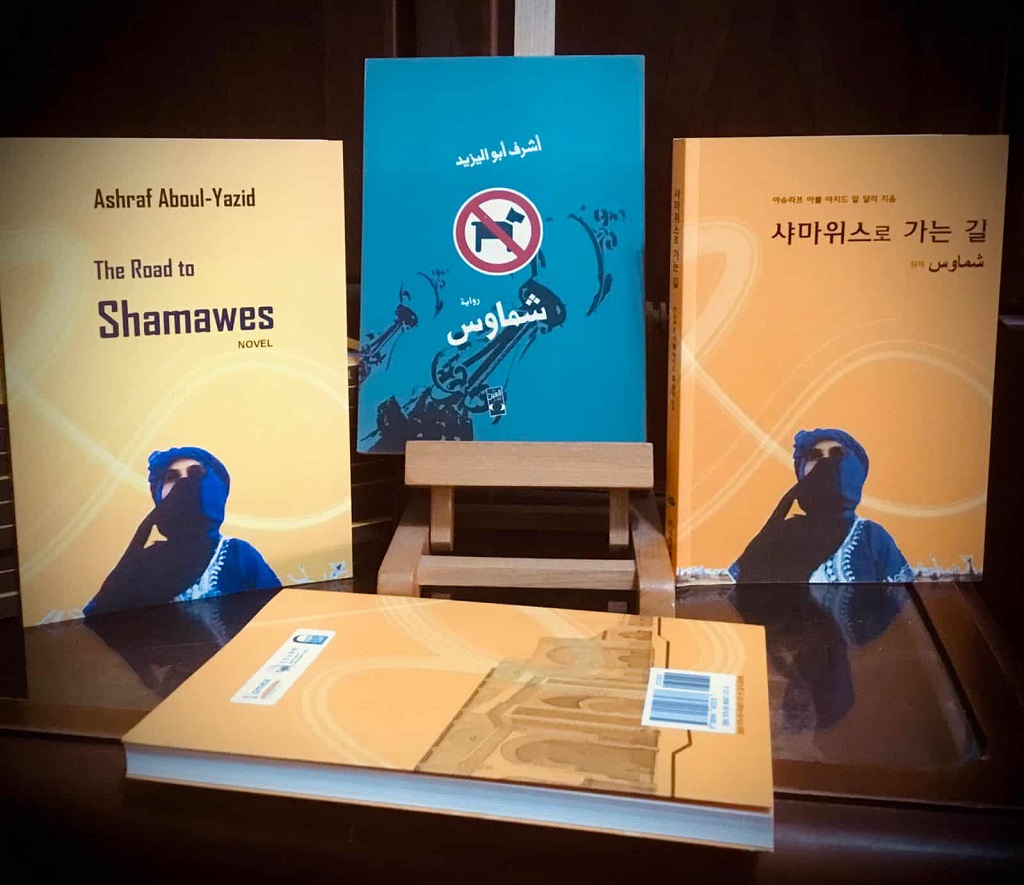
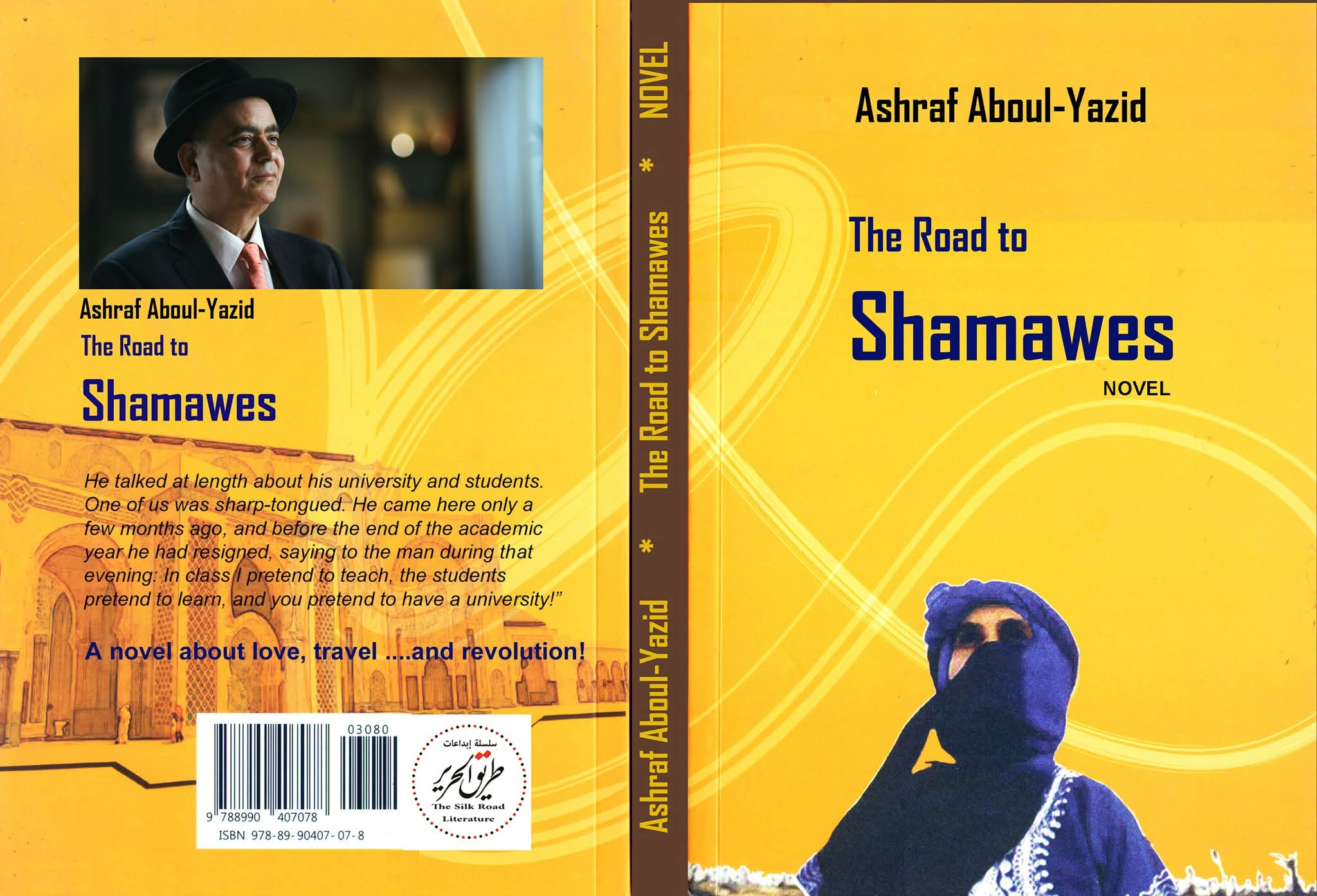
Book Title: The Road to Shamawes
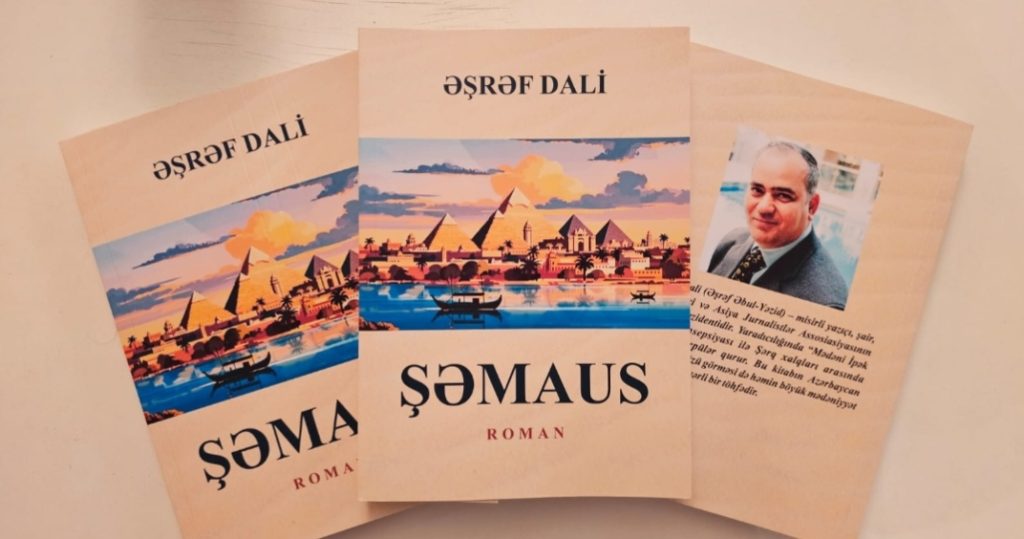
Author: Ashraf Aboul-Yazid (Ashraf Dali)
Original Language: Arabic
Genre: Social Realism/Political Fiction
Original Publication: 2007
Original Publisher: Dar Al-Ain Publishing House, Cairo, Egypt
English Edition: Published in 2024 by Dar Al-Naher, Cairo
Reviewer: Rolince Onyango Otieno
Introduction
Literature becomes particularly powerful when it moves beyond the narration of individual experiences to interrogate the social, political and moral structures that shape human existence. Ashraf Aboul-Yazid’s ‘The Road to Shamawes’ is a socially conscious novel that examines the relationship between people and their environment, exposing the consequences of unchecked power, social inequality, moral corruption, and the transformation of traditional communities.
Set in Shamawes, a village undergoing significant social and economic changes, the novel presents a society caught between its traditional values and the pressures of modernity. Beneath the visible transformation of the village lies deeper struggle involving authority, personal dignity, justice and the author use the experience of his characters to question whether development can genuinely be celebrated when it is accompanied by intimidation, exploitation and the erosion of human relationships.
The novel’s significance lies in tis ability to connect the fate of individuals to the broader condition of society. Rather than treating injustice as an isolated occurrence, Aboul-Yazid demonstrates how the abuse of power can become embedded in social relationships, allowing the privileged to manipulate circumstances while ordinary citizens struggle to defend their dignity.

Plot and Narrative Development
The narrative centers on Shamawes, a community whose changing physical landscape reflects its changing social character. Agricultural land, traditional ways of life, and established communal relationships gradually encounter the pressure of urbanization, wealth and new forms of social influence.
The transformation of the village provides the foundation of the novel’s wider exploration of power and morality. The growth of material wealth does not necessarily produce corresponding moral advancement. Instead, economic privilege and social influence create divisions that threaten the stability of the community.
A major conflict develops around Dr. Karim Abdel-Meguid, an artist and intellectual figure whose life become entangled in a scandal involving Hisham, the son of General Wagih Essameddin. The fabrication of a compromising video becomes an instrument of defamation, threatening Dr. Karim’s reputation and exposing his family humiliation and persecution. His daughter, Dunya, is also caught in the consequence of scandal.
Confronted by an environment in which powerful individuals appear capable of manipulating public opinion, Dr. Karim retreats to the countryside. His withdrawal represents more than an attempt to escape immediate danger; it reflects the isolation of an individual whose dignity and security have been undermined by those who possess greater social influence.
Major themes
The novel explores several interconnected themes:
Abuse of power and inequality: General Wagih Essameddin and his son Hisham illustrate how privilege can be used to intimidate and disadvantage others.
Truth and justice: Dr Karim’s experience with a fabricated video exposes the dangers of misinformation and the struggle to restore a damaged reputation.
Tradition and modernity: The transformation of Shamawes reflects the tension between traditional values and the pressures of urbanization.
Family and dignity: The scandal demonstrates how injustice affects not only individuals but also their families.
Collective resistance: The villagers’ uprising challenges oppression while raising questions about the difference between justice and revenge.
Characterization
Dr Karim Abdel- Meguid represents personal dignity and vulnerability in the face of power adversaries. General Wagih Essameddin symbolizes privilege and unaccountable authority, while Hisham demonstrates the destructive consequences of misconduct. Dunya Highlights the personal and family consequences of public humiliation. The villagers collectively represent resistance and the desire for justice, although their violent response complicates their victory.
Setting and symbolism
Shamawes symbolizes a society undergoing social and economic transformations. The disappearance of the agricultural spaces reflects the tension between development and the preservation of traditional life. The general’s villa represents concentrated wealth and power, while its destruction symbolizes resistance to oppression. The setting therefore reinforces the novel’s central concern about progress, inequality, and justice.
Language and style
Aboul-Yazid combines descriptive narration, social; commentary, irony, and character conflict. Contrasts between wealth and poverty, truth and falsehood, and authority and resistance strengthen the novel’s message. The use of digital evidence also introduces contemporary concerns about technology and misinformation. However, the novel’s broad social focus may require careful attention from readers following its various conflicts.
Critical Evaluation
The novel’s major strength lies in connecting personal suffering with wider social problems. Its treatment of misinformation. privilege, and collective resistance remains relevant to contemporary society. The symbolic setting further enriches its social criticism.
However, the wide range of themes may sometimes compete for narrative attention. The violent conclusion is also morally complex: although the villagers challenge oppression, their actions raise questions about whether revenge can truly deliver justice.
Relevance to the contemporary society
The novel remains relevant to the societies facing political inequality, misuse of authority, digital misinformation, and uncontrolled development. It emphasizes the importance of responsible leadership, credible evidence, environmental awareness, and accountability. Its portrayal of collective resistance also warns that unresolved injustice can lead to destructive public anger.
Overall Assessment
The Road to Shamawes is a thought-provoking work of social and political fiction. Its strongest elements are its examination of privilege, its symbolic setting, and its exploration of the struggle for truth and justice. Although the ending raises difficult ethical questions; this complexity encourages readers to reflect on the proper limits of resistance.
Conclusion
Ashraf Aboul- Yazid’s “The Road to Shamawes” examines the consequences of unchecked power and social transformation. Through its characters and setting, the novel questions whether progress has meaning without justice, equality, and human dignity.
Ultimately, it challenges readers to recognize genuine social progress recognize that genuine social progress requires not only resistance to oppression but also accountable leadership and peaceful, just institutions.
Final verdict: The novel is recommended for readers interested in social realism, political fiction, and the relationship between literature and society. Its exploration of power, misinformation, inequality and resistance makes it valuable text for literary discussion.

Reviewed by:
Rolince Onyango Otieno
Writer, poet, and Literary Reviewer
21ST October, 2026, Kenya.