Egyptian Novel The Country Doctor’s Tale Reaches Readers Across the Middle East in Neil Hewison’s English Translation

Mohamed Mansi Qandil’s acclaimed novel explores rural Egyptian life, political oppression, and the human search for dignity and connection

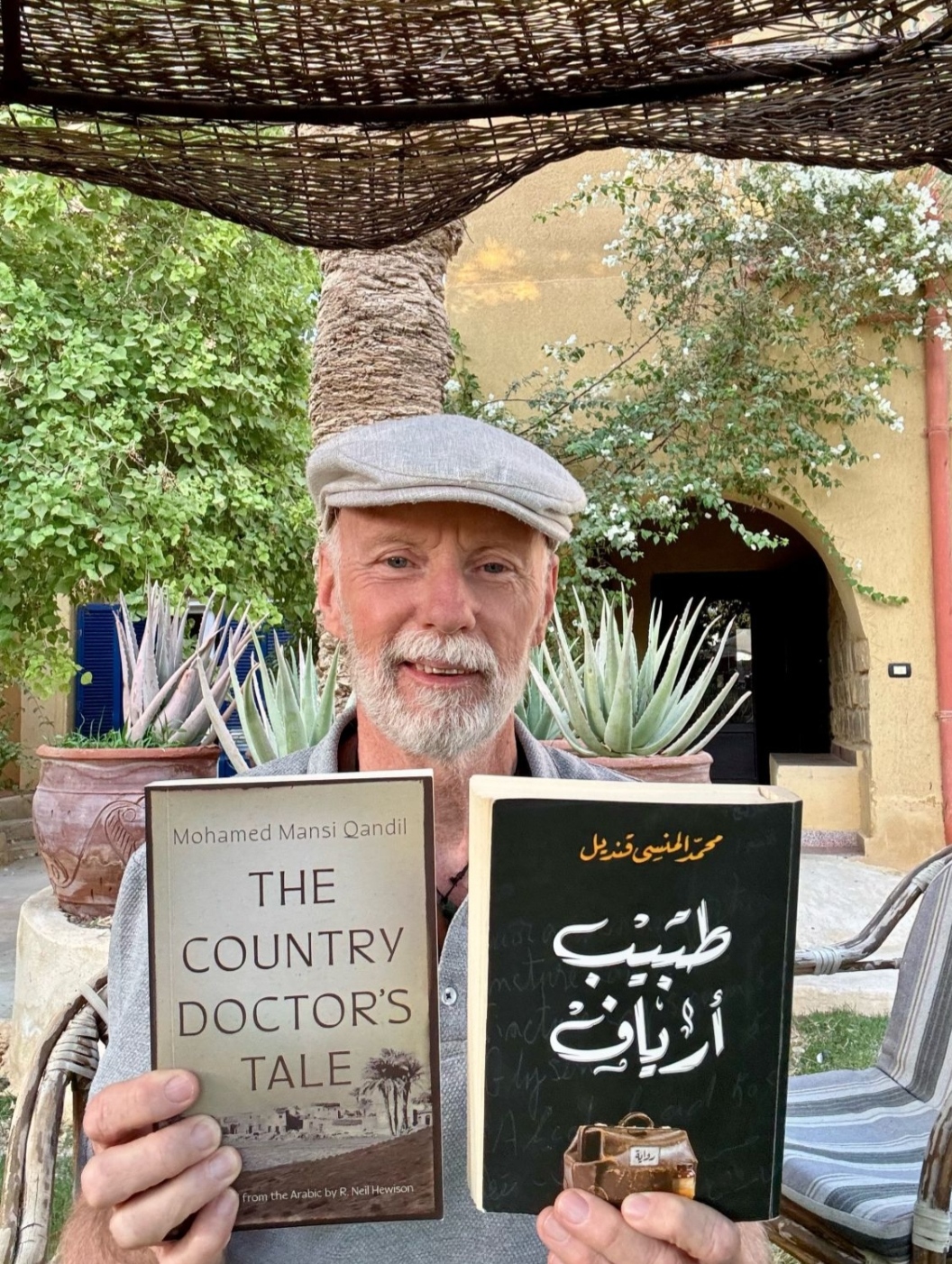
CAIRO, EGYPT — October 21, 2026 — The acclaimed Egyptian novel The Country Doctor’s Tale by Mohamed Mansi Qandil is now available to readers in Egypt and across the Middle East in a new regional edition published under the Hoopoe Fiction imprint of the American University in Cairo Press (AUC Press). Translated from Arabic into English by R. Neil Hewison, the novel brings the work of one of Egypt’s distinguished contemporary literary voices to a wider English-speaking readership in the region.

The regional publication marks an important step in expanding access to modern Egyptian fiction and strengthening the cultural exchange between Arabic literature and international readers. The book is also available to readers outside the Middle East in an edition published by Syracuse University Press.

The announcement was shared by translator Neil Hewison, who expressed his delight at the release of the Middle East edition. He highlighted the novel’s critical reception and its significance as the work of a well-known Egyptian author whose writing deserves greater international recognition in translation.

The novel has received strong praise from literary critics and reviewers. Marilyn Booth, the award-winning translator of Celestial Bodies, described it as “a gripping novel by a well-known but under-translated Egyptian author.” Asymptote Journal called it “a profound novel of medicine and oppression,” while the Asian Review of Books praised it as “a most beguiling novel, and one which deserves to be widely read.”

These assessments underscore the novel’s literary power and its capacity to connect a deeply rooted Egyptian experience with universal questions of justice, suffering, power, and human relationships.

A Young Doctor in Rural Egypt

Originally published in Arabic in 2020, The Country Doctor’s Tale follows a young physician who arrives in a remote village in Upper Egypt to reopen a long-abandoned clinic. Recently released from prison for political dissent, the doctor has been exiled from Cairo to this isolated community.

As he begins treating the villagers, he encounters the harsh realities of rural life, including poverty, inadequate medical resources, and widespread illness. His patients suffer from ailments ranging from scorpion stings and boils to the debilitating effects of bilharzia, a parasitic disease historically associated with inadequate sanitation and contaminated freshwater.

Amid these difficult circumstances, the doctor develops a relationship with a young nurse who becomes his trusted companion and offers him emotional refuge from the trauma of his past.

Through the doctor’s experiences, Qandil constructs a compelling portrait of a society shaped by unequal power relations, political repression, and entrenched social conventions. The village becomes a microcosm of wider Egyptian society, where personal struggles intersect with institutional failures and the consequences of authoritarian rule.

The novel also examines the oppression of women, the marginalization of vulnerable communities, and the corruption of public institutions. Its treatment of medicine extends beyond the clinical setting: the doctor’s encounters with his patients reveal the social conditions that produce and intensify human suffering.

The result is a work that combines the intimate drama of individual lives with a broader critique of political and social injustice.

Mohamed Mansi Qandil: A Physician Who Became a Distinguished Novelist

Mohamed Mansi Qandil is an Egyptian novelist and short-story writer whose literary work draws on history, social experience, and the complexities of Egyptian life.

Born in 1949 in El-Mahalla El-Kubra, in Egypt’s Nile Delta, Qandil graduated from the Faculty of Medicine at Mansoura University in 1975. Before dedicating himself fully to writing, he worked for approximately two years at a medical centre serving a small village in the governorate of Minya in Upper Egypt.

That experience gave him direct insight into the lives of rural Egyptians, their medical needs, economic difficulties, and social circumstances. His professional background as a physician would later inform the human observation and social realism evident in The Country Doctor’s Tale.

Qandil subsequently left medicine to concentrate on literature. His publications include short-story collections, works of nonfiction, books for children, and five novels. His writing frequently engages with the relationship between individuals and society, exploring the ways historical events, political structures, and cultural traditions shape personal destinies.

Among his best-known works is Moon over Samarqand, which received Egypt’s Sawiris Prize for Literature in 2006. The novel demonstrated his ability to combine compelling narratives with historical and geographical settings, reaching readers beyond Egypt.

Another major work, A Cloudy Day on the Western Shore, was shortlisted for the International Prize for Arabic Fiction in 2010, bringing further attention to his literary achievement.

With The Country Doctor’s Tale, Qandil returns to themes that have long informed his writing: the vulnerability of ordinary people, the moral responsibilities of individuals, the effects of political power, and the struggle to preserve human dignity under difficult circumstances.

His fiction occupies an important place in contemporary Egyptian literature, particularly through its engagement with the social realities that often remain outside the narratives of political elites and major urban centres.

Qandil lives in Cairo.

R. Neil Hewison: A Lifetime of Engagement with Egyptian Literature

R. Neil Hewison is a British-born writer, editor, and literary translator whose career has been closely associated with the development of English-language publishing and the international reception of modern Egyptian literature.

Born in Yorkshire, England, in 1956, Hewison first arrived in Egypt in 1979 to teach English. His initial professional experience in the country developed into a lifelong engagement with Egyptian society, language, history, and literature.

He spent many years working at the American University in Cairo Press, eventually serving as editorial director and associate director for editorial programmes. During this period, he contributed significantly to the publication and international circulation of Arabic literature in English translation.

His editorial work helped advance the presence of Egyptian writers in English-language publishing, while his own translations brought important works of modern Arabic fiction to new audiences.

Hewison has translated works by several prominent Egyptian authors, including Yusuf Idris, Yusuf Abu Rayya, Gamal al-Ghitani, and Nobel laureate Naguib Mahfouz.

His translations include Yusuf Idris’s City of Love and Ashes, a novel set against the political upheavals surrounding Egypt’s 1952 Revolution, and Yusuf Abu Rayya’s Wedding Night. His work demonstrates a sustained interest in the relationship between literary narrative and the social environments from which it emerges.

Beyond his translation and editorial work, Hewison is the author of The Fayoum: History and Guide, a study of the history, landscape, and cultural heritage of the Fayoum region. First published in 1984 and subsequently revised, the book reflects his longstanding familiarity with one of Egypt’s distinctive historical and geographical areas.

After retiring from his senior editorial position at AUC Press in 2017, Hewison continued his engagement with Egyptian literature and literary translation. He lives in the village of Tunis in the Fayoum, a place with which he has maintained a close connection for more than four decades.

His translation of The Country Doctor’s Tale represents another contribution to the international circulation of contemporary Egyptian fiction, bringing Qandil’s nuanced portrayal of rural society and political oppression to English-speaking readers.

Translation as a Bridge Between Cultures

The publication of The Country Doctor’s Tale in the Middle East edition highlights the continuing importance of literary translation in connecting national literary traditions with international audiences.

Translation is not simply the transfer of words from one language to another. It requires sensitivity to cultural references, social realities, narrative voice, and the distinctive rhythms of a writer’s prose. In a novel so deeply rooted in the Egyptian countryside, these challenges are particularly significant.

Hewison’s extensive experience of Egyptian society and his long engagement with Arabic literature provide a valuable foundation for bringing Qandil’s fictional world into English. His familiarity with the language and its literary traditions enables readers to encounter the novel’s characters and conflicts while retaining a sense of their particular cultural environment.

The critical response to the English translation suggests that the novel’s concerns extend far beyond its geographical setting. The relationship between healthcare and inequality, the consequences of political repression, the vulnerability of marginalized people, and the search for companionship under difficult circumstances are issues that resonate across national and cultural boundaries.

The publication also reinforces the role of the American University in Cairo Press in bringing Arabic literature to international readers. Through its Hoopoe Fiction imprint, the press publishes contemporary fiction by Arab writers in English translation, introducing readers to the region’s diverse literary voices and experiences.

The Middle East edition of The Country Doctor’s Tale, published on September 21, 2026, extends the novel’s availability to readers in Egypt and the wider region. Its international edition from Syracuse University Press further expands its reach beyond the Middle East.

Together, these editions offer new opportunities for readers, literary critics, translators, and scholars to engage with Qandil’s work.

A Story of Medicine, Power, and Human Dignity

At its heart, The Country Doctor’s Tale is a story about the limits of individual action in a society burdened by structural inequalities—and about the persistence of human compassion despite those limitations.

The young doctor arrives in the village carrying the wounds of political persecution. His work exposes him to the physical suffering of the villagers, while his growing relationship with the nurse offers a measure of emotional renewal. Yet the problems confronting the community cannot be resolved through medical treatment alone. They are inseparable from the economic deprivation, social hierarchies, and political structures that determine the villagers’ lives.

By bringing these dimensions together, Qandil transforms the story of a rural physician into a broader examination of responsibility, resistance, and the human cost of oppression.

Through Neil Hewison’s translation, this distinctly Egyptian narrative enters a wider literary conversation, demonstrating once again how fiction can illuminate the connections between individual experience and the larger forces shaping society.

The new regional edition invites readers to discover a novel that combines the immediacy of village life with a searching exploration of power, justice, and compassion—and to encounter the work of an Egyptian writer whose literary achievements merit a wider international readership.


Publication Details

  • Title: The Country Doctor’s Tale
  • Author: Mohamed Mansi Qandil
  • Translator: R. Neil Hewison
  • Original language: Arabic
  • Original publication: 2020
  • English-language publisher: American University in Cairo Press
  • Imprint: Hoopoe Fiction
  • Middle East edition publication date: September 21, 2026
  • Format: Paperback
  • Length: 312 pages
  • ISBN: 9781649036292
  • Regional availability: Egypt and the Middle East
  • International edition: Syracuse University Press
  • Related Posts

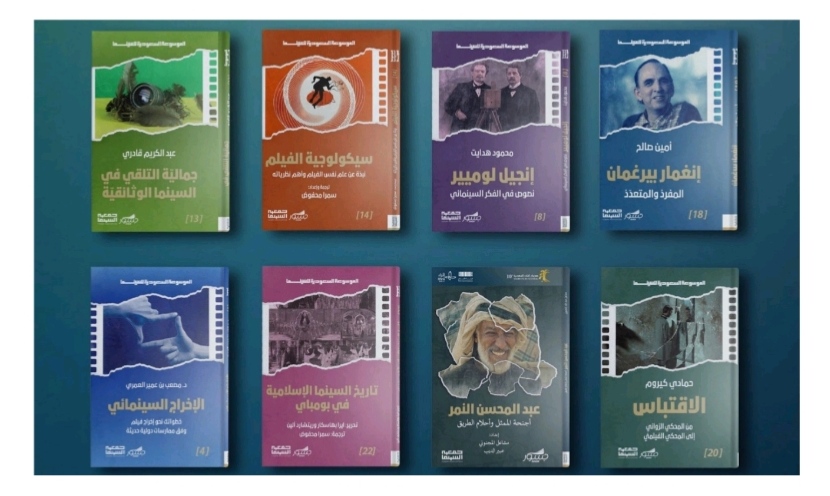
    الموسوعة السعودية للسينما: عناوين لافتة في مساحة متفرّدة 

    هاني نديم – سوريا  الشهر الفائت، كنت في مكتبة أدنبرة الشهيرة كباحث مقيم، بدعوة كريمة منهم للاطلاع على مخطوطاتهم العربية المتصلة بعملي. سألني البروفسور المستشرق ريتشارد كاين: برأيك؛ ما هي أهم موسوعة أضيفت للمكتبة العربية خلال العقد الأخير، فأجبته دون تردد “موسوعة السينما السعودية”، ذلك أنها تسدّ فجوة معرفية هائلة للقارئ العربي وتروي تعطّشاً محلياً وعربياً لعلوم السينما وحيثيات صناعتها.   في حقيقة الأمر، اكتشفت الموسوعة قبل ذلك بمدة قليلة أثناء استضافتي في مهرجان أفلام السعودية الأخير في جون الماضي، إذ وقفت على حجم الجهد المبذول في اختيار الكتاب والمترجمين والعناوين الهائلة التي تجاوزت اليوم المئة عنوان بين عمل أصيل ومترجم. وقبل أن أكتب عنها، قرأت عشرةً كتب من الموسوعة بين التأليف والترجمة، وتبينت آلية العمل الدقيق بدءاً من التحرير المميز والطباعة الجيدة والتصميم بهويته الخاصة، التقيت برئيس تحرير الموسوعة، الشاعر والصحافي السعودي عبدالوهاب العريض، لأعرف منه أكثر عن بدايات الموسوعة وآلية عملهم. كما التقيت مجموعة من المترجمين والمؤلفين العرب ممن أثروا الموسوعة بأعمالهم، لأخذ وجهات نظرهم وطريقة عملهم كلٌ من موقعه. عبدالوهاب العريض: نقدّم رؤى حقيقية لصنّاع الأفلام والمختصين    بين يدي سألته عن البدايات وفكرة الموسوعة، ليقول: “منذ انطلاقة مهرجان أفلام السعودية عام 2008، كنا ننشر كتباً سينمائية بالتعاون مع دور النشر السعودية والخليجية، وفي عام 2023 تم تدشين دار جسور الثقافة لتكون الدار المتخصصة لنشر الكتب السينمائية التي بلغ عددها ما يقارب 60 عنوانًا، ومن خلال مؤسس ورئيس المهرجان الشاعر أحمد الملا تم تشكيل لجنة خاصة باختيار الكتب، وقد حرص الزميل الملا على توحيد الكتب تحت مسمى “الموسوعة السعودية للسينما”، لتكون خلفاً لسلسلة “الفن السابع” التي كانت تصدرها وزارة الثقافة السورية، لذا كان التدشين للموسوعة عام 2024 بإصدار 27 كتاباً، واستقلت عن المهرجات حيث يتم طباعة الكتب واختيارها على مدار العام، وفي عام 2025 أصدرنا ما يزيد عن 40 كتابًا بينهم 20 كتاباً مترجماً عن الفرنسية والإنكليزية والإيطالية”. شارك في نجاح الموسوعة السعودية للأفلام عناوينها اللافتة والأسماء الموقرة التي كتبت أو ترجمت، سألت العريض عن أهم العناوين التي أضافتها الموسوعة وآلية قبول عملٍ من عدمه، ليجيب: “أن يخدم قطاع السينما، ويقدم رؤية حقيقية لصناع الأفلام، فنحن نستهدف بالدرجة الأولى صناع الأفلام في المملكة العربية السعودية والعالم العربي. ونفتخر اليوم بأننا حصلنا على حقوق ترجمة كافة المفكر الفرنسي جاك آمون، أصدرنا له ثلاثة كتب ونحن بصدد إصدار 7 كتب أخرى”. وعن تلقي القراء العرب لتلك الموسوعة يقول العريض: “لقد ملأت الموسوعة حيّزاً خاصاً للمهتمين بالسينما. تصلنا طلبات كثيرة من العراق وسوريا والمغرب، وهو ما شهدناه في معرض الرباط الدولي للكتاب عام 2025 حيث كانت مشاركتنا الأولى وكان الإقبال على الكتاب السينمائي مميزاً للغاية، وهو ما دفعنا للمشاركة في معارض الكتب المهمة بعد معرض الرياض مثل الشارقة والكويت ومسقط وغيرها”، يضيف العريض: “رغم أن التجربة ما زالت في بدايتها، ألا أننا نعمل بشكل يفوق التخيل، إذ نعمل هذا العام 2026 على إصدار ما يقارب 75 عنواناً، لمؤلفين سعوديين وعرب، وإصدارات أولية، إضافة إلى 60 كتابا مترجماً عن 7 لغات عالمية. وسيكون لدينا إضافة للغات التي سبق ذكرها أيضاً كتب من اللغة الأرمنية والبرتغالية والروسية”. د. مسفر الموسى: بنية تحتية وطنية لصناعة جديدة  عضو مجلس إدارة جمعية السينما السعودية، د. مسفر الموسى، المختص  في الأفلام الوثائقية وجماليات السينما كان أحد المختصين السعوديين ممن أثروا هذا المشروع بمؤلفاته، يقول: “أنظر إلى الموسوعة بوصفها بنية تحتية معرفية لصناعة ما تزال في مرحلة التأسيس. حين تُطلق جمعية السينما السعودية هذه المبادرة التي يتجاوز عدد إصداراتها 150 كتاباً حتى اللحظة، فإنها تريد أن تساهم في صناعة خطاب السينما السعودية النقدي بنفسها بدل أن تستعيره جاهزاً. بالنسبة لي شخصياً، كان الأثر في تغيّر الموقع؛ انتقلت من باحث يشتغل على مشروعه منفرداً إلى مساهم في عمل تأسيسي له امتداد جماعي. وهذا ما يجعلني أصفها بأنها تجربة تأسيس قبل أن تكون تجربة نشر؛ تكتب وأنت تدرك أن الصفحة التي تضعها اليوم قد يُبنى عليها لاحقاً ضمن مشروع متكامل في المنهج والرؤية”، وعن الموضوع الذي كتبتم عنه، وما الذي جعله يستحقّ هذا الحيز؟  وقد كان الفيلم الوثائقي الاستقصائي هو الخيار الطبيعي لسبب بسيط: مركزيته في تاريخ السينما التسجيلية عالمياً لا يقابلها إلا فراغ يكاد يكون كاملاً في المكتبة العربية المتخصصة. صدر الكتاب بعنوان «المدينة العارية: المرجع الشامل في الأفلام الوثائقية الاستقصائية»، وجاء في ثلاثة أجزاء، لكل جزء ثلاثة فصول، حرصت فيها على أن تكون المعاينة شاملة لا تنتقي من النوع ما يسهل تناوله. أما لماذا يستحقّ هذا الحيز، فلأن الوثائقي الاستقصائي أكبر من تصنيف سينمائي؛ إنه موقف من الصورة نفسها، من علاقتها بالحقيقة والمجتمع. وهذه أسئلة لا غنى عنها لسينما تبحث عن صوتها الخاص. أضف إلى ذلك أن اشتغالي على هذا النوع في مرحلة الدكتوراه جعل الكتاب امتداداً لمسار طويل. ولكن هل تفتح الموسوعة الباب أمام مشاريع توثيقية مماثلة لفنون أخرى؟ يقول د. الموسى: “الدرس الأهم الذي قدّمته الموسوعة أن ما كان ينقص هذه المشاريع ليس الكفاءات، فهي موجودة، بل المظلّة التي تجمع الجهود وتموّلها وتوصل نتاجها إلى القارئ. المسرح السعودي أقدم عهداً، والدراما التلفزيونية أوسع جمهوراً، وكلاهما يعاني من الفجوة نفسها: إنتاج غزير يقابله تدوين نقدي شحيح. غير أنني أتحفّظ على أي نقل ميكانيكي للتجربة. الموسوعة لم تنجح لأنها أصدرت كتباً، بل لأنها وضعت النشر في خطة ممتدة ومستمرة، بعيداً عن منطق الفعالية الموسمية. من يريد أن يكرّر التجربة للمسرح أو الدراما عليه أن يلتزم بالشيء ذاته: استمرارية، وتحرير جاد، وشراكة نشر ذات معايير جادة. وتكمن قيمتها الحقيقية أنها نقلت الكتاب السينمائي من إصدارات متناثرة إلى صناعة لها بنية واضحة: تأليف عربي وسعودي، وترجمة منهجية، وإشراف تحريري، ودعم مؤسسي، وشراكة نشر مع دار جسور الثقافة. هذا التكامل هو مصدر تفرّدها، وليس عدد العناوين مهما بلغ. سألته عن احتياجات الموسوعة لتصبح أكمل، فأجاب:  “حين أفكّر في التطوير، تحضرني ثلاثة مسارات: أن يتوسّع التأليف الأصيل في مقاربة التجربة السعودية؛ وأن تُربط الإصدارات بالجامعات وأقسام السينما؛ وأن تجد طريقها إلى منصّات رقمية وأرشيف مفتوح يضمن وصولها لمن يحتاجها. طموحي، في النهاية، أن تصير مرجعاً للباحث العربي أينما كان، وأن تتجاوز مهمة التوثيق إلى الإسهام في صياغة الوعي النقدي بالسينما”.     أمين صالح: الترجمة فنٌ لا يمكننا الاستغناء عنه  يرى الكاتب والناقد البحريني المعروف أمين صالح أن الموسوعة تأتي في ظرفٍ مواتٍ لتكون في مكان متقدم، يقول: “المكتبة السينمائية العربية فقيرة. لم تكن دور النشر تكترث بالسينما أو حتى بالفنون الأخرى. كانت الأولوية للكتب الأدبية والفكرية والدينية والسياسية. ربما لأن المؤلفين العرب لم يلتفتوا للكتابة السينمائية وانشغل المترجمون العرب بما هو أهم – في اعتقادهم – من السينما. كنا، نجد بين الحين والآخر، على بعض الأرفف، بعض المؤلفات المصرية في السينما. في لبنان كذلك. في سوريا كانت الكتب المؤلفة والمترجمة أكثر كثافة وأكثر أهمية مع اهتمام المؤسسات الرسمية بهذا المجال. شخصياً، لجأت إلى ترجمة الكتب السينمائية لأساهم بجهودي الذاتية المتواضعة في تغطية بعض هذا النقص. ثم تأسس مهرجان الفيلم السعودي ليعطي الكتاب السينمائي، منذ بداياته، اهتمامه وعنايته. وبالتدريج تصاعد عدد النتاجات المطبوعة من بضعة كتب سنوياً، إلى حوالى خمسين أو ستين كتاباً هذا العام. مثل هذه الوفرة تعبّر عن رؤية طموحة، للقائمين على إدارة المهرجان، تؤكد على أهمية وضرورة الثقافة السينمائية للعاملين في المجال السينمائي وللقراء على حد سواء. هذا العام كان كتابي ضمن موسوعة السينما السعودية، عن المخرجة البلجيكية شانتال أكرمان التي رغم مكانتها وقامتها العظيمة في الأوساط السينمائية العالمية إلا أنها غير معروفة عربياً. وشخصياً أهتم بالكتابة عن الأصوات المتميّزة التي جمهورها قليل، أو لا تكون معروفة على المستوى الجماهيري. في كتابي هذا أتطرق إلى حياة الشخصية ومسيرتها الفنية وعوالمها الخاصة والعامة، مع التركيز على أفلامها. وعبر هذا كله، أحاول أن أحرّض القارئ على مشاهدة أفلامها، والتحاور مع تجربتها الثرية والمتنوعة. إن الكتب المترجمة ضمن الموسوعة هي مهمة ومفيدة جداً وتتسم بالجدّة والتنوع. كما أنها تغطي نقصاً كبيراً تعانيه المكتبة السينمائية العربية، حيث قلة الكتب المترجمة في مجال السينما. ولا يمكننا التقليل من شأن الترجمة أو الاستغناء عنها، فلولا الترجمة لما تحقّق التواصل الإنساني بين البشر، وبالتالي التفاعل والتلاقح والتأثر. بالترجمة نتعرف أكثر على الرؤى والأفكار والأحلام والطموحات التي تزخر بها الثقافات الأخرى. من هنا جاء اهتمام الموسوعة السينمائية بالترجمات، وتشجيع الكتّاب على خوض هذه التجربة الهامة والحيوية”.   سمر دياب: الموسوعة لبنة أساسية في بناء مكتبة سينمائية عربية  الشاعرة والمترجمة اللبنانية سمر دياب، شاركت في الموسوعة بأعمالها المترجمة عن الإسبانية، تقول: “تكمن أهمية موسوعة السينما في كونها مشروع ثقافي ومعرفي يتجاوز فكرة التوثيق التقليدي إلى بناء مرجع علمي يوثق المفاهيم، والاتجاهات، والتيارات، والأفلام، وصنّاعها ضمن إطار أكاديمي منظم يواكب تطور الدراسات السينمائية عالمياً، ويقدم للقارئ والباحث مادة تجمع بين الأصل النظري والانفتاح على أحدث المناهج النقدية، العلمية والفلسفية. وفي ظل محدودية المراجع العربية المتخصصة، تكتسب هذه الموسوعة قيمة استثنائية بوصفها خطوة نحو ترسيخ ثقافة سينمائية قائمة على ترجمات البحث والتحليل واكتشاف علاقات جديدة بين العلوم والفلسفة والفن، لا على التلقي والانطباعات. أستطيع القول أن الموسوعة السعودية للسينما هي تجربة واسعة تستدعي تكامل الخبرات، وتؤكد أن المعرفة السينمائية مشروع تراكمي يحتاج إلى الترجمة، والتأليف، والتوثيق، والحوار بين مختلف التخصصات. ومن هنا، لا يمكن النظر إلى الموسوعة باعتبارها إصداراً ثقافياً فحسب، بل بوصفها لبنة أساسية في بناء مكتبة سينمائية عربية قادرة على مواكبة التحولات الفكرية والجمالية التي يشهدها الفن السابع، والإسهام في إنتاج ونقل المعرفة السينمائية للغة العربية. أما عن كتابي “الحتمية في السينما” فقد جاء اختيار الموضوع انطلاقاً من الحاجة إلى تناول أحد الحقول التي تشهد تطوراً متسارعاً في الدراسات السينمائية المعاصرة، وهو العلاقة بين السينما والفلسفة، وما نتج عنها من مقاربات جديدة لفهم الصورة والزمن والسرد والوعي. ووقد رأينا في الكتاب إضافة مهمة لأنه يناقش الكيفية التي تعكس بها الأفلام تصورات فلسفية عميقة حول مفاهيم السببية والإرادة الحرة والحتمية والبدايات والنهايات، بينما يذهب كتاب مثل “الشاشات الكمية” وهو كتاب قيد الترجمة، إلى أفق أكثر حداثة، إذ يدرس العلاقة بين البنية السردية والتمثيل البصري من جهة، وبعض التصورات المستمدة من فيزياء الكم من جهة أخرى. هذه الموضوعات لم تعد هامشية، بل أصبحت جزءاً من النقاش الأكاديمي العالمي حول مستقبل اللغة السينمائية وأدوات تحليلها، ولذلك فإن حضورها في الموسوعة يسهم في توسيع أفق المعرفة السينمائية العربية وربطها بالاتجاهات البحثية الحديثة.…

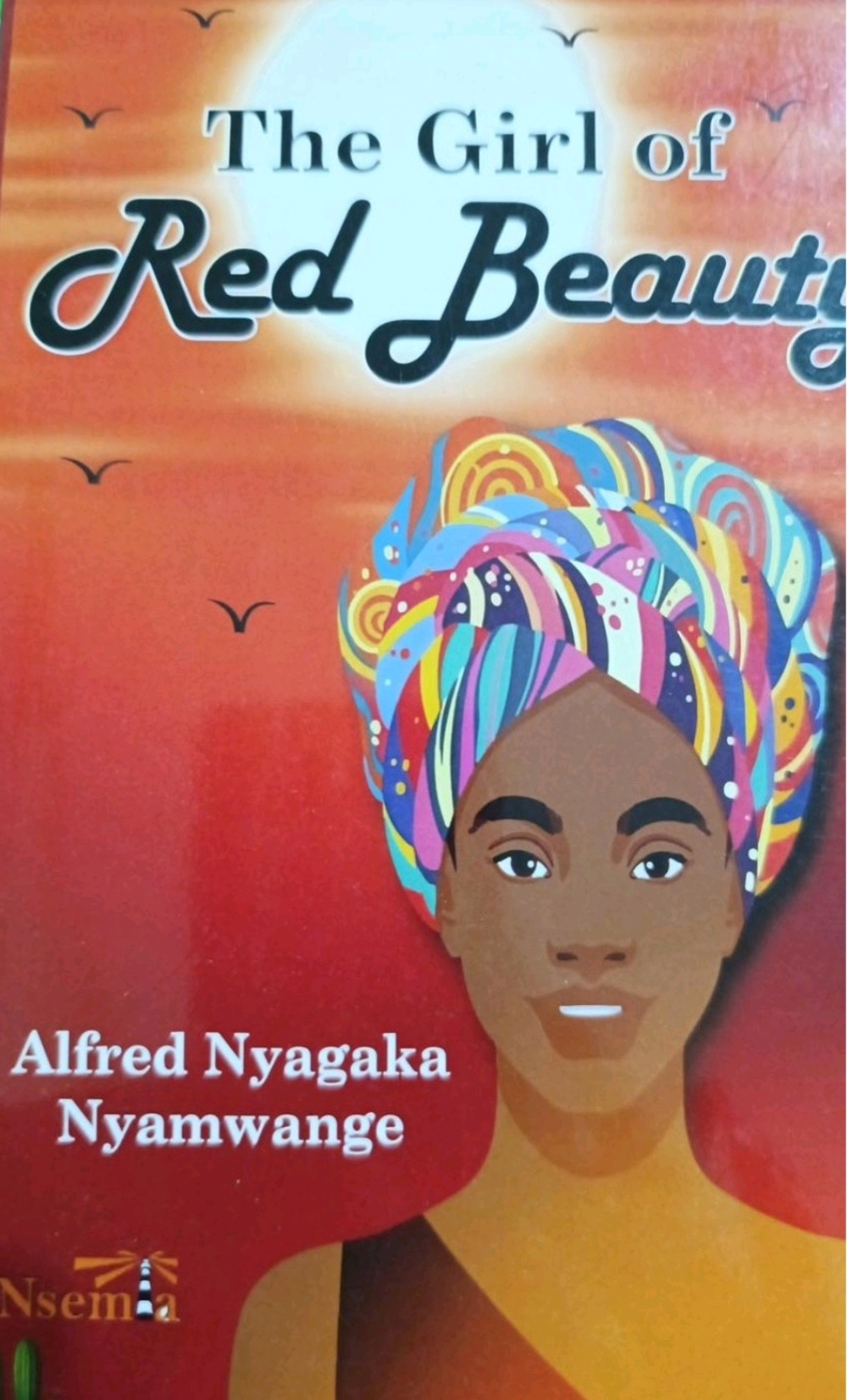
    A Look at Alfred Nyagaka Nyamwange’s Collection of Books

      THE GIRL OF RED BEAUTY  What does it mean to belong to a people, and how can a community preserve its identity when the voices of its ancestors begin to fade beneath the pressures of modernity? In The Girl of Red Beauty, Alfred Nyagaka Nyamwange invites readers into the cultural universe of the AbaGusii through a sustained poetic engagement with the community’s oral traditions, beliefs, social practices and philosophies. Presented in thirteen chapters of verse, the work draws upon songs, proverbs, sayings, stories, play games and the rhythms of everyday life in the Gusii highlands. Its poetic world follows the human journey from birth and childhood through initiation and marriage to old age and death. Along the way, it evokes relationships between individuals, families, the land, the ancestors and the divine. The girl at the centre of the work becomes a poetic point of entry into a much wider cultural landscape: a world shaped by communal memory, inherited wisdom, social expectations and changing relationships. The collection is distinctive in its creative negotiation between written poetry and African orature. Its language draws on indigenous expressions and direct translations from EkeGusii, bringing local imagery and proverbial thought into English. Songs, performance rhythms and the imagined presence of the lyre and drum give the written verse an oral energy, inviting readers not merely to observe the culture but to hear, sing and imaginatively participate in it. The Girl of Red Beauty is both a literary work and an act of cultural remembrance. It does not present tradition as a museum piece; rather, it opens a space for considering cultural continuity, the tensions between inherited practices and contemporary life, and the responsibility of transmitting indigenous knowledge to future generations. Rooted in Gusii experience yet attentive to wider questions of identity and belonging, the book offers international readers an encounter with the imaginative resources of an African community. A poetic celebration of identity, a preservation of memory and an invitation to return to the living sources of cultural knowledge. THE FOOTFALLS OF MY HEART  Love may begin with attraction, but in a traditional community its consequences reach far beyond two individuals. In The Footfalls of My Heart, Alfred Nyagaka Nyamwange presents a narrative poem that explores courtship and marriage in the cultural world of the AbaGusii, giving particular prominence to the voice, perspective and agency of the bride. The poem centres on Gechemba and Rimura. Rimura is a celebrated warrior and prospective groom whose reputation, strength and determination do not automatically guarantee success in love. Gechemba is a young woman who observes, questions, teases and responds to the man seeking her affection. Through her perspective, the reader encounters the emotional play of attraction, hesitation, playful resistance and growing attachment. The courtship becomes a spirited exchange in which wit and persuasion matter alongside status and material wealth. Beyond the romantic encounter, the work traces the social processes through which marriage connects families and lineages. It evokes the meeting between prospective partners, family introductions, negotiations over bride wealth, preparations, marriage rituals, songs, communal celebrations and the incorporation of the bride into a new household. Cattle and other forms of bride wealth carry meanings that extend beyond payment: they express commitment and create networks of relationships between families. The poem is rich in EkeGusii expressions, proverbs, indigenous imagery, humour and the rhythms of oral performance. It draws on cultural memory while allowing readers to consider the values and tensions embedded in marriage practices. The bride’s voice is especially important: she is not simply an object of pursuit but a participant whose response, judgement and choice shape the unfolding relationship. As a companion to The Girl of Red Beauty, this work extends Nyamwange’s poetic exploration of Gusii cultural life. Where the earlier poem approaches the community through a girl’s growth and the wider cycle of life, The Footfalls of My Heart foregrounds the woman’s perspective in the journey towards marriage and family continuity. A warrior pursues; a woman responds and chooses; families negotiate; a community gathers. The Footfalls of My Heart is a poetic exploration of love as both an intimate emotion and a communal bond. THE BROKEN COLUMN  What happens when a society’s established ways of life encounter forces that challenge its institutions, beliefs and sense of identity? The Broken Column by Alfred Nyagaka Nyamwange is a historical and cultural novel set in the world of the AbaGusii, tracing the experiences of a warrior and the wider transformations of his community. At the centre of the narrative is Okeyo, a young man renowned for courage, physical strength and exceptional skill. His reputation as a warrior places him within a social order that values protection, honour, responsibility and service to the community. Yet Okeyo’s life is not a simple succession of heroic achievements. His relationships, personal struggles, choices and encounters with adversity expose the vulnerabilities beneath the public image of the fearless warrior. His destiny is shaped by the demands of his calling and by the changing circumstances of the society around him. The novel evokes a community organised through kinship, village life, ancestral expectations, warrior traditions and collective obligations. Its landscape is not merely a backdrop: it is a lived environment in which cattle, homesteads, social relations and communal security carry cultural significance. Okeyo’s experiences intersect with those of other people, particularly the women whose presence and decisions influence his path. A profound historical change gathers around this personal story. The arrival of foreign authority, missionary Christianity and colonial power unsettles the foundations of the community. Established loyalties are questioned; inherited practices encounter new religious and political claims; and individuals must negotiate the competing demands of continuity, resistance and accommodation. The meaning of courage itself becomes uncertain as the society confronts a future it cannot fully control. The Broken Column therefore operates on two connected levels: it is the story of a man whose life contains both achievement and vulnerability, and the story of a people experiencing a difficult historical transition. Through its engagement with masculinity, identity, power, faith, tradition and colonial encounter, the novel invites readers to consider what happens when the structures that sustain a community begin to fracture.…

    اترك تعليقاً

    لن يتم نشر عنوان بريدك الإلكتروني. الحقول الإلزامية مشار إليها بـ *