 thesilkroadtoday
Amman, Jordan – November 2026
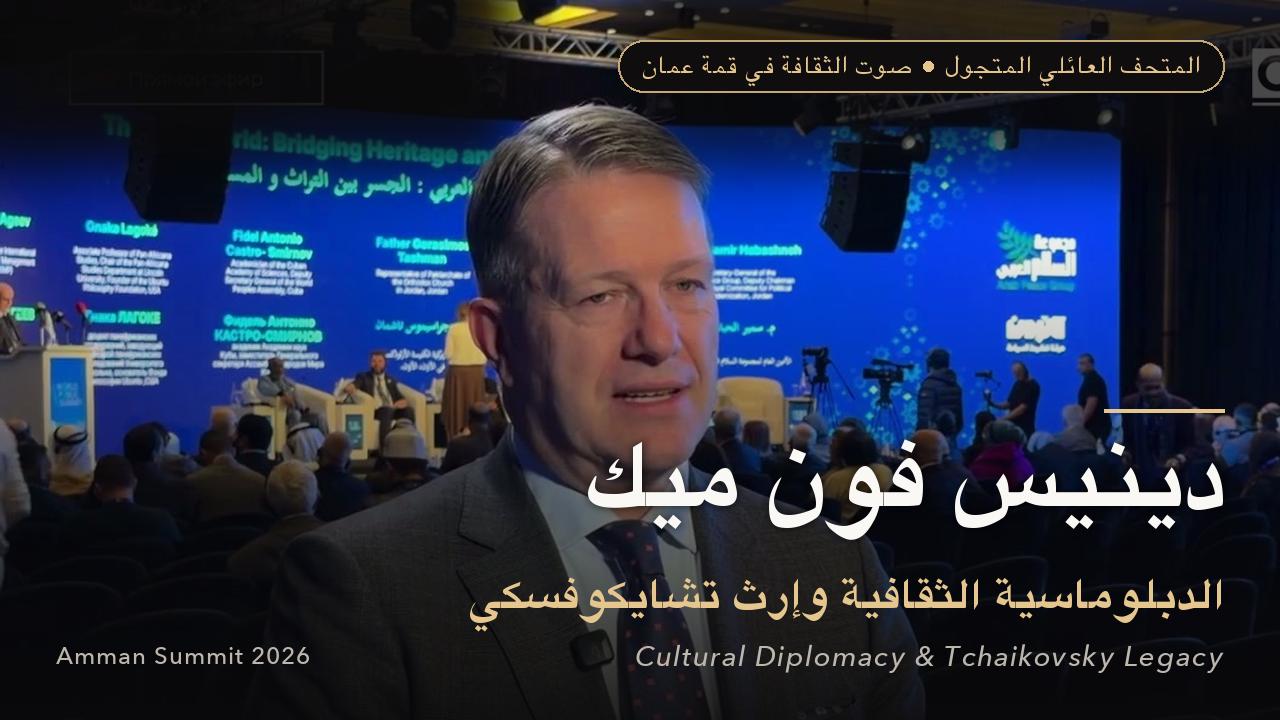
A new chapter in international cultural diplomacy and literary cooperation began during the First World Public Summit, entitled “Arab World: Dialogue, Cultural Heritage and Partnership for Our Common Future,” held in Amman, Jordan, on November 9–10, 2026, with the participation of the World Peoples Assembly and the Arab Peace Group.
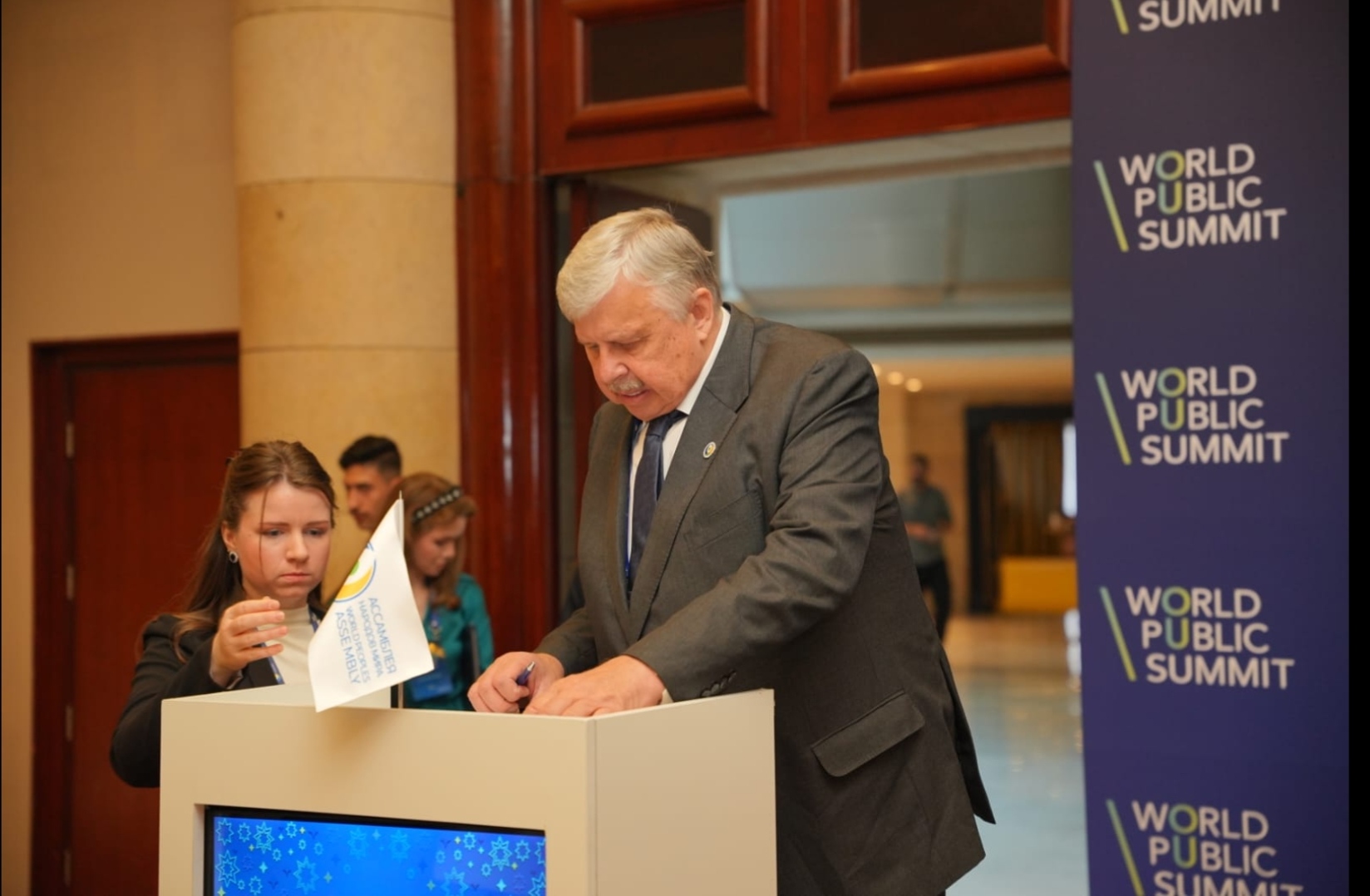
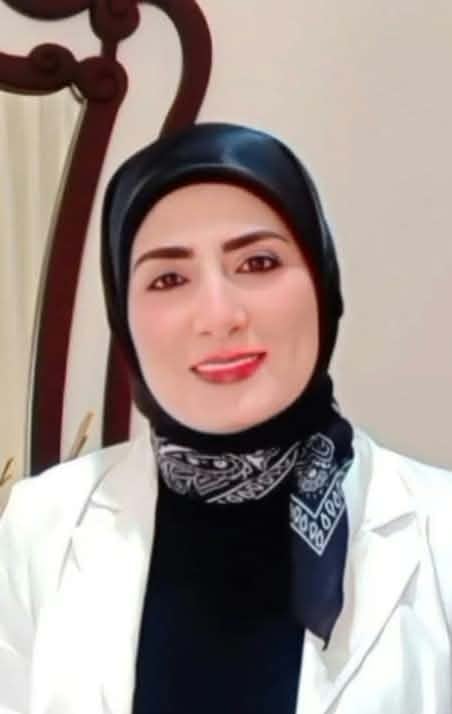
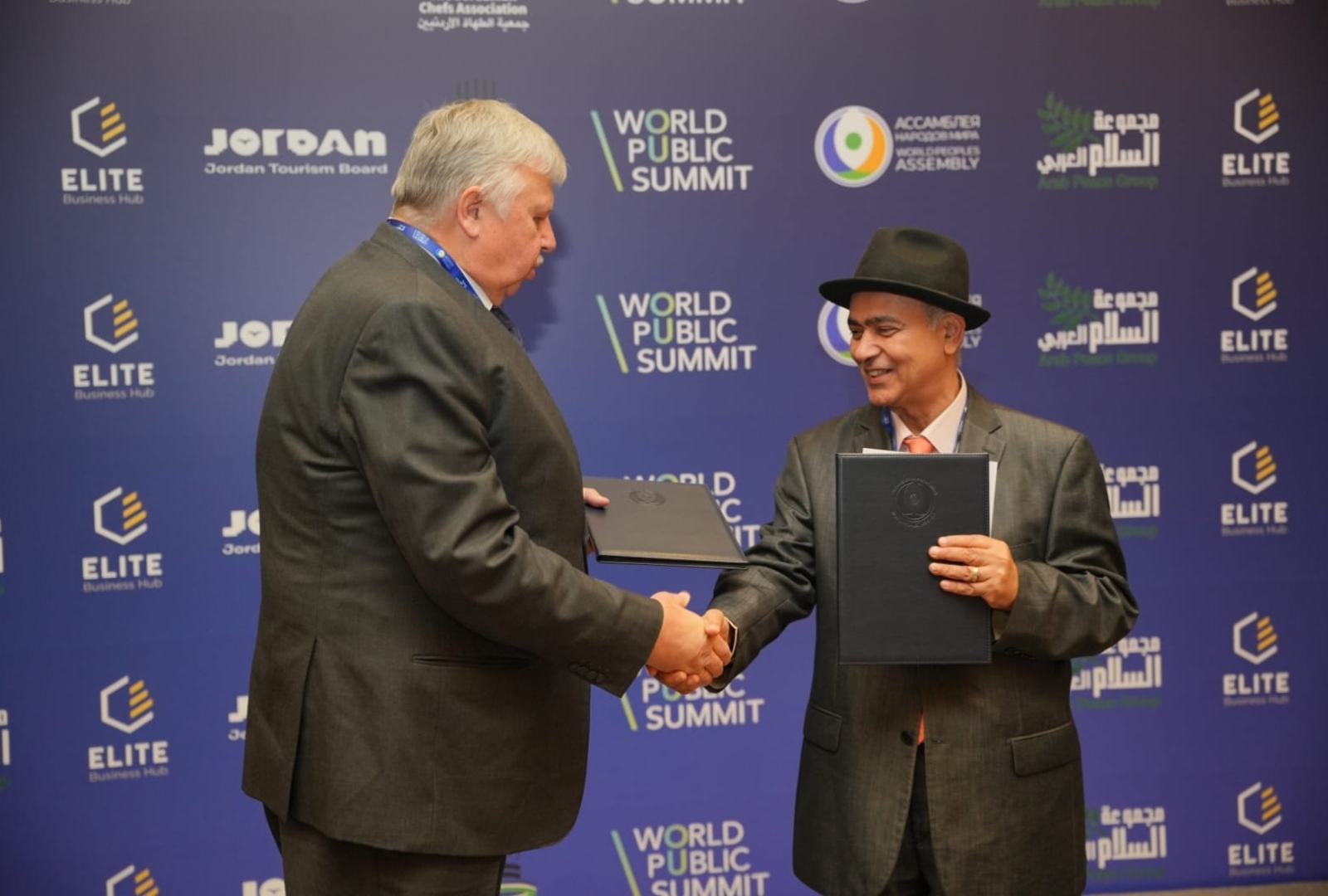
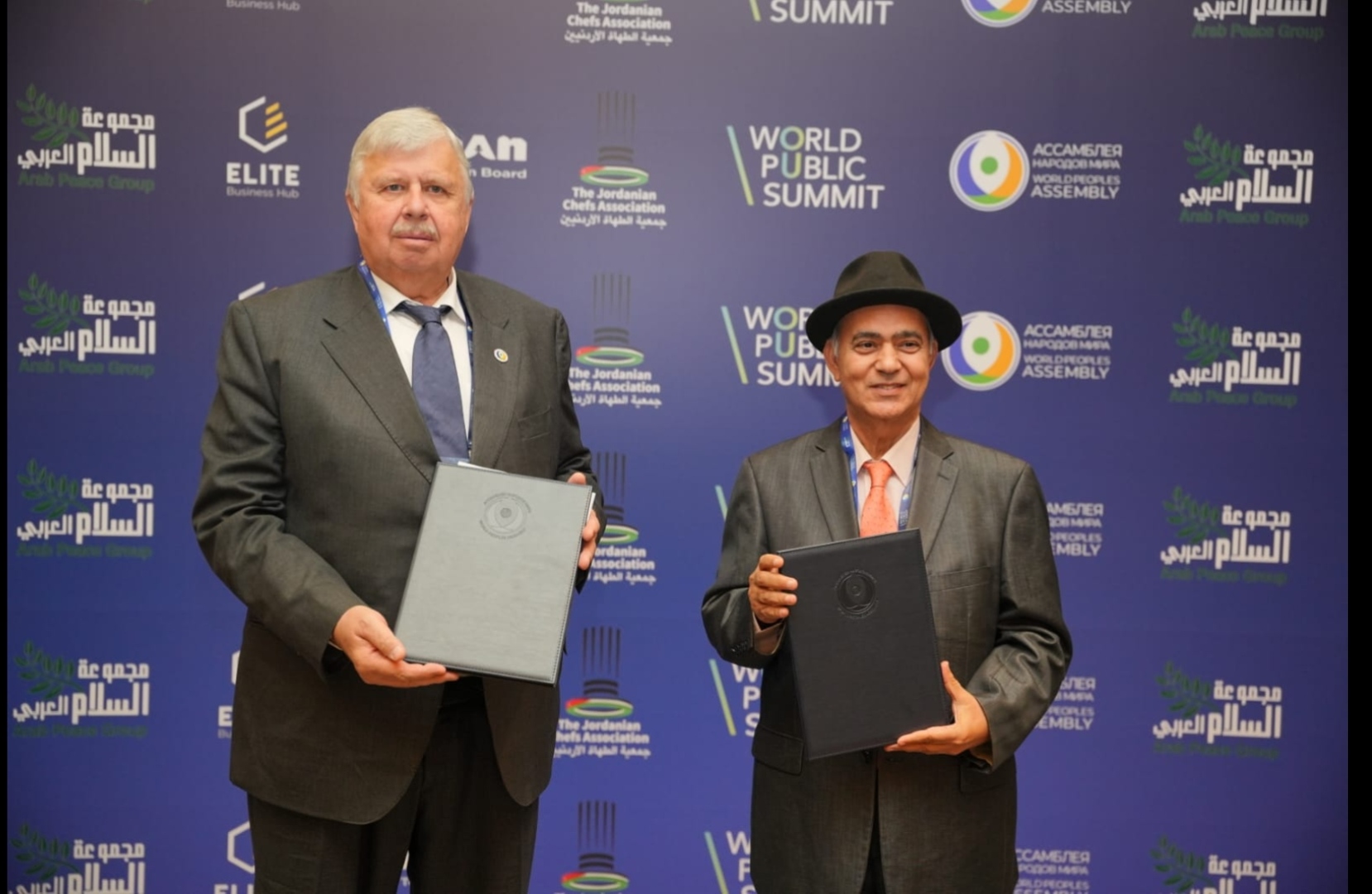
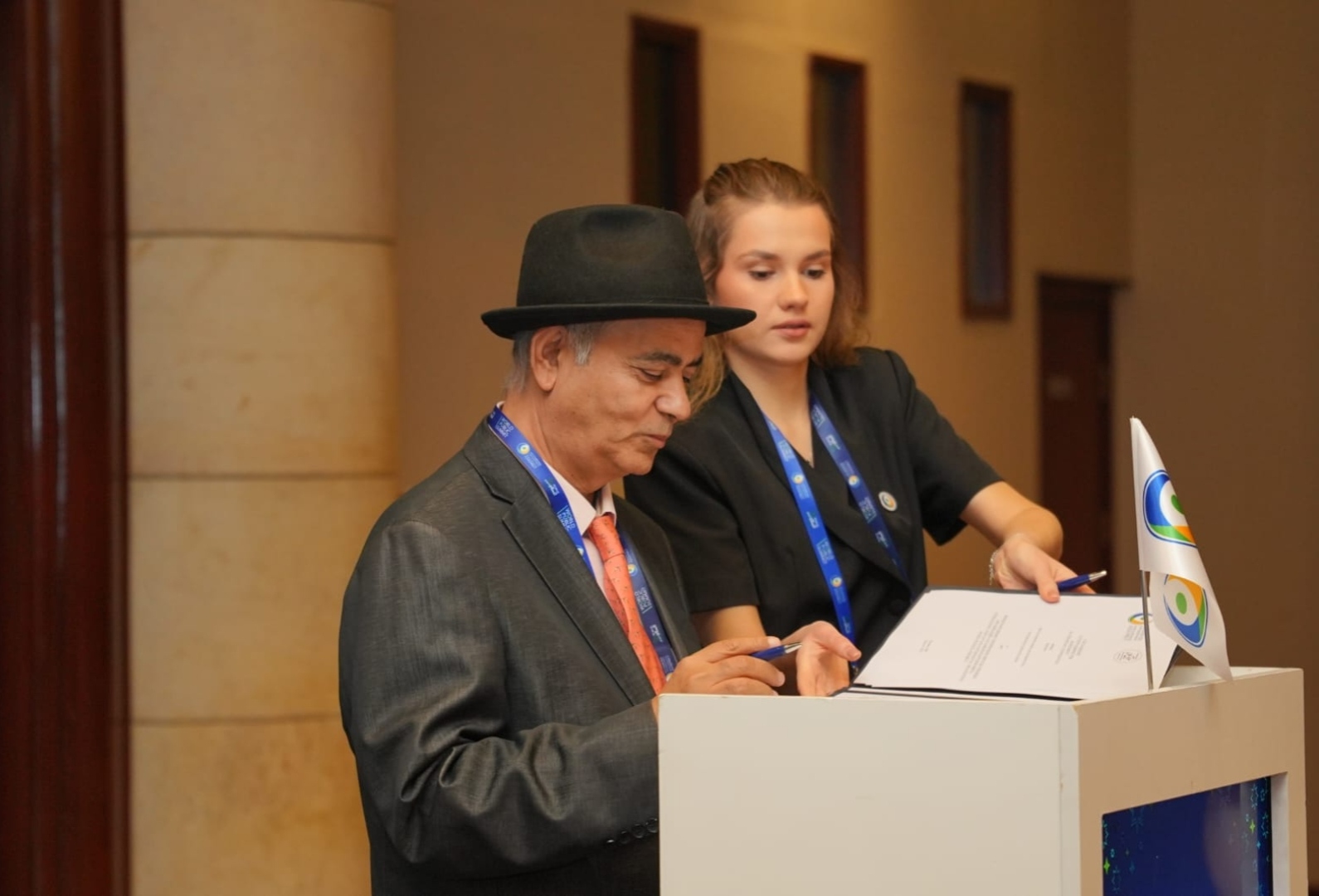
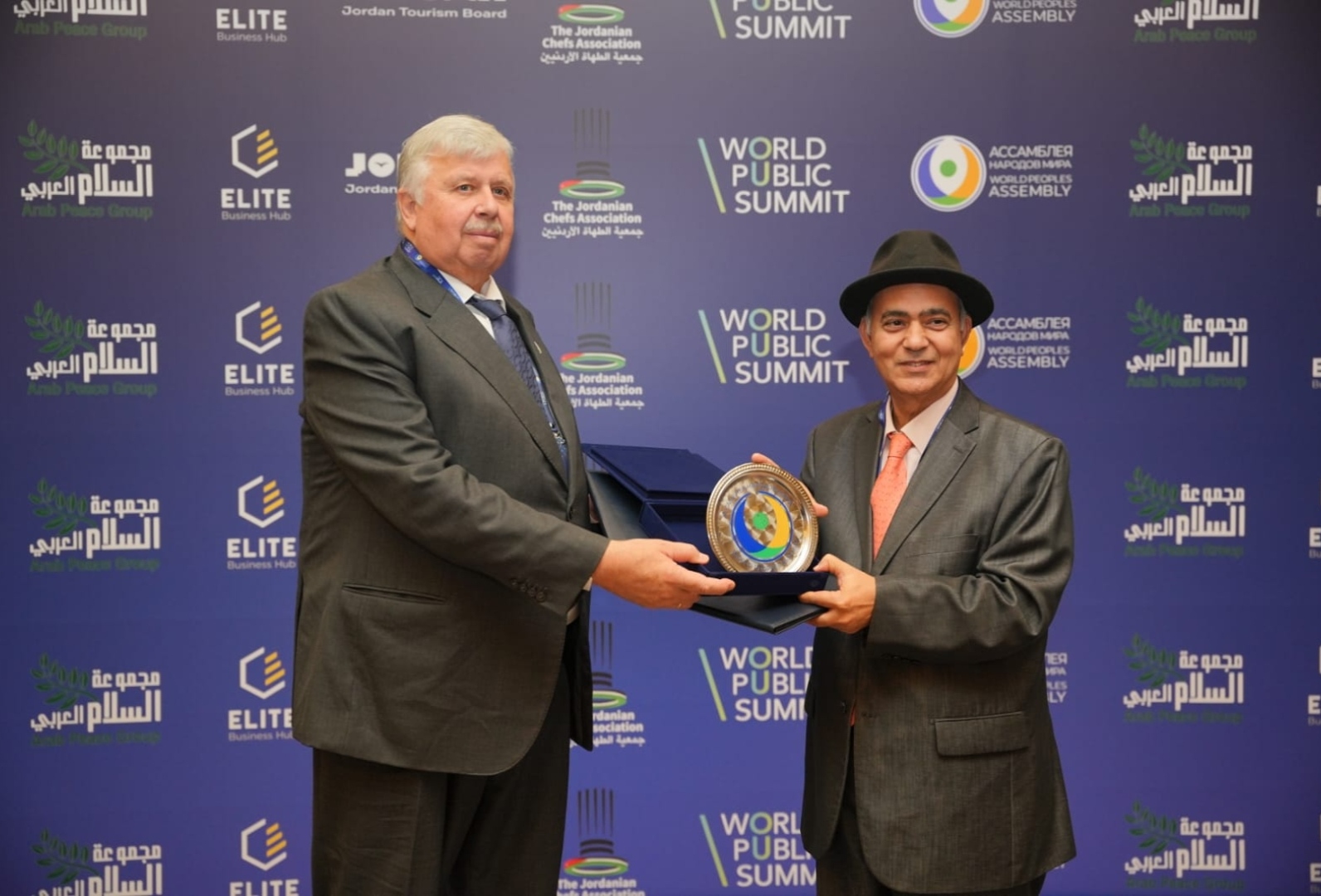
On the sidelines of this international gathering, a Strategic Cooperation Agreement was signed between the Silk Road Literature Series, represented by its Editor-in-Chief, Dr. Ashraf Abouelyazid Moursy Eldaly (Ashraf Dali), and the International Union of Non-Governmental Organizations “World Peoples Assembly”, represented by its Secretary-General, Andrey Yurievich Belyaninov.
The agreement establishes a framework for long-term partnership, bringing together two initiatives that share a commitment to intercultural dialogue, international understanding, and the promotion of human values through cultural and intellectual exchange.
The partnership aims to develop cooperation through mutual consultation, information and expert support, the exchange of international contacts, and the organization of joint activities. These may include international forums, conferences, roundtable discussions, literary gatherings, exhibitions, book presentations, cultural festivals, and other multilateral initiatives. Both parties also intend to strengthen their international partnership networks and promote activities that encourage communication among peoples and cultures.
A Global Assembly Built on People’s Diplomacy
The World Peoples Assembly has developed from an initiative for international humanitarian dialogue into a global platform for public diplomacy. Its institutional roots date back to 2017, when the First Congress of the Eurasian Peoples Assembly was held in Moscow, bringing together more than 2,500 participants from 67 countries. Initially established to strengthen cooperation among Eurasian peoples, the organization expanded its geographical and humanitarian scope in 2024 to include Africa. In May 2025, it adopted its present name, World Peoples Assembly, reflecting its broader international mission.
Today, under the leadership of Secretary-General Andrey Belyaninov, the Assembly promotes dialogue among nations, civilizations, civil society organizations, cultural institutions, and international partners. Its initiatives include the World Public Summit and regional gatherings designed to explore shared challenges and build partnerships for a peaceful and sustainable future.
A Decade of Connecting Cultures Through Literature
Founded in Cairo in 2016 by Dr. Ashraf Dali, the Silk Road Literature Series emerged from more than 25 years of international travel, literary engagement, and cultural journalism. Its foundation was preceded by the publication of The Silk Road Encyclopedia at Bibliotheca Alexandrina in 2011 and the Silk Road literary seminar organized by Al-Arabi magazine in 2014.
Over the past decade, the series has developed into an international publishing and cultural initiative, introducing writers and literary traditions from Asia, Africa, Europe, and other regions to Arabic-speaking readers and bringing Arabic literature to international audiences through translation and publication.
Its philosophy considers literature and translation essential bridges between civilizations, giving writers from different linguistic and cultural backgrounds opportunities to meet, exchange ideas, and discover their shared human experiences.
The agreement represents an important step towards connecting the Assembly’s international public diplomacy network with the Silk Road Literature Series’ literary and publishing experience.
Here is an additional passage of approximately 150 words, expanding on provisions of the agreement that were not covered in the original press release:
**Coordination, Principles and Future Implementation**
Beyond its cultural and organizational objectives, the agreement establishes practical principles for managing the partnership. Both parties commit to openness, equality, reciprocity, mutual benefit, and respect for each other’s interests, while retaining the possibility of expanding cooperation to include additional organizations and international partners by mutual consent.
The agreement also provides for direct communication between the parties’ teams, departments, affiliated organizations, and supported project entities. Regular coordination and review meetings may be held, bringing together their leaders and authorized representatives to assess progress and identify new opportunities for collaboration.
Particular attention is given to confidentiality, requiring written approval before publishing joint statements or materials related to the agreement. The document also includes provisions on anti-corruption and compliance with applicable legislation in Egypt and Russia.
Initially valid for one year from the date of signature, the agreement is automatically renewable annually unless either party gives written notice of termination within the stipulated period. It provides an institutional framework for developing future initiatives through mutual understanding and consultation.
Suggested placement: Insert this passage after the paragraph describing the areas of cooperation and before the section about the history of the World Peoples Assembly.
By combining institutional cooperation with the universal language of literature, both partners seek to transform cultural dialogue into practical initiatives, opening new opportunities for writers, publishers, intellectuals, and cultural organizations worldwide
The Silk Road continues—not merely as a historical route connecting territories, but as a living bridge connecting peoples, ideas, and the future of humanity.