Trending News:EgyptThe Silk Road Literature Series and World Peoples Assembly Sign Strategic Cooperation Agreement in Ammanالناقدة والروائية سماح خليفة: امرأة وجدت في الأدب مساحة لفهم العالم ومساءلتهالفن والثقافة والإبداع: إصدار الخريف المنتظر لعام 2026 من «100 مشروع إبداعي – الفن في الواجهة»سحر زمان تستضيف لقاءً أدبياً خاصاً حول مذكرات الكاتبة الفلسطينية حنان عواد بترجمة أشرف أبو اليزيدSahar Zaman Hosts a Special Literary Encounter on Palestinian Writer Hanan Awwad’s Memoirs, Translated by Ashraf Aboul-YazidАлександра Очирова представляет книгу «Русский космизм: Память» на трёх языкахألكسندرا أوتشيروفا تقدم كتاب «الكونية الروسية: الذاكرة» بثلاث لغاتAlexandra Ochirova Presents Russian Cosmism: Memory in Three LanguagesLoving You at the Speed of a Snail Travelling Around the WorldBenjiman Blue: The Streets Between WorldsLA GAONESA: Poems of Life, Love and Longingد. حنان عواد تتسلم الميدالية الذهبية وعضوية منظمة كتاب العالم في ختام الجلسة الأدبية للقمة العربية في عمّانمقال أدبي | السير في صحبة الجنياتالرجل الذي نسي أنه يموتالثقافة جسر بين الشعوب: قمة عمّان تناقش الذاكرة التاريخية والحوار الحضاري For an African Literary Sovereignty Open to the Worldالخيالات الأفريقية والعالمية تحتفي بها الرباطThe Pokhrelian Stanzas: A Manifesto for Compact Syllabic Verse في حب تونس … حوار المشاهد والشواهد الشاعر والسهوب والإنسان: قراءة نقدية في العالم الشعري لأولوغبيك يسداوليتوفA Journey Beyond Earth: Meeting Russian Cosmonaut Oleg Skripochka in Ammanقادة الدبلوماسية الشعبية يعرضون مشروعاتهم في القمة العالمية للشعوبالتراث الروحي بوصفه فضاءً للحوار محور نقاش في القمة العالمية للشعوب: العالم العربيسلاف … نهر على سفردكتور عبد الحليم نور الدين.. حين يصبح الإنسان أثرًا لا يمحوه الزمنمجلة «سُلاف» الثقافية اليمنية تحتفي بمرور عامين على انطلاقتهاالموسوعة السعودية للسينما: عناوين لافتة في مساحة متفرّدة АЛЕКСАНДРА ОЧИРОВА: ЧЕЛОВЕК ДОЛЖЕН УМЕТЬ ЗАЩИЩАТЬ СВОИ ЦЕННОСТИALEXANDRA OCHIROVA: A PERSON MUST BE ABLE TO DEFEND THEIR VALUESألكسندرا أوتشيروفا: يجب على الإنسان أن يكون قادراً على الدفاع عن قيمهA Look at Alfred Nyagaka Nyamwange’s Collection of BooksDance in Silence, Poem by Anwar Rahimالشاعرة القطرية سعاد الكواري تشيد بمبادرة «100 مؤلف، 100 كتاب»From Russia to Humanity: Alexandra Ochirova’s Russian Cosmism: Memory Brings Author, Translator and Intellectual Dialogue Together in Ammanحوار مع جويا لوماستي: العقل المدبر وراء مشروع 100 مؤلف. 100 كتابInterview with Gioia Lomasti: The Mind Behind 100 Libri d’Autoreآية دغنوج في حضرة الموجيCommemorative Anthology Honouring Dashdorg Natsagdorj Presented to Mongolia’s Iconic PoetsWorld Peoples Assembly Scientific and Expert Council Brings Global Initiatives to the Arab World: From Vision to Joint Programs and ProjectsPublic Diplomacy in Action: International Leaders Explore the Path from Dialogue to Sustainable Partnerships in AmmanThe Arab World: Bridging Heritage and the Future – International Leaders to Explore New Horizons of Cooperation at the First World Public Summit in AmmanAmman Hosts the Official Opening of the First World Public Summit: Dialogue, Cultural Heritage and Partnership for a Common FutureLiterature and the Future Human Being: World Organization of Writers Hosts International Literary Salon in Amman“Russian Cosmism. Memory”: Alexandra Ochirova Presents Her Multilingual Book at the First World Public Summit in AmmanPublic Diplomacy Leaders Present International Initiatives at the First World Public Summit in Ammanالمنظمات غير الحكومية والعمل التطوعي والخيري: تعزيز المجتمع المدني والتنمية المجتمعية في العالم العربيNGOs, Volunteering and Charity: Strengthening Civil Society and Community Development Across the Arab Worldمن المعرفة إلى العمل: المنتدى الدولي للشباب في عمّان يدفع نحو جيل جديد من التعاون العالميFrom Knowledge to Action: International Youth Forum in Amman to Advance a New Generation of Global Cooperationالأرض المقدسة والعالم العربي: التراث الروحي جسرٌ للحوار والسلامThe Holy Land and the Arab World: Spiritual Heritage as a Bridge for Dialogue and PeaceThe Skull of LiteratureLeonid Selemenev Discovers Remarkable Artistic Works During Visit to the Likhachev Centerالشاعر السعودي رائد الجشي يمثل الشعر العربي في معرض «وفرة الخريف.. هبة الحب» بمدينة شنغهاي الصينيةالفن يجمع النساء : 115 فنانة من 115 دولة يلتقين في دبيART CONNECTS WOMEN 2026: 115 Women Artists from 115 Countries Come Together in DubaiNepalese Writers Keshab Sigdel and Dr. Ram Dayal Rakesh to Receive Prestigious SAARC–FOSWAL Literary Awards in New Delhiزارع البطيخ … رسالة العمل وتبعاتهNO KEYS THERE: Cairo as an Absurd Theatre of Love, Satire, and Hidden Truths«أخطر فيلسوف سياسي في الغرب»«زعتر وميرمية».. مهرجان فلسطيني في القاهرة يحتفي بالهوية والثقافة والفنونCook for World: Bringing AI Technology to Life with a Touch of ‘Beautiful Heart’Cuba Opens Its Doors to the World’s Writersالفنانة التشكيلية منة طارق: الرسوم ليست مجرد زينة للنصHomer: The Timeless Models of the Heroأيام العمر | سيرة يرويها الفنان د. كمال هاشمالإمبريالي لأحمد المؤذن يحظى بإقبال لافت في معرض الشارقة الدولي للكتابجلال الدين السيوطي يفتخر: أبي عربي… وأخوالي شراكسةمتحف دارنا يحتضن لقاءات ثقافية وفنية توثق إبداع الفنانين وتكرّم الذاكرة الإنسانية Poets from Across the Mongolian World Pay Tribute to Literary Icon Dashdorjiin Natsagdorj حريرٌ وياقوتٌ وألفُ مصباح (قصيدة من الهند)Poetry, Friendship and Cultural Exchange Come Together at Museo Moda in IstanbulFrom the Faculty of Archaeology to the Universities of the World: A Journey Through Egypt, History, and Humanityمن كلية الآثار إلى جامعات العالم: رحلة في حب مصر والإنسانمنتصف الأبد… ريتا نجيب نفاع تحتفي بخمسين عاماً من التجربة في كتاب يكتب ما لا يُقالالموت برهة… وقصص أخرىأن نكتب القراءة«البلاغة بالتفصيل».. هاني نديم يكتب تاريخ العلاقة بين الشعر والأزياء في كتاب مصوّرA SEASON OF TOGETHERNESS, A CELEBRATION OF BELONGINGThe Fierce Fight Within A Poetic Voice from Mongolia: Chimede Tumendemberelدكتور حسين عبد البصيرالفنانة التشكيلية آية عادل خميس: التذوق الجمالي مصدره التفاعل مع الفنان الحقيقي«نَفْس» بديع وأنيق… من أذربيجانFilm Africa Network Announces 16 Screenings Across 10 African Countries and Territories100 Libri d’Autore – Volume 2: An International Literary Journey Bringing 100 Authors and Their Books Togetherجمعية شعوب العالم وجامعة الدول العربية تعززان التعاون والدبلوماسية الشعبيةPAWA TO LAUNCH UK CHAPTER IN LONDON ON NOV 27 2026Russian-Chinese Cultural Relations Discussed at the Central House of Scientists in Moscowمتحف دارنا يحتفي بالفنان السريالي الكبير الدكتور محمود خفاجي ويطلق اسمه على قاعته الأولىBotswana International Poetry Festival 2026 to Bring Together Global Poetic Voices in a Six-Day Celebration of Literature, Cultural Heritage and Environmental Awareness Poets and cultural figures from Botswana, South Africa, Greece, Spain, Kurdistan and other parts of the world will gather in Molepolole from 23 to 28 November 2026مع الفنانة التشكيلية رحاب فاروق: أحمل شغفًا بالفنون والتراث والكتابة Literature Builds Bridgesالعجل (قصة من أذربيجان)الكَوّنُ في ذاتِهِ (قصيدة)موسكو تحتفي بالفن الأفريقي: جمعية شعوب العالم تفتتح سلسلة من المعارض تمهيدًا للقمة الروسية الأفريقية الثالثة
Trending News:EgyptThe Silk Road Literature Series and World Peoples Assembly Sign Strategic Cooperation Agreement in Ammanالناقدة والروائية سماح خليفة: امرأة وجدت في الأدب مساحة لفهم العالم ومساءلتهالفن والثقافة والإبداع: إصدار الخريف المنتظر لعام 2026 من «100 مشروع إبداعي – الفن في الواجهة»سحر زمان تستضيف لقاءً أدبياً خاصاً حول مذكرات الكاتبة الفلسطينية حنان عواد بترجمة أشرف أبو اليزيدSahar Zaman Hosts a Special Literary Encounter on Palestinian Writer Hanan Awwad’s Memoirs, Translated by Ashraf Aboul-YazidАлександра Очирова представляет книгу «Русский космизм: Память» на трёх языкахألكسندرا أوتشيروفا تقدم كتاب «الكونية الروسية: الذاكرة» بثلاث لغاتAlexandra Ochirova Presents Russian Cosmism: Memory in Three LanguagesLoving You at the Speed of a Snail Travelling Around the WorldBenjiman Blue: The Streets Between WorldsLA GAONESA: Poems of Life, Love and Longingد. حنان عواد تتسلم الميدالية الذهبية وعضوية منظمة كتاب العالم في ختام الجلسة الأدبية للقمة العربية في عمّانمقال أدبي | السير في صحبة الجنياتالرجل الذي نسي أنه يموتالثقافة جسر بين الشعوب: قمة عمّان تناقش الذاكرة التاريخية والحوار الحضاري For an African Literary Sovereignty Open to the Worldالخيالات الأفريقية والعالمية تحتفي بها الرباطThe Pokhrelian Stanzas: A Manifesto for Compact Syllabic Verse في حب تونس … حوار المشاهد والشواهد الشاعر والسهوب والإنسان: قراءة نقدية في العالم الشعري لأولوغبيك يسداوليتوفA Journey Beyond Earth: Meeting Russian Cosmonaut Oleg Skripochka in Ammanقادة الدبلوماسية الشعبية يعرضون مشروعاتهم في القمة العالمية للشعوبالتراث الروحي بوصفه فضاءً للحوار محور نقاش في القمة العالمية للشعوب: العالم العربيسلاف … نهر على سفردكتور عبد الحليم نور الدين.. حين يصبح الإنسان أثرًا لا يمحوه الزمنمجلة «سُلاف» الثقافية اليمنية تحتفي بمرور عامين على انطلاقتهاالموسوعة السعودية للسينما: عناوين لافتة في مساحة متفرّدة АЛЕКСАНДРА ОЧИРОВА: ЧЕЛОВЕК ДОЛЖЕН УМЕТЬ ЗАЩИЩАТЬ СВОИ ЦЕННОСТИALEXANDRA OCHIROVA: A PERSON MUST BE ABLE TO DEFEND THEIR VALUESألكسندرا أوتشيروفا: يجب على الإنسان أن يكون قادراً على الدفاع عن قيمهA Look at Alfred Nyagaka Nyamwange’s Collection of BooksDance in Silence, Poem by Anwar Rahimالشاعرة القطرية سعاد الكواري تشيد بمبادرة «100 مؤلف، 100 كتاب»From Russia to Humanity: Alexandra Ochirova’s Russian Cosmism: Memory Brings Author, Translator and Intellectual Dialogue Together in Ammanحوار مع جويا لوماستي: العقل المدبر وراء مشروع 100 مؤلف. 100 كتابInterview with Gioia Lomasti: The Mind Behind 100 Libri d’Autoreآية دغنوج في حضرة الموجيCommemorative Anthology Honouring Dashdorg Natsagdorj Presented to Mongolia’s Iconic PoetsWorld Peoples Assembly Scientific and Expert Council Brings Global Initiatives to the Arab World: From Vision to Joint Programs and ProjectsPublic Diplomacy in Action: International Leaders Explore the Path from Dialogue to Sustainable Partnerships in AmmanThe Arab World: Bridging Heritage and the Future – International Leaders to Explore New Horizons of Cooperation at the First World Public Summit in AmmanAmman Hosts the Official Opening of the First World Public Summit: Dialogue, Cultural Heritage and Partnership for a Common FutureLiterature and the Future Human Being: World Organization of Writers Hosts International Literary Salon in Amman“Russian Cosmism. Memory”: Alexandra Ochirova Presents Her Multilingual Book at the First World Public Summit in AmmanPublic Diplomacy Leaders Present International Initiatives at the First World Public Summit in Ammanالمنظمات غير الحكومية والعمل التطوعي والخيري: تعزيز المجتمع المدني والتنمية المجتمعية في العالم العربيNGOs, Volunteering and Charity: Strengthening Civil Society and Community Development Across the Arab Worldمن المعرفة إلى العمل: المنتدى الدولي للشباب في عمّان يدفع نحو جيل جديد من التعاون العالميFrom Knowledge to Action: International Youth Forum in Amman to Advance a New Generation of Global Cooperationالأرض المقدسة والعالم العربي: التراث الروحي جسرٌ للحوار والسلامThe Holy Land and the Arab World: Spiritual Heritage as a Bridge for Dialogue and PeaceThe Skull of LiteratureLeonid Selemenev Discovers Remarkable Artistic Works During Visit to the Likhachev Centerالشاعر السعودي رائد الجشي يمثل الشعر العربي في معرض «وفرة الخريف.. هبة الحب» بمدينة شنغهاي الصينيةالفن يجمع النساء : 115 فنانة من 115 دولة يلتقين في دبيART CONNECTS WOMEN 2026: 115 Women Artists from 115 Countries Come Together in DubaiNepalese Writers Keshab Sigdel and Dr. Ram Dayal Rakesh to Receive Prestigious SAARC–FOSWAL Literary Awards in New Delhiزارع البطيخ … رسالة العمل وتبعاتهNO KEYS THERE: Cairo as an Absurd Theatre of Love, Satire, and Hidden Truths«أخطر فيلسوف سياسي في الغرب»«زعتر وميرمية».. مهرجان فلسطيني في القاهرة يحتفي بالهوية والثقافة والفنونCook for World: Bringing AI Technology to Life with a Touch of ‘Beautiful Heart’Cuba Opens Its Doors to the World’s Writersالفنانة التشكيلية منة طارق: الرسوم ليست مجرد زينة للنصHomer: The Timeless Models of the Heroأيام العمر | سيرة يرويها الفنان د. كمال هاشمالإمبريالي لأحمد المؤذن يحظى بإقبال لافت في معرض الشارقة الدولي للكتابجلال الدين السيوطي يفتخر: أبي عربي… وأخوالي شراكسةمتحف دارنا يحتضن لقاءات ثقافية وفنية توثق إبداع الفنانين وتكرّم الذاكرة الإنسانية Poets from Across the Mongolian World Pay Tribute to Literary Icon Dashdorjiin Natsagdorj حريرٌ وياقوتٌ وألفُ مصباح (قصيدة من الهند)Poetry, Friendship and Cultural Exchange Come Together at Museo Moda in IstanbulFrom the Faculty of Archaeology to the Universities of the World: A Journey Through Egypt, History, and Humanityمن كلية الآثار إلى جامعات العالم: رحلة في حب مصر والإنسانمنتصف الأبد… ريتا نجيب نفاع تحتفي بخمسين عاماً من التجربة في كتاب يكتب ما لا يُقالالموت برهة… وقصص أخرىأن نكتب القراءة«البلاغة بالتفصيل».. هاني نديم يكتب تاريخ العلاقة بين الشعر والأزياء في كتاب مصوّرA SEASON OF TOGETHERNESS, A CELEBRATION OF BELONGINGThe Fierce Fight Within A Poetic Voice from Mongolia: Chimede Tumendemberelدكتور حسين عبد البصيرالفنانة التشكيلية آية عادل خميس: التذوق الجمالي مصدره التفاعل مع الفنان الحقيقي«نَفْس» بديع وأنيق… من أذربيجانFilm Africa Network Announces 16 Screenings Across 10 African Countries and Territories100 Libri d’Autore – Volume 2: An International Literary Journey Bringing 100 Authors and Their Books Togetherجمعية شعوب العالم وجامعة الدول العربية تعززان التعاون والدبلوماسية الشعبيةPAWA TO LAUNCH UK CHAPTER IN LONDON ON NOV 27 2026Russian-Chinese Cultural Relations Discussed at the Central House of Scientists in Moscowمتحف دارنا يحتفي بالفنان السريالي الكبير الدكتور محمود خفاجي ويطلق اسمه على قاعته الأولىBotswana International Poetry Festival 2026 to Bring Together Global Poetic Voices in a Six-Day Celebration of Literature, Cultural Heritage and Environmental Awareness Poets and cultural figures from Botswana, South Africa, Greece, Spain, Kurdistan and other parts of the world will gather in Molepolole from 23 to 28 November 2026مع الفنانة التشكيلية رحاب فاروق: أحمل شغفًا بالفنون والتراث والكتابة Literature Builds Bridgesالعجل (قصة من أذربيجان)الكَوّنُ في ذاتِهِ (قصيدة)موسكو تحتفي بالفن الأفريقي: جمعية شعوب العالم تفتتح سلسلة من المعارض تمهيدًا للقمة الروسية الأفريقية الثالثة
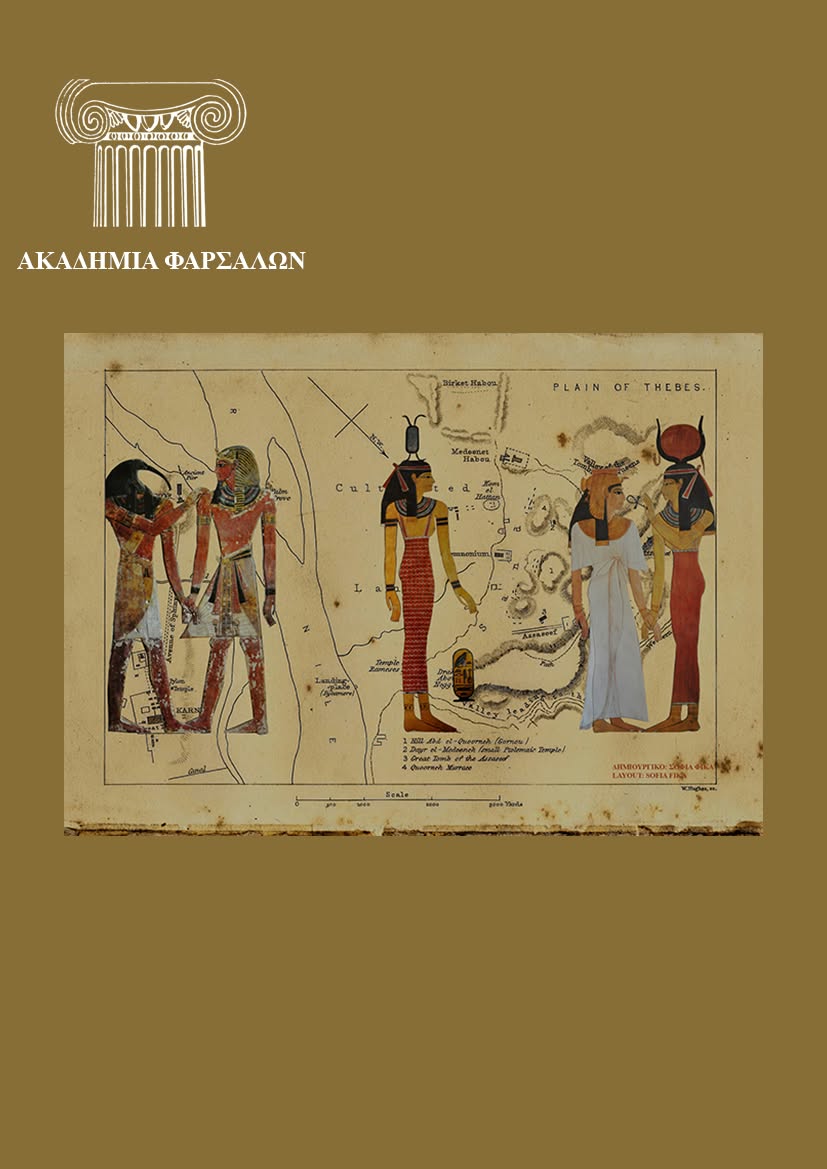
The ancient Egyptians believed that the physical world is perishable and subject to the law of entropy. In contrast, the world of the gods, which can be perceived with the help of the imagination, lies beyond the world of phenomena and the senses and is characterized by the principles of justice, solidarity, balance, and stability—principles that were also meant to characterize the earthly world. For this reason, they established rituals that united the celestial with the earthly realm.
The essential function of the ritual is the elevation of human consciousness so that one can communicate effectively with the world of the gods. The effectiveness of the ritual depends on the degree of consciousness of the individual participating in it. The Pharaoh, entrusted with the role of restoring the order of the divine realm to the human world, transmitted the beneficial energies of the celestial world to the earthly one through these rituals, affirming daily both his royal office, which was associated with the god Horus, and his priestly office, which was associated with the goddess Maat.
The Setting
The city of Thebes stretched across the eastern and western banks of the Nile River, whose sources, according to the Egyptians, were located in the invisible world, the realm of the Duat, where Osiris, the god of the dead, reigned. The Nile, flowing along a South-North axis, regulated the cultivation of the land, the festival calendar, and the organization of the state through its annual floods in the month of July.On the eastern bank of the Nile, which is associated with the visible world, creation, and the divine power that gives life to the world, stand the temples of Karnak and Luxor. The Temple of Luxor is linked to the kingship of the Pharaoh and is oriented from South to North, whereas the Temple of Karnak is linked to creation and extends along an East-West axis. On the western bank of the Nile, which is associated with the invisible world, death, as well as rebirth, lies the Theban Necropolis with its temples and the tombs of the Kings.
The tomb of Nefertari is located in the Valley of the Queens in Western Thebes. The layout of the tomb, as well as the magnificent wall paintings of Nefertari and the gods, depict the spiritual journey of the queen’s soul through the kingdom of Osiris, god of the underworld, and the soul’s emergence into the light of day, into the realm of Amun.
The sarcophagus symbolizes the barque in which the soul navigates the psychic realms separating life from death. It is the vessel, decorated both internally and externally with hieroglyphs and magical symbols of Nut, the goddess of the starry sky, who with her reverent wings protects and shields the soul from the tempests of the psychological realm and from contact with evil spirits.
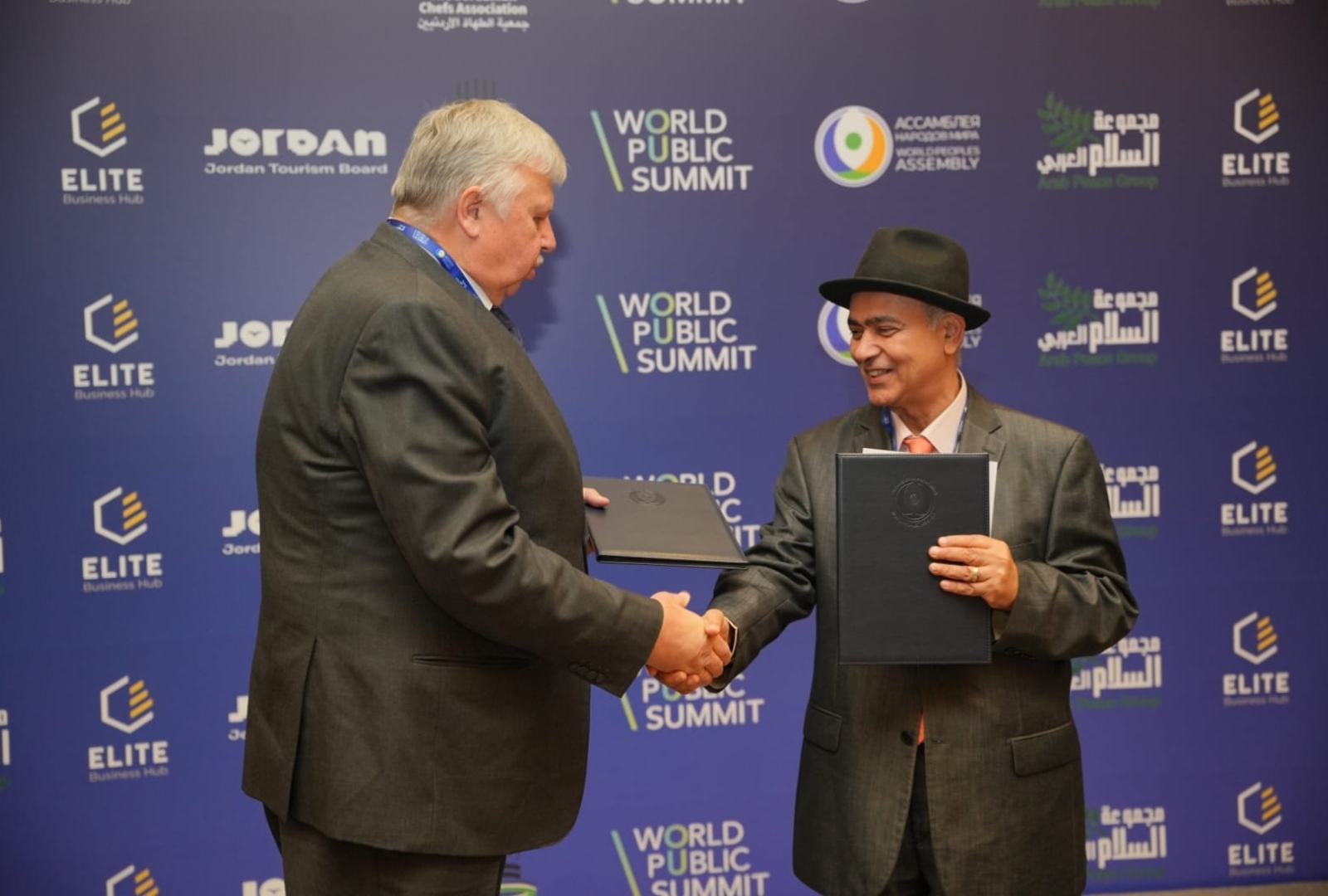
The Silk Road Literature Series and World Peoples Assembly Sign Strategic Cooperation Agreement in Amman
Amman, Jordan – November 2026 A new chapter in international cultural diplomacy and literary cooperation began during the First World Public Summit, entitled “Arab World: Dialogue, Cultural Heritage and Partnership…
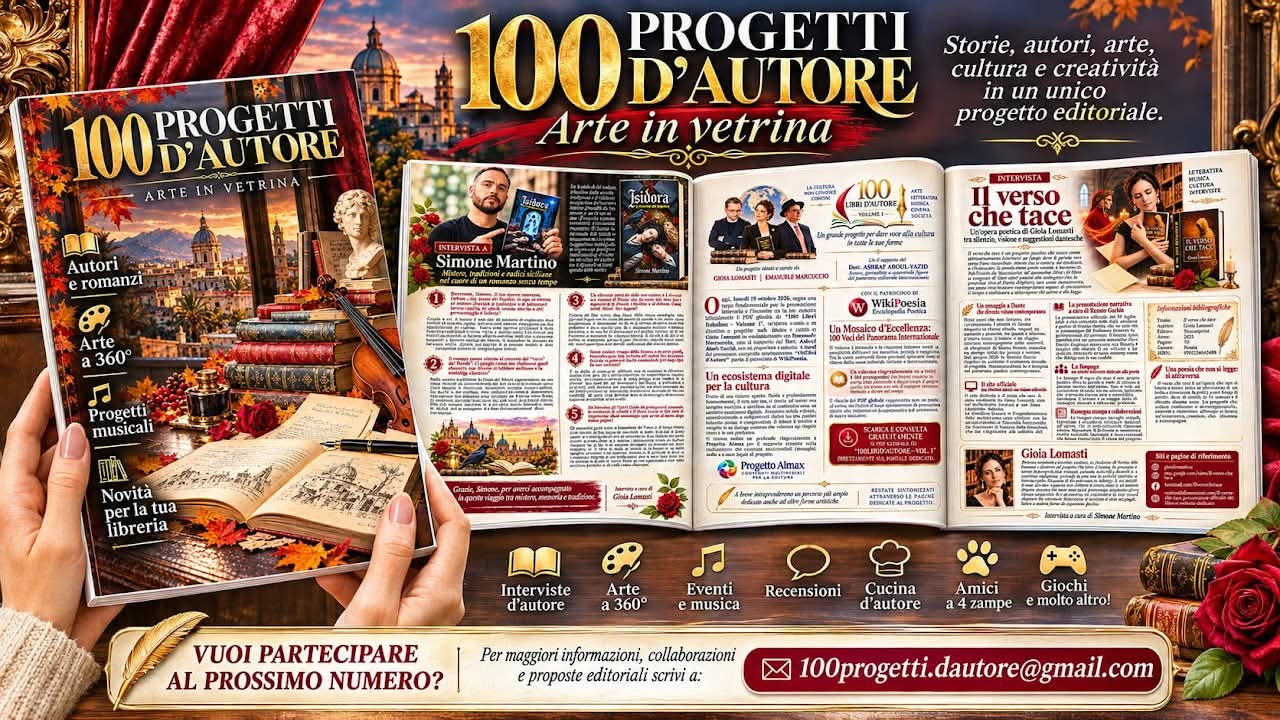
الفن والثقافة والإبداع: إصدار الخريف المنتظر لعام 2026 من «100 مشروع إبداعي – الفن في الواجهة»
الفن والثقافة والإبداع: إصدار الخريف المنتظر لعام 2026 من «100 مشروع إبداعي – الفن في الواجهة» يرى النور أخيرًا، ويصبح متاحًا عبر أمازون إعداد: سيموني مارتينو مبتكر المشروع الثقافي ومنسقه،…
 thesilkroadtoday