Trending News:أبي وأمي … قصيدة من منغولياTURKSOY Writers’ Unions Convene in Andijan, Uzbekistanصحراء الغرور | قصيدة للشاعرة اللبنانية ريتا نجيب نفاعأمل أحمد مصطفى: فنانة تعشق الفن في صمت الكبارقصيدة د. عادلة نظر إلى نرجس بطلة رواية «شماوس»…ترجمة «شماوس» إلى اللغة الأذرية: المرآة الروحية للمجتمع الشرقيباباكار نداي يكتب من السنغال: جسور الفجرأَنا أُحارِبُ أَيَّتُها الفَراشَةُ | شعر:پیشوا کاکائيدائرة أفلام إبادان تشعل شغف السينما في أجواء إفريقية أصيلةأحمد سعيد طنطاوي يكتب:ماذا لو كانت أم كلثوم أغنى من إيلون ماسك؟!أمسية شعرية في باكو تحتفي بكتاب «امرأة بعطر الخريف» للشاعرة والطبيبة سولماز غريبِلGenerations Come Together at Farook College in a Celebration of Academic Heritage and Guru–Student Bondsمهرجان بوقرنين البحث عن الهوية والبحث في الهويةFarook College in Kerala Honors Dr. Ashraf Aboul-Yazid with Certificate of Appreciationدراسة نقدية في ديوان «الجنة الضائعة» للشاعر التونسي محمد الشارنيجدليّة الرماد والانبعاث: فلسفة الصمود في شعرية رفيقة التعليMemories of Travel and Mysticism in Ancient Egypt by Marlene Pasini to Be Presented in Cairoمارلين باسيني في القاهرة …«ذكريات السفر والتصوف في مصر القديمة»البجامون.. صورة دم كاملة للمبدع محمد عكاشة: القص والحكاية في مرآة الفن التشكيليشعراء 182 دولة يدعون إلى الحفاظ على مهرجان ميديين الدولي للشعرGlobal Poets Call for the Preservation of the Medellín International Poetry Festivalالشعر الماراثي يصل إلى المكسيك: ترجمة شعرية تفتح نافذة جديدة على الأدب الهنديIl Verso che Tace: Gioia Lomasti’s Poetic Journey from Silence to Dialogue, Memory, and Contemporary Resonanceالشاعر الكازاخي أولوجبيك يسداولت: جلالُ الشعر، وقد جمع بين المشرق والمغربد. أشرف أبو اليزيد: روح طريق الحرير على ورق البرديالشاعر الصيني تشاو شوي: العودة المشتركة للإنسانية إلى موطنهاسهام مصطفى الشريف تكتب: لا بُوصَلَةَ لِي بَعْدَ الْعَاصِفَةِغريد الشيخ: في حَنايا الشَّامِ أَطْلَقْنا الهَوىحين تصبح كتب بيكاسو أغلى من الذهبمنظمة كتاب العالم: ميدالية تذكارية بمناسبة الذكرى 120 لميلاد الكاتب المنغولي الكبير ناتساغدورجغريد الشيخ من تحقيق التراث الأدبي إلى فضاء الأغنية: حين تخرج الباحثة من الكتاب إلى نبض اللحنسلسلة «أيّام معهم» للكاتبة اللبنانية غريد الشيخ: رَغَد ليست قارئة عابرةSharq Yulduzi : Uzbekistan’s Literary Star Continues to Illuminate Contemporary Lettersثلاثية «سر السماء» لتشاو شوي: الرحلة إلى القراء حول العالمCao Shui’s The Secret of Heaven Trilogy Set to Reach Readers Across the GlobeBooks on the Silk Road (6): Lian Tao’s That Touch of Green in My HeartBlood Moon. Poem by Anwar RahimWhen Politics Becomes a Theatre of Survival: A Critical Reading of Esther Adelana’s EmilokanFrom the Dream of Pakistan to a New Home in Bangladesh: Biharis Abandon an Old Hopeأَنا أُحارِبُ أَيَّتُها الفَراشَةُ (قصيدة)Honoring Poets from Egypt, Kyrgyzstan, and Kazakhstan with the Hong Kong Literature and Art AwardBeyond the Language, Vol. III: Fourteen Arab Poetic Voices Cross Borders Through TranslationHong Kong Literature and Art 2026.2: A New Cultural Confluence of Chinese and International Voicesمجلة «الشعراء العالميون»: عدد خاص بآسيا الوسطىGlobal Poets Magazine Publishes Special Central Asia Edition: “Camel Shadows on the Silk Road”«المغفلون السبعة».. عنوانٌ مراوغ وحكاياتٌ لا تنتهيحوار مع القاص والشاعر منير البولاهمي الأهرام ويكلي في مراجعة نقدية لرواية (الترجمان): صخب المنفىAfrica Must Own Its Narrative – AdeboboyeAl-Ahram Weekly Reviews “The Interpreter”: Exile’s cacophanyرسالة زيرفان أوسى إلى شيركو بيكس في ذكراهمجلة سُلاف الثقافية تحتفي بمهرجان طريق الحرير الدولي للشعر والفنWorld Organization of Writers President Applauds European Commission Recognition of Congress of African Journalistsالمفوضية الأوروبية: مؤتمر الصحفيين الأفارقة (CAJ) قوة متنامية في مستقبل الإعلام الإفريقيEuropean Commission Recognizes Congress of African Journalists (CAJ) as a Growing Force in Africa’s Media Futureغزّة ليست خبرًا … قصيدة جديدة للشاعرة د. حنان عوادRegulations for the V International Contest “Leader of Public Diplomacy” (2026)اختتام القمة العالمية للشعوب – إفريقيا وتكريم الفائزين بالمرحلة الإقليمية لمسابقة «قائد الدبلوماسية الشعبية»الحرب على الذاكرة.. الحرب على الكتبThe 6th Silk Road International Poetry Art Festival Concludes Successfully in Almaty, Kazakhstanعندليب الماندينج.. يحتفل بالذكرى الستين لمهرجان الحماماتجائزة البردية الذهبية 2026: الكتابة بوصفها طريق الحرير بين الحضاراتThe Golden Papyrus Award 2026: Writing as a Silk Road of CivilizationsWorldwide Writers Association Appoints CAJ Editor-in-Chief as Literature Cultural Ambassador for Nigeriaمفتاح جدتي … حكايا الأسرار والرسائل Books Along the Silk Road (5): Deciphering a Masterpieceالشاعر الشاب المبدع محمد الشارني و كتابه الأول ” الجنة الضائعة “غيلوب وعالمه المقلوب … حديث العوالم وآفاقهاحوار مع الفنانة التشكيلية اسراء كاظم Books Along the Silk Road (1): Blue Stream Reflecting the Moon, Integrity Fragrant Through Public ServiceBooks Along the Silk Road (2) The Global Poet: Mapping the World through VerseBooks Along the Silk Road (3): Poetry Journey of Chang’anBooks Along the Silk Road (4): Millennium Echoes of Camel BellsA Visit to the Mukhtar Auezov MuseumCongress of African Journalists Publishes August 2026 Edition of CAJ International Magazineعدد جديد من المجلة الدولية لمؤتمر الصحفيين الأفارقة: القصص هندسة الغداختتام ناجح للدورة السادسة لمهرجان طريق الحرير الدولي للشعر في ألماتي، كازاخستاندراسة نقدية جديدة تستكشف الإرث الأدبي للشاعرة عوشة بنت خليفة السويديمشاركة نيكيتا أنيسيموف في مهرجان ثقافة الشعوب الأصلية لأمريكا الشمالية في “إثنومير”تتويج أشرف أبو اليزيد بوسام حركة الشعر العظيمهذه عدساتك يا عبلة … لعبة العدسات وما وراءهااتحاد الكتاب التونسيين والأكاديمية الثقافية الدولية بألمانيا يوقعان اتفاقية شراكة لتعزيز التعاون الثقافي والعلميNew Monograph Explores the Literary Legacy of Ousha bint Khalifa Al SuwaidiEgyptian Creator Completes Two-Year Confidential Cinema Innovation Project and Opens Discussions with Global StudiosFarewell, Dr. Mohamed Abdel Maqsoud… When the Guardian of the Eastern Gate Departsالثانوية العامة… بين سطوة الرقم وصناعة الإنسانفاروق حسني وجائزة النيل… حين تكرّم الحضارة أحد أبنائهاFarouk Hosny and the Nile Award: When Egypt Honors the Makers of Beautyفرج سليمان… عزف متميز ومشروع ضبابيKyrgyz Poet Altynai Temirova Celebrates Poetry as a Bridge Between Civilizations at the 6th Silk Road International Poetry Festivalعبور الأطلس نحو المستقبل على صهوة الحنينقمر لعبور الليل … ديوان جديد للدكتور محمد سعد برغل يضيء سماء الشعر العربي في باريسحوار مع الفنانة التشكيلية هيفاء الجندوبيالأبيض والأسود… للشاعر الفيلسوف محمد الشارنيمروة ناجي.. مفاجأة مهرجان دڨة الدوليTHE ROAR OF SILENCEالإعلان عن الجوائز الشعرية في مهرجان طريق الحرير الدولي السادسThe 6th Silk Road International Poetry Festival List of Awards6th Silk Road International Poetry Festival to Honor Poets and Celebrate Cultural Dialogue in Almatyملك الراي ينتصر للفن… وينتصر على الطقس في قرطاج
Trending News:أبي وأمي … قصيدة من منغولياTURKSOY Writers’ Unions Convene in Andijan, Uzbekistanصحراء الغرور | قصيدة للشاعرة اللبنانية ريتا نجيب نفاعأمل أحمد مصطفى: فنانة تعشق الفن في صمت الكبارقصيدة د. عادلة نظر إلى نرجس بطلة رواية «شماوس»…ترجمة «شماوس» إلى اللغة الأذرية: المرآة الروحية للمجتمع الشرقيباباكار نداي يكتب من السنغال: جسور الفجرأَنا أُحارِبُ أَيَّتُها الفَراشَةُ | شعر:پیشوا کاکائيدائرة أفلام إبادان تشعل شغف السينما في أجواء إفريقية أصيلةأحمد سعيد طنطاوي يكتب:ماذا لو كانت أم كلثوم أغنى من إيلون ماسك؟!أمسية شعرية في باكو تحتفي بكتاب «امرأة بعطر الخريف» للشاعرة والطبيبة سولماز غريبِلGenerations Come Together at Farook College in a Celebration of Academic Heritage and Guru–Student Bondsمهرجان بوقرنين البحث عن الهوية والبحث في الهويةFarook College in Kerala Honors Dr. Ashraf Aboul-Yazid with Certificate of Appreciationدراسة نقدية في ديوان «الجنة الضائعة» للشاعر التونسي محمد الشارنيجدليّة الرماد والانبعاث: فلسفة الصمود في شعرية رفيقة التعليMemories of Travel and Mysticism in Ancient Egypt by Marlene Pasini to Be Presented in Cairoمارلين باسيني في القاهرة …«ذكريات السفر والتصوف في مصر القديمة»البجامون.. صورة دم كاملة للمبدع محمد عكاشة: القص والحكاية في مرآة الفن التشكيليشعراء 182 دولة يدعون إلى الحفاظ على مهرجان ميديين الدولي للشعرGlobal Poets Call for the Preservation of the Medellín International Poetry Festivalالشعر الماراثي يصل إلى المكسيك: ترجمة شعرية تفتح نافذة جديدة على الأدب الهنديIl Verso che Tace: Gioia Lomasti’s Poetic Journey from Silence to Dialogue, Memory, and Contemporary Resonanceالشاعر الكازاخي أولوجبيك يسداولت: جلالُ الشعر، وقد جمع بين المشرق والمغربد. أشرف أبو اليزيد: روح طريق الحرير على ورق البرديالشاعر الصيني تشاو شوي: العودة المشتركة للإنسانية إلى موطنهاسهام مصطفى الشريف تكتب: لا بُوصَلَةَ لِي بَعْدَ الْعَاصِفَةِغريد الشيخ: في حَنايا الشَّامِ أَطْلَقْنا الهَوىحين تصبح كتب بيكاسو أغلى من الذهبمنظمة كتاب العالم: ميدالية تذكارية بمناسبة الذكرى 120 لميلاد الكاتب المنغولي الكبير ناتساغدورجغريد الشيخ من تحقيق التراث الأدبي إلى فضاء الأغنية: حين تخرج الباحثة من الكتاب إلى نبض اللحنسلسلة «أيّام معهم» للكاتبة اللبنانية غريد الشيخ: رَغَد ليست قارئة عابرةSharq Yulduzi : Uzbekistan’s Literary Star Continues to Illuminate Contemporary Lettersثلاثية «سر السماء» لتشاو شوي: الرحلة إلى القراء حول العالمCao Shui’s The Secret of Heaven Trilogy Set to Reach Readers Across the GlobeBooks on the Silk Road (6): Lian Tao’s That Touch of Green in My HeartBlood Moon. Poem by Anwar RahimWhen Politics Becomes a Theatre of Survival: A Critical Reading of Esther Adelana’s EmilokanFrom the Dream of Pakistan to a New Home in Bangladesh: Biharis Abandon an Old Hopeأَنا أُحارِبُ أَيَّتُها الفَراشَةُ (قصيدة)Honoring Poets from Egypt, Kyrgyzstan, and Kazakhstan with the Hong Kong Literature and Art AwardBeyond the Language, Vol. III: Fourteen Arab Poetic Voices Cross Borders Through TranslationHong Kong Literature and Art 2026.2: A New Cultural Confluence of Chinese and International Voicesمجلة «الشعراء العالميون»: عدد خاص بآسيا الوسطىGlobal Poets Magazine Publishes Special Central Asia Edition: “Camel Shadows on the Silk Road”«المغفلون السبعة».. عنوانٌ مراوغ وحكاياتٌ لا تنتهيحوار مع القاص والشاعر منير البولاهمي الأهرام ويكلي في مراجعة نقدية لرواية (الترجمان): صخب المنفىAfrica Must Own Its Narrative – AdeboboyeAl-Ahram Weekly Reviews “The Interpreter”: Exile’s cacophanyرسالة زيرفان أوسى إلى شيركو بيكس في ذكراهمجلة سُلاف الثقافية تحتفي بمهرجان طريق الحرير الدولي للشعر والفنWorld Organization of Writers President Applauds European Commission Recognition of Congress of African Journalistsالمفوضية الأوروبية: مؤتمر الصحفيين الأفارقة (CAJ) قوة متنامية في مستقبل الإعلام الإفريقيEuropean Commission Recognizes Congress of African Journalists (CAJ) as a Growing Force in Africa’s Media Futureغزّة ليست خبرًا … قصيدة جديدة للشاعرة د. حنان عوادRegulations for the V International Contest “Leader of Public Diplomacy” (2026)اختتام القمة العالمية للشعوب – إفريقيا وتكريم الفائزين بالمرحلة الإقليمية لمسابقة «قائد الدبلوماسية الشعبية»الحرب على الذاكرة.. الحرب على الكتبThe 6th Silk Road International Poetry Art Festival Concludes Successfully in Almaty, Kazakhstanعندليب الماندينج.. يحتفل بالذكرى الستين لمهرجان الحماماتجائزة البردية الذهبية 2026: الكتابة بوصفها طريق الحرير بين الحضاراتThe Golden Papyrus Award 2026: Writing as a Silk Road of CivilizationsWorldwide Writers Association Appoints CAJ Editor-in-Chief as Literature Cultural Ambassador for Nigeriaمفتاح جدتي … حكايا الأسرار والرسائل Books Along the Silk Road (5): Deciphering a Masterpieceالشاعر الشاب المبدع محمد الشارني و كتابه الأول ” الجنة الضائعة “غيلوب وعالمه المقلوب … حديث العوالم وآفاقهاحوار مع الفنانة التشكيلية اسراء كاظم Books Along the Silk Road (1): Blue Stream Reflecting the Moon, Integrity Fragrant Through Public ServiceBooks Along the Silk Road (2) The Global Poet: Mapping the World through VerseBooks Along the Silk Road (3): Poetry Journey of Chang’anBooks Along the Silk Road (4): Millennium Echoes of Camel BellsA Visit to the Mukhtar Auezov MuseumCongress of African Journalists Publishes August 2026 Edition of CAJ International Magazineعدد جديد من المجلة الدولية لمؤتمر الصحفيين الأفارقة: القصص هندسة الغداختتام ناجح للدورة السادسة لمهرجان طريق الحرير الدولي للشعر في ألماتي، كازاخستاندراسة نقدية جديدة تستكشف الإرث الأدبي للشاعرة عوشة بنت خليفة السويديمشاركة نيكيتا أنيسيموف في مهرجان ثقافة الشعوب الأصلية لأمريكا الشمالية في “إثنومير”تتويج أشرف أبو اليزيد بوسام حركة الشعر العظيمهذه عدساتك يا عبلة … لعبة العدسات وما وراءهااتحاد الكتاب التونسيين والأكاديمية الثقافية الدولية بألمانيا يوقعان اتفاقية شراكة لتعزيز التعاون الثقافي والعلميNew Monograph Explores the Literary Legacy of Ousha bint Khalifa Al SuwaidiEgyptian Creator Completes Two-Year Confidential Cinema Innovation Project and Opens Discussions with Global StudiosFarewell, Dr. Mohamed Abdel Maqsoud… When the Guardian of the Eastern Gate Departsالثانوية العامة… بين سطوة الرقم وصناعة الإنسانفاروق حسني وجائزة النيل… حين تكرّم الحضارة أحد أبنائهاFarouk Hosny and the Nile Award: When Egypt Honors the Makers of Beautyفرج سليمان… عزف متميز ومشروع ضبابيKyrgyz Poet Altynai Temirova Celebrates Poetry as a Bridge Between Civilizations at the 6th Silk Road International Poetry Festivalعبور الأطلس نحو المستقبل على صهوة الحنينقمر لعبور الليل … ديوان جديد للدكتور محمد سعد برغل يضيء سماء الشعر العربي في باريسحوار مع الفنانة التشكيلية هيفاء الجندوبيالأبيض والأسود… للشاعر الفيلسوف محمد الشارنيمروة ناجي.. مفاجأة مهرجان دڨة الدوليTHE ROAR OF SILENCEالإعلان عن الجوائز الشعرية في مهرجان طريق الحرير الدولي السادسThe 6th Silk Road International Poetry Festival List of Awards6th Silk Road International Poetry Festival to Honor Poets and Celebrate Cultural Dialogue in Almatyملك الراي ينتصر للفن… وينتصر على الطقس في قرطاج
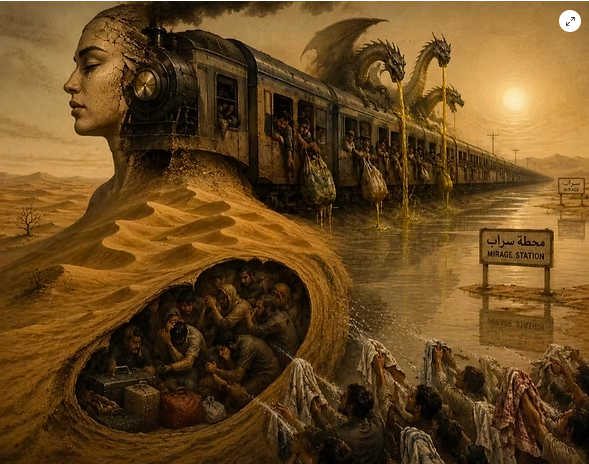
Poetry rarely travels alone. Its metaphors, rhythms, and silences often transcend the written page, finding unexpected forms in other arts. Such is the case with A Train Crosses the Desert, the evocative poem by Egyptian writer Ashraf Aboul-Yazid, which inspired Pakistani filmmaker Rahul Aijaz to create a short film bearing the same title. Yet the relationship between poem and film is far more complex than a conventional adaptation. Rather than translating verse into images, Aijaz entered into a creative dialogue with the poem, allowing literature and cinema to illuminate one another.
For the filmmaker, the encounter with the poem was deeply intuitive. While developing a personal story inspired by the memory of his late cousin Farooq, he searched for a literary work capable of inhabiting the emotional world of his characters. After revisiting a collection of Ashraf Aboul-Yazid’s poetry, one poem immediately distinguished itself.
The decision was instinctive rather than analytical. The poem did not provide the story; instead, it offered its emotional landscape. Aijaz often describes the poems as the railway tracks upon which his cinematic train could travel. Without them, he believes, the journey would never have reached its destination.
This distinction reveals something fundamental about the relationship between literature and flm. Rather than illustrating the poem, Aijaz allows its imagery, symbolism, and emotional resonance to deepen an already existing narrative. The result is not an adaptation in the traditional sense, but an artistic conversation between two independent works.
One of the most remarkable qualities of A TrainCrossestheDesert lies in its openness to interpretation. Like much contemporary poetry, Ashraf Aboul-Yazid’s text refuses linear storytelling, choosing instead to evoke states of exile, alienation, memory, identity, and existential uncertainty through metaphor.
For Aijaz, this poetic ambiguity became one of the film’s greatest strengths.
The best thing about poetry, he explains, “is that you don’t have to translate it into visuals. You simply feel the words, and the images arrive on their own.
The train itself becomes an especially powerful symbol. Within the poem it suggests movement through landscapes marked by illusion, displacement, and emotional exhaustion. Within the film, however, the metaphor expands even further. The train becomes life itself—a journey that may be painful to continue and equally painful to abandon.
This paradox stands at the very heart of the narrative. The film explores profound moral questions surrounding suffering, euthanasia, brotherhood, and choice without offering definitive answers. Like the poem, it invites contemplation rather than explanation.
Although deeply rooted in Sindhi language and culture, the film never loses sight of the poem’s universal dimensions. The dialogue remains authentically Sindhi, enriched by colloquial expressions and the emotional intimacy possible only in one’s mother tongue. Yet cultural specificity never limits accessibility. Instead, it strengthens authenticity while allowing universal human emotions to emerge naturally.
The use of the tambourine, a recurring sonic element throughout the film, similarly bridges regional tradition and poetic symbolism. Rather than functioning merely as a musical instrument, it becomes another voice within the narrative, echoing the emotional cadence established by the poetry itself.
Perhaps the most striking aspect of Aijaz’s interpretation is his understanding of silence. In a film centered on two musician brothers, there is almost no conventional musical score. In a film named A Train Crosses the Desert, neither trains nor deserts dominate the visual landscape. These deliberate absences mirror the economy of poetry itself.
Silence becomes rhythm. Pauses become language. What remains unspoken often carries greater emotional weight than dialogue.
The filmmaker sees no contradiction in this. Poetry, after all, depends as much upon its spaces as upon its words. Meaning often emerges between the lines, just as cinema frequently speaks through stillness rather than speech.
Dr. Ashraf Aboul-Yazid
Another poem by Ashraf Aboul-Yazid, A Prison, also plays a crucial role within the film. Its haunting question—who is the prisoner and who is the guard?—frames the emotional conflict long before the audience fully understands the characters’ relationship. Only later does its philosophical significance reveal itself, demonstrating how poetry can quietly foreshadow an entire dramatic structure.
Among all the verses incorporated into the film, Aijaz repeatedly returns to one idea from A Train Crosses the Desert: even if we could stop the train, would we truly leave it?
This question, simultaneously simple and devastating, becomes the philosophical center of both works. Neither poem nor film attempts to answer it. Instead, each invites the audience to confront the dilemma according to their own experiences.
Such openness perhaps explains why audiences across different countries have responded so intensely to the film. Screened at numerous international festivals, it has repeatedly left viewers in profound silence, often moved to tears. According to Aijaz, these reactions arise because neither poetry nor cinema demands intellectual explanation before emotional understanding. One simply feels.
Rahul Aijaz
The collaboration between Ashraf Aboul-Yazid’s poetry and Rahul Aijaz’s cinematic language also reminds us that literature continues to shape contemporary visual culture in meaningful ways. While adaptations of novels are commonplace, poetry remains comparatively rare as a cinematic source. Yet when approached with sensitivity, poetic language offers filmmakers something beyond narrative structure.
It offers atmosphere.
It offers ambiguity.
It offers emotional depth that often resists literal expression.
Aijaz believes cinema itself is a form of visual poetry. When actual poetry enters the cinematic space, the result becomes something greater than either medium alone. Literature and film cease to compete; instead, they enrich one another through a shared search for human truth.
Ultimately, A Train Crosses the Desert demonstrates that poetry need not remain confined to the page. Its metaphors can continue their journey through new artistic languages while preserving the mystery that first gave them life. In Rahul Aijaz’s sensitive interpretation, Ashraf Aboul-Yazid’s poem becomes not merely a source of inspiration but a living companion, guiding viewers along emotional railway tracks where literature and cinema meet, and where every spectator must ultimately decide whether to remain aboard the train or step into the unknown.
If you’d like, I can also make it sound more like a high-end literary magazine such as World Literature Today, Asymptote, or Wasafiri, with a more essayistic and critical tone.
مقدمة إلى القصيدة تصلنا هذه القصيدة المنغولية للشاعر جانبولد انكوبيو Enkhööbyu Ganbold محمّلةبروح الصداقة الأدبية التي تتجاوز حدود اللغة والجغرافيا، بعدما انتقلت من المنغولية إلى الإنجليزية، ثم وجدت طريقها إلى…
TURKSOY Writers’ Unions Convene in Andijan, Uzbekistan
ANDIJAN, Uzbekistan — August 21, 2026 — A major gathering of representatives of the Turkic literary world was held in Andijan, Uzbekistan, this year’s Cultural Capital of the Turkic World,…
 thesilkroadtoday