طرابلس يا طرابلس

(طرابلس يا طرابلس)

بقلم الشاعرة اللبنانية: د. هدية الأيوبي.

الميناء

🧿طرابلس بحاجة للإنماء وليس لكراتين الإعاشة.

🧿طرابلس هي التبّانة والسويقة والقبة وأبو سمراء وسوق العطّارين والتسرّب المدرسي والفقراء الطيبون و”بيّاع” الكعك و”العرانيس” وقهوة “المصبّات”… ولإخفاء كل ذلك زنّروها بأحزمة الثراء الفاحش.

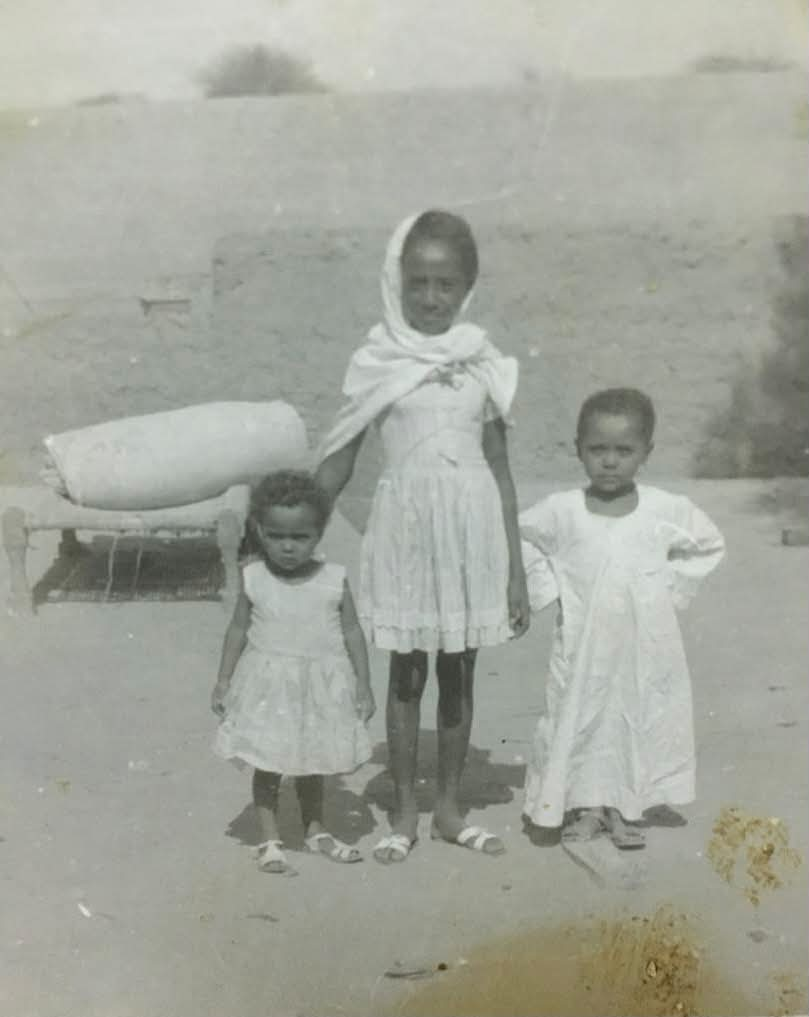
🧿إذا بقيت هذه الطغمة فإن مستقبلنا مشحور ومشحتر وشحار مثل يدي هذا الطفل الخائف…

🧿في الزقاق المحاذي للجامع المنصوري الكبير في طرابلس، “سوق الحشائش”، 

 يسمونه “تحت القبوة” أي القنطرة.

هنا: الزعتر،السليق (الهندباء)،الخبيزة، الحرتبنة،المسيكة،الشومر،الكرات، الشقّيق،القرصعنة، الجرجير..

أيضاً نجد “القبوات”: الفوارغ المنظّفة.

أبعدَ قد نجد:الكشك،أبو شوشة،جميز، توت…

🧿جامع طينال في طرابلس. 

 شيّده في عهد المماليك الأمير سيف الدين طينال الحاجب/نائب السلطان قلاوون سنة 1336م.

 كتب عن المسجد مؤرّخون والرحالة ابن بطوطة الذي زاره.

ذكر بعض المؤرخين أنه بُنِيَ على أنقاض كنيسة صليبية بُنِيَت على أنقاض معبد روماني بُنِيَ على أساسات معبد بعل الفينيقي.

🧿سوق العطارين في طرابلس اللبنانية،عمره 700 عام.هنا: دكاكين التوابل،المخللات،الخضار والفواكه،العطور،البخور، الأعشاب. نجد ورق العنب،الملوخية،البامية،الزعتر،الكشك،دبس الرمان،الزيتون،التمور،قمر الدين،المكسرات،الأجبان. روائح عطرة من أفران الخبز والكعك،ومطاعم المغربية والفول.

🧿صحيح أن طابع طرابلس إسلامي بفعل المتواليات التاريخية، فقد كانت مرفأ لكل العابرين، إنما فيها من كل الأطياف. أطباء وأساتذة ومثقفون مشهورون  ومدارس وجوامع وكنائس وحارات من كل الأطياف.هي مدينة العلم رغم التهميش.

🧿هجرة غير شرعية”!!!

أما سرقة أموال الناس… تفجير مرفأ بيروت..التهريب.. تجويع الناس.. الموت على أبواب المستشفيات..فقدان الدواء.. تهجير الشباب..اللاكهرباء.. السلاح المتفلت…هذه كلها شرعية!! يا أصنام الفساد.

🧿الميناء رئة طرابلس منذ الفينيقيين، وخاصة أيام العثمانيين. في كل بيت ميناوي كان هناك صياد أو بحار أو قبطان.مقاهيها ومطاعمها على البحر، لمتعة المدينة. في سوقها  القديم رائحة الفلافل والخبز والأسماك الطازجة.الجُزر  امتداد بيئي للميناء.فيها أندية ثقافية نشيطة،منها: بيت الفن…

🧿خلال التسوق في طرابلس القديمة، لا يمكن أن تخرج جائعاً: الكعكة الطرابلسية،المنقوشة والصفيحة، الفلافل،المغربية،الحمص والفول،الفتّة…

للتحلية:حلاوة الرز، النمورة، المعجوقة،حلاوة الشميسة، القطايف…للشرب:قهوة المصبّات،السحلب،عصير السوس والخروب والجزر والليمون والتوت.

🧿أحلى بوظة وأحلى قعدة بالمينا وما تنسوا السمكة الحرة… وفي محلات بسوق المينا روعة …

🧿مناقيش طرابلس غير شكل. مش دعاية بل حقيقة. الله يهدي الأحوال وترجع كل المناطق منفتحة على بعض ونتبادل الثقافة والأكلات الطيبة.

🧿يتألّف السوق القديم في مدينة طرابلس اللبنانية من أسواق عدّة: سوق الصاغة، العطّارين، النحّاسين، سوق حراج، الكندرجيّة (الإسكافيين)، البازركان، خان الصابون، خان الخيّاطين، الصّاغة، الدبّاغة وغيرها. جزء كبير من السوق مسقوف.

🧿الذين يغرقون في البحر أشجع من الذين يغرقون ببطء على البر دون حراك…

🧿في طرابلس المئات (لن أقول الآلاف كي لا أتهم بالمبالغة)من النخب من أبنائها، في جميع المجالات العلمية والثقافية. ولا يمكن لنواب طرابلس الحاليين الوصول إلى مستوى هذه النخب.

🧿الجميع مسؤولون، منذ عقود وحتى اليوم عن مآسي طرابلس…

مقصود تهميش المدينة

مقصود وصمها زورًا بالتطرف الديني…

حتى الذين يدعون مؤخرًا الاهتمام بها هم أول من وصمها بالتطرف…

لم يبق حل للفقراء سوى الغرق..

🧿(معظم) الذين تعاقبوا نوابًا على طرابلس:

* لديهم جامعات ومدارس خاصة .. بأقساط خيالية.

*لديهم جمعيات خيرية… توزع كراتين إعاشة في شهر رمضان على العيل الفقيرة. 

*لديهم مندوبون في الانتخابات يوزعون بون بنزين وبطاقة تشريج تلفون. 

*لديهم يخوت…

🧿يرحم موتاكم خفّفوا فلسفة فوق  أرواح غرقى طرابلس… 

هم لم يكونوا ذاهبين إلى الموت بل في أحلامهم هم أرادوا النجاة… 

ما ذنب إيكار إن أحرقت أجنحته الشمس

حين حلم بالطيران؟

🧿عجقة الأسواق في المدينة. رائحة المعمول ملأت البيوت. ورق العنب يستوي على نار هادئة. صواني الشوكولا مرتبة. الأطفال ينتظرون تكبيرات العيد صباحًا ليرتدوا الثياب الجديدة والحذاء الجديد. الأمهات تنتظر الأحفاد مع العيدية. 

الكل مشتاق.

Related Posts

Cuba Opens Its Doors to the World’s Writers

International Literary Residence Launches a New Cultural Exchange Initiative **Havana, Cuba** – A new chapter in international literary and cultural cooperation is set to begin with the launch of the…

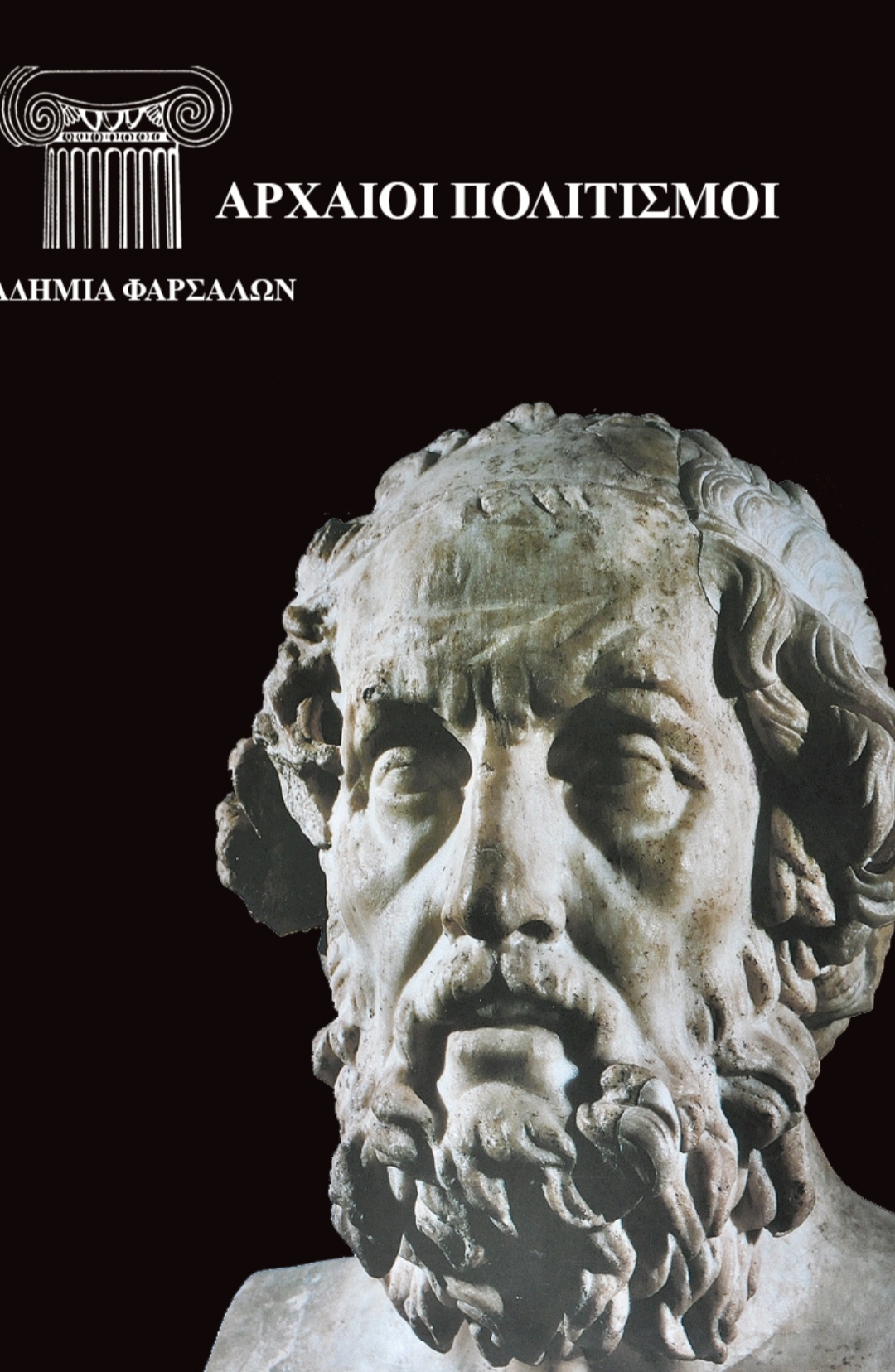
Homer: The Timeless Models of the Hero

Epic poetry, which began to develop in the early Geometric Period (1000 BC), reached its full maturity with Homer, who lived in the 8th century BC. Through his heroic epics, the Iliad and the Odyssey, Homer celebrates and brings together two fundamental models of heroism: Achilles, distinguished by his courage, willpower and right action, and Odysseus, distinguished by his prudence, skill in action, effectiveness and altruistic intelligence, which connects the hero with himself and with nature. Homer and Philosophy: Convergences and Analogies Through Time  Achilles’ right action, that is, action free from attachment to its fruits or outcomes, would later find expression in various philosophical traditions: in Plato, in Stoic philosophy (according to which virtue has value in and of itself), in Giordano Bruno and in Kant (acting out of duty, for the sake of duty itself). Plato considered that the philosopher’s primary task was to weave together the virtues of courage and prudence, harmonising will and wisdom. Furthermore, he believed that the fundamental task of the philosopher who becomes a statesman is to ensure the harmonious coexistence of all citizens within the fabric of social life. When a single ruler governs, it is essential that he combines the virtues of courage and prudence. When several rulers govern, courageous and prudent individuals must coexist. Homer in the Renaissance: The Harmony of Strength and Wisdom  The representatives of the Renaissance spirit sought to overcome the contradictions and conflicts of their time and to create a better world. This desire for change led them to seek inspiration in the classical world. Ancient thought was revived through philosophy, while myths and symbols re-emerged through art, particularly painting. Giordano Bruno symbolically portrayed the harmony between strength and wisdom in his work On the Composition of Images, Signs and Ideas, through the figure of a man holding a sceptre in his right hand and a book in his left, symbolising power and wisdom respectively. Paolo Veronese also depicted the symbolic union of strength and wisdom in his painting Allegory of Strength and Wisdom. The painting portrays Hercules, whose gaze is directed towards the earthly world, alongside a female figure representing wisdom, whose gaze is directed towards the celestial and spiritual world. Homer in the Contemporary World: The Timeless Relevance of His Values  Courage Leads to Prudence  A courageous person follows the golden mean. They avoid extremes, both recklessness and cowardice. They maintain their inner balance and do not allow difficulties, despair, melancholy or sorrow to dominate their thoughts and behaviour. Courage helps them overcome psychological and physical difficulties, master their impulses and preserve their inner strength. Prudence, on the other hand, enables them to distinguish right from wrong and to choose the appropriate course of action. Courage without prudence can turn into recklessness, while prudence without courage can remain inactive knowledge. The true fulfilment of the human being lies in the harmonious coexistence of courage and prudence, of strength and wisdom. This is perhaps the timeless message that we can draw from Homer and carry into the contemporary world. Thank you very much for your attention. Yannis K. Fikas President of the Academy of Farsala

اترك تعليقاً

لن يتم نشر عنوان بريدك الإلكتروني. الحقول الإلزامية مشار إليها بـ *