
شيِّعي الليلَ وَقومي اِستَقبلي | للشاعر إبراهيم طوقان، فلسطين

شيِّعي الليلَ وَقومي اِستَقبلي
طَلعةَ الشَمس وَراء الكرملِ
وَاِخشَعي يَوشك أَن يَغشى الحمى
يا فَلسطين سنىً مِن فيصلِ
يا لَها مِن ديمة يرفعها
منكبُ الأُفق لِعَين المجتلي
نَشَأت أَمناً وَظلاً وَهُدىً
كَهَدي النَجم لفلك مقبلِ
ما دَنا حَتّى هَمى الدَمعُ فَهَل
إِيلياءُ الغَيث فوق الجَبلِ
ذَلِكَ الفُلكُ الَّذي يحمله
مثلَه مُنذُ جَرى لَم يَحملِ
لَو تَعَدّى لُجّةَ البَحر بِهِ
خاضَ في لجة دَمعٍ مسبلِ
وَاِنطَوى العاصفُ وَالمَوج لَهُ
فَاِكتَسى البَحرُ غَضونَ الجَدولِ
وَإِذا بِالفلك يَجري بَينَها
كَمرور الطَيف بَينَ المقلِ
يُكرِمُ الراقدَ يَدري أَنَّهُ
يُؤثرُ الراحةَ وَالقَلبَ الخَلي
راقِدٌ يَنعمُ في ضجعته
خلّف الدُنيا بِهِ في شغلِ
أَيقَظ اللوعةَ فيها وَالأَسى
وَغَفا بَينَهما لَم يَحفلِ
مطبقَ الأَجفانِ عَن جفنٍ طَغى
جامِحِ الدَمع وَجفنٍ مجفلِ
مطمئنَّ القَلبِ ما تزعجه
زَفَراتٌ كَالغَضا المُشتَعلِ
ما الَّذي أَعدَدتِ مِن طيب القرى
يا فَلسطين لضيفٍ معجلِ
لا أَرى أَرضاً نُلاقيه بِها
قَد أَضاعَ الأَرضَ بيعُ السِفَلِ
فَاِستري وَجهَكِ لا يَلمح عَلى
صَفحتيهِ الخَزيَ فَوقَ الخَجَلِ
أَكرِمي ضيفك إِن أَحببته
بِأَمانيه الكبارِ الحفَّل
لا تَقومي حَولَهُ مَعولةً
مِن جَلال الملكِ أَلّا تُعولي
وَاِسألي الباغين ماذا هالَهُم
مِنهُ في أَكفانِهِ إِن تَسألي
راعَهُم حَيّاً وَمَيِتاً فَاِتَقوا
همَّةً جَبّارةً لَم تُخذَلِ
وَرَأوا في كُل قَلب حَوله
جذوةَ العزمِ وَنورَ الأَمَلِ
بَطلٌ قَد عادَ مِن ميدانِهِ
ظافِراً يا مَرحباً بِالبَطلِ
فارس الشَقراء يَجلو باسمها
غمرةً لَيلتُها ما تَنجَلي
صاحِبُ التاجَين في مَوكبه
رايةُ المَجد المَنيعِ الأَطولِ
من رَأي نسرَ المُلوك المُرتَجى
طارَ مِن عقبانه في جحفلِ
وَسَواءٌ في الأَعاصير مَضوا
أَم مَضوا في نَفحات الشَمألِ
كَجُنود اللَه طارَت خَيلُهُم
يَوم بَدرٍ في سَماءِ القسطل
مَن رَأى ناراً عَلى عاصفةٍ
هَكَذا اِنقَضَّ غَضوباً مِن علِ
هبط المعقلَ يَخشى حدثاً
وَيَمينُ اللَه حِرزُ المعقلِ
أَشِرت آشورُ حَتّى جاءَها
أَمرُها بَينَ الظبي وَالأَسَلِ
كُلُّ لُؤمٍ وَعقوقٍ دونه
فعل شَمعون لَئيم الموصلِ
ثَورَةُ الغاضب للحَقِّ تُرى
هَذِهِ أَم شغبٌ مِن وُكَّلِ
ذَلِكَ السَيف الَّذي جَرَّده
فَضحتهُ عَينُ هَذا الصيقلِ
يا لَعَينٍ سَهرت عَن فَيصَلٍ
تَحرس الملكَ لَهُ ما تَأتلي
رَأَت الغَدرَ فَآذاها فَهَل
تَحملُ الضيم وَلَمّا تَغفلِ
خُلُقٌ في اِبنك غازي لَم يَكُن
بِغَريبٍ عَن قَريب المنهلِ
لَم يُطِق شبلُك ضَيماً سَيدي
فَاِستمع للعذر قَبل العذلِ
قَد يَكون الحَزم في العَزمِ وَقَد
يُكتبُ التَوفيقُ للمستعجلِ
غضبةٌ مِن رجلٍ في أُمَّةٍ
جَعَلته أُمَّةً في رجلِ
مَن هفا للمثل الأَعلى يَجد
في بَني هاشم أَعلى مثلِ
أَيُّكم يا آل بَيت المُصطَفى
ما قَضى مُستشهداً مُنذُ عَلي
لا أَحاشي بَينَكُم مِن أَحَد
فَكميُّ الحَرب صِنوُ الأَعزلِ
كلكم يَنشأُ قَلباً وَيداً
وَلِساناً في جِهاد المبطلِ
فتح الخُلدُ لَكُم هَيكله
فَإِذا أَنتُم بُدورُ الهَيكلِ
ضمَّ جبريل جَناحيهِ عَلى
سُؤددٍ محضٍ وَنُبلٍ أَمثلِ
وَأَطاف المَلأ الأَعلى بِمن
عزمه في الحَقِّ عزمُ الرُسُلِ
فَيصلٌ شيّدَ ملكاً لَم يَزَل
بِحِمى اللَه وَغازي يَعتلي
وَبِشَعبٍ بذلَ الروحَ وَمِن
يُنشد الملكَ وَطيداً يَبذُلِ
لَيسَ مِن حامٍ لِكَيدٍ يَنبَري
فيهِ أَو مُنتدب مختتلِ
أَضرموا النارَ وَصَبّوا فَوقَها
دَمَهُم حُرّاً أَبيّاً يَغتلي
صَهَروا الأَغلالَ وَاِنصاعوا إِلى
دنس الأَرضِ فَقالوا اِغتَسِلي
وَإِذا دجلةُ عَذبٌ وِردُها
وَإِذا النَخلُ كَريمُ المَأكِلِ
وَإِذا بَغداد مِما اِزدَهَرَت
حليةُ التاريخ بَعد العطلِ
وَوقاها اللَه وَالعَون بِهِ
دوّلَ الغَدرِ وَغَدرَ الدُوّلِ

Mourn the night and rise to greet

A Poem by the Poet Ibrahim Tuqan


The sun’s ascent behind Carmel’s height.
Bow in reverence, for soon the sanctuary
Shall be bathed in Faisal’s radiant light.

A blessed raincloud, lifted high,
By the horizon’s shoulder to the seeker’s eye.
Born in peace, in shade and guidance,
Like a star’s path in a dawning sky.

He approached, and the tears began to fall—
Is that rain, O Jerusalem, upon the hill?
Behold the ark he carries forth,
None like it borne before, nor will.

Had he crossed the sea’s deep surge,
He would have waded through tears instead.
The storm calmed, the waves bowed low,
And the sea wore the stream’s soft thread.

The ark now glides between the swells,
Like a vision through watching eyes.
It honors the resting soul it bears,
Who longed for peace and clear blue skies.

He lies in grace, his world behind,
Untouched by sorrow, free of mind.
He awakened grief in every breast,
Then slumbered, leaving pain confined.

Eyes closed against a world gone wild,
Where one eye weeps and one recoils.
His heart is calm, unmoved by sighs,
Burning like ghada trees in fiery coils.

What have you prepared, O Palestine,
To greet this guest of hurried pace?
I see no land to meet him with—
The wicked sold it in disgrace.

So veil your face, lest shame be read,
On cheeks outblushing guilt and dread.
Honor your guest, if love you bear,
With his grand dreams spread and fair.

Do not wail around him in despair—
A king deserves no cries of grief.
Ask the tyrants what frightened them,
In his shroud—if you seek belief.

They feared him living, feared him dead,
A mighty soul, unvanquished, proud.
In every heart around he stirred
The spark of will, the hopeful cloud.

A hero returns from his field of fight,
Victorious—hail to the noble knight!
He lifts the banner of radiant Sheqrah,
Through night’s depth toward golden light.

He, the crowned with twin honors high,
His banner, glory’s longest tie.
Who saw the eagle of kings rise up,
Soared from its nest in solemn cry?

Whether storms led them forth,
Or bore them northward in scented air,
Their steeds flew like God’s own host,
On Badr’s skies in righteous glare.

Who has seen fire upon the storm,
Thus he plunged from heights in wrath.
He descended strongholds without fear—
God’s right hand guarding every path.

Assyria trembled ‘til it heard
Its doom in blades and flashing steel.
All treachery and shame seem small
Beside what Sham‘un dared reveal.

Is this an angry revolt for truth,
Or a riot by masked deceit?
That sword he drew exposed them all—
The blade itself knew no retreat.

O eye that kept its vigil for Faisal,
Guarding the monarch with loyal might,
It saw betrayal and could not bear
To rest without exposing blight.

The trait is noble in your son Ghazi,
Not foreign to that generous spring.
Your lion cub bore no disgrace—
So listen to reason before you blame.

Sometimes boldness lies in speed,
And fate crowns those who dare the flame.
A single man’s wrath in a nation
Made him a nation in one name.

Who strives for the loftiest ideal
Shall find it in the Hashemite flame.
O people of the Prophet’s house,
Who has not died a martyr since Ali’s claim?

I exclude no soul among your kin—
The brave and meek bear equal fame.
You are hearts and hands and tongues
Fighting injustice with sacred aim.

Heaven opened its shrine to you—
You are the stars within its frame.
Gabriel embraced your noble pride,
Wings encircling virtue’s flame.

And the hosts of heaven gathered ‘round
One whose will mirrored prophets’ claim.
Faisal built a lasting realm
By God’s grace, and Ghazi rose again.

With a people who gave their lives,
To raise the throne with blood and pen.
No protector defends a plot,
But he who dies before its end.

They lit the fire and poured their blood
As molten gold, unbending, bold.
They melted chains and bowed to dust,
Then cried, “O soil, be cleansed, be whole!”

Now Tigris flows as sweet as spring,
And palm trees feed the worthy soul.
Baghdad bloomed again in pride—
A jewel in history’s mighty scroll.

God preserved her, aided her still,
Against betrayers, and betraying will.


Despide la noche y levántate a recibir

Un poema del poeta Ibrahim Tuqan


El alba del sol tras el monte Carmelo.
Inclínate en recogimiento, pronto
La santidad será bañada por la luz de Faisal.

Una nube bendita se eleva,
Por el hombro del horizonte a los ojos del vidente.
Nacida en paz, sombra y guía,
Como la estrella que al nuevo cielo orienta.

Se acercó y las lágrimas cayeron—
¿Es lluvia eso, oh Jerusalén, sobre la colina?
He aquí el arca que él lleva,
Nunca igual fue llevada desde los días de antaño.

Si hubiera cruzado el mar profundo,
Lo habría hecho por lágrimas derramadas.
Se calmó la tormenta, el oleaje cedió,
Y el mar vistió el rostro del manantial.

El arca flota entre las olas,
Como un sueño entre los párpados.
Honra al alma dormida que lleva,
Que deseaba la paz tras tanto estruendo.

Reposa en calma, deja atrás el mundo,
Sin penas ni pensamientos agrios.
Despertó la pena en cada pecho,
Y durmió sin pesar, entre suspiros.

Ojos cerrados al mundo convulso,
Uno llora, otro tiembla.
Corazón en calma, no lo turban
Suspiros como brasas encendidas.

¿Qué preparaste, Palestina,
Para recibir al huésped que pronto llega?
No veo tierra que lo abrace—
La vendieron los viles sin vergüenza.

Cubre tu rostro, que no vean en él
La vergüenza más allá de la pena.
Honra a tu huésped, si lo amas,
Con sus grandes sueños y su alma plena.

No llores a su alrededor,
Que el rey merece dignidad serena.
Pregunta a los tiranos qué les asustó
De él, incluso en mortaja ajena.

Les asustó vivo y muerto igual,
Un alma invencible, sin derrota.
En cada pecho encendió
La chispa del valor y la esperanza remota.

Héroe que regresa del campo de lucha,
¡Bienvenido sea el vencedor con gloria!
Caballero que levanta la bandera de Shaqra’,
Iluminando la noche con su historia.

Portador de dos coronas en su paso,
Estandarte de honor sin medida.
¿Quién vio al águila de los reyes alzarse
De su nido al frente de su hueste erguida?

Ya sea que en tormentas marcharon,
O en los soplos del norte sin herida,
Sus caballos volaron como ejército divino,
En Badr, hacia la cima prometida.

¿Quién vio fuego sobre el huracán,
Así cayó él desde las alturas?
Bajó al bastión temiendo el daño—
Pero la diestra de Dios lo protege sin dudas.

Tembló Asiria hasta que le llegó
Su destino entre ciervo y espada.
Toda vileza es poca ante
La traición de Sham‘un en su morada.

¿Es esta una revuelta de ira justa
O disturbio de agentes sin alma?
Esa espada expuso el engaño—
Y el filo mostró la verdad sin calma.

¡Oh, ojo que veló por Faisal,
Guardando al rey con devoción completa!
Vio la traición y no pudo soportar
El agravio ni la injusticia secreta.

El carácter de tu hijo Ghazi no es nuevo,
Ni ajeno a tu fuente generosa.
Tu cachorro de león no toleró la humillación—
Escucha el motivo antes de la censura odiosa.

La firmeza puede estar en la decisión veloz,
Y el éxito a veces premia la prisa.
La ira de un hombre entre su gente
Lo volvió a él una nación concisa.

Quien busca el ideal supremo
Lo hallará en los Hashemitas, sin prisa.
¿Quién de la Casa del Profeta
No murió mártir desde Alí sin prisa?

No excluyo a nadie entre ustedes—
El guerrero es hermano del pacifista.
Todos ustedes son corazón, mano y voz
En la lucha contra la injusticia realista.

El Paraíso les abrió su templo
Y ustedes son sus lunas más brillantes.
Gabriel los abrazó con sus alas
En nobleza pura y virtudes constantes.

Y los ángeles rodearon al
De voluntad como la de los mensajeros vibrantes.
Faisal erigió un reino eterno
Y Ghazi ascendió entre pueblos vibrantes.

Con un pueblo que dio su alma
Por un trono firme y esperanzas vibrantes.
No hay protector que se ofrezca
Como él, ni en combate ni en marchas vibrantes.

Encendieron fuego y vertieron su sangre,
Libres, altivos, hirviendo en coraje.
Fundieron cadenas y al polvo volvieron
Gritando: “¡Límpiate de este ultraje!”

Y el Tigris fluye dulce como manantial,
Y las palmas ofrecen digno bocado.
Bagdad volvió a florecer,
Joya histórica tras largo letargo callado.

Y Dios la protegió, y con Su ayuda
Derribó la traición y a los traidores del pasado.

Related Posts

الموسوعة السعودية للسينما: عناوين لافتة في مساحة متفرّدة 

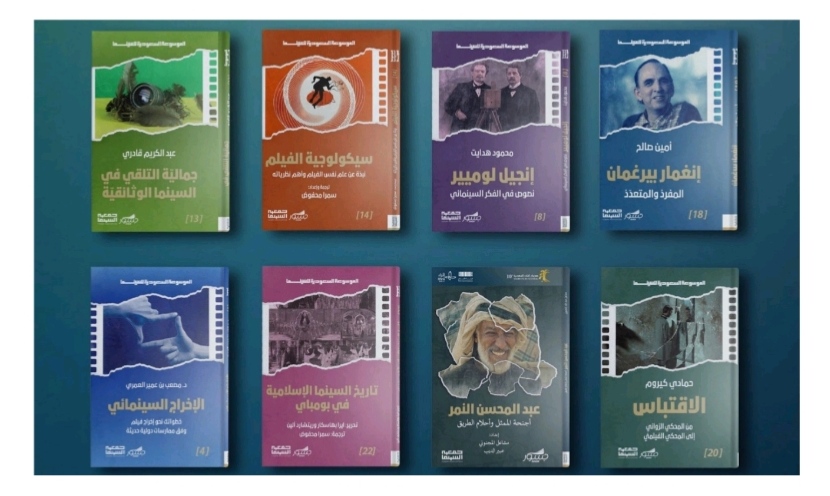
هاني نديم – سوريا  الشهر الفائت، كنت في مكتبة أدنبرة الشهيرة كباحث مقيم، بدعوة كريمة منهم للاطلاع على مخطوطاتهم العربية المتصلة بعملي. سألني البروفسور المستشرق ريتشارد كاين: برأيك؛ ما هي أهم موسوعة أضيفت للمكتبة العربية خلال العقد الأخير، فأجبته دون تردد “موسوعة السينما السعودية”، ذلك أنها تسدّ فجوة معرفية هائلة للقارئ العربي وتروي تعطّشاً محلياً وعربياً لعلوم السينما وحيثيات صناعتها.   في حقيقة الأمر، اكتشفت الموسوعة قبل ذلك بمدة قليلة أثناء استضافتي في مهرجان أفلام السعودية الأخير في جون الماضي، إذ وقفت على حجم الجهد المبذول في اختيار الكتاب والمترجمين والعناوين الهائلة التي تجاوزت اليوم المئة عنوان بين عمل أصيل ومترجم. وقبل أن أكتب عنها، قرأت عشرةً كتب من الموسوعة بين التأليف والترجمة، وتبينت آلية العمل الدقيق بدءاً من التحرير المميز والطباعة الجيدة والتصميم بهويته الخاصة، التقيت برئيس تحرير الموسوعة، الشاعر والصحافي السعودي عبدالوهاب العريض، لأعرف منه أكثر عن بدايات الموسوعة وآلية عملهم. كما التقيت مجموعة من المترجمين والمؤلفين العرب ممن أثروا الموسوعة بأعمالهم، لأخذ وجهات نظرهم وطريقة عملهم كلٌ من موقعه. عبدالوهاب العريض: نقدّم رؤى حقيقية لصنّاع الأفلام والمختصين    بين يدي سألته عن البدايات وفكرة الموسوعة، ليقول: “منذ انطلاقة مهرجان أفلام السعودية عام 2008، كنا ننشر كتباً سينمائية بالتعاون مع دور النشر السعودية والخليجية، وفي عام 2023 تم تدشين دار جسور الثقافة لتكون الدار المتخصصة لنشر الكتب السينمائية التي بلغ عددها ما يقارب 60 عنوانًا، ومن خلال مؤسس ورئيس المهرجان الشاعر أحمد الملا تم تشكيل لجنة خاصة باختيار الكتب، وقد حرص الزميل الملا على توحيد الكتب تحت مسمى “الموسوعة السعودية للسينما”، لتكون خلفاً لسلسلة “الفن السابع” التي كانت تصدرها وزارة الثقافة السورية، لذا كان التدشين للموسوعة عام 2024 بإصدار 27 كتاباً، واستقلت عن المهرجات حيث يتم طباعة الكتب واختيارها على مدار العام، وفي عام 2025 أصدرنا ما يزيد عن 40 كتابًا بينهم 20 كتاباً مترجماً عن الفرنسية والإنكليزية والإيطالية”. شارك في نجاح الموسوعة السعودية للأفلام عناوينها اللافتة والأسماء الموقرة التي كتبت أو ترجمت، سألت العريض عن أهم العناوين التي أضافتها الموسوعة وآلية قبول عملٍ من عدمه، ليجيب: “أن يخدم قطاع السينما، ويقدم رؤية حقيقية لصناع الأفلام، فنحن نستهدف بالدرجة الأولى صناع الأفلام في المملكة العربية السعودية والعالم العربي. ونفتخر اليوم بأننا حصلنا على حقوق ترجمة كافة المفكر الفرنسي جاك آمون، أصدرنا له ثلاثة كتب ونحن بصدد إصدار 7 كتب أخرى”. وعن تلقي القراء العرب لتلك الموسوعة يقول العريض: “لقد ملأت الموسوعة حيّزاً خاصاً للمهتمين بالسينما. تصلنا طلبات كثيرة من العراق وسوريا والمغرب، وهو ما شهدناه في معرض الرباط الدولي للكتاب عام 2025 حيث كانت مشاركتنا الأولى وكان الإقبال على الكتاب السينمائي مميزاً للغاية، وهو ما دفعنا للمشاركة في معارض الكتب المهمة بعد معرض الرياض مثل الشارقة والكويت ومسقط وغيرها”، يضيف العريض: “رغم أن التجربة ما زالت في بدايتها، ألا أننا نعمل بشكل يفوق التخيل، إذ نعمل هذا العام 2026 على إصدار ما يقارب 75 عنواناً، لمؤلفين سعوديين وعرب، وإصدارات أولية، إضافة إلى 60 كتابا مترجماً عن 7 لغات عالمية. وسيكون لدينا إضافة للغات التي سبق ذكرها أيضاً كتب من اللغة الأرمنية والبرتغالية والروسية”. د. مسفر الموسى: بنية تحتية وطنية لصناعة جديدة  عضو مجلس إدارة جمعية السينما السعودية، د. مسفر الموسى، المختص  في الأفلام الوثائقية وجماليات السينما كان أحد المختصين السعوديين ممن أثروا هذا المشروع بمؤلفاته، يقول: “أنظر إلى الموسوعة بوصفها بنية تحتية معرفية لصناعة ما تزال في مرحلة التأسيس. حين تُطلق جمعية السينما السعودية هذه المبادرة التي يتجاوز عدد إصداراتها 150 كتاباً حتى اللحظة، فإنها تريد أن تساهم في صناعة خطاب السينما السعودية النقدي بنفسها بدل أن تستعيره جاهزاً. بالنسبة لي شخصياً، كان الأثر في تغيّر الموقع؛ انتقلت من باحث يشتغل على مشروعه منفرداً إلى مساهم في عمل تأسيسي له امتداد جماعي. وهذا ما يجعلني أصفها بأنها تجربة تأسيس قبل أن تكون تجربة نشر؛ تكتب وأنت تدرك أن الصفحة التي تضعها اليوم قد يُبنى عليها لاحقاً ضمن مشروع متكامل في المنهج والرؤية”، وعن الموضوع الذي كتبتم عنه، وما الذي جعله يستحقّ هذا الحيز؟  وقد كان الفيلم الوثائقي الاستقصائي هو الخيار الطبيعي لسبب بسيط: مركزيته في تاريخ السينما التسجيلية عالمياً لا يقابلها إلا فراغ يكاد يكون كاملاً في المكتبة العربية المتخصصة. صدر الكتاب بعنوان «المدينة العارية: المرجع الشامل في الأفلام الوثائقية الاستقصائية»، وجاء في ثلاثة أجزاء، لكل جزء ثلاثة فصول، حرصت فيها على أن تكون المعاينة شاملة لا تنتقي من النوع ما يسهل تناوله. أما لماذا يستحقّ هذا الحيز، فلأن الوثائقي الاستقصائي أكبر من تصنيف سينمائي؛ إنه موقف من الصورة نفسها، من علاقتها بالحقيقة والمجتمع. وهذه أسئلة لا غنى عنها لسينما تبحث عن صوتها الخاص. أضف إلى ذلك أن اشتغالي على هذا النوع في مرحلة الدكتوراه جعل الكتاب امتداداً لمسار طويل. ولكن هل تفتح الموسوعة الباب أمام مشاريع توثيقية مماثلة لفنون أخرى؟ يقول د. الموسى: “الدرس الأهم الذي قدّمته الموسوعة أن ما كان ينقص هذه المشاريع ليس الكفاءات، فهي موجودة، بل المظلّة التي تجمع الجهود وتموّلها وتوصل نتاجها إلى القارئ. المسرح السعودي أقدم عهداً، والدراما التلفزيونية أوسع جمهوراً، وكلاهما يعاني من الفجوة نفسها: إنتاج غزير يقابله تدوين نقدي شحيح. غير أنني أتحفّظ على أي نقل ميكانيكي للتجربة. الموسوعة لم تنجح لأنها أصدرت كتباً، بل لأنها وضعت النشر في خطة ممتدة ومستمرة، بعيداً عن منطق الفعالية الموسمية. من يريد أن يكرّر التجربة للمسرح أو الدراما عليه أن يلتزم بالشيء ذاته: استمرارية، وتحرير جاد، وشراكة نشر ذات معايير جادة. وتكمن قيمتها الحقيقية أنها نقلت الكتاب السينمائي من إصدارات متناثرة إلى صناعة لها بنية واضحة: تأليف عربي وسعودي، وترجمة منهجية، وإشراف تحريري، ودعم مؤسسي، وشراكة نشر مع دار جسور الثقافة. هذا التكامل هو مصدر تفرّدها، وليس عدد العناوين مهما بلغ. سألته عن احتياجات الموسوعة لتصبح أكمل، فأجاب:  “حين أفكّر في التطوير، تحضرني ثلاثة مسارات: أن يتوسّع التأليف الأصيل في مقاربة التجربة السعودية؛ وأن تُربط الإصدارات بالجامعات وأقسام السينما؛ وأن تجد طريقها إلى منصّات رقمية وأرشيف مفتوح يضمن وصولها لمن يحتاجها. طموحي، في النهاية، أن تصير مرجعاً للباحث العربي أينما كان، وأن تتجاوز مهمة التوثيق إلى الإسهام في صياغة الوعي النقدي بالسينما”.     أمين صالح: الترجمة فنٌ لا يمكننا الاستغناء عنه  يرى الكاتب والناقد البحريني المعروف أمين صالح أن الموسوعة تأتي في ظرفٍ مواتٍ لتكون في مكان متقدم، يقول: “المكتبة السينمائية العربية فقيرة. لم تكن دور النشر تكترث بالسينما أو حتى بالفنون الأخرى. كانت الأولوية للكتب الأدبية والفكرية والدينية والسياسية. ربما لأن المؤلفين العرب لم يلتفتوا للكتابة السينمائية وانشغل المترجمون العرب بما هو أهم – في اعتقادهم – من السينما. كنا، نجد بين الحين والآخر، على بعض الأرفف، بعض المؤلفات المصرية في السينما. في لبنان كذلك. في سوريا كانت الكتب المؤلفة والمترجمة أكثر كثافة وأكثر أهمية مع اهتمام المؤسسات الرسمية بهذا المجال. شخصياً، لجأت إلى ترجمة الكتب السينمائية لأساهم بجهودي الذاتية المتواضعة في تغطية بعض هذا النقص. ثم تأسس مهرجان الفيلم السعودي ليعطي الكتاب السينمائي، منذ بداياته، اهتمامه وعنايته. وبالتدريج تصاعد عدد النتاجات المطبوعة من بضعة كتب سنوياً، إلى حوالى خمسين أو ستين كتاباً هذا العام. مثل هذه الوفرة تعبّر عن رؤية طموحة، للقائمين على إدارة المهرجان، تؤكد على أهمية وضرورة الثقافة السينمائية للعاملين في المجال السينمائي وللقراء على حد سواء. هذا العام كان كتابي ضمن موسوعة السينما السعودية، عن المخرجة البلجيكية شانتال أكرمان التي رغم مكانتها وقامتها العظيمة في الأوساط السينمائية العالمية إلا أنها غير معروفة عربياً. وشخصياً أهتم بالكتابة عن الأصوات المتميّزة التي جمهورها قليل، أو لا تكون معروفة على المستوى الجماهيري. في كتابي هذا أتطرق إلى حياة الشخصية ومسيرتها الفنية وعوالمها الخاصة والعامة، مع التركيز على أفلامها. وعبر هذا كله، أحاول أن أحرّض القارئ على مشاهدة أفلامها، والتحاور مع تجربتها الثرية والمتنوعة. إن الكتب المترجمة ضمن الموسوعة هي مهمة ومفيدة جداً وتتسم بالجدّة والتنوع. كما أنها تغطي نقصاً كبيراً تعانيه المكتبة السينمائية العربية، حيث قلة الكتب المترجمة في مجال السينما. ولا يمكننا التقليل من شأن الترجمة أو الاستغناء عنها، فلولا الترجمة لما تحقّق التواصل الإنساني بين البشر، وبالتالي التفاعل والتلاقح والتأثر. بالترجمة نتعرف أكثر على الرؤى والأفكار والأحلام والطموحات التي تزخر بها الثقافات الأخرى. من هنا جاء اهتمام الموسوعة السينمائية بالترجمات، وتشجيع الكتّاب على خوض هذه التجربة الهامة والحيوية”.   سمر دياب: الموسوعة لبنة أساسية في بناء مكتبة سينمائية عربية  الشاعرة والمترجمة اللبنانية سمر دياب، شاركت في الموسوعة بأعمالها المترجمة عن الإسبانية، تقول: “تكمن أهمية موسوعة السينما في كونها مشروع ثقافي ومعرفي يتجاوز فكرة التوثيق التقليدي إلى بناء مرجع علمي يوثق المفاهيم، والاتجاهات، والتيارات، والأفلام، وصنّاعها ضمن إطار أكاديمي منظم يواكب تطور الدراسات السينمائية عالمياً، ويقدم للقارئ والباحث مادة تجمع بين الأصل النظري والانفتاح على أحدث المناهج النقدية، العلمية والفلسفية. وفي ظل محدودية المراجع العربية المتخصصة، تكتسب هذه الموسوعة قيمة استثنائية بوصفها خطوة نحو ترسيخ ثقافة سينمائية قائمة على ترجمات البحث والتحليل واكتشاف علاقات جديدة بين العلوم والفلسفة والفن، لا على التلقي والانطباعات. أستطيع القول أن الموسوعة السعودية للسينما هي تجربة واسعة تستدعي تكامل الخبرات، وتؤكد أن المعرفة السينمائية مشروع تراكمي يحتاج إلى الترجمة، والتأليف، والتوثيق، والحوار بين مختلف التخصصات. ومن هنا، لا يمكن النظر إلى الموسوعة باعتبارها إصداراً ثقافياً فحسب، بل بوصفها لبنة أساسية في بناء مكتبة سينمائية عربية قادرة على مواكبة التحولات الفكرية والجمالية التي يشهدها الفن السابع، والإسهام في إنتاج ونقل المعرفة السينمائية للغة العربية. أما عن كتابي “الحتمية في السينما” فقد جاء اختيار الموضوع انطلاقاً من الحاجة إلى تناول أحد الحقول التي تشهد تطوراً متسارعاً في الدراسات السينمائية المعاصرة، وهو العلاقة بين السينما والفلسفة، وما نتج عنها من مقاربات جديدة لفهم الصورة والزمن والسرد والوعي. ووقد رأينا في الكتاب إضافة مهمة لأنه يناقش الكيفية التي تعكس بها الأفلام تصورات فلسفية عميقة حول مفاهيم السببية والإرادة الحرة والحتمية والبدايات والنهايات، بينما يذهب كتاب مثل “الشاشات الكمية” وهو كتاب قيد الترجمة، إلى أفق أكثر حداثة، إذ يدرس العلاقة بين البنية السردية والتمثيل البصري من جهة، وبعض التصورات المستمدة من فيزياء الكم من جهة أخرى. هذه الموضوعات لم تعد هامشية، بل أصبحت جزءاً من النقاش الأكاديمي العالمي حول مستقبل اللغة السينمائية وأدوات تحليلها، ولذلك فإن حضورها في الموسوعة يسهم في توسيع أفق المعرفة السينمائية العربية وربطها بالاتجاهات البحثية الحديثة.…

A Look at Alfred Nyagaka Nyamwange’s Collection of Books

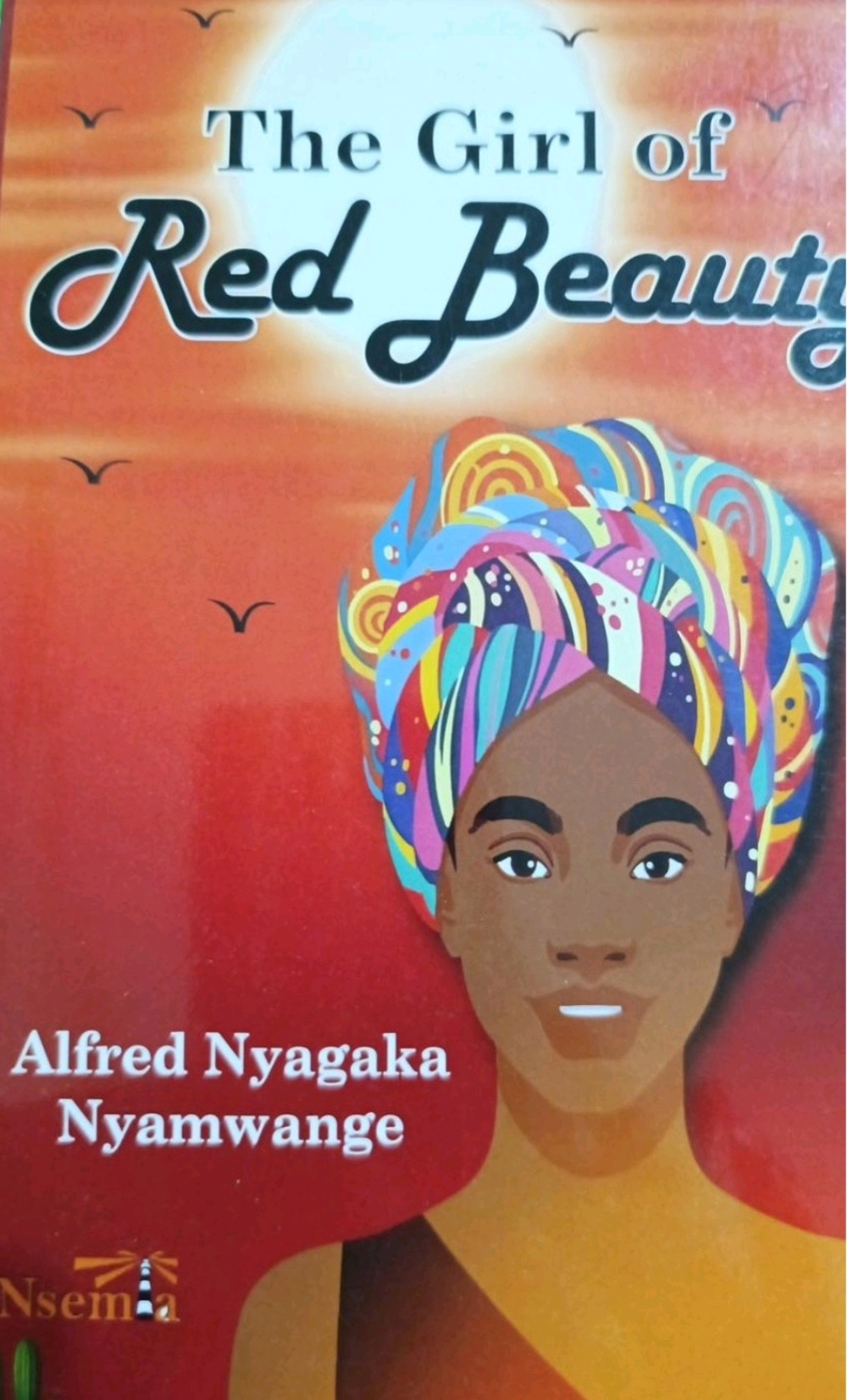
  THE GIRL OF RED BEAUTY  What does it mean to belong to a people, and how can a community preserve its identity when the voices of its ancestors begin to fade beneath the pressures of modernity? In The Girl of Red Beauty, Alfred Nyagaka Nyamwange invites readers into the cultural universe of the AbaGusii through a sustained poetic engagement with the community’s oral traditions, beliefs, social practices and philosophies. Presented in thirteen chapters of verse, the work draws upon songs, proverbs, sayings, stories, play games and the rhythms of everyday life in the Gusii highlands. Its poetic world follows the human journey from birth and childhood through initiation and marriage to old age and death. Along the way, it evokes relationships between individuals, families, the land, the ancestors and the divine. The girl at the centre of the work becomes a poetic point of entry into a much wider cultural landscape: a world shaped by communal memory, inherited wisdom, social expectations and changing relationships. The collection is distinctive in its creative negotiation between written poetry and African orature. Its language draws on indigenous expressions and direct translations from EkeGusii, bringing local imagery and proverbial thought into English. Songs, performance rhythms and the imagined presence of the lyre and drum give the written verse an oral energy, inviting readers not merely to observe the culture but to hear, sing and imaginatively participate in it. The Girl of Red Beauty is both a literary work and an act of cultural remembrance. It does not present tradition as a museum piece; rather, it opens a space for considering cultural continuity, the tensions between inherited practices and contemporary life, and the responsibility of transmitting indigenous knowledge to future generations. Rooted in Gusii experience yet attentive to wider questions of identity and belonging, the book offers international readers an encounter with the imaginative resources of an African community. A poetic celebration of identity, a preservation of memory and an invitation to return to the living sources of cultural knowledge. THE FOOTFALLS OF MY HEART  Love may begin with attraction, but in a traditional community its consequences reach far beyond two individuals. In The Footfalls of My Heart, Alfred Nyagaka Nyamwange presents a narrative poem that explores courtship and marriage in the cultural world of the AbaGusii, giving particular prominence to the voice, perspective and agency of the bride. The poem centres on Gechemba and Rimura. Rimura is a celebrated warrior and prospective groom whose reputation, strength and determination do not automatically guarantee success in love. Gechemba is a young woman who observes, questions, teases and responds to the man seeking her affection. Through her perspective, the reader encounters the emotional play of attraction, hesitation, playful resistance and growing attachment. The courtship becomes a spirited exchange in which wit and persuasion matter alongside status and material wealth. Beyond the romantic encounter, the work traces the social processes through which marriage connects families and lineages. It evokes the meeting between prospective partners, family introductions, negotiations over bride wealth, preparations, marriage rituals, songs, communal celebrations and the incorporation of the bride into a new household. Cattle and other forms of bride wealth carry meanings that extend beyond payment: they express commitment and create networks of relationships between families. The poem is rich in EkeGusii expressions, proverbs, indigenous imagery, humour and the rhythms of oral performance. It draws on cultural memory while allowing readers to consider the values and tensions embedded in marriage practices. The bride’s voice is especially important: she is not simply an object of pursuit but a participant whose response, judgement and choice shape the unfolding relationship. As a companion to The Girl of Red Beauty, this work extends Nyamwange’s poetic exploration of Gusii cultural life. Where the earlier poem approaches the community through a girl’s growth and the wider cycle of life, The Footfalls of My Heart foregrounds the woman’s perspective in the journey towards marriage and family continuity. A warrior pursues; a woman responds and chooses; families negotiate; a community gathers. The Footfalls of My Heart is a poetic exploration of love as both an intimate emotion and a communal bond. THE BROKEN COLUMN  What happens when a society’s established ways of life encounter forces that challenge its institutions, beliefs and sense of identity? The Broken Column by Alfred Nyagaka Nyamwange is a historical and cultural novel set in the world of the AbaGusii, tracing the experiences of a warrior and the wider transformations of his community. At the centre of the narrative is Okeyo, a young man renowned for courage, physical strength and exceptional skill. His reputation as a warrior places him within a social order that values protection, honour, responsibility and service to the community. Yet Okeyo’s life is not a simple succession of heroic achievements. His relationships, personal struggles, choices and encounters with adversity expose the vulnerabilities beneath the public image of the fearless warrior. His destiny is shaped by the demands of his calling and by the changing circumstances of the society around him. The novel evokes a community organised through kinship, village life, ancestral expectations, warrior traditions and collective obligations. Its landscape is not merely a backdrop: it is a lived environment in which cattle, homesteads, social relations and communal security carry cultural significance. Okeyo’s experiences intersect with those of other people, particularly the women whose presence and decisions influence his path. A profound historical change gathers around this personal story. The arrival of foreign authority, missionary Christianity and colonial power unsettles the foundations of the community. Established loyalties are questioned; inherited practices encounter new religious and political claims; and individuals must negotiate the competing demands of continuity, resistance and accommodation. The meaning of courage itself becomes uncertain as the society confronts a future it cannot fully control. The Broken Column therefore operates on two connected levels: it is the story of a man whose life contains both achievement and vulnerability, and the story of a people experiencing a difficult historical transition. Through its engagement with masculinity, identity, power, faith, tradition and colonial encounter, the novel invites readers to consider what happens when the structures that sustain a community begin to fracture.…

اترك تعليقاً

لن يتم نشر عنوان بريدك الإلكتروني. الحقول الإلزامية مشار إليها بـ *