PAN AFRICAN WRITERS ASSOCIATION (PAWA) ANNOUNCES INAUGURATION OF ITS NEW COUNCIL

The Pan African Writers Association (PAWA) proudly announces the official Inauguration of PAWA’s New Council, to be held virtually on Friday, July 25, 2025, at 4:00 PM GMT (5:00 PM Nigeria | 7:00 PM EAT | 6:00 PM NAT).

This significant event will celebrate the newly elected leadership of PAWA and reaffirm the organization’s commitment to uniting and empowering African writers across the continent and the diaspora. The council is composed of distinguished literary figures representing different regions of Africa:

Prof. Bill Ndi (Cameroon/Diaspora) – President

Dr. Wale Okediran (Nigeria) – Secretary General

Ms. Reyna Lineros Jones (Diaspora) – Vice President for the Diaspora

Mr. Ashraf Aboul-Yazid (Egypt) – Vice President for North Africa

Mr. Carlos Paradona (Mozambique) – Vice President for Southern Africa

Prof. Egara Kaba (Kenya) – Vice President for East Africa

Prof. Cherno Omar Barry (The Gambia) – Vice President for West Africa

Mr. Eric Joel Bekale (Gabon) – Vice President for Central Africa

The inauguration will feature Guest Speaker Sherine Greiss, Copyright Development Senior Coordinator at the World Intellectual Property Organization (WIPO), Geneva.

The Guest of Honor will be Hon. Abla Gomashie, Ghana’s Minister for Tourism, Culture and Creative Arts, who will grace the occasion with a keynote address.

Zoom Access Details:
Meeting ID: 96917961863
Passcode: 494135

The event is open to the general public, and all are encouraged to attend this pivotal moment in African literary unity and leadership.

For further inquiries, contact:
Dr. Wale Okediran
Secretary General, PAWA
📧 pawahouse@gmail.com

PAWA remains a vital platform in promoting African literature, supporting writers, and preserving the continent’s rich literary heritage

  • Related Posts

    Cuba Opens Its Doors to the World’s Writers

    International Literary Residence Launches a New Cultural Exchange Initiative **Havana, Cuba** – A new chapter in international literary and cultural cooperation is set to begin with the launch of the…

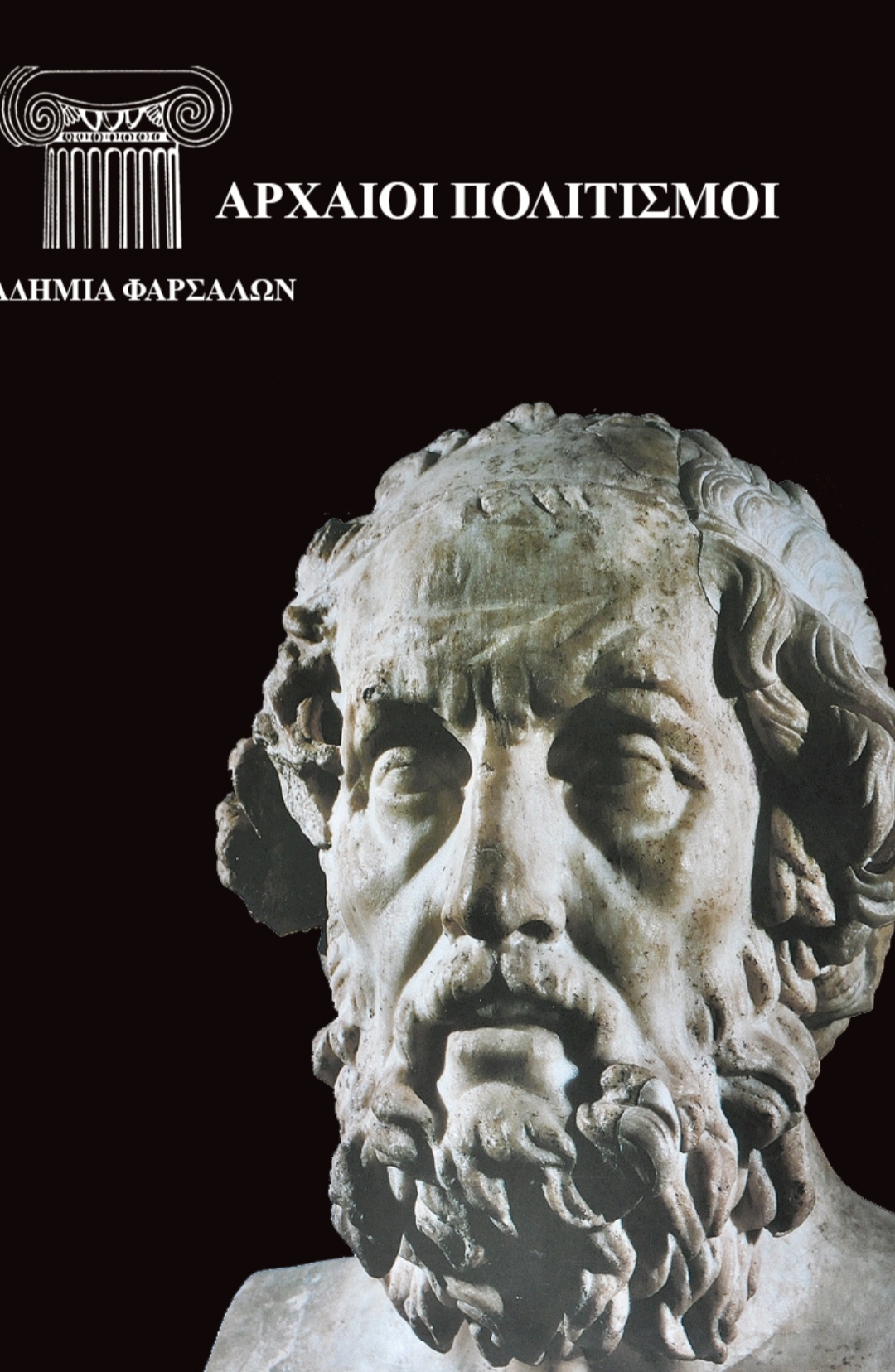
    Homer: The Timeless Models of the Hero

    Epic poetry, which began to develop in the early Geometric Period (1000 BC), reached its full maturity with Homer, who lived in the 8th century BC. Through his heroic epics, the Iliad and the Odyssey, Homer celebrates and brings together two fundamental models of heroism: Achilles, distinguished by his courage, willpower and right action, and Odysseus, distinguished by his prudence, skill in action, effectiveness and altruistic intelligence, which connects the hero with himself and with nature. Homer and Philosophy: Convergences and Analogies Through Time  Achilles’ right action, that is, action free from attachment to its fruits or outcomes, would later find expression in various philosophical traditions: in Plato, in Stoic philosophy (according to which virtue has value in and of itself), in Giordano Bruno and in Kant (acting out of duty, for the sake of duty itself). Plato considered that the philosopher’s primary task was to weave together the virtues of courage and prudence, harmonising will and wisdom. Furthermore, he believed that the fundamental task of the philosopher who becomes a statesman is to ensure the harmonious coexistence of all citizens within the fabric of social life. When a single ruler governs, it is essential that he combines the virtues of courage and prudence. When several rulers govern, courageous and prudent individuals must coexist. Homer in the Renaissance: The Harmony of Strength and Wisdom  The representatives of the Renaissance spirit sought to overcome the contradictions and conflicts of their time and to create a better world. This desire for change led them to seek inspiration in the classical world. Ancient thought was revived through philosophy, while myths and symbols re-emerged through art, particularly painting. Giordano Bruno symbolically portrayed the harmony between strength and wisdom in his work On the Composition of Images, Signs and Ideas, through the figure of a man holding a sceptre in his right hand and a book in his left, symbolising power and wisdom respectively. Paolo Veronese also depicted the symbolic union of strength and wisdom in his painting Allegory of Strength and Wisdom. The painting portrays Hercules, whose gaze is directed towards the earthly world, alongside a female figure representing wisdom, whose gaze is directed towards the celestial and spiritual world. Homer in the Contemporary World: The Timeless Relevance of His Values  Courage Leads to Prudence  A courageous person follows the golden mean. They avoid extremes, both recklessness and cowardice. They maintain their inner balance and do not allow difficulties, despair, melancholy or sorrow to dominate their thoughts and behaviour. Courage helps them overcome psychological and physical difficulties, master their impulses and preserve their inner strength. Prudence, on the other hand, enables them to distinguish right from wrong and to choose the appropriate course of action. Courage without prudence can turn into recklessness, while prudence without courage can remain inactive knowledge. The true fulfilment of the human being lies in the harmonious coexistence of courage and prudence, of strength and wisdom. This is perhaps the timeless message that we can draw from Homer and carry into the contemporary world. Thank you very much for your attention. Yannis K. Fikas President of the Academy of Farsala

    اترك تعليقاً

    لن يتم نشر عنوان بريدك الإلكتروني. الحقول الإلزامية مشار إليها بـ *