مبدعو 100 دولة في مؤتمر منظمة كُتَاب العالم

في يومي 20 و21 سبتمبر 2025، ستُعقد الدورة الثانية لمؤتمر منظمة كُتَاب العالم (WOW)، وهي منصة أدبية دولية تُكرَّس لتعزيز التعاون الأدبي بين الثقافات واللغات والقارات، وذلك ضمن فعاليات الجمعية العامة العالمية (WPA).

تواصل المنظمة توسّعها وتأثيرها العالمي، فبعد النجاح الذي حققته خلال مؤتمرها الأول في أبوجا، نيجيريا عام 2024، تستعد اليوم للدورة الثانية تحت شعار ملهم: “نحن سكان كوكب واحد”، حيث سيلتقي رموز الأدب العالمي للمشاركة في سبع موائد مستديرة متزامنة، ستتناول كل منها جانبًا مهمًا من جوانب الثقافة الأدبية العالمية.

تركّز المائدة المستديرة الأولى على دور اتحادات الكتّاب في صياغة الأجندة الثقافية والإنسانية، أما الثانية فستتطرق إلى فن الترجمة باعتباره ممارسة إنسانية لحفظ المعنى ونقله. وستناقش الثالثة دور المنصات الإعلامية في الترويج للأدب، في حين تتناول الرابعة موضوع الأدب والتعليم الجامعي كرافعة للتنمية البشرية. المائدة الخامسة ستجمع الكتّاب الشباب للحديث عن دعم الجيل الجديد من المؤلفين بوصفهم استثمارًا في المستقبل. وتُعنى المنصة السادسة بـ المعارض والناشرين والمهرجانات الأدبية بوصفها فضاءً للتفاعل الثقافي، بينما تختتم السابعة بمناقشة الدراما والسينما كامتداد حيّ للكلمة الأدبية.

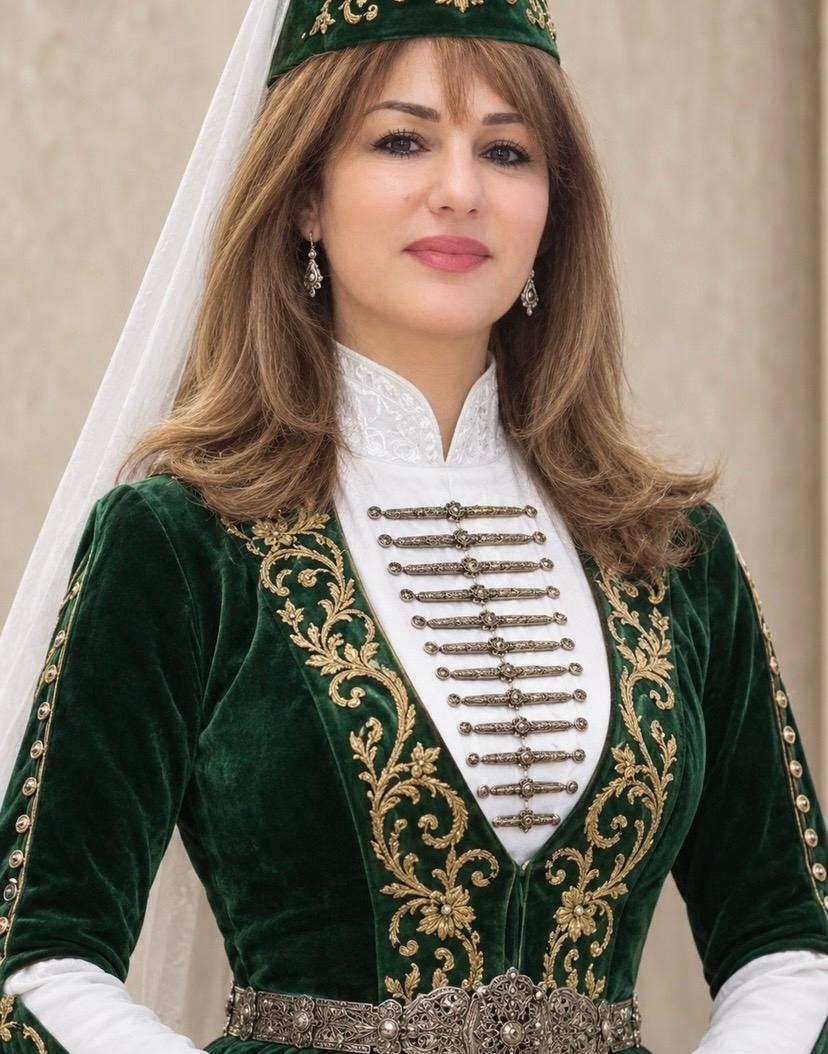
Margarita Al, President of the World Organization  of Writers (WOW)

ووفقًا لرئيسة منظمة كُتَاب العالم مارجريتا آل، فإن كل مائدة ستكون بمثابة نقطة انطلاق، حيث تكون الأدب مسؤولية تجاه العالم. تقول مارجريتا:


“هذا هو نموذجنا الاستراتيجي، بابلنا الأدبية الصغيرة. نقيم في الوقت نفسه سبع موائد مستديرة، بسبعة موضوعات، في سبعة اتجاهات لا تتنافس بل تتقاطع. لكل منها منسق ومجموعة من المتحدثين البارزين. في الجزء الأول، يناقش المشاركون الموضوع في دائرة مهنية، وفي الجزء الثاني يقدّم ممثل عن كل مجموعة خلاصة النقاش ويجيب على الأسئلة. هذا ما يخلق حوارًا أفقيًا حيًا، ويتيح اتخاذ قرارات عملية. إنه ليس نموذجًا من نوع (جلسنا ثم تفرقنا)، بل (التقينا فأطلقنا حركة). إنّه الحوار بوصفه شكلًا من أشكال التفكير.”

وقد أكّد كتّاب من أبخازيا، أذربيجان، الجزائر، بنغلاديش، بيلاروسيا، بوليفيا، البرازيل، بوركينا فاسو، بوروندي، غامبيا، غانا، جيبوتي، مصر، زامبيا، الهند، إندونيسيا، كازاخستان، كولومبيا، الكونغو، كوبا، مالاوي، المغرب، ناميبيا، نيجيريا، الإمارات العربية المتحدة، رواندا، السنغال، أرض الصومال، طاجيكستان، تنزانيا، الجبل الأسود، إثيوبيا، جنوب إفريقيا مشاركتهم في المؤتمر بموسكو. ويُتوقع أن يشارك كُتّاب من أكثر من 100 دولة حول العالم.

ومن المحتمل أن يجتمع جميع الحائزين على جوائز WOW للمرة الأولى خلال المؤتمر. وكما هو معتاد، ستُسلّم راية WOW رسميًا، حيث تُسلم نيجيريا – ممثلة بالكاتب والي أوكيديران – الشعلة إلى روسيا، ممثلةً بالشاعرة وسفيرة النوايا الحسنة لليونسكو ألكسندرا أوشيروفا. وفي اليوم الأخير للمؤتمر، سيتم الإعلان عن أسماء الفائزين الجدد بجوائز WOW، إلى جانب الدولة التي ستستضيف المؤتمر الثالث في عام 2026.

وتختم مارجريتا تصريحها قائلة:
“نحن نبحث عن حلول: ترجمات جديدة، مشاريع مشتركة، برامج دعم. لكن الأهم من ذلك هو تشكيل مبادرات قابلة للتنفيذ: قرارات، شبكات تواصل، خطط للنشر والمهرجانات، بحيث لا تنتهي اللقاءات بمجرد النقاش، بل تنطلق منها أفعال ملموسة تعزز التعاون الأدبي الدولي. ليغادر كل مشارك وهو يشعر: أنا لست وحدي، أنا مهم، وقد بدأنا شيئًا حقيقيًا.” 

Related Posts

Cuba Opens Its Doors to the World’s Writers

International Literary Residence Launches a New Cultural Exchange Initiative **Havana, Cuba** – A new chapter in international literary and cultural cooperation is set to begin with the launch of the…

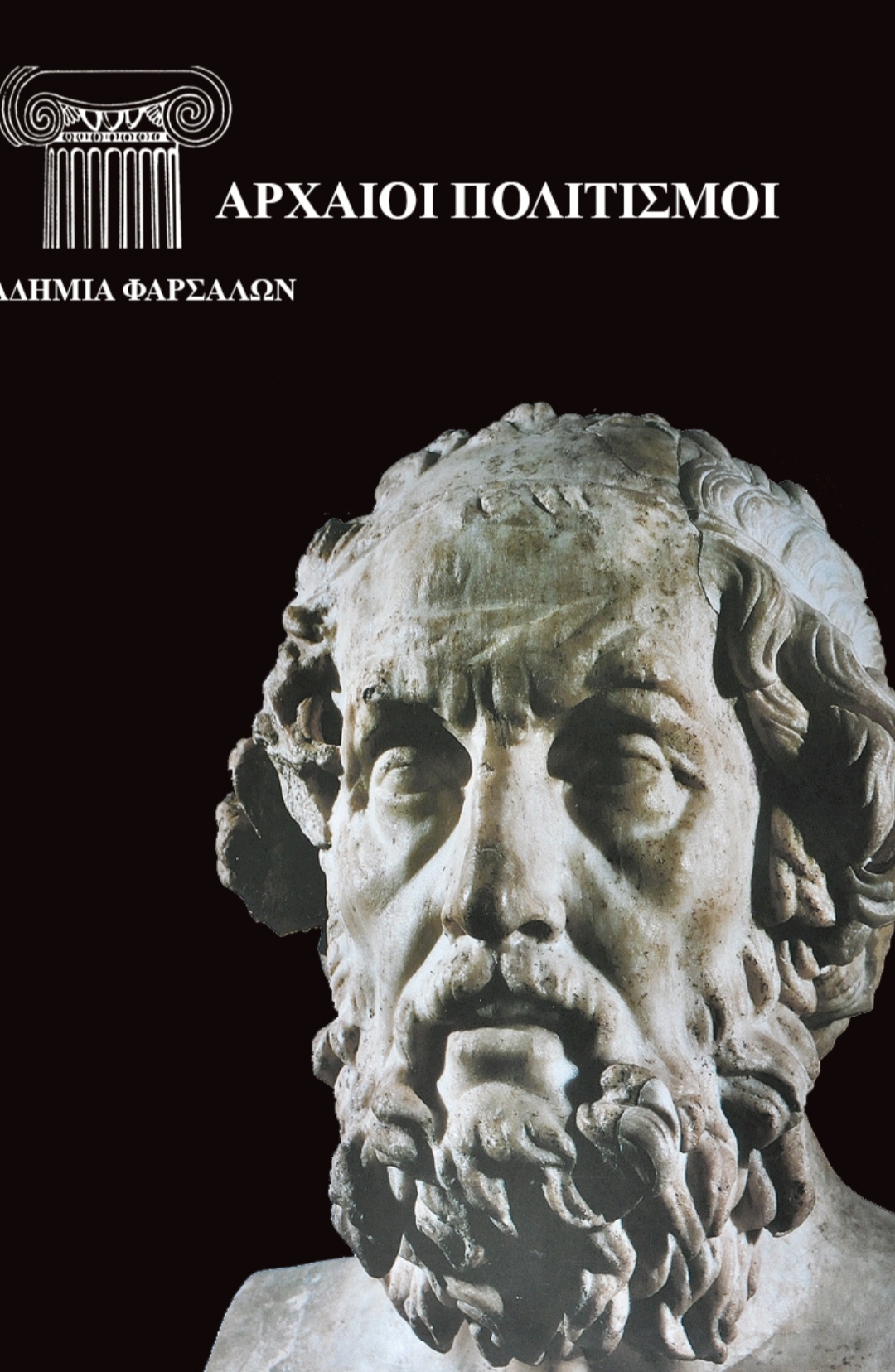
Homer: The Timeless Models of the Hero

Epic poetry, which began to develop in the early Geometric Period (1000 BC), reached its full maturity with Homer, who lived in the 8th century BC. Through his heroic epics, the Iliad and the Odyssey, Homer celebrates and brings together two fundamental models of heroism: Achilles, distinguished by his courage, willpower and right action, and Odysseus, distinguished by his prudence, skill in action, effectiveness and altruistic intelligence, which connects the hero with himself and with nature. Homer and Philosophy: Convergences and Analogies Through Time  Achilles’ right action, that is, action free from attachment to its fruits or outcomes, would later find expression in various philosophical traditions: in Plato, in Stoic philosophy (according to which virtue has value in and of itself), in Giordano Bruno and in Kant (acting out of duty, for the sake of duty itself). Plato considered that the philosopher’s primary task was to weave together the virtues of courage and prudence, harmonising will and wisdom. Furthermore, he believed that the fundamental task of the philosopher who becomes a statesman is to ensure the harmonious coexistence of all citizens within the fabric of social life. When a single ruler governs, it is essential that he combines the virtues of courage and prudence. When several rulers govern, courageous and prudent individuals must coexist. Homer in the Renaissance: The Harmony of Strength and Wisdom  The representatives of the Renaissance spirit sought to overcome the contradictions and conflicts of their time and to create a better world. This desire for change led them to seek inspiration in the classical world. Ancient thought was revived through philosophy, while myths and symbols re-emerged through art, particularly painting. Giordano Bruno symbolically portrayed the harmony between strength and wisdom in his work On the Composition of Images, Signs and Ideas, through the figure of a man holding a sceptre in his right hand and a book in his left, symbolising power and wisdom respectively. Paolo Veronese also depicted the symbolic union of strength and wisdom in his painting Allegory of Strength and Wisdom. The painting portrays Hercules, whose gaze is directed towards the earthly world, alongside a female figure representing wisdom, whose gaze is directed towards the celestial and spiritual world. Homer in the Contemporary World: The Timeless Relevance of His Values  Courage Leads to Prudence  A courageous person follows the golden mean. They avoid extremes, both recklessness and cowardice. They maintain their inner balance and do not allow difficulties, despair, melancholy or sorrow to dominate their thoughts and behaviour. Courage helps them overcome psychological and physical difficulties, master their impulses and preserve their inner strength. Prudence, on the other hand, enables them to distinguish right from wrong and to choose the appropriate course of action. Courage without prudence can turn into recklessness, while prudence without courage can remain inactive knowledge. The true fulfilment of the human being lies in the harmonious coexistence of courage and prudence, of strength and wisdom. This is perhaps the timeless message that we can draw from Homer and carry into the contemporary world. Thank you very much for your attention. Yannis K. Fikas President of the Academy of Farsala

اترك تعليقاً

لن يتم نشر عنوان بريدك الإلكتروني. الحقول الإلزامية مشار إليها بـ *