موسكو: المؤتمر الثاني لمنظمة كتاب العالم

في إطار الجمعية العالمية للشعوب، عُقد في موسكو يومي 20 و21 سبتمبر المؤتمر الثاني للمنظمة العالمية للكتّاب (World Organization of Writers, WOW).

قالت رئيسة منظمة كتاب العالم  مارجريتا آل في بيان صحفي صادر عن WOW:

“لقد اجتمع في موسكو مؤلفون من أكثر من 60 دولة في العالم. عُرضت أعمالهم بست لغات، وتمحورت حول الموضوع الرئيس للمؤتمر: السلام ووحدة الإنسانية”.

وفي افتتاح المؤتمر الثاني للكتّاب في موسكو، نقلت السيدة آل تحية من الحائز على جائزة نوبل للأدب وولي شوينكا.

ناقش المشاركون خلال جلسات المؤتمر دور الاتحادات الأدبية، وفن الترجمة، ومعارض الكتب، ودعم المواهب الشابة، إلى جانب قضايا ملحة أخرى في مجال الأدب. وكان من أبرز القضايا المطروحة استخدام الذكاء الاصطناعي في المجال الأدبي.

قال الشاعر البنغالي أمينور رحمن:

“يمكننا استخدام الذكاء الاصطناعي كأداة، لكن لا يمكننا الاعتماد عليه. فإذا اعتمدنا عليه فهذا يعني أننا نتخلى عن نوايانا وعن عاطفتنا الإنسانية”.

كما شهد المؤتمر حفل توزيع جوائز WOW الأدبية العالمية، التي مُنحت لمؤلفين أظهروا مستوى رفيعًا من الإبداع وأسهموا بشكل ملموس في تطوير الأدب العالمي.

الفائزون بجائزة WOW لعام 2025:

  • لويس كارلوس ريبيرو بريستيس (البرازيل): عن رواية باهرة عن تاريخ بلاده ورحلة فريدة بطول 24 ألف كيلومتر على خطى “عمود بريستيس”.

  • سي كي (الصين): عن شعر يجمع بين الحاضر وذاكرة الماضي العظيم.

  • كورنيا سوپريخاتين (إندونيسيا): عن قصائد تجسد ألم الإنسانية وفرحها وشعار العصر: “نحن بشر على كوكب واحد”.

  • إبراهيم إستانبولي (سوريا): عن ترجماته الرفيعة للأدب الروسي إلى اللغة العربية.

  • فاليري بايدين (فرنسا): عن أسلوبه الفرنسي الأصيل وخفته ولعمق الفلسفة في أعماله.

  • ليديا غريغوريفا (روسيا): عن شعلة الكلمة الروسية التي حفظتها في كل سطر وقدمتها للعالم.

كما أعلنت ثلاث دول — البرازيل، الصين، وإندونيسيا — استعدادها لاستضافة مؤتمرات WOW القادمة في عام 2026.

وقد مُنح العديد من الشعراء والكتّاب ميداليات وشهادات من الدرجة الأولى تقديرًا لإسهامهم في تطوير الأدب العالمي.

  • Related Posts

    Cuba Opens Its Doors to the World’s Writers

    International Literary Residence Launches a New Cultural Exchange Initiative **Havana, Cuba** – A new chapter in international literary and cultural cooperation is set to begin with the launch of the…

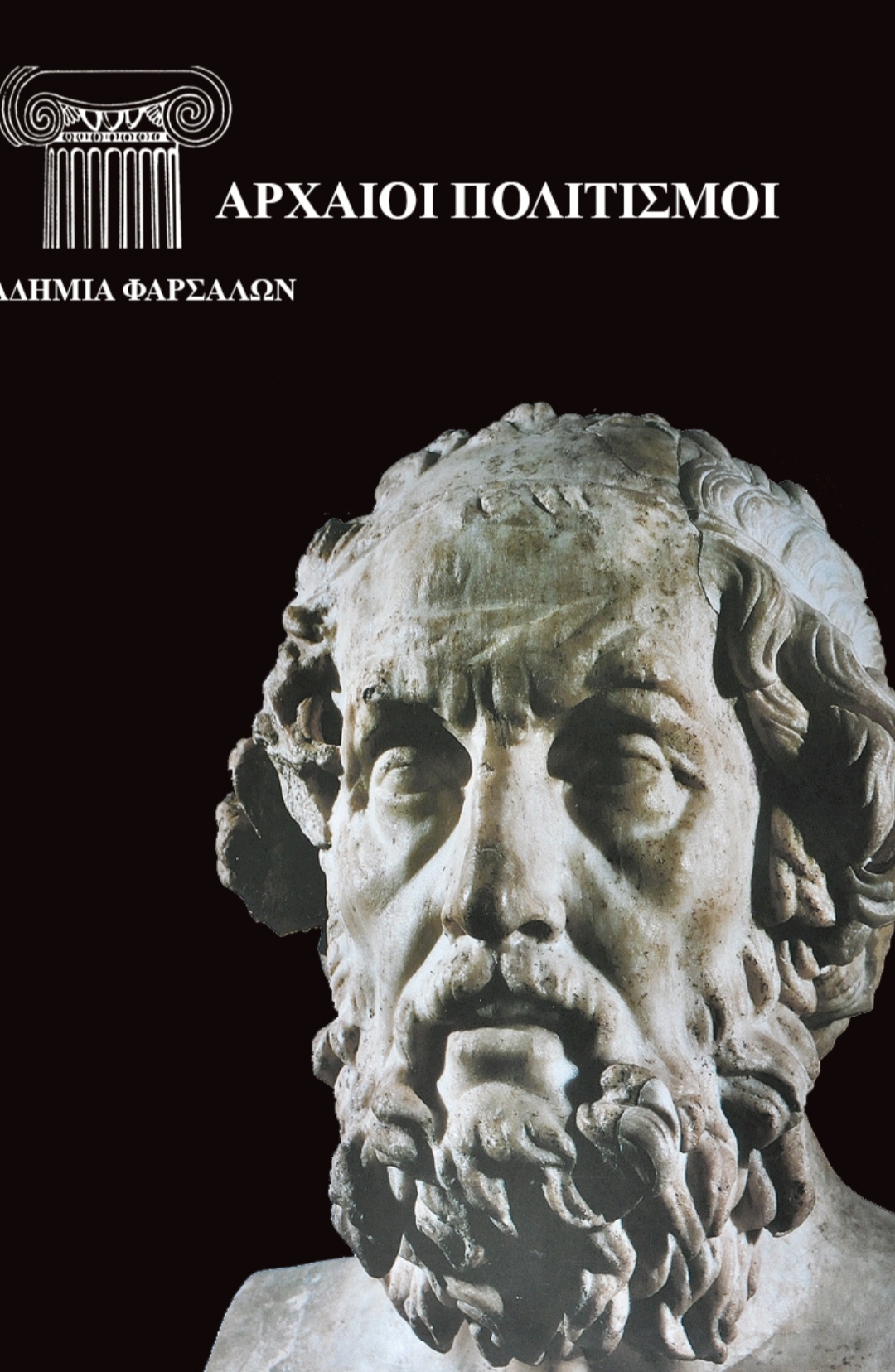
    Homer: The Timeless Models of the Hero

    Epic poetry, which began to develop in the early Geometric Period (1000 BC), reached its full maturity with Homer, who lived in the 8th century BC. Through his heroic epics, the Iliad and the Odyssey, Homer celebrates and brings together two fundamental models of heroism: Achilles, distinguished by his courage, willpower and right action, and Odysseus, distinguished by his prudence, skill in action, effectiveness and altruistic intelligence, which connects the hero with himself and with nature. Homer and Philosophy: Convergences and Analogies Through Time  Achilles’ right action, that is, action free from attachment to its fruits or outcomes, would later find expression in various philosophical traditions: in Plato, in Stoic philosophy (according to which virtue has value in and of itself), in Giordano Bruno and in Kant (acting out of duty, for the sake of duty itself). Plato considered that the philosopher’s primary task was to weave together the virtues of courage and prudence, harmonising will and wisdom. Furthermore, he believed that the fundamental task of the philosopher who becomes a statesman is to ensure the harmonious coexistence of all citizens within the fabric of social life. When a single ruler governs, it is essential that he combines the virtues of courage and prudence. When several rulers govern, courageous and prudent individuals must coexist. Homer in the Renaissance: The Harmony of Strength and Wisdom  The representatives of the Renaissance spirit sought to overcome the contradictions and conflicts of their time and to create a better world. This desire for change led them to seek inspiration in the classical world. Ancient thought was revived through philosophy, while myths and symbols re-emerged through art, particularly painting. Giordano Bruno symbolically portrayed the harmony between strength and wisdom in his work On the Composition of Images, Signs and Ideas, through the figure of a man holding a sceptre in his right hand and a book in his left, symbolising power and wisdom respectively. Paolo Veronese also depicted the symbolic union of strength and wisdom in his painting Allegory of Strength and Wisdom. The painting portrays Hercules, whose gaze is directed towards the earthly world, alongside a female figure representing wisdom, whose gaze is directed towards the celestial and spiritual world. Homer in the Contemporary World: The Timeless Relevance of His Values  Courage Leads to Prudence  A courageous person follows the golden mean. They avoid extremes, both recklessness and cowardice. They maintain their inner balance and do not allow difficulties, despair, melancholy or sorrow to dominate their thoughts and behaviour. Courage helps them overcome psychological and physical difficulties, master their impulses and preserve their inner strength. Prudence, on the other hand, enables them to distinguish right from wrong and to choose the appropriate course of action. Courage without prudence can turn into recklessness, while prudence without courage can remain inactive knowledge. The true fulfilment of the human being lies in the harmonious coexistence of courage and prudence, of strength and wisdom. This is perhaps the timeless message that we can draw from Homer and carry into the contemporary world. Thank you very much for your attention. Yannis K. Fikas President of the Academy of Farsala

    اترك تعليقاً

    لن يتم نشر عنوان بريدك الإلكتروني. الحقول الإلزامية مشار إليها بـ *