أحمد يوسف عقيلة: ذاكرة الجبل وصوت الحكاية الليبية الجبل الأخضر، ليبيا

في مساءات هادئة، حين تهب الرياح بين سهول الجبل الأخضر، كان الصبي أحمد يوسف يجلس إلى جوار جدته يستمع للحكايات والأساطير المنقولة شفهيًا عبر الأجيال. أصوات الريح وألحان الطبيعة كانت جزءًا من سردها، وكأن الأرض نفسها تحكي له قصصها. لم يكن يعلم حينها أن هذه الحكايات ستصبح فيما بعد جوهر تجربته الأدبية، ونافذة يطل منها على العالم من خلال القصة والبحث التراثي. وُلد أحمد يوسف عقيلة عام 1956 في أحد نجوع الجبل الأخضر، ونشأ في بيئة بدوية صارمة، حيث الأمثال والحكايات الشعبية تشكل اللبنة الأولى في وعي الطفل وكتابته المستقبلية.

بعد دراسته الثانوية، التحق بجامعة بنغازي عام 1979 لدراسة الأدب العربي، لتبدأ رحلة طويلة من الكتابة، البحث في التراث، والتوثيق الثقافي. الحكاية الشعبية كجذر للإبداع عقيلة لم يتعامل مع الحكاية الشعبية كأثر متحفي جامد، بل ككائن حيّ يتنفس ويتحوّل داخل نصوصه. في مجموعته الخيول البيض، يُعيد بناء الحكاية التقليدية في ثوب حديث، محتفظًا بروحها الشفوية وإيقاعها البدوي، لكنه يضيف إليها شجنًا وجوديًا يلامس قلق الإنسان المعاصر. يكتب عقيلة: «كانت جدتي تحكي لنا عن الخيول التي تركض في الليل، فنصحو ونحن نبحث عن آثار حوافرها على الرمل..». هذه الجملة البسيطة تحوّل تجربة الطفولة إلى سرد يحمل روح الحكاية الشعبية، ويجعلها متجددة في النص الأدبي.

في مجموعاته الأخرى مثل خراريف ليبية ودرب الحلازين، نلمس حضور البيئة: الرياح، المطر، النباتات، أصوات الحيوانات، وحتى أصوات الريف الصغيرة تتحول إلى شخصيات مشاركة في الحكاية. يقول عقيلة: «الريح في وادي الكوف ليست مجرد هواء عابر، إنها ذاكرة.. إذا أصغيت جيدًا تسمع أنين الذين مروا من هنا منذ قرون». اللغة: جسور بين البساطة والفصاحة يتقن عقيلة اللعب على ثنائية اللغة: فصيحة رشيقة ودارج شعبي محمّل بالأمثال والروائح المحلية. هذا المزج يجعل نصوصه قريبة من المتلقي المحلي، وقابلة للترجمة والانفتاح على قارئ عالمي، وهو ما تحقق بالفعل بترجمة أعماله إلى الفارسية، التركية، الإنجليزية، الفرنسية، والإيطالية.

أحمد يوسف عقيلة

وقد عبّر عن هذا الأسلوب قائلًا: «أنا أكتب بالعربية الفصحى، لكنني أفتح نوافذها لتدخل رائحة خبز التنور وأصوات النساء في الأفراح». الذاكرة والبيئة كهوية عقيلة كاتب ذاكرة بامتياز؛ لا يكتب عن المدن الكبرى أو السياسة، بل عن الإنسان البسيط في مواجهة الزمان والطبيعة. هذه “المحلية” ليست انغلاقًا، بل نافذة يرى منها العالم. لذا يشبهه النقاد ببعض الكتّاب العرب الذين أعادوا الاعتبار للموروث الشعبي، مثل الطيب صالح وإبراهيم الكوني، مع اختلاف المرجعيات والتجارب. يقول عقيلة: «أحمل قريتي معي أينما ذهبت، إنها مثل ظلٍ يسبقني». هذه الجملة تلخص فلسفته في الكتابة: أن يكون الكاتب شاهدًا على ذاكرة المكان مهما ابتعد عن موطنه. أثره الثقافي لم يكن عقيلة مجرد قاص، بل أيضًا مدوّن للذاكرة الشعبية.

برنامجه الإذاعي سوائر الأمثال في إذاعة الجبل الأخضر كان محاولة لتوثيق كنوز القول الشعبي الليبي، كما أن كتاباته النقدية والبحثية تعكس حسّ المؤرخ الثقافي، الذي يدرك خطورة اندثار الموروث الشفوي إذا لم يُسجّل ويُكتب. تأملات ما بعد النص أحمد يوسف عقيلة ليس مجرد راوٍ للحكاية، بل حارسٌ على الذاكرة الليبية. في نصوصه تتجاور البساطة مع الفلسفة، والطفولة مع الحكمة، والذاكرة مع الحلم. كأنه يذكّرنا دومًا أن الحكاية ليست ماضيًا يُروى وحسب، بل هي حاضر يتنفس في تفاصيلنا اليومية، ومستقبل يستمد ملامحه من جذور الأرض. إن تجربة عقيلة تمثل جسرًا بين الشفوي والكتابي، بين الفردي والجماعي، وبين الحلم والواقع، لتفتح أمام القارئ أسئلة الهوية والمعنى والذاكرة في آن واحد

Related Posts

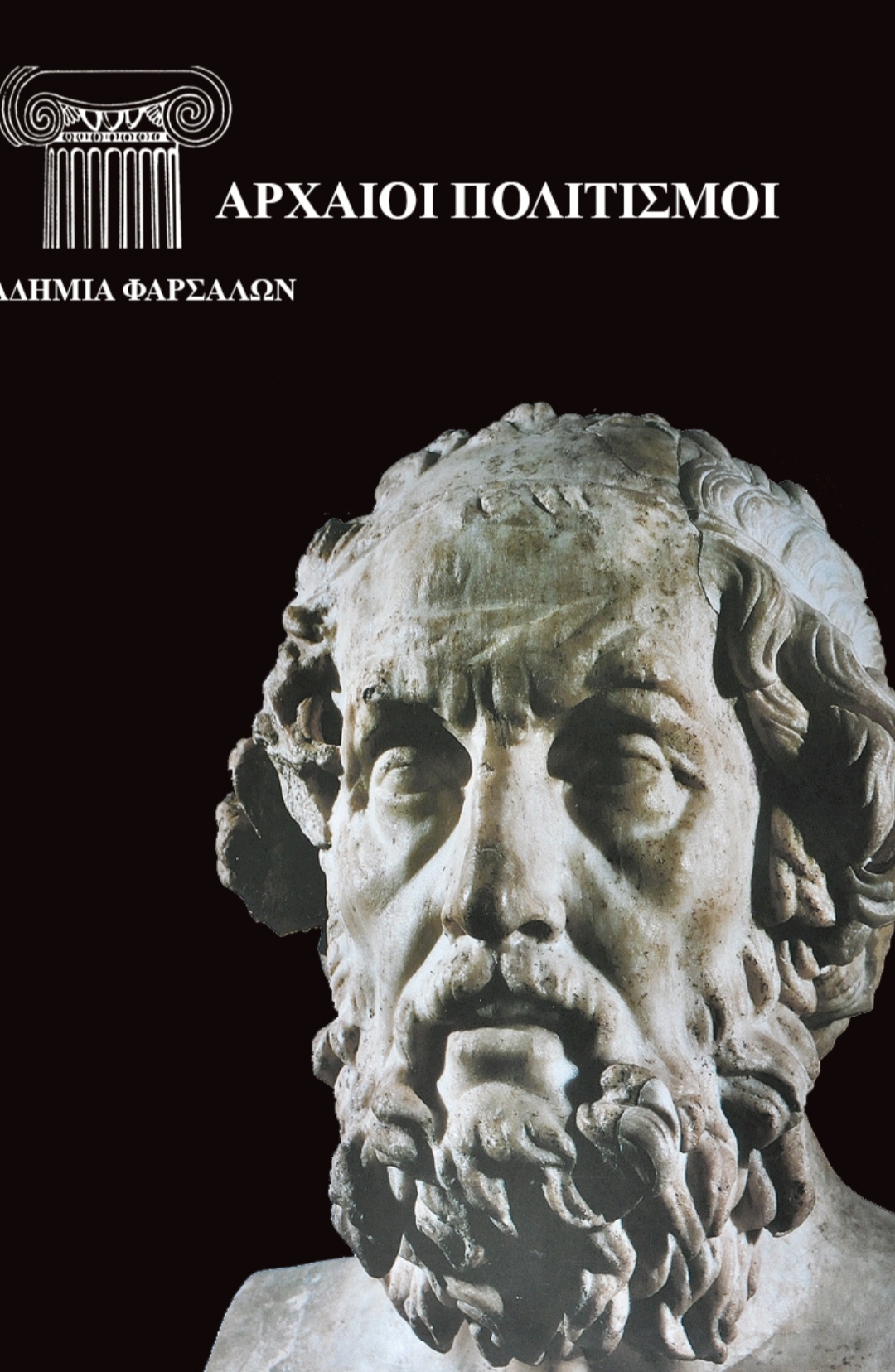
Homer: The Timeless Models of the Hero

Epic poetry, which began to develop in the early Geometric Period (1000 BC), reached its full maturity with Homer, who lived in the 8th century BC. Through his heroic epics, the Iliad and the Odyssey, Homer celebrates and brings together two fundamental models of heroism: Achilles, distinguished by his courage, willpower and right action, and Odysseus, distinguished by his prudence, skill in action, effectiveness and altruistic intelligence, which connects the hero with himself and with nature. Homer and Philosophy: Convergences and Analogies Through Time  Achilles’ right action, that is, action free from attachment to its fruits or outcomes, would later find expression in various philosophical traditions: in Plato, in Stoic philosophy (according to which virtue has value in and of itself), in Giordano Bruno and in Kant (acting out of duty, for the sake of duty itself). Plato considered that the philosopher’s primary task was to weave together the virtues of courage and prudence, harmonising will and wisdom. Furthermore, he believed that the fundamental task of the philosopher who becomes a statesman is to ensure the harmonious coexistence of all citizens within the fabric of social life. When a single ruler governs, it is essential that he combines the virtues of courage and prudence. When several rulers govern, courageous and prudent individuals must coexist. Homer in the Renaissance: The Harmony of Strength and Wisdom  The representatives of the Renaissance spirit sought to overcome the contradictions and conflicts of their time and to create a better world. This desire for change led them to seek inspiration in the classical world. Ancient thought was revived through philosophy, while myths and symbols re-emerged through art, particularly painting. Giordano Bruno symbolically portrayed the harmony between strength and wisdom in his work On the Composition of Images, Signs and Ideas, through the figure of a man holding a sceptre in his right hand and a book in his left, symbolising power and wisdom respectively. Paolo Veronese also depicted the symbolic union of strength and wisdom in his painting Allegory of Strength and Wisdom. The painting portrays Hercules, whose gaze is directed towards the earthly world, alongside a female figure representing wisdom, whose gaze is directed towards the celestial and spiritual world. Homer in the Contemporary World: The Timeless Relevance of His Values  Courage Leads to Prudence  A courageous person follows the golden mean. They avoid extremes, both recklessness and cowardice. They maintain their inner balance and do not allow difficulties, despair, melancholy or sorrow to dominate their thoughts and behaviour. Courage helps them overcome psychological and physical difficulties, master their impulses and preserve their inner strength. Prudence, on the other hand, enables them to distinguish right from wrong and to choose the appropriate course of action. Courage without prudence can turn into recklessness, while prudence without courage can remain inactive knowledge. The true fulfilment of the human being lies in the harmonious coexistence of courage and prudence, of strength and wisdom. This is perhaps the timeless message that we can draw from Homer and carry into the contemporary world. Thank you very much for your attention. Yannis K. Fikas President of the Academy of Farsala

أيام العمر |  سيرة يرويها الفنان د. كمال هاشم

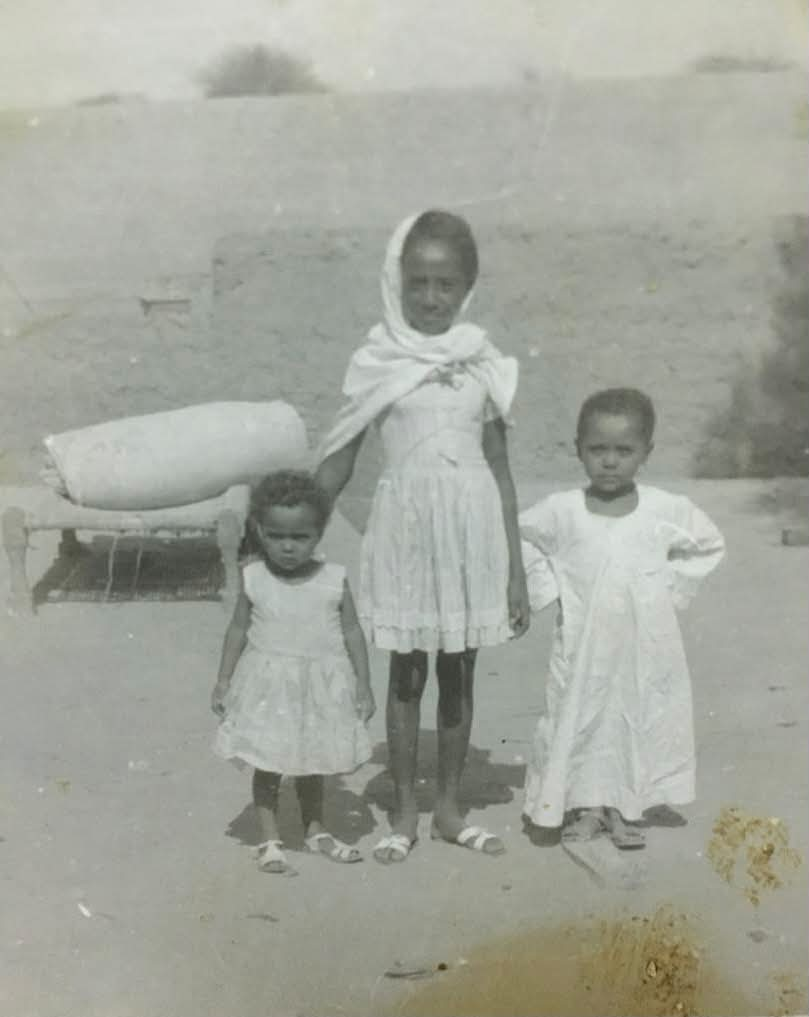
١. أيام الطفولة الباكرة في حي بُرّي العريق بالخرطوم، كانت صرختي الأولى في الحياة، في يوم شتوي وافق السادس عشر من يناير عام ١٩٦٢م. هناك بدأت رحلتي مع الدنيا، دون…

اترك تعليقاً

لن يتم نشر عنوان بريدك الإلكتروني. الحقول الإلزامية مشار إليها بـ *