New Year’s Greeting From the Chinese Poet Cao Shui 

If You Think There Will Be A Good Future, Then You Must Not Have Listened Carefully Enough!

Poets from China and the world!
Hello! I am Cao Shui, Chinese poet, novelist, playwright, translator and General Coordinator of Great Poetry Movement. As the Chinese Year of the Horse approaches, I wish you all good luck and success! I hope that in the new year, you can integrate the West and East cultures, integrate the ancient and modern cultures, integrate the sacred and secular cultures, and create great poetry. Here I recite a new poem: My Ancestor Cao Cao Grabbed My Ear In My Dream And Said: If You Think There Will Be a Good Future, Then You Must Not Have Listened Carefully Enough!
“My Ancestor Cao Cao Grabbed My Ear In My Dream And Said: If You Think There Will Be A Good Future, Then You Must Not Have Listened Carefully Enough!”
By Cao Shui(China)
Facing thousands of troops and horses alone
Rumors whizzed past my ears
I fell asleep after sleepless nights
The sun and moon rotate, and the stars shine brightly
My ancestor Cao Cao grabbed my ear and said, ‘Hold on!’
If you think there will be a good future ahead
That must be because you didn’t listen carefully enough
Don’t hate villains
Villains are the ladder to the summit
Chaos is not an abyss
Chaos is the ladder to glory
In the game of power
You either win or lose
There is absolutely no intermediate state
Don’t be superstitious about power
Don’t be superstitious about authority
Believe it, it exists; don’t believe it, it doesn’t exist
You declared his death sentence in your heart
You must personally take action
Those people have no honor
You don’t need to doubt
Chickens and dogs walking on the earth
Not qualified to evaluate tigers and lions
Heroes of the world are like crucian carp crossing the river
Heroes like dragons and phoenixes are still struggling
What reason do you have not to strive
Every mortal has a death
So there’s no need to be afraid
There is only one God in the world
His name is Death
We can only say to the Grim Reaper
All are equal before death
The gods will guide you
Your enemies will be burned to death
Villains behind you will be drown
The combination of yin and yang will achieve everything
Writing poetry is the art of dragon slaying
I cannot offer you any benefits
But writing poetry can definitely slay dragons
But writing poetry will establish a new world
Unicorn is not a creature in the pool
Once in a storm, it transforms into a flying dragon
Dragon was trapped in a well for ten years
Once lucky, it will fly into the clouds
Never forget the Cao family in the blood
Because only ancestors will not forget you
It’s better for me to betray others than for others to betray me
Art of war is the art of trickery, one must adapt to changing circumstances
To govern with the Dao, one can do anything
Encapsulate universe and time, throughput heaven and earth
Please recite with the genes of your ancestors:
Waving the sickle, reaping the world
Wherever I touch, it will wither
Yin within Yang, Overturning the World
Flying tongue, reaching the top of the Tower of Babel
Arm yourself with yourself
No one can hurt you
When you face thousands of troops and horses
Even one person can win
I woke up from three thousand nightmares
My ancestor Cao Cao
Departing by the Sun and Moon
Cover up the Star and Milky Way
I started to pick up a pen and write again
I always feel like it’s only one step away
Flying tongue, reaching the top of the Tower of Babel

Related Posts

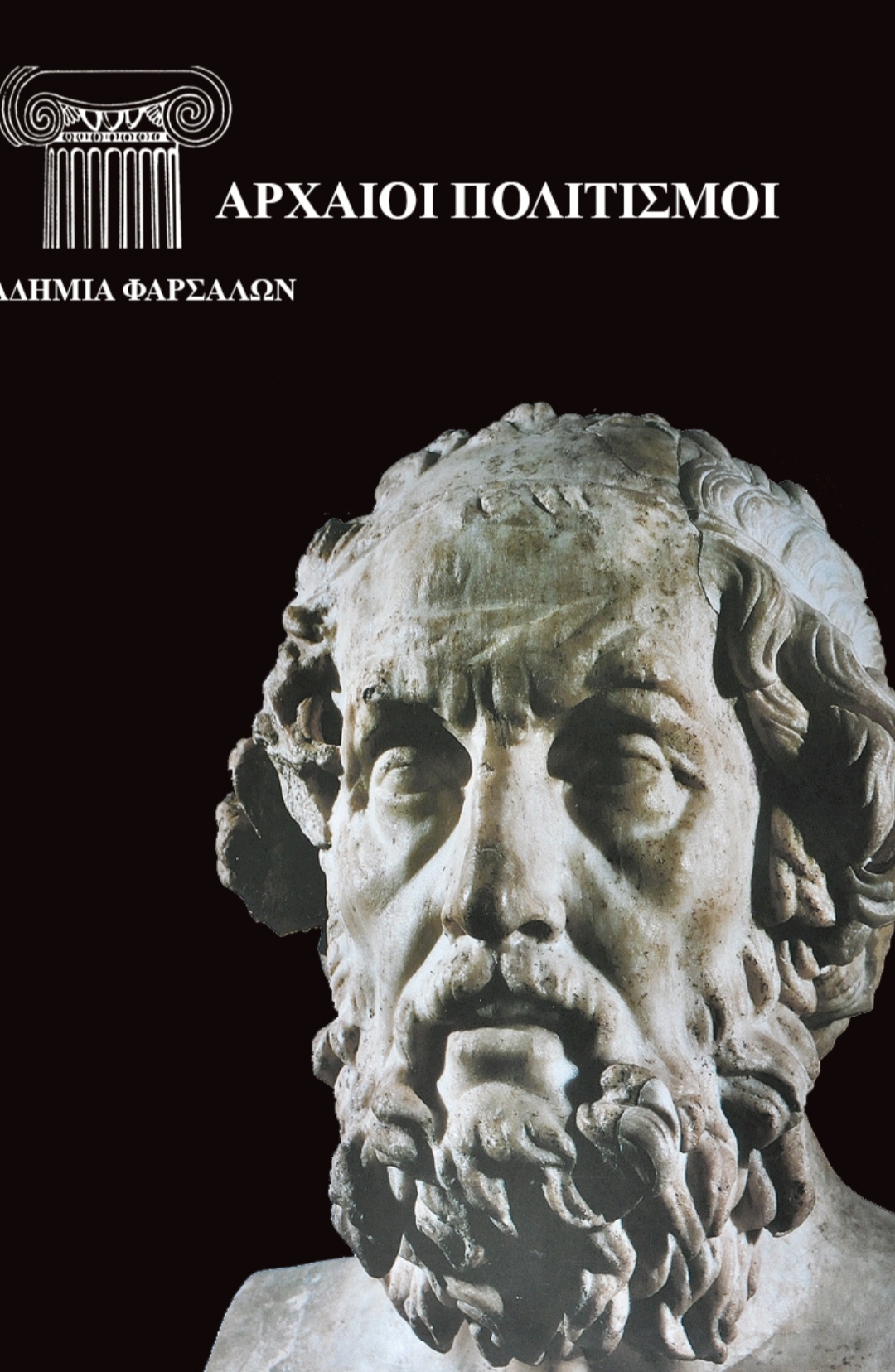
Homer: The Timeless Models of the Hero

Epic poetry, which began to develop in the early Geometric Period (1000 BC), reached its full maturity with Homer, who lived in the 8th century BC. Through his heroic epics, the Iliad and the Odyssey, Homer celebrates and brings together two fundamental models of heroism: Achilles, distinguished by his courage, willpower and right action, and Odysseus, distinguished by his prudence, skill in action, effectiveness and altruistic intelligence, which connects the hero with himself and with nature. Homer and Philosophy: Convergences and Analogies Through Time  Achilles’ right action, that is, action free from attachment to its fruits or outcomes, would later find expression in various philosophical traditions: in Plato, in Stoic philosophy (according to which virtue has value in and of itself), in Giordano Bruno and in Kant (acting out of duty, for the sake of duty itself). Plato considered that the philosopher’s primary task was to weave together the virtues of courage and prudence, harmonising will and wisdom. Furthermore, he believed that the fundamental task of the philosopher who becomes a statesman is to ensure the harmonious coexistence of all citizens within the fabric of social life. When a single ruler governs, it is essential that he combines the virtues of courage and prudence. When several rulers govern, courageous and prudent individuals must coexist. Homer in the Renaissance: The Harmony of Strength and Wisdom  The representatives of the Renaissance spirit sought to overcome the contradictions and conflicts of their time and to create a better world. This desire for change led them to seek inspiration in the classical world. Ancient thought was revived through philosophy, while myths and symbols re-emerged through art, particularly painting. Giordano Bruno symbolically portrayed the harmony between strength and wisdom in his work On the Composition of Images, Signs and Ideas, through the figure of a man holding a sceptre in his right hand and a book in his left, symbolising power and wisdom respectively. Paolo Veronese also depicted the symbolic union of strength and wisdom in his painting Allegory of Strength and Wisdom. The painting portrays Hercules, whose gaze is directed towards the earthly world, alongside a female figure representing wisdom, whose gaze is directed towards the celestial and spiritual world. Homer in the Contemporary World: The Timeless Relevance of His Values  Courage Leads to Prudence  A courageous person follows the golden mean. They avoid extremes, both recklessness and cowardice. They maintain their inner balance and do not allow difficulties, despair, melancholy or sorrow to dominate their thoughts and behaviour. Courage helps them overcome psychological and physical difficulties, master their impulses and preserve their inner strength. Prudence, on the other hand, enables them to distinguish right from wrong and to choose the appropriate course of action. Courage without prudence can turn into recklessness, while prudence without courage can remain inactive knowledge. The true fulfilment of the human being lies in the harmonious coexistence of courage and prudence, of strength and wisdom. This is perhaps the timeless message that we can draw from Homer and carry into the contemporary world. Thank you very much for your attention. Yannis K. Fikas President of the Academy of Farsala

أيام العمر |  سيرة يرويها الفنان د. كمال هاشم

١. أيام الطفولة الباكرة في حي بُرّي العريق بالخرطوم، كانت صرختي الأولى في الحياة، في يوم شتوي وافق السادس عشر من يناير عام ١٩٦٢م. هناك بدأت رحلتي مع الدنيا، دون…

اترك تعليقاً

لن يتم نشر عنوان بريدك الإلكتروني. الحقول الإلزامية مشار إليها بـ *