
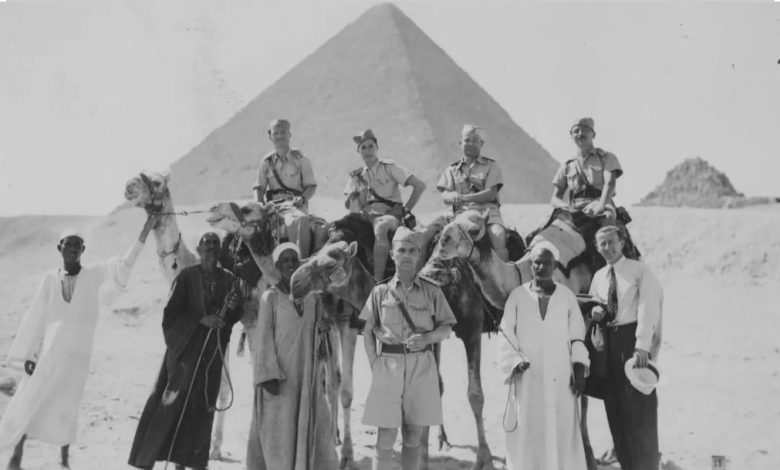
Even the term “Egyptian Serbs” can make a reader familiar with the movements of the Serbian diaspora stop and rethink their knowledge. But the mention of Egyptian Serbs in Australia would certainly, at least for a moment, surprise even the most knowledgeable observer of Serbian migration patterns.
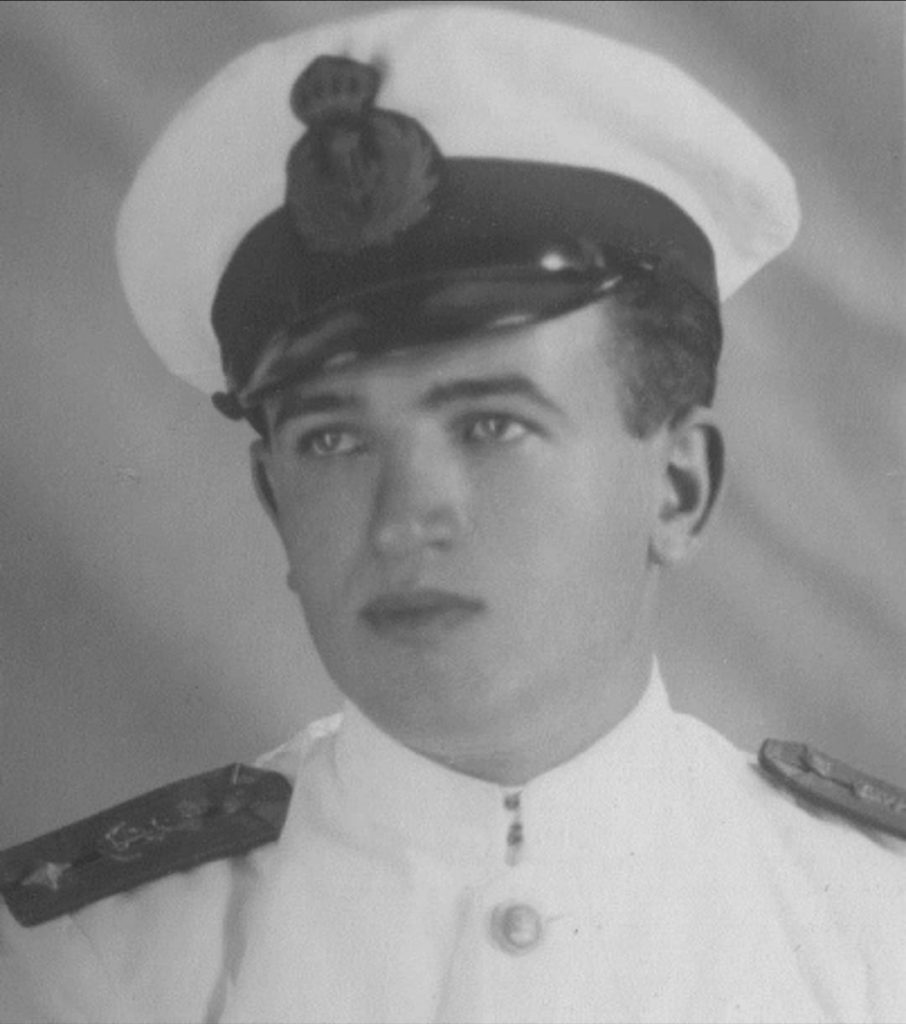
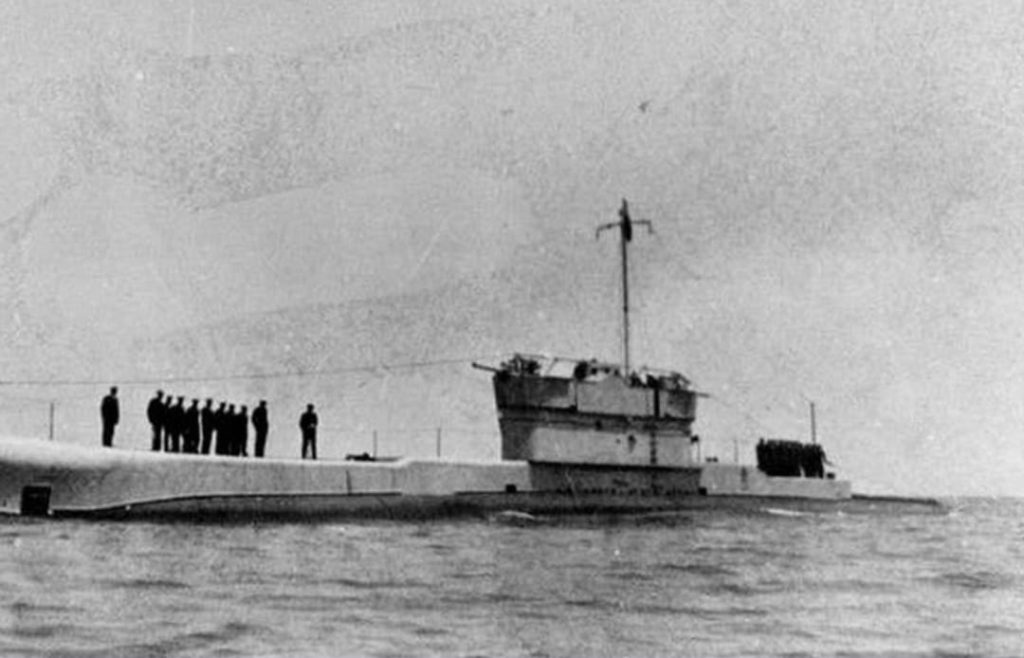
He assumed command of the submarine Nebojša and sailed via Greece to Egypt. After ten days of fighting and navigation, he successfully entered the port of Alexandria on 27 April 1941 and placed himself at the disposal of the Allied forces.
This is not a sensational story; there was no autochthonous Serbian community in Egypt – which, unfortunately, has been suggested by apocryphal, pseudo-scientific theories – but rather a little-researched, small group of emigrants whose lives, shaped by desert and life storms, became a symbol of perseverance.
Between the two world wars, the Kingdom of Yugoslavia developed cordial diplomatic relations with Egypt, seeking to improve them, particularly in economic matters.
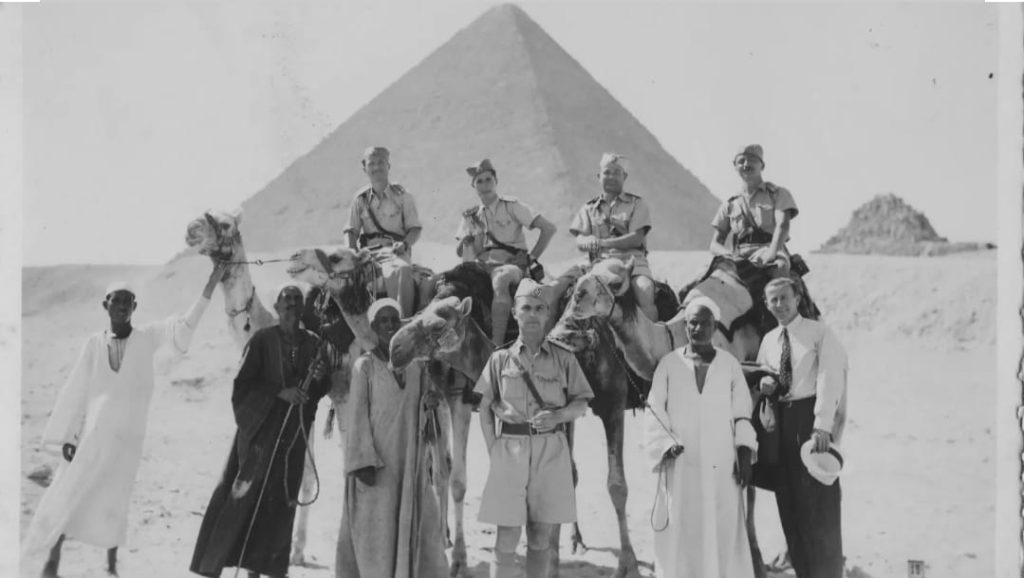
The Yugoslav colony in Egypt numbered between four and five thousand people before World War II. Most were from the still-occupied Slovenian regions, which, according to the post–World War I peace treaty, had been assigned to the Kingdom of Italy. Exposed to Italianization and later fascist persecution, many decided to move to a distant and unknown land, compelled to seek a better future as laborers. Predominantly women emigrated, employed as housemaids, cleaners, cooks, or nurses. Fewer men followed, mostly laborers and mechanics. The community concentrated in Alexandria.
The Serbian population also included people from the regions of Montenegro, Dalmatia, and what was then southern Serbia, today the independent state of North Macedonia. People from Montenegro and Dalmatia, especially from the Bay of Kotor, generally succeeded in integrating into the new society. Many were seafarers employed by the Suez Canal Company. Respected for their skills, they quickly became part of the upper social layers and assimilated. They settled mainly in the Suez Canal area (Port Said, Ismailia). A smaller group from Montenegro’s hinterlands provided security for Cairo banks and luxury hotels.
The Ottoman terror over Christians and their unequal status compared to Muslims, until liberation in the Balkan Wars of 1912–1913, forced Serbs from the occupied Macedonian regions to seek earnings in Egypt, also an Ottoman province. These enterprising individuals became successful restaurateurs, owning cafés, dairy shops, and bakeries in Cairo.
A precursor to the later saga of Yugoslav exiles mentioned in the title was the visit of the Yugoslav royal submarines Nebojša and Hrabri to Alexandria in July 1930. Accompanied by the mother ship Hvar, during a short Mediterranean cruise, the submarines visited Egypt. In the meantime, the Yugoslav Home in Alexandria was opened at the end of 1936, establishing the only association that united the dispersed, diverse Yugoslav colony in Egypt. The peaceful migration stage ended in 1937, when the government banned further foreign immigration.
The next phase came under wartime conditions. World War II struck the Kingdom of Yugoslavia on 6 April 1941. The Axis powers’ attack caused the royal army’s collapse on all fronts. Yet, the inevitability of defeat did not discourage some officers, non-commissioned officers, and soldiers from their loyalty to the King and homeland. Internal collapse and enemy advances prevented the withdrawal of land troops, leaving primarily the air force and navy the chance to escape.
The flight of ten seaplane crews from Boka to Corfu and then to Crete was a self-initiated feat demonstrating their determination to continue resistance. The seaplane forces in Crete received reinforcements. The submarine Nebojša, with a mixed crew, sailed again to Alexandria, joined by two fast motor torpedo boats, Kajmakčalan and Durmitor. In Egypt and Palestine, the Yugoslav government-in-exile sought to form free units to be used in Allied landings in Yugoslavia.
The shortage of volunteers was significant. Captured Slovenes, former soldiers of the defeated Italian army in the desert, interned in British camps, provided additional manpower to form the first infantry unit, the first battalion of the royal guard, on 31 August 1941. Volunteers from Yugoslav communities in neutral countries (Turkey, Iran, Egypt, South and North America) only partially compensated for the lack of personnel.
Many Serbs from Lika and Dalmatia, including elders and children, crossed the Adriatic and then Egypt, fleeing the Germans after Italy’s surrender in September 1943. Under partisan pressure, they were placed on British ships, numbering around twenty thousand. My first published scientific monograph, The Yugoslav Army Abroad 1941–1948, contains a detailed history of these forces stationed in the Middle and Near East.
Those who remained loyal to the King and homeland until 1948 stayed in camps in El Arish, El Shatt, Timsah, and Gilbana. Over five hundred men, women, children, and elderly lived there, often under tents. Most were later relocated to Australia, which, as a former penal colony, imposed relatively lenient immigration rules compared to the United States. Yugoslav refugees underwent thorough medical examinations, including X-rays and tests for venereal diseases. The Australian Emigration Office positively evaluated the immigrants, especially the children, noting their organization, hygiene, and resilience to harsh climates, predicting they would become excellent citizens. Older people could emigrate only with a guardian.
The ship Napoli carried 41 individuals to Australia on 18–19 September 1948, while the largest group, 360 people, sailed from Suez on the Wooster Victory on 22 October 1948. Most settled in Sydney, though others spread across the continent. Courageous submariners, pilots, and royal guards built their new lives far from their homeland, with enduring hope of one day returning.
Source: “Egipatski Srbi u Australiji”, Nikola Stanković / Srpska istorija, Kompas Info (add hyperlink to Kompas Info https://kompasinfo.rs/egipatski-srbi-u-australiji/?script=lat)