“الثقافة الإنسانية.. رسائل وهوامش”: رحلة في عمق القيم المشتركة للبشرية

في زمن تتسارع فيه الأحداث، وتزداد فيه الضغوط الاجتماعية والسياسية والثقافية، يظهر كتاب “الثقافة الإنسانية.. رسائل وهوامش” كمنارة فكرية، يحمل توقيع الدكتور سامح فوزي، الأكاديمي البارز وكبير الباحثين بمكتبة الإسكندرية، الحاصل على جائزة الدولة للتفوق في العلوم الاجتماعية. الكتاب، الصادر ضمن سلسلة كتاب الهلال التي يرأسها الكاتب الكبير طه فرغلي، يقدم رؤية شاملة لفهم القيم الإنسانية المشتركة، ويطرح سؤالًا جوهريًا: كيف يمكن للإنسان أن يعيش إنسانيته في عالم متشابك ومتغير؟

الكتاب يجمع ثلاثين قولًا مأثورًا عن التسامح، مستخلصًا من فكر مفكرين وفلاسفة ومتدينين عبر العصور، ليكشف أن هناك جوهرًا إنسانيًا واحدًا يتجاوز الحدود الزمنية والجغرافية والدينية. ما يميز هذه الأقوال أنها ليست مقتطفات متفرقة، بل شبكة مترابطة من الأفكار الإنسانية، تشكل لوحة فكرية متكاملة تؤكد على التسامح، وقبول الآخر، واحترام التنوع، والارتقاء بالإنسان فوق الانقسامات والخلافات.

يتجاوز الكتاب الجانب النظري ليطرح أيضًا أبعادًا عملية للتفكير في حياتنا اليومية. فهو يعكس أزمة حقيقية في التوثيق الاجتماعي والإنساني: كثير من المجتمعات تهمل تسجيل حياة الناس وقصصهم، فلا توجد نماذج حية تعكس العطاء، قبول الآخر، أو قيم الخدمة العامة. يقدم الكتاب هذه النماذج، ويحوّل الأقوال المأثورة إلى مادة للتأمل، بحيث يمكن للقارئ أن يرى في القيم الإنسانية خيطًا يربط بين الفرد والمجتمع، بين الماضي والحاضر، وبين الشرق والغرب، وبين مختلف الطبقات الاجتماعية والثقافية.

كما يسلط الكتاب الضوء على أهمية أنسنة التعليم وتفعيل الثقافة المدنية، حيث يصبح التعليم أكثر من مجرد نقل معرفة، بل مساحة لغرس قيم المشاركة والمواطنة والتطوع وقبول الاختلاف منذ الصغر. يحاول الكتاب أن يرسم خريطة للقيم التي يمكن أن تُمارس يوميًا في حياتنا، لتتحول الثقافة من مجرد معرفة نظرية إلى ممارسة حقيقية تُغير سلوك الفرد والمجتمع. من هذا المنطلق، يتحول التعليم إلى تجربة حياتية تنمي روح المواطنة، وتخلق أجيالًا قادرة على الحوار والتفاهم والتعاون، بعيدًا عن التعصب والانغلاق الفكري.

القراءة العميقة للكتاب تكشف أن الرسائل الإنسانية التي يحملها الدكتور سامح فوزي تتجاوز الخلافات العقدية والفكرية، لتصل إلى جوهر واحد: الإنسانية التي تبحث عن الحرية والكرامة، بعيدًا عن العنف والفقر والانقسامات، والبحث عن التوازن بين المعرفة والفعل، بين النظرية والتطبيق، بين الفرد والمجتمع. فالكتاب يقدم إطارًا متكاملًا لفهم القيم الإنسانية من زاوية شاملة، تربط بين الفكر والأخلاق والسلوك، بين التأمل والعمل، بحيث تصبح القيم عنصرًا حيًا في حياة الإنسان اليومية.

إن “الثقافة الإنسانية.. رسائل وهوامش” ليس مجرد كتاب للقراءة، بل تجربة فكرية وروحية تدعو القارئ إلى التأمل العميق، وإعادة تقييم طريقة حياته وعلاقاته بالآخرين. إنه كتاب يذكّرنا بأن الإنسانية الحقيقية تبدأ من فهم القيم الأساسية، والعمل على ترجمتها إلى أفعال ملموسة، لتصبح التسامح والمحبة واحترام التنوع جزءًا من الحياة اليومية، وليس مجرد نصوص جامدة.

بهذا المعنى، يتحول الكتاب إلى مرجع أساسي لكل من يسعى لفهم الإنسان في سياق مجتمعه وتاريخه، وللأجيال القادمة كنموذج حي للثقافة الإنسانية التي لا تتوقف عند حدود الكتب، بل تمتد لتصبح تجربة حياة كاملة، قادرة على التأثير في الأفراد والمجتمعات. إنه دعوة للقارئ للعودة إلى جوهر الإنسانية، لا في النظرية فقط، بل في الممارسة العملية لكل يوم، وفي كل علاقة، لتصبح الحياة نفسها انعكاسًا للقيم التي يسعى الكتاب إلى ترسيخها.

  • Related Posts

    Cuba Opens Its Doors to the World’s Writers

    International Literary Residence Launches a New Cultural Exchange Initiative **Havana, Cuba** – A new chapter in international literary and cultural cooperation is set to begin with the launch of the…

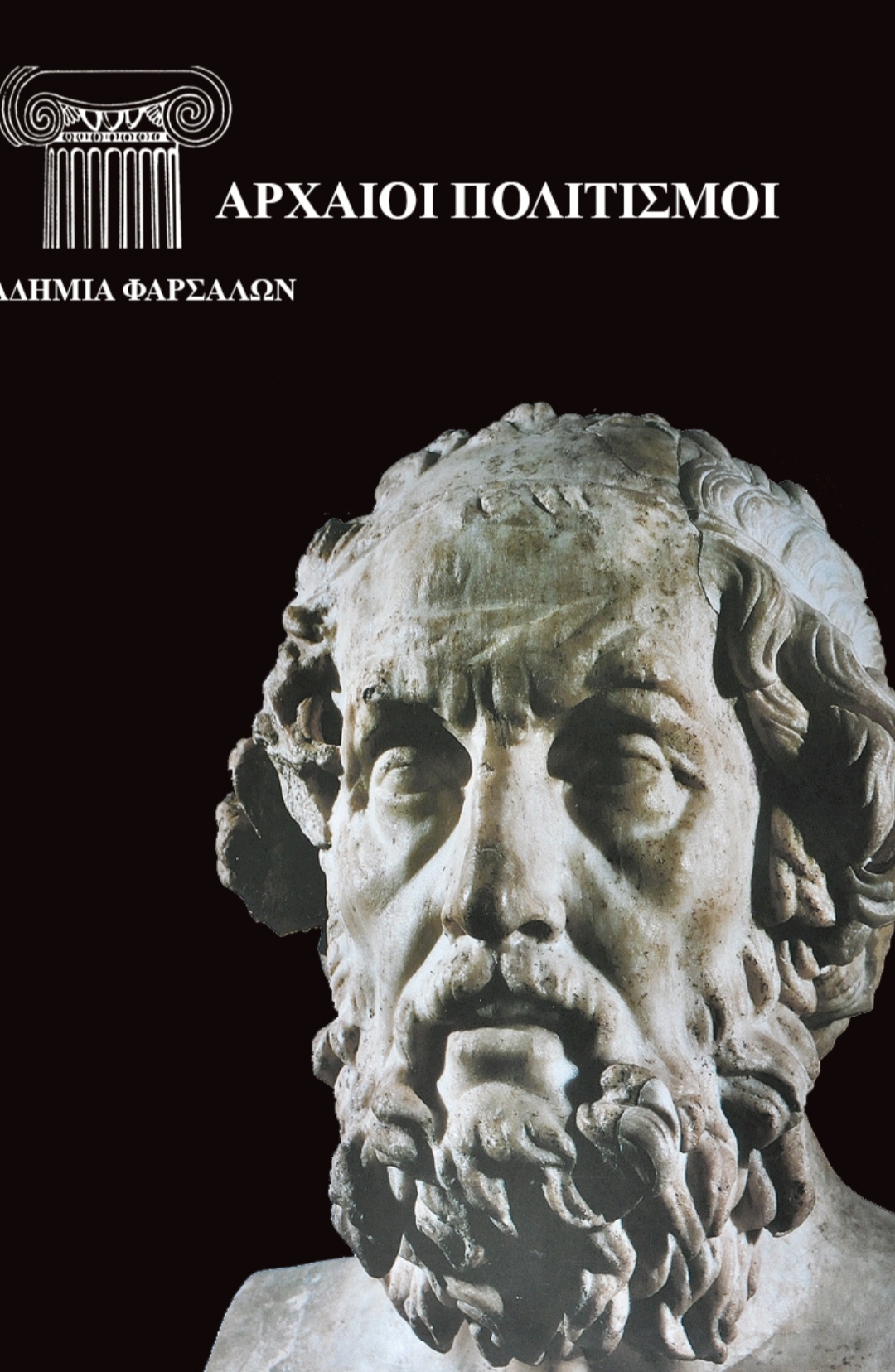
    Homer: The Timeless Models of the Hero

    Epic poetry, which began to develop in the early Geometric Period (1000 BC), reached its full maturity with Homer, who lived in the 8th century BC. Through his heroic epics, the Iliad and the Odyssey, Homer celebrates and brings together two fundamental models of heroism: Achilles, distinguished by his courage, willpower and right action, and Odysseus, distinguished by his prudence, skill in action, effectiveness and altruistic intelligence, which connects the hero with himself and with nature. Homer and Philosophy: Convergences and Analogies Through Time  Achilles’ right action, that is, action free from attachment to its fruits or outcomes, would later find expression in various philosophical traditions: in Plato, in Stoic philosophy (according to which virtue has value in and of itself), in Giordano Bruno and in Kant (acting out of duty, for the sake of duty itself). Plato considered that the philosopher’s primary task was to weave together the virtues of courage and prudence, harmonising will and wisdom. Furthermore, he believed that the fundamental task of the philosopher who becomes a statesman is to ensure the harmonious coexistence of all citizens within the fabric of social life. When a single ruler governs, it is essential that he combines the virtues of courage and prudence. When several rulers govern, courageous and prudent individuals must coexist. Homer in the Renaissance: The Harmony of Strength and Wisdom  The representatives of the Renaissance spirit sought to overcome the contradictions and conflicts of their time and to create a better world. This desire for change led them to seek inspiration in the classical world. Ancient thought was revived through philosophy, while myths and symbols re-emerged through art, particularly painting. Giordano Bruno symbolically portrayed the harmony between strength and wisdom in his work On the Composition of Images, Signs and Ideas, through the figure of a man holding a sceptre in his right hand and a book in his left, symbolising power and wisdom respectively. Paolo Veronese also depicted the symbolic union of strength and wisdom in his painting Allegory of Strength and Wisdom. The painting portrays Hercules, whose gaze is directed towards the earthly world, alongside a female figure representing wisdom, whose gaze is directed towards the celestial and spiritual world. Homer in the Contemporary World: The Timeless Relevance of His Values  Courage Leads to Prudence  A courageous person follows the golden mean. They avoid extremes, both recklessness and cowardice. They maintain their inner balance and do not allow difficulties, despair, melancholy or sorrow to dominate their thoughts and behaviour. Courage helps them overcome psychological and physical difficulties, master their impulses and preserve their inner strength. Prudence, on the other hand, enables them to distinguish right from wrong and to choose the appropriate course of action. Courage without prudence can turn into recklessness, while prudence without courage can remain inactive knowledge. The true fulfilment of the human being lies in the harmonious coexistence of courage and prudence, of strength and wisdom. This is perhaps the timeless message that we can draw from Homer and carry into the contemporary world. Thank you very much for your attention. Yannis K. Fikas President of the Academy of Farsala

    اترك تعليقاً

    لن يتم نشر عنوان بريدك الإلكتروني. الحقول الإلزامية مشار إليها بـ *