مروة نبيل في دائرة الأسباب: صوغ التيه واليقظة الحسية

في ديوانها الجديد “دائرة الأسباب” الصادر عن دار صفصافة في القاهرة، تمضي الشاعرة المصرية مروة نبيل في رحلة شعرية ذات نبرة تيه متأنٍ، تتجاوز مجرد تسجيل المشهد لتقترب من جوهره الميتافيزيقي، فتكتب عن الحياة وهي في أكثر لحظاتها التكرارية والسطحية. الديوان يشبه أرشيفًا حيًا يضم وجوه الناس وأصواتهم وروائحهم، لكنه ليس مجرد وصف؛ بل محاولة لاستدعاء المعنى المخفي وراء التفاصيل اليومية، لتقريب القارئ من لحظات تتقاذف بين الواقع والأسطورة، بين الحسي والمجازي، بين السخرية والحنين.

مروة نبيل هنا تكتب كما لو كانت تمسك بخيط الحياة من أطرافه الأكثر فوضوية، حيث يلتقي الحدث العابر مع الانطباع الشخصي، في تناغم يحافظ على الإيقاع الشعوري للنصوص. الأصوات، سواء كانت صادرة من الشوارع والأسواق، أو من غرف البيت والهواتف النائمة على الوسائد، تصبح عناصر رئيسية في بناء النص، وكأنها تجعل الديوان حديقة سمعية بصرية يتم فيها رسم لحظات الحياة العابرة بدقة. كل نص قصير في هذا الديوان يمثل لقطة حية، مليئة بالتفاصيل الدقيقة، لكنها دائمًا محاطة بهالة من الغموض.

الكتابة عند نبيل تنحو إلى التعددية: تعددية الأصوات، تعددية اللحظات، تعددية الرؤى. فهي تتأرجح بين مراقبة العالم من الخارج والاندماج في تجربته من الداخل. هذا التوازن بين التلقي والتجربة الشخصية يمنح النص حيوية نادرة، ويجعل القارئ يشارك الشاعرة حالة الاستكشاف اليومي للحياة. الحب، على سبيل المثال، يظهر في الديوان ليس كحالة مثالية، بل كإشارات صغيرة تلوح أحيانًا في فجوات الملل، أو كحركات خاطفة تلمس الروح وتختفي بسرعة، مثل ضوء يمر بين الأشجار في الغابة.

لغة الديوان دقيقة وحادة، لكنها ليست مغلقة على نفسها. السخرية هنا ليست مجرد تعبير نقدي، بل أداة لفهم الواقع البشري، والحنين ليس مجرد عاطفة شخصية، بل بوابة لربط اليومي بالأسطوري. وتظهر فلسفة مروة نبيل في قراءة الحياة باعتبارها حلقة من الأسباب، حيث لا يمكن فصل حدث عن آخر، ولا معنى عن سياقه، وهو ما يجعل إعادة الحكي والاستماع الصبور ضروريًا لاكتشاف المعنى الكامن خلف التفاصيل.

من خلال هذا الديوان، تؤكد نبيل مرة أخرى على مكانتها كشاعرة تنصت للحياة بكل أبعادها، ولا تكتفي بتسجيل الوقائع، بل تستدعي الاحتمالات والظلال والخفايا. “دائرة الأسباب” ليست مجرد مجموعة قصائد، بل تجربة شعرية متكاملة تصوغ الحياة كما هي، بجمالها وفوضويتها وغموضها، وتجعل من الشعر وسيلة للتيه واليقظة في آن واحد.

في هذا الصدد، يمكن القول إن مروة نبيل تجسد ما يمكن تسميته بـالشعر التجريبي اليومي الفلسفي: قصائد تستكشف الملموس والمعنوي، اللحظة والذاكرة، العالم الداخلي والخارجي، في توازن بين التأمل والحركة، بين الغموض والوضوح، بين الحنين والسخرية. ديوانها الجديد يفتح آفاقًا للقارئ ليعايش الحياة بطريقة أكثر وعيًا، ويشعر بأن العالم لا ينتهي عند الملموس، بل يستمر في حلقة لا تنقطع من الأسباب والنتائج.

  • Related Posts

    Cuba Opens Its Doors to the World’s Writers

    International Literary Residence Launches a New Cultural Exchange Initiative **Havana, Cuba** – A new chapter in international literary and cultural cooperation is set to begin with the launch of the…

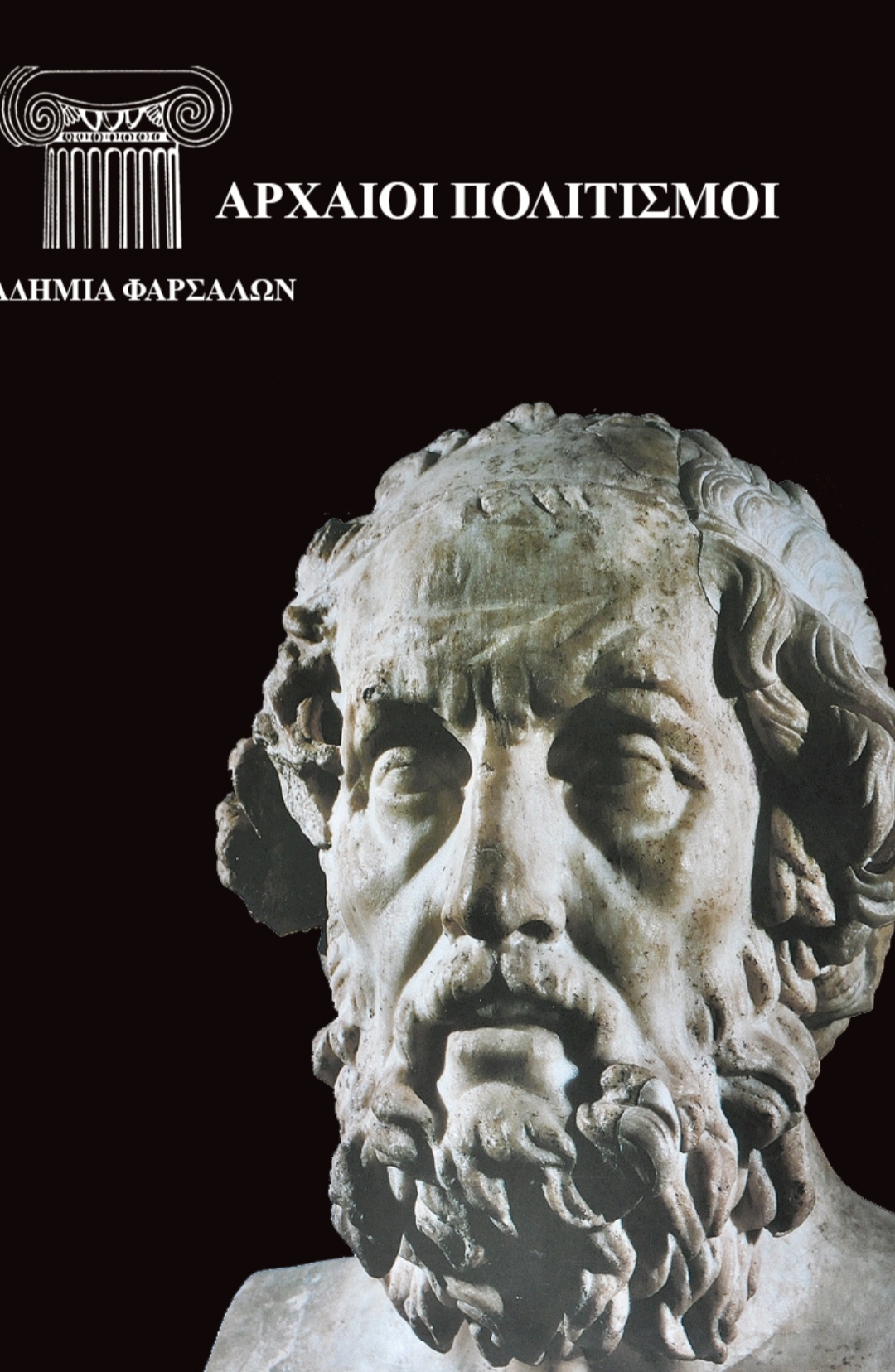
    Homer: The Timeless Models of the Hero

    Epic poetry, which began to develop in the early Geometric Period (1000 BC), reached its full maturity with Homer, who lived in the 8th century BC. Through his heroic epics, the Iliad and the Odyssey, Homer celebrates and brings together two fundamental models of heroism: Achilles, distinguished by his courage, willpower and right action, and Odysseus, distinguished by his prudence, skill in action, effectiveness and altruistic intelligence, which connects the hero with himself and with nature. Homer and Philosophy: Convergences and Analogies Through Time  Achilles’ right action, that is, action free from attachment to its fruits or outcomes, would later find expression in various philosophical traditions: in Plato, in Stoic philosophy (according to which virtue has value in and of itself), in Giordano Bruno and in Kant (acting out of duty, for the sake of duty itself). Plato considered that the philosopher’s primary task was to weave together the virtues of courage and prudence, harmonising will and wisdom. Furthermore, he believed that the fundamental task of the philosopher who becomes a statesman is to ensure the harmonious coexistence of all citizens within the fabric of social life. When a single ruler governs, it is essential that he combines the virtues of courage and prudence. When several rulers govern, courageous and prudent individuals must coexist. Homer in the Renaissance: The Harmony of Strength and Wisdom  The representatives of the Renaissance spirit sought to overcome the contradictions and conflicts of their time and to create a better world. This desire for change led them to seek inspiration in the classical world. Ancient thought was revived through philosophy, while myths and symbols re-emerged through art, particularly painting. Giordano Bruno symbolically portrayed the harmony between strength and wisdom in his work On the Composition of Images, Signs and Ideas, through the figure of a man holding a sceptre in his right hand and a book in his left, symbolising power and wisdom respectively. Paolo Veronese also depicted the symbolic union of strength and wisdom in his painting Allegory of Strength and Wisdom. The painting portrays Hercules, whose gaze is directed towards the earthly world, alongside a female figure representing wisdom, whose gaze is directed towards the celestial and spiritual world. Homer in the Contemporary World: The Timeless Relevance of His Values  Courage Leads to Prudence  A courageous person follows the golden mean. They avoid extremes, both recklessness and cowardice. They maintain their inner balance and do not allow difficulties, despair, melancholy or sorrow to dominate their thoughts and behaviour. Courage helps them overcome psychological and physical difficulties, master their impulses and preserve their inner strength. Prudence, on the other hand, enables them to distinguish right from wrong and to choose the appropriate course of action. Courage without prudence can turn into recklessness, while prudence without courage can remain inactive knowledge. The true fulfilment of the human being lies in the harmonious coexistence of courage and prudence, of strength and wisdom. This is perhaps the timeless message that we can draw from Homer and carry into the contemporary world. Thank you very much for your attention. Yannis K. Fikas President of the Academy of Farsala

    اترك تعليقاً

    لن يتم نشر عنوان بريدك الإلكتروني. الحقول الإلزامية مشار إليها بـ *