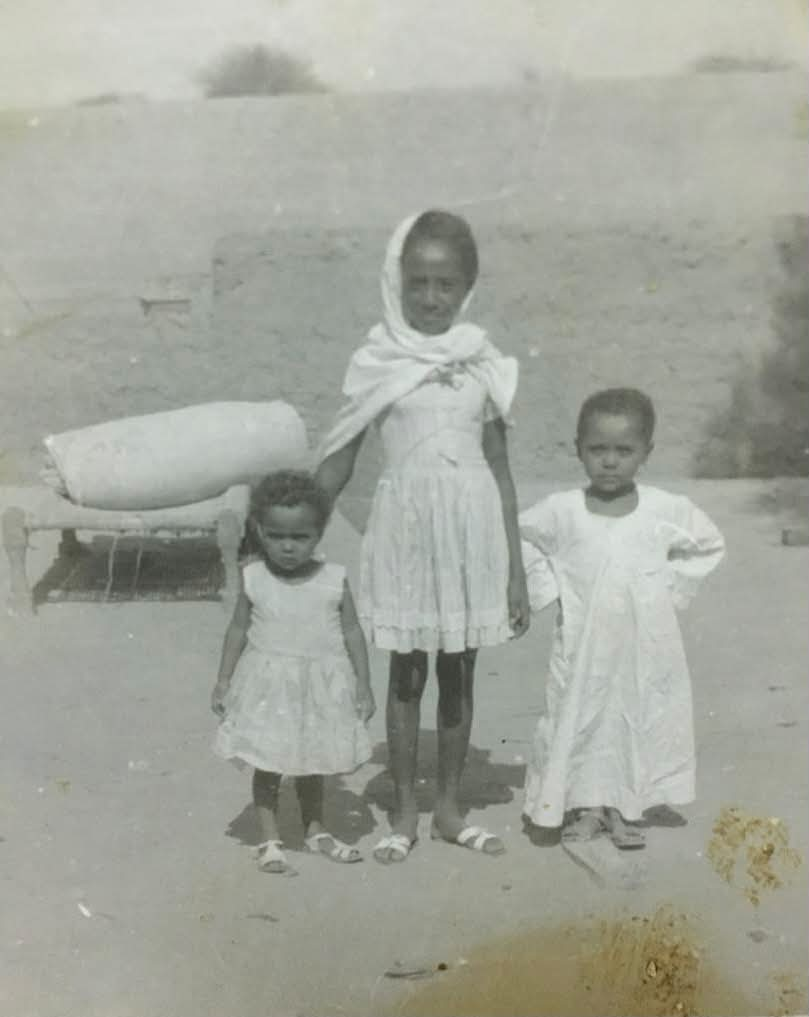
OUR AUTHOR of the WEEK, award-winning, Nigerian poet, AMEEN ANIMASHAUN

Nigerian Poet Ameen Animashaun Won the 2025 Evaristo Prize for African Poetry

The African Poetry Book Fund has announced that Nigerian poet Ameen Animashaun is the winner of the 2025 Evaristo Prize for African Poetry for his poem sequence Song.

Selected from a shortlist of five finalists, Animashaun received a prize of $1,500 in recognition of his work, which judges praised for its linguistic subtlety, structural control, and intellectual clarity.

Judged by a Pan-African panel of poets–Tjawangwa Dema of Botswana (Chair), Tsitsi Jaji of Zimbabwe, and Mahtem Shiferraw of Eritrea and Ethiopia–the winning entry stood out for its ambitious engagement with form and meaning. “It is quite haunting in its illusiveness, and it really trusts language to do all the work,” the judges remarked. “There is so much control over the line here, and expansiveness in thought. Most of all, there is clarity in each poem…This is a poet happy to throw themselves at language and encounter the not always linear, the abstract and so on without losing sight of the poet’s duty to clarity.”

The Evaristo Prize for African Poetry—formerly the Brunel International African Poetry Prize—is awarded annually to a selection of ten poems written by an African poet. Established in 2012 by acclaimed British-Nigerian writer Bernardine Evaristo, the prize was renamed in her honour in 2022 and is now administered by the African Poetry Book Fund (APBF). The prize continues Evaristo’s decade-long mission to champion emerging African voices in contemporary poetry.

Evaristo, President of the Royal Society of Literature and a prolific author of fiction, poetry, and criticism, remains deeply involved with the prize as an editorial board member of the APBF. She also serves as Professor of Creative Writing at Brunel University London.

Poetry
CALLING A SPADE II | Animashaun Ameen

CALLING A SPADE II | Animashaun Ameen | Agbowo Art | African Literary Art
I named myself Adam & you pronounced
yourself Steve; two of god’s greatest
anti-heroes. See, we do not even pass
to be called abominations – how the devil
is only the devil just because we want him
to be. In this story, we are the ones urging Iblis
to take a bite out of the apple, telling him:
eat from the fruit of life; break free from all the shackles
holding you down. I think the good lord never forgave
the first sinners for claiming their bodies as their own.
What good is a fall from grace when there is something
growing inside your stomach, waiting to consume you
from the inside out? The only difference between living
and surviving is the difference in execution. Somehow,
we are all gods in each of our stories: which is to say
we are the architects of our own misfortunes, which is to say
the first sinners didn’t actually fall from grace; instead,
they held hands like lovers would, draped their loins with lilies,
and walked [hand in hand] quietly out of grace.


Animashaun Ameen

Animashaun Ameen is a poet and essayist. His writings are mostly centered on memory, sexuality, and identity. His works have appeared/forthcoming in Salamander Mag, Native Skin, Third Estate Mag, Roadrunner Review, TheDrinking Gourd, and elsewhere. He lives and writes from Lagos, Nigeria. An oddball. A butterfly. He tweets @AmeenAnimashaun

 June 27, 2025

Related Posts

Cuba Opens Its Doors to the World’s Writers

International Literary Residence Launches a New Cultural Exchange Initiative **Havana, Cuba** – A new chapter in international literary and cultural cooperation is set to begin with the launch of the…

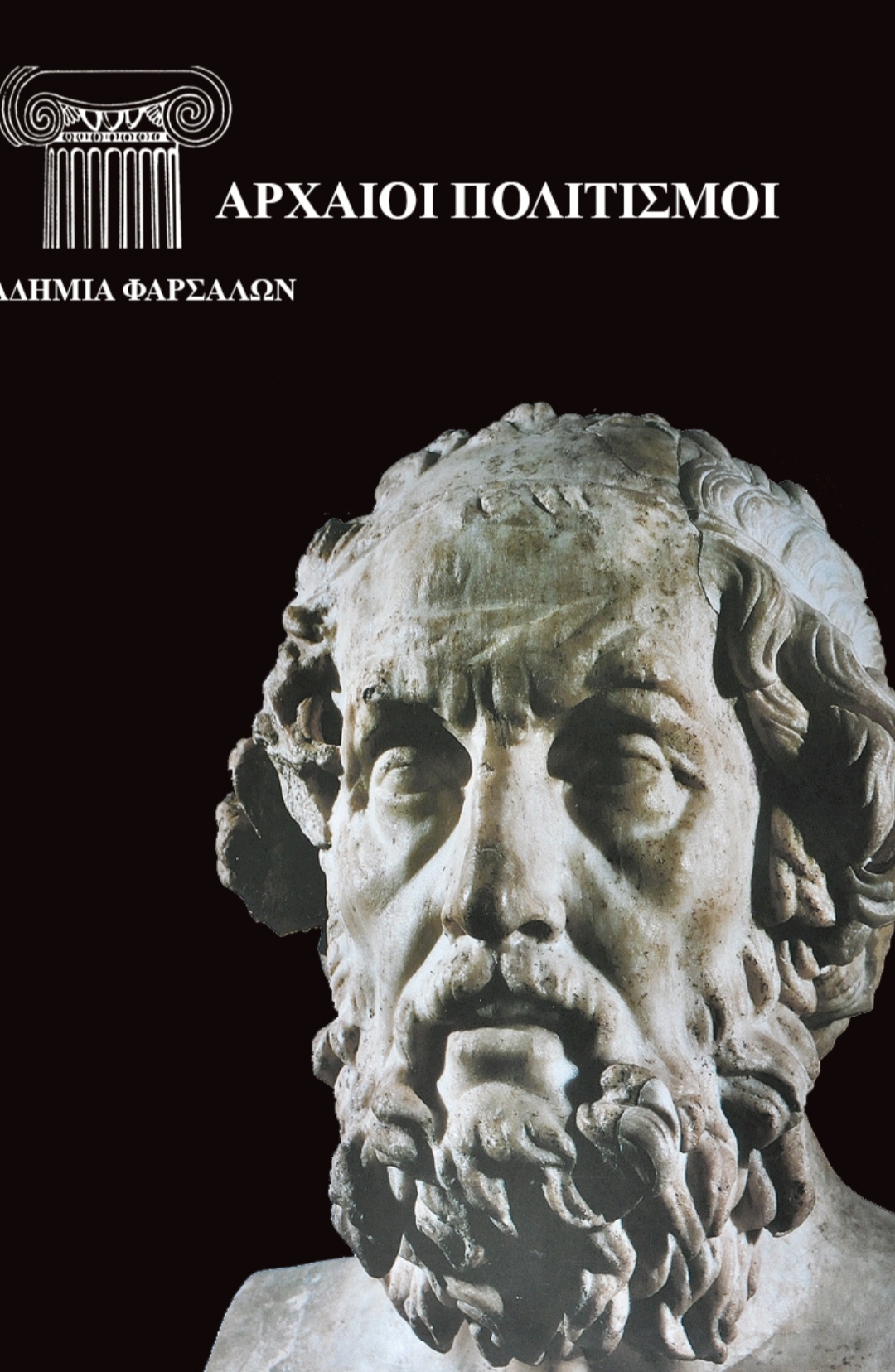
Homer: The Timeless Models of the Hero

Epic poetry, which began to develop in the early Geometric Period (1000 BC), reached its full maturity with Homer, who lived in the 8th century BC. Through his heroic epics, the Iliad and the Odyssey, Homer celebrates and brings together two fundamental models of heroism: Achilles, distinguished by his courage, willpower and right action, and Odysseus, distinguished by his prudence, skill in action, effectiveness and altruistic intelligence, which connects the hero with himself and with nature. Homer and Philosophy: Convergences and Analogies Through Time  Achilles’ right action, that is, action free from attachment to its fruits or outcomes, would later find expression in various philosophical traditions: in Plato, in Stoic philosophy (according to which virtue has value in and of itself), in Giordano Bruno and in Kant (acting out of duty, for the sake of duty itself). Plato considered that the philosopher’s primary task was to weave together the virtues of courage and prudence, harmonising will and wisdom. Furthermore, he believed that the fundamental task of the philosopher who becomes a statesman is to ensure the harmonious coexistence of all citizens within the fabric of social life. When a single ruler governs, it is essential that he combines the virtues of courage and prudence. When several rulers govern, courageous and prudent individuals must coexist. Homer in the Renaissance: The Harmony of Strength and Wisdom  The representatives of the Renaissance spirit sought to overcome the contradictions and conflicts of their time and to create a better world. This desire for change led them to seek inspiration in the classical world. Ancient thought was revived through philosophy, while myths and symbols re-emerged through art, particularly painting. Giordano Bruno symbolically portrayed the harmony between strength and wisdom in his work On the Composition of Images, Signs and Ideas, through the figure of a man holding a sceptre in his right hand and a book in his left, symbolising power and wisdom respectively. Paolo Veronese also depicted the symbolic union of strength and wisdom in his painting Allegory of Strength and Wisdom. The painting portrays Hercules, whose gaze is directed towards the earthly world, alongside a female figure representing wisdom, whose gaze is directed towards the celestial and spiritual world. Homer in the Contemporary World: The Timeless Relevance of His Values  Courage Leads to Prudence  A courageous person follows the golden mean. They avoid extremes, both recklessness and cowardice. They maintain their inner balance and do not allow difficulties, despair, melancholy or sorrow to dominate their thoughts and behaviour. Courage helps them overcome psychological and physical difficulties, master their impulses and preserve their inner strength. Prudence, on the other hand, enables them to distinguish right from wrong and to choose the appropriate course of action. Courage without prudence can turn into recklessness, while prudence without courage can remain inactive knowledge. The true fulfilment of the human being lies in the harmonious coexistence of courage and prudence, of strength and wisdom. This is perhaps the timeless message that we can draw from Homer and carry into the contemporary world. Thank you very much for your attention. Yannis K. Fikas President of the Academy of Farsala

اترك تعليقاً

لن يتم نشر عنوان بريدك الإلكتروني. الحقول الإلزامية مشار إليها بـ *