 thesilkroadtoday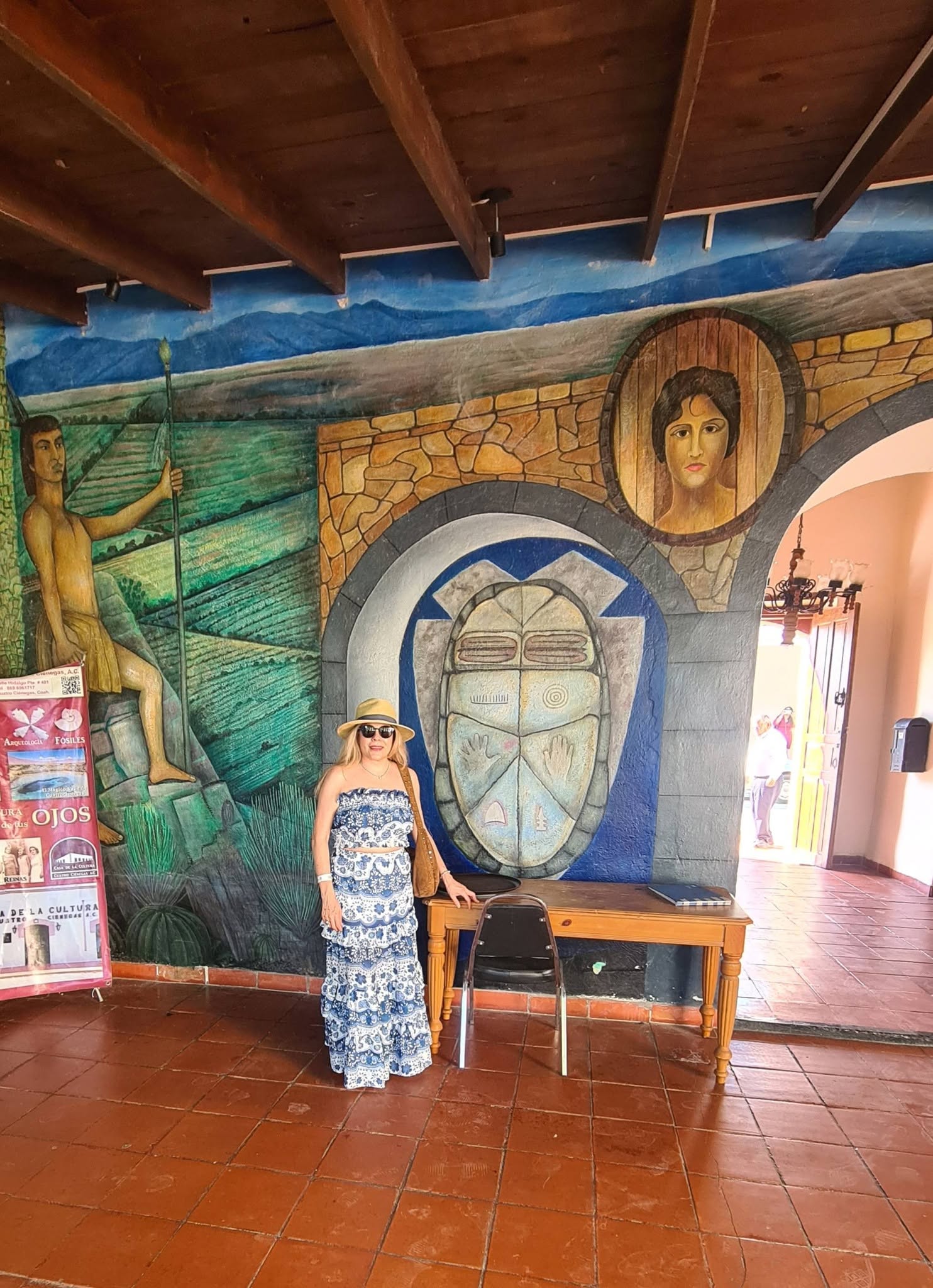
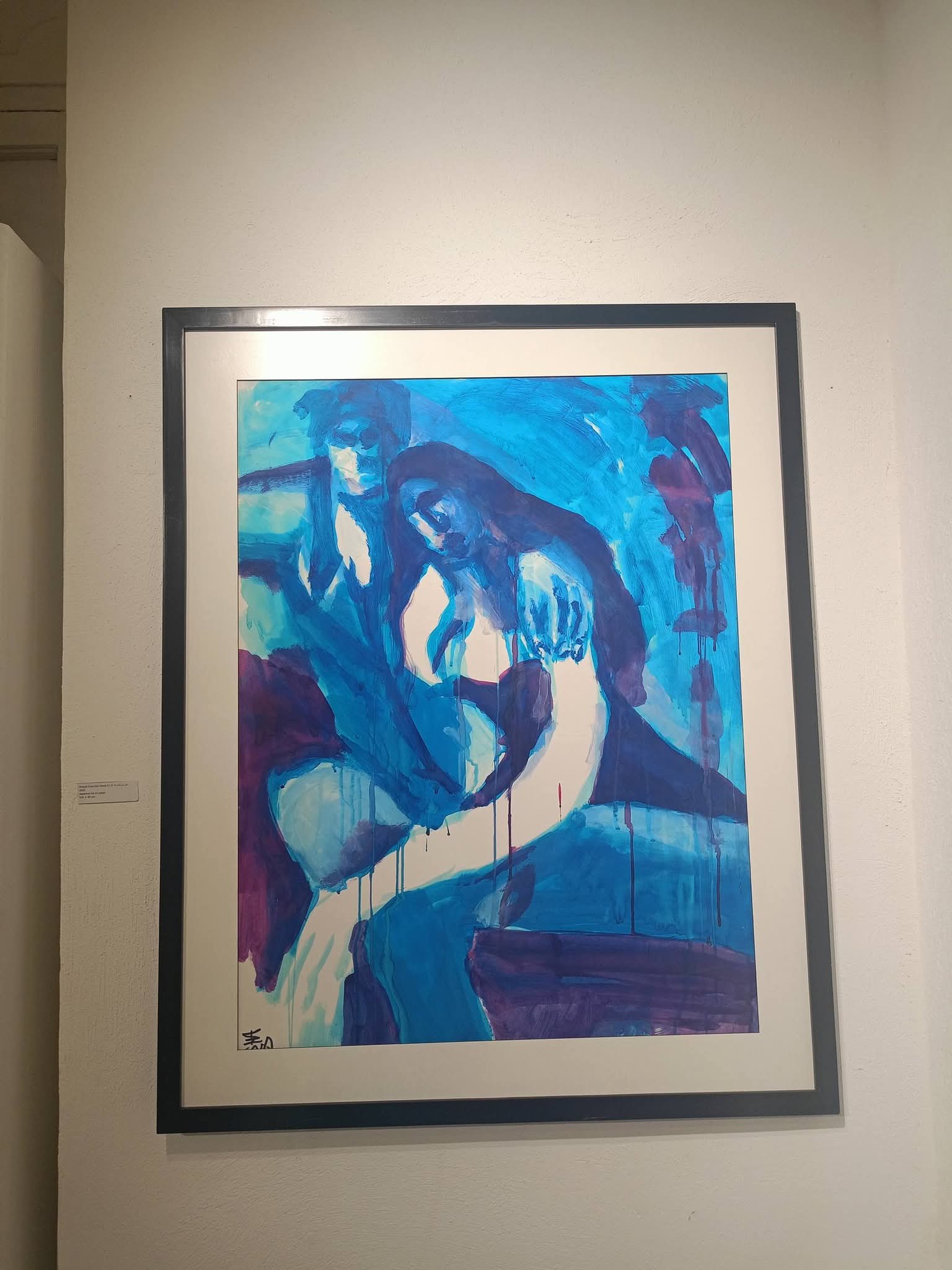
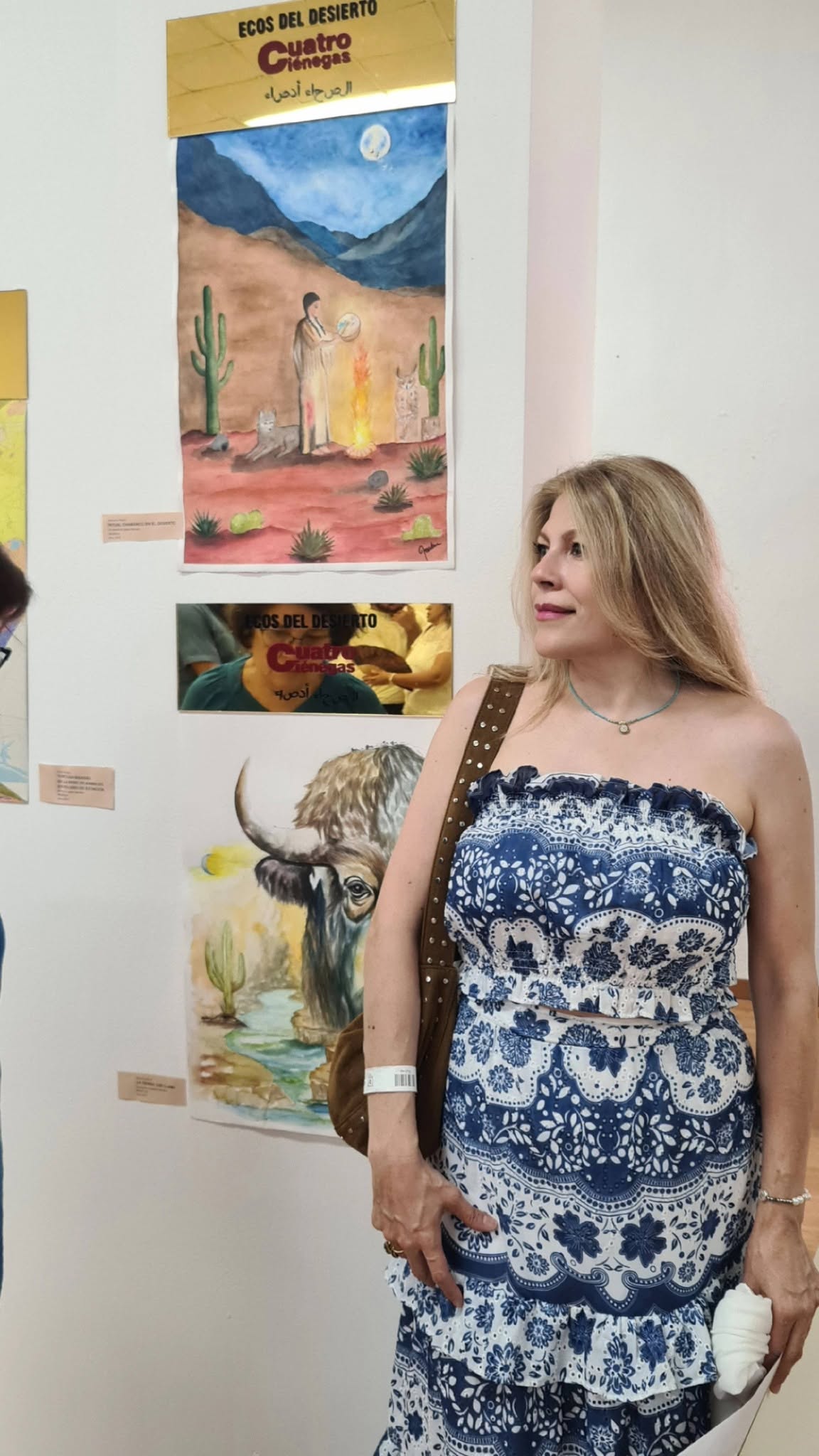
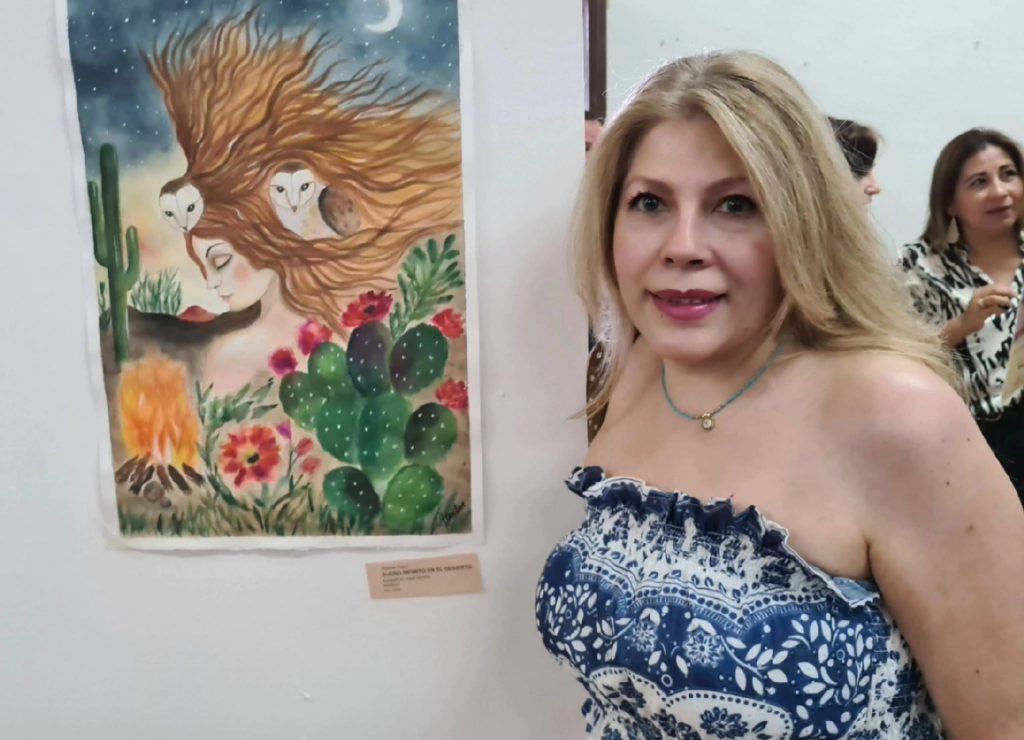 Cuatro Ciénegas, Coahuila, Mexico – Mexican poetess and visual artist Marlen Pasini participated in the major art exhibition “Ecos del Desierto” (Echoes of the Desert), an inspiring cultural event held at the historic Museo Casa de Cultura de Cuatro Ciénegas, bringing together artists, environmental advocates, and cultural leaders in a celebration of creativity and ecological awareness.
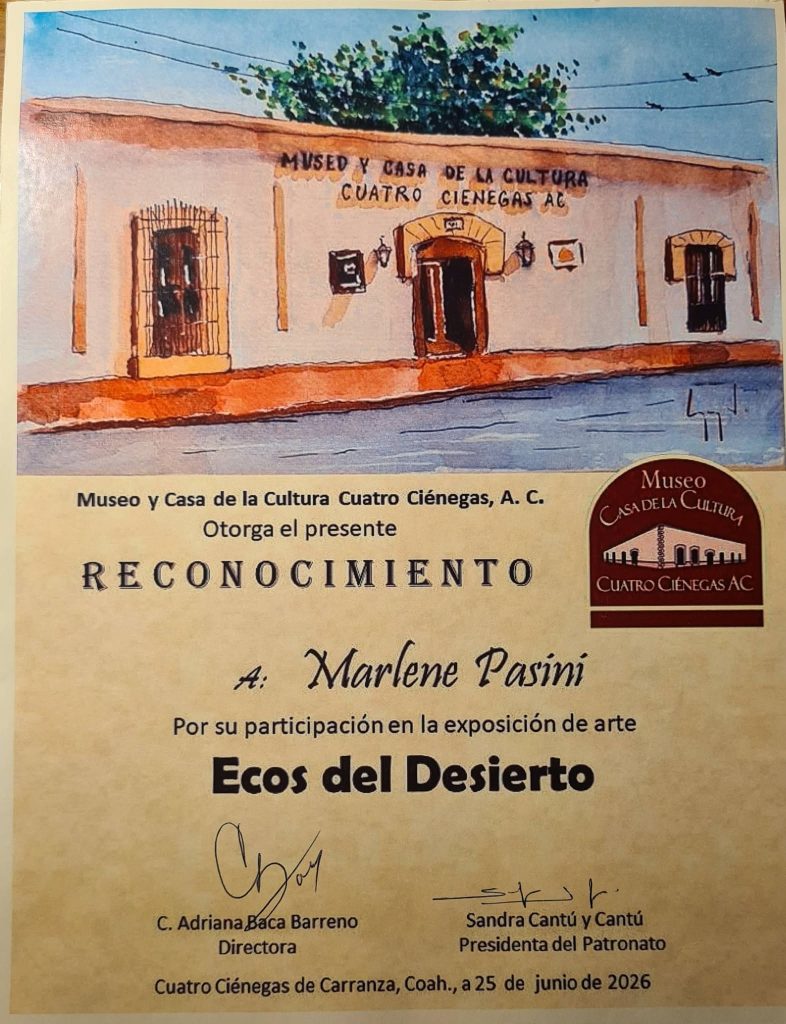
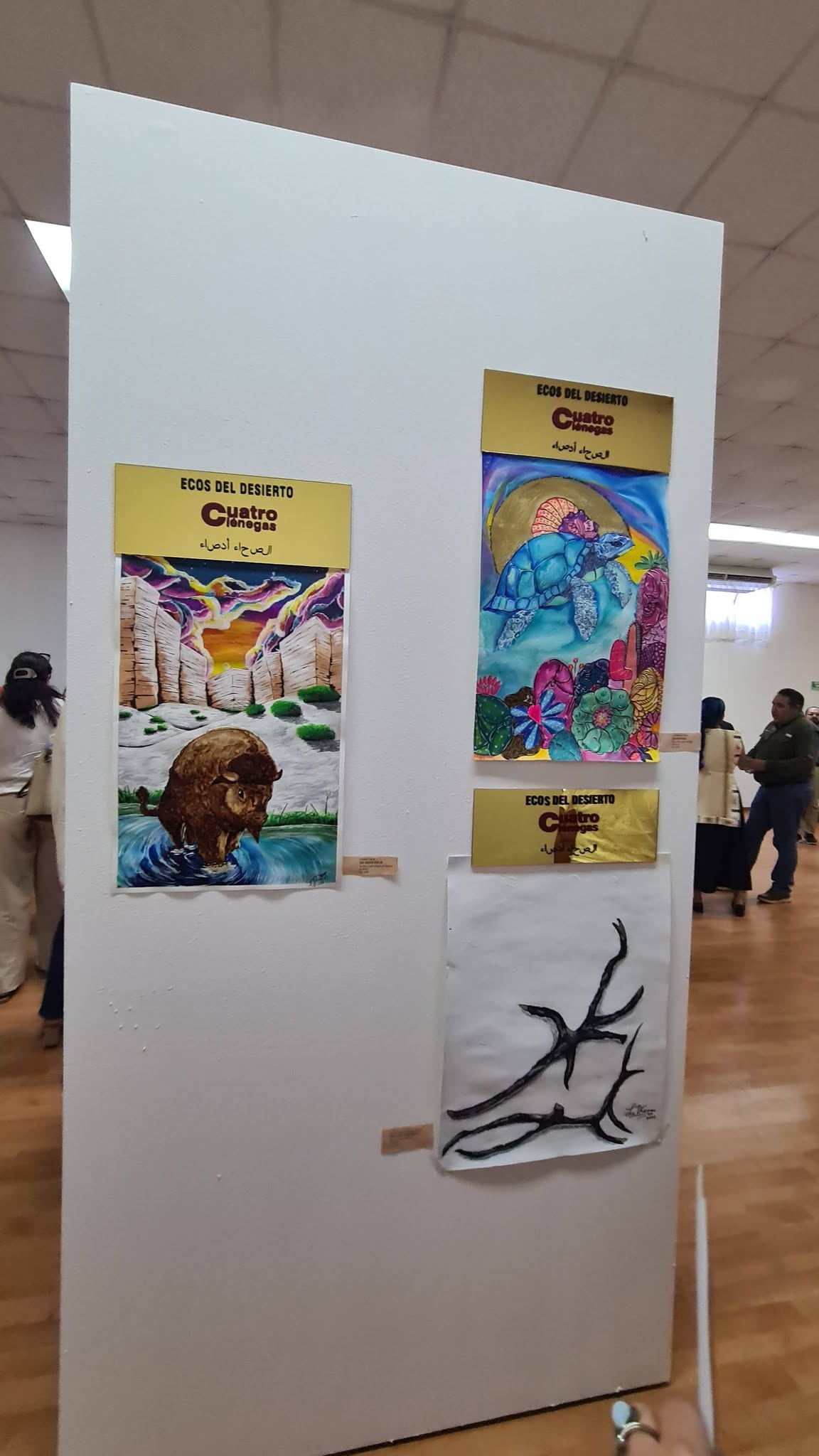
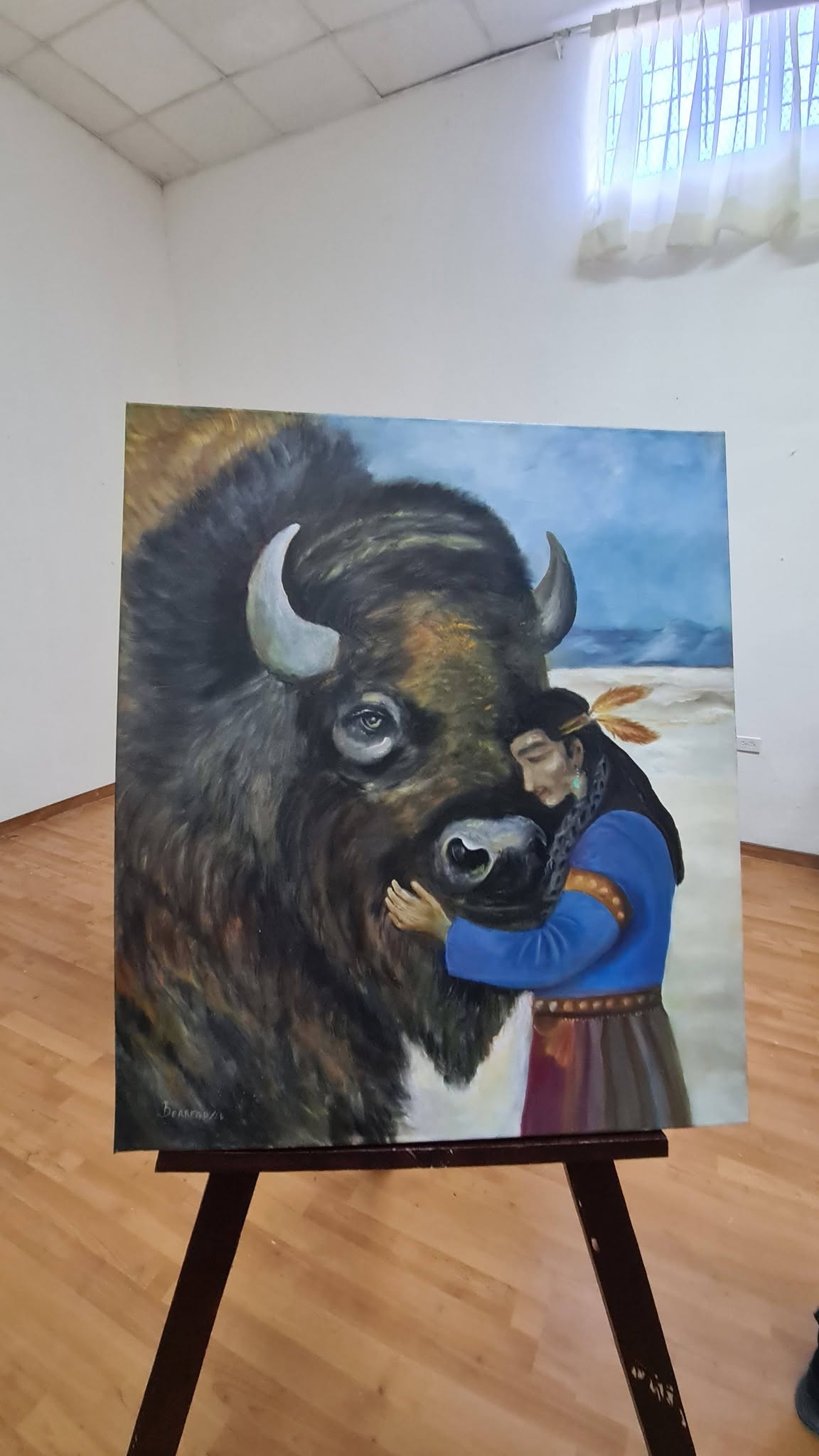
The exhibition served as a vibrant expression of art, consciousness, and love for Mother Earth, uniting artists in a spirit of fraternity and shared responsibility toward preserving the unique natural heritage of the Cuatro Ciénegas Desert Reserve. Through their artworks, participants sought to raise awareness about the importance of protecting the region’s exceptional ecosystem, including its distinctive flora, fauna, and fragile environmental balance.
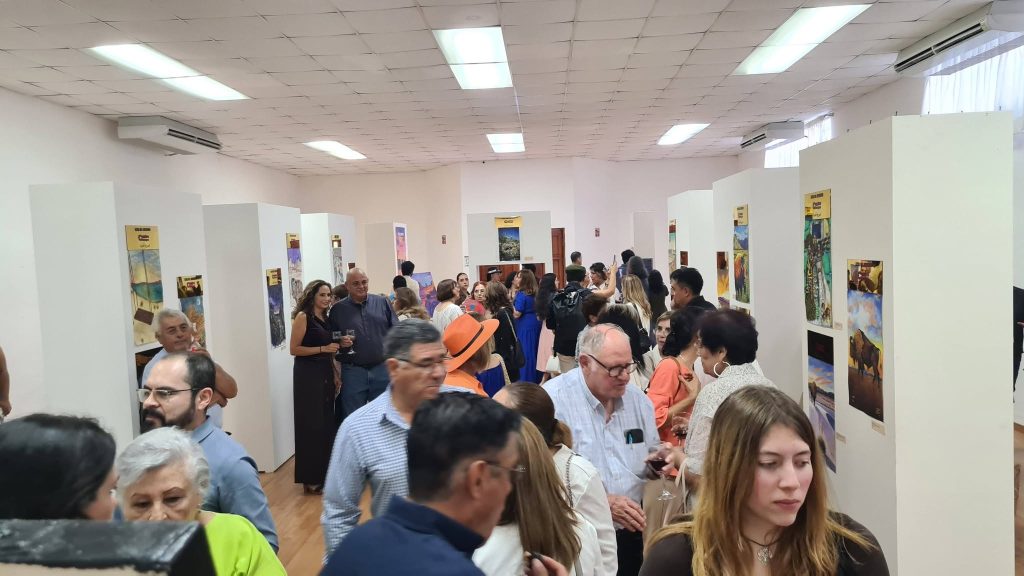
The event took place in a landmark building dating back to 1835, which once served as the residence of former Mexican President Venustiano Carranza. The historic venue provided a symbolic setting where memory, culture, and environmental commitment converged.
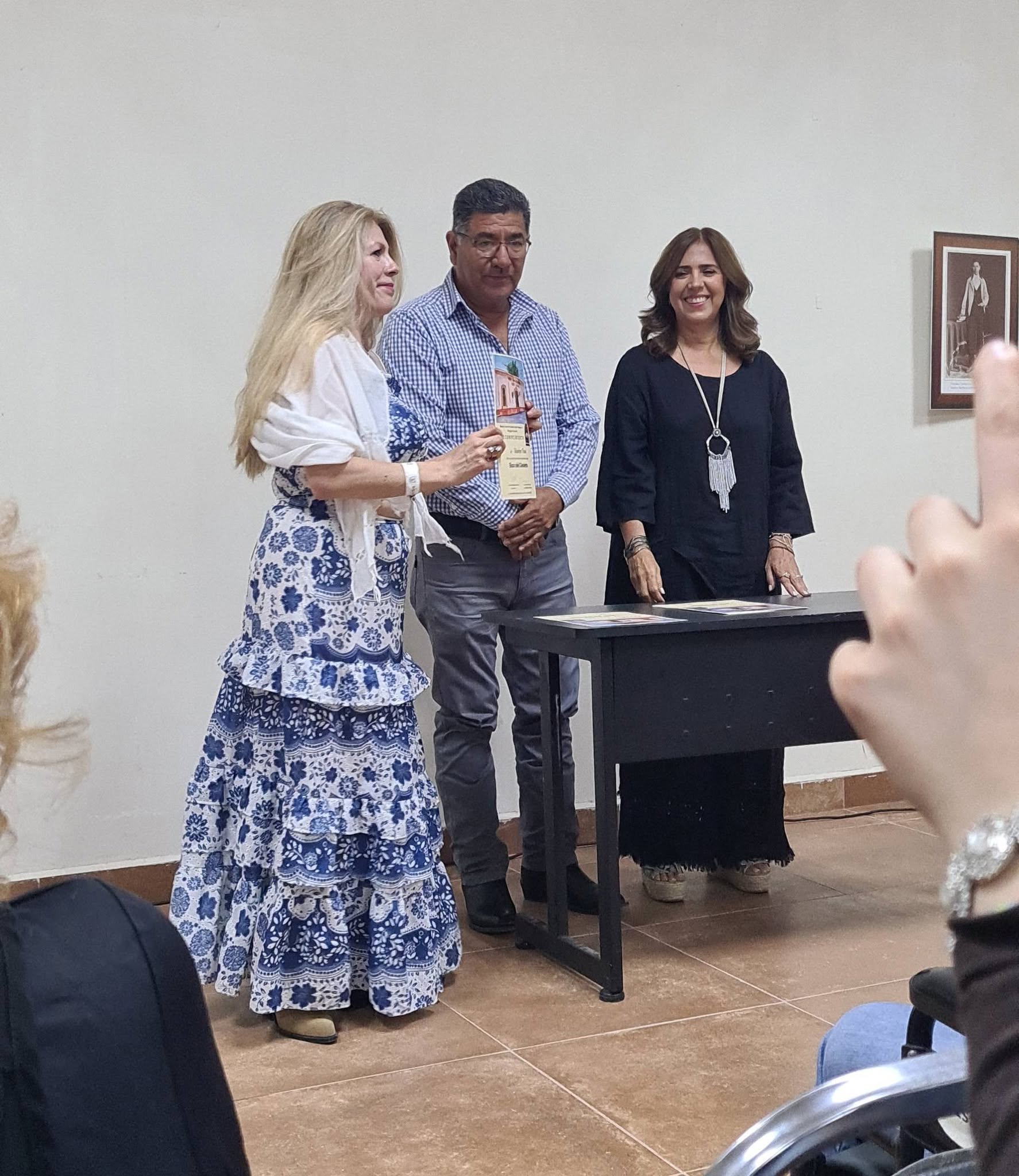
In her statement, Marlen Pasini expressed profound gratitude to the organizers and coordinators who made the gathering possible, particularly Mario Estevez, Gerardo Arellano, Libertad Villagui, and Mónica Borrego, as well as to the sponsors, cultural authorities, media representatives, and all those whose support transformed the initiative into reality. She also conveyed appreciation for the recognitions and honors presented to her in acknowledgment of her participation.
Pasini highlighted the extraordinary significance of Cuatro Ciénegas, often described as one of Mexico’s magical places and internationally recognized for its crystal-clear springs, desert oases, gypsum dunes, and biodiversity found nowhere else on Earth. The region’s ancient stromatolites, considered among the oldest forms of life on the planet, together with its bison reserve and unique ecosystems, have earned it the nickname “The Galápagos of Mexico.”
Reflecting on the deeper message of the exhibition, Pasini emphasized that every brushstroke is a reminder that protecting nature ultimately means protecting humanity itself. She underscored the power of art to transcend aesthetic boundaries and become a bridge for environmental awareness, a means of uniting hearts, and a tribute to the extraordinary beauty of our planet.
“Echoes of the Desert” stands as a testament to the capacity of art to inspire collective responsibility and foster a deeper connection between human creativity and the natural world. By bringing artists together in one of Mexico’s most ecologically significant landscapes, the exhibition reaffirmed that culture and environmental stewardship can work hand in hand to safeguard the treasures of our shared Earth.