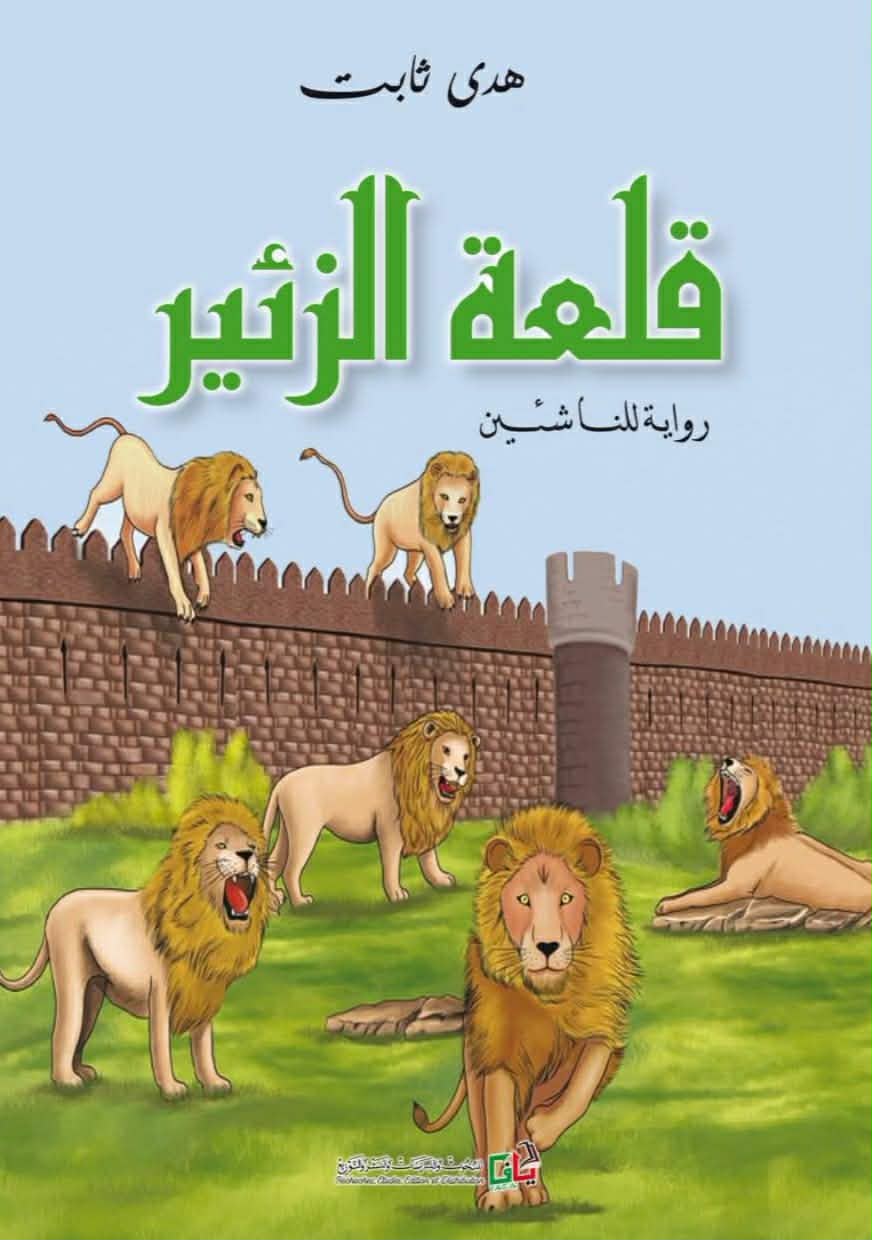
قلعة  الزئير … حديث الاحتلال والمقاومة

طارق العمراوي 


ها هي الكاتبة  الفلسطينية  هدى ثابت تراكم تجربتها السردية و اختارت أدب الطفل كرافد من روافد   تشكيل شخصية الطفل إذ به تتحرك ضمن  وزم حقلين أولهما اللغة ومفرداتها وثرائها والذي  يحتاجها  الطفل في انتاج التعابير والفروض المدرسية وفي دعم  رصيده اللغوي وثانيها تشغيل مخيلته وتفكيره عبر تصور الأمكنة والأزمنة وحركة السرد والعقدة ومآلات الانفراج وغيرها.

 وقد نشرت مؤخرا رواية للناشئين تحت عنوان “قلعة الزئير” اتخذت من عوالم الحيوان إطارا لعرض أفكارها وتصوراتها للإشكالية التي  أرادت  العمل عليها ومتطلباتها  ومن فصيلة القطط كانت الشخصيات التي أدارت الأحداث بكل اقتدار وهي شريرة أو هي خيرة مدافعة عن خيارتها.

 فهذه قطط أطلق عليه اسم” المنتوفون ” بسبب  البقع الصلعاء التي تنتشر على أجسادها وتشوه  منظرها وتجعله قبيحا” مع الصفات التي التصقت بها فهي قطط سارقة و  تحدث المشاكل وتخلق الفوضى وتحبك الدسائس والمؤامرات و ثانيا القطط ذوات اللبدة جميلة المنظر “يتفاخرون بلبداتهم الأنيقة التي  ورثوها  عن آبائهم  وأجدادهم” شرسون و مستميتون في الدفاع عن قلعتهم أصحاب  البرتقال والياسمين و لهم قرى رائعة ومدن بناها أسلافهم والنوع الثالث القطط كثيفة الذيل محتلة لأراضي غيرها تخوض حروبا ضد أهل الدار تحيك الدسائس و قدمت خدمات جليلة   للمحتل الثاني الذي ورث هذه القلعة بعد وعد مشؤوم.والبقية قطط وراء البحار قطط  ذوات الشوارب .

 أما محور الحديث  فهو وطن لهذه القطط الخبيثة انطلقت من فكرة لتصبح وطنا  قوميا بقوة الأموال والحيل  الملتوية والتهديد والقتل وبعث مجموعات   وميليشيات ومنظمات على غرار منظمه” شوسير” و” الشا تا ناه” و”اسرون ” والقتل بكل شراسة ومؤتمرات أسفرت  على احتلال قلعة الزئير  رقم شعورهم بالغربة لكنهم واصلوا احتلالهم وكانت  من نتائجه مقاومة شرسة  تكبد العدو المغتصب جزء منها.

أما  أصحاب الدار فقد قام المحتل ب 50 مذبحة  وتدمير 531 قرية وتهجير 780ألف و15 ألف شهيد مع تفاصيل عديدة أتت عليها  الكاتبة مثل وعد ” فسفور” وعد من لا يملك لمن لا يستحق” ومباركة الهجرات السرية وغيرها لتغيير التركيبة السكانية والمعمارية ورغم ذلك  لم يفلحوا في عدة أشياء   ومنها  معرفة الصوت المزعج و  تغيير ملامحهم وفشلوا كما قال النص :” هلل المنتوفون وصفقوا  واستلموا لبدات تناسب رؤوسهم ورقعا تناسب صلع  أجسادهم  ظهر المنتوفون بهذا الشكل ثاني يوم وكانوا أضحوكة أصحاب القلعة ومحط سخريتهم ومادة لإطلاق النكات  عليهم في كل مكان يتواجدون فيه” والفشل الثاني في بناء مدينة أو وطنا  فاختاروا اسما يفتقد للذوق والجمالية  فكان” روث البقر” و يقول النص” حيث كان المنتوفون وعلى مدار سنين طويلة بتحويلها لما ظنوه وطنا سيجمعهم ولكمه في الحقيقة كان وطنا مسخا لا شبيه له بين الأوطان” مع فواصل  تاريخية  وسردية مهمة كالعنصرية  بين أبناء نفس الفصيلة بشهادة بعضهم وتفكير زعمائهم قطط ما  وراء البحار  ومساعدتهم للمحتل  ومعه التخلص منهم لخبثهم ولدسائسهم مقدمين لهم الدعم  إذ يقول النص “  سلالات القطط الأخرى  في بلاد  ما وراء البحار كانت تتغاضى عن هذه الكذبة أملا في التخلص من سلالة المنتوفين السيئة وللأبد”.

 تحرك النص في جو من الرعب والقلق والغربة للقادمين من الجحور إلى وطن البرتقال والياسمين  إذ لم يفلحوا في تحقيق كذبهم المتكرر  منذ أن وطأت  أقدامهم هذه القلعة وسيرحلون كما  رحل غيرهم فهذه الأرض  قد كنست كل الغزاة  كما دلل على ذلك النص ” وفعليا تقدمت لإحتلالها أعراق متنوعة  من القطط الأجنبية وفرضوا هيمنتهم عليها لفترات محدودة احتلوا الأرض ونهبوا الخيرات وسيطروا على منافذها  البرية والبحرية ثم كان مصيرهم الرحيل في كل مرة”.

مذكرة بالرقص كل مرة كتقليد للعربدة والفوضى  لا كفن راق يرتفع بالإنسان ويسمو به ثم  كان التاريخ  والمخطوطات وعدة إشكاليات أخرى أتت عليه الكاتبة كي تعيد صياغة  الاحتلال ومآسيه  وتقديمه في طبق إبداعي للطفل الفلسطيني والعربي غير اذا المعركة أصبحت عالمية انخرط فيها كل إنسان حر

  • Related Posts

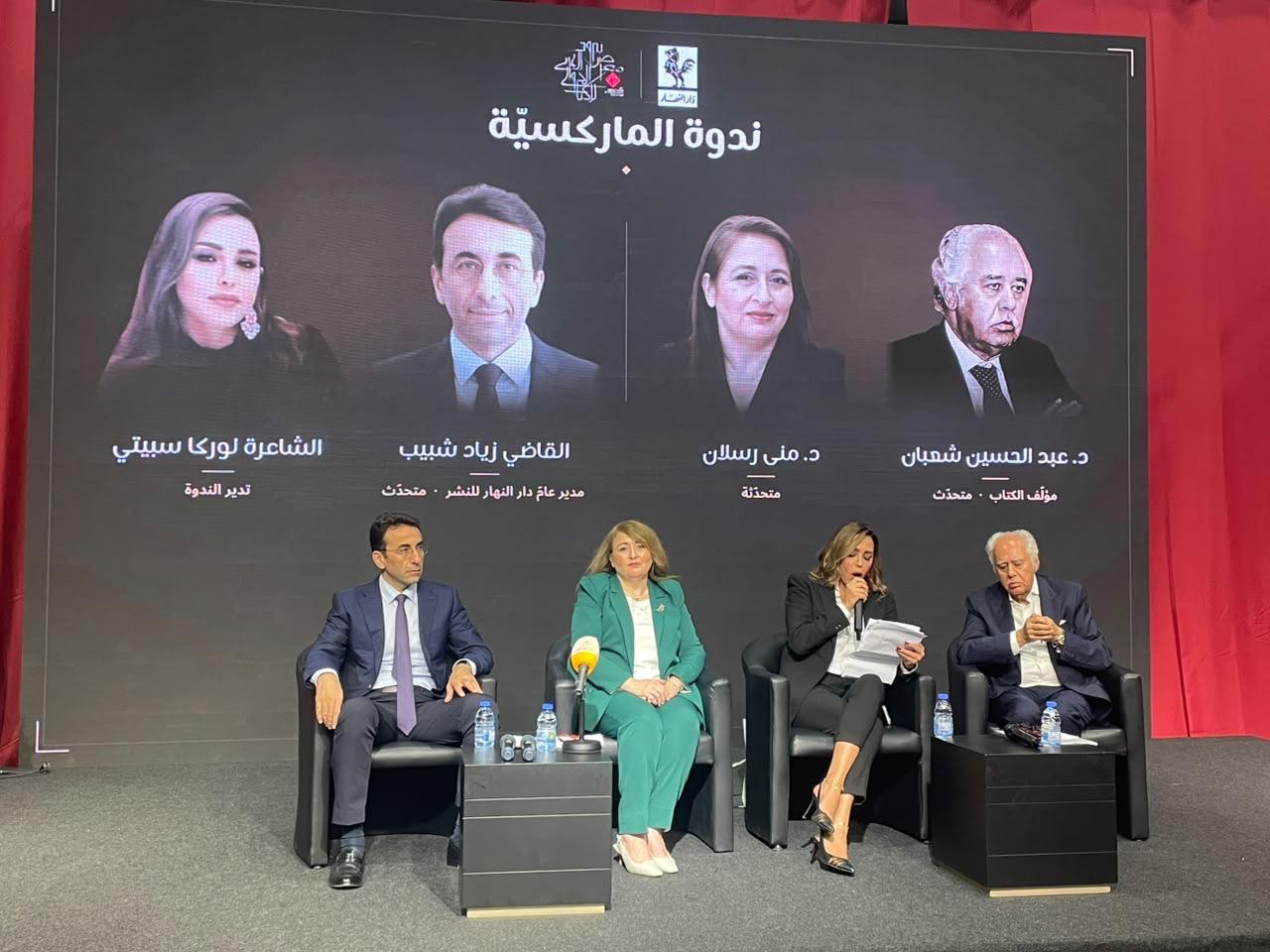
    الدكتورة مُنى رسلان: أزمةُ المُثقَّف والتحوُّلات في البُنية الدلاليَّة للنَّقد الماركسيِّ

    دراسةٌ نقديَّةٌ لكتاب د. عبد الحُسين شعبان الماركسيِّة و التمركُس والماركسلوجيا  (الصادر عن دار النهار العريقة بأصالتها) إنَّ سعيَ الإنسان هو فِعلُ تأسيسٍ لفاعليَّتهِ الشخصيَّةِ عبر تثقيفِ ذاتِه. ويقومُ التركيزُ…

    Pokhrelian Stanzas: A Paradigm Shift in the Poetry World 

      By Santosh Kumar Pokharel   pokharel.santosh@gmail.com How the Knot Was Tied  As an instant poet, I had long dreamed of introducing a poetry structure that could express a poet’s say clearly in a compact stanza with brevity. I wanted to bring something morphosemantically new into the craft. While creating a new poem, I found that a short stanza of three lines could carry a full message—and I was certain this three-liner should not imitate the haiku in any way. I began with a syllabic pattern of 1-2-1, rhyming the last line with the first. The structure looked good. This style was first named #pokhreliknots. I then extended the poem to 1-2-3-2-1 in the same manner, and kept going until I reached a twenty-five-line stanza, nominating the longer forms Vingtet and Vint-e-Cinque. The rule everywhere remained unchanged—the first and last lines mirrored each other in rhyme. This was the first triangular structure to begin from a monosyllabic line and stretch to twenty, then twenty-five lines. During composition, I discovered that repeating the central line produced a peculiar resonance across the whole stanza. I adopted this as the Morphosemantic Trapezium, with patterns such as 1-2-3-3-2-1, 1-2-3-4-4-3-2-1, and 1-2-3-4-5-5-4-3-2-1. The fundamental rule of mirroring first and last lines was now firmly in place. Then came an opportunity to present a workshop for the master’s degree students of Tribhuvan University. There I felt the need for stanzas flexible enough to carry a poet’s entire say while keeping the rhyming rule unaltered. I began forming shorter stanzas for poems and lyrics—starting from polysyllabic counts and ending each stanza on the same rhyme as its opener. It was at this stage, when the polysyllabic opener came into use, that the form became known as Pokhrelian Stanzas. These shorter stanzas looked even more aesthetic and meaningful, which led me to name the complete form Pokhrelian Stanzas: Morphosemantic Triangulum and Morphosemantic Trapezium. I was overwhelmed with joy when beautiful lyrics and poems with grave meanings could emerge from this structure. Today, poets across continents are practicing this style. The Architecture of the Knot  What began as a three-line experiment grew into a complete architecture. The Pokhrelian Stanza rests on a single, unalterable principle: the first and last lines of every stanza mirror each other in rhyme. Upon this foundation, the form unfolds in two complementary movements. The first is the Morphosemantic Triangulum—the triangular stanza that begins with a monosyllabic line, expands syllabically to an apex, and contracts back to a monosyllabic line rhyming with the opening one. From the briefest Trimetric Knot or Trentet (1-2-1) to the Pentametric Knot or Pentet (1-2-3-2-1), the Heptametric Knot or Heptet (1-2-3-4-3-2-1), and onward to the extended Vingtet and Vint-e-Cinque, each stanza forms a visual and rhythmic triangle whose central line marks the summit of the thought. The expansion and contraction of syllables is not decorative; it is morphosemantic—the shape of the stanza carries the shape of the meaning. The second is the Morphosemantic Trapezium, born from the discovery that repeating the central line produces a peculiar resonance, an echo that deepens the stanza’s emotional and semantic field. Here the pattern becomes Quadret (1-2-2-3), Hexametric Knot or Hexet (1-2-3-3-2-1), Octet (1-2-3-4-4-3-2-1), and so on. The mirrored rhyme of first and last lines remains inviolate, but the doubled centre gives the poem a lingering, reflective quality—the knot tightened twice. As the form travelled from the page to the workshop, a further need arose: stanzas flexible enough to carry a poet’s entire say while preserving the rhyming rule. Thus emerged the polysyllabic stanzas—shorter and more numerous, beginning not with a monosyllable but with a longer line, and closing each stanza on the same rhyme as its opener. Patterns such as 3-4-5-5-4-3 and 5-6-7-8-8-7-6-5 allowed lyrics and longer poems to breathe without surrendering the form’s discipline. These shorter stanzas proved, if anything, even more aesthetic and meaningful—compact yet complete, rhymed yet free. Together, the Triangulum and the Trapezium, the monosyllabic and the polysyllabic, constitute the Pokhrelian Stanzas. Unlike haiku, which seeks brevity without rhyme, the Pokhreli Knot is confined and rhymed—a deliberate advance over modern blank verse and the loosely worded short poem. It offers the poet a structure at once strict and spacious, capable of wit, grief, love, and meditation within the same mirrored frame. Starting from the three-liner and extending to twenty-five-line stanzas, the Pokhrelian Stanzas render an unparalleled contribution to the morphology of poetry building. The Pokhrelian Sonnets and Beyond  At the furthest reach of the Trapezium so far lies the Pokhrelian Sonnet, a fourteen-line stanza following the pattern 1-2-3-4-5-6-7-7-6-5-4-3-2-1. This is the morphosemantic trapezium in its most extended form: the syllables climb from one to seven across seven lines, pause at the doubled seventh line—the apex where the resonance deepens—and then descend symmetrically to a monosyllabic close that rhymes with the opening word. The ascent gathers; the doubled centre holds; the descent releases. Meaning is carried as much by the architecture as by any single line. Sonnet Knot (1-2-3-4-5-6-7-7-6-5-4-3-2-1) Morphosemantic Trapezium March 30, 2024. Nepal. Naive Love’s boon From yonder Shall happen soon As liable, who should Give them the silver spoon My eyes are there for her Issues shall not me deter If love’s perfect and pure…

    اترك تعليقاً

    لن يتم نشر عنوان بريدك الإلكتروني. الحقول الإلزامية مشار إليها بـ *