 thesilkroadtoday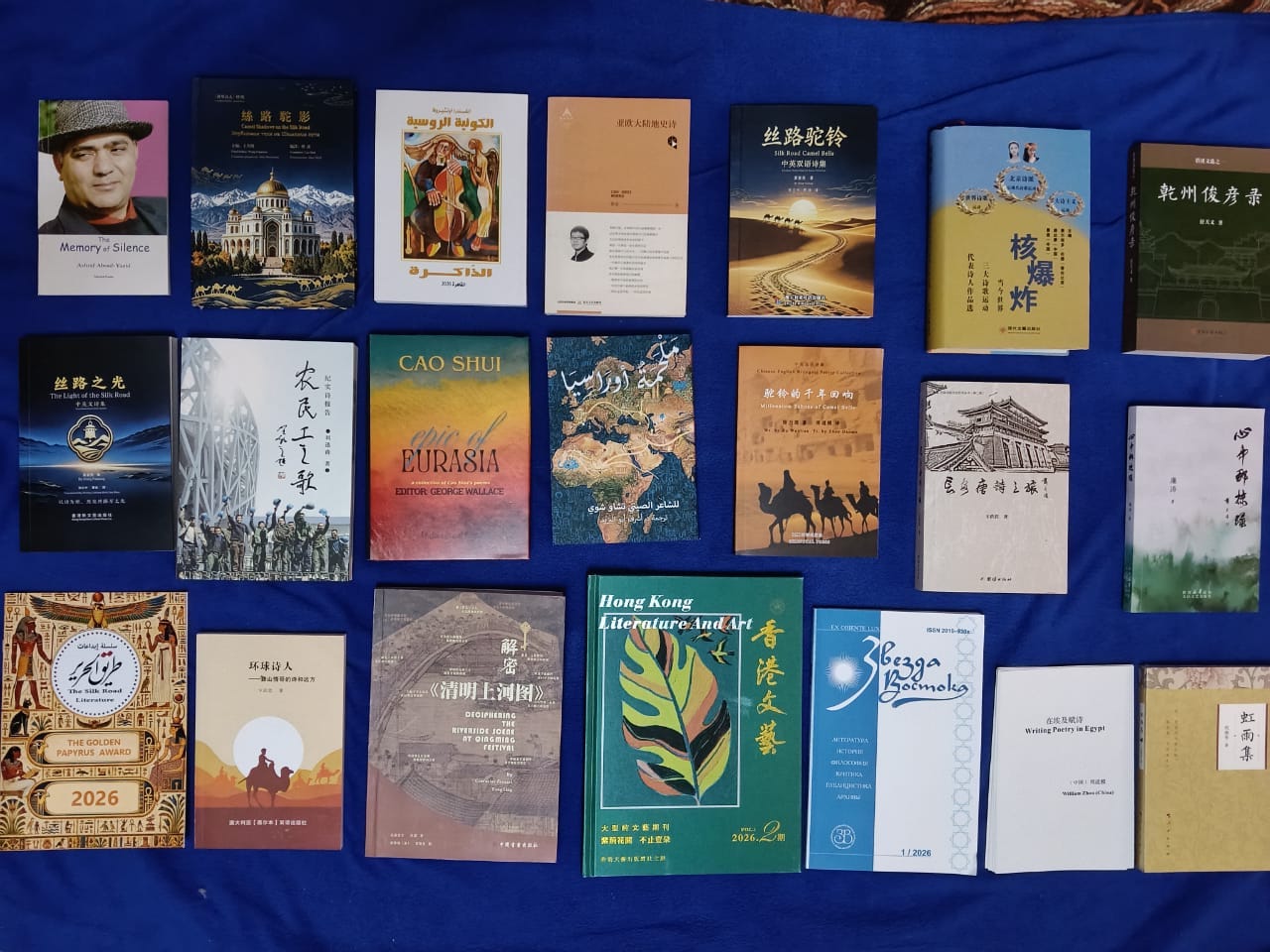
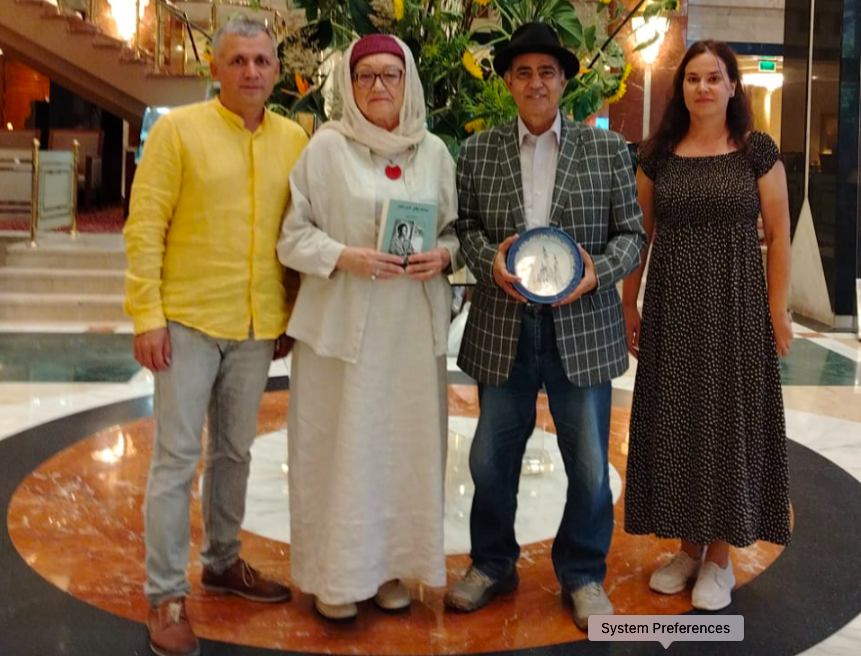
Every literary journey leaves behind more than memories; it leaves books bearing the voices of the people and places encountered along the way. During the 6th Silk Road International Poetry and Art Festival, which brought together writers, poets, translators, and artists across Uzbekistan and Kazakhstan, I had the privilege of receiving a remarkable collection of books directly from their authors.
Each volume was offered not merely as a gift, but as an invitation to enter a distinct cultural landscape, to discover another language of memory, history, imagination, and identity. In this series of articles, I will present these works one by one, offering reviews that go beyond summary to explore their literary merit, cultural significance, and the conversations they create across borders. Together, these books form a living library of the contemporary Silk Road, where literature continues to unite civilizations through the enduring power of the written word.
A Literary Journey into the Cultural Soul of Qian County
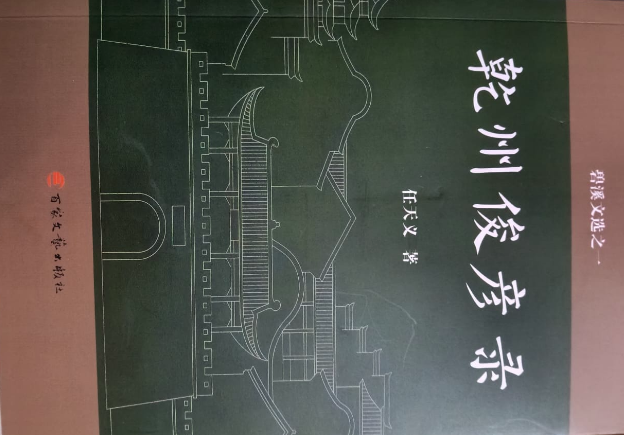
Blue Stream Reflecting the Moon, Integrity Fragrant Through Public Service (碧溪映月 公仆流芳) is much more than a collection of historical essays. Through its pages, Ren Tianyi (任天义), writing under the pen name Bixi (碧溪), presents a profound tribute to his native Qian County in Shaanxi Province, weaving together history, folklore, philosophy, local memory, and moral reflection.
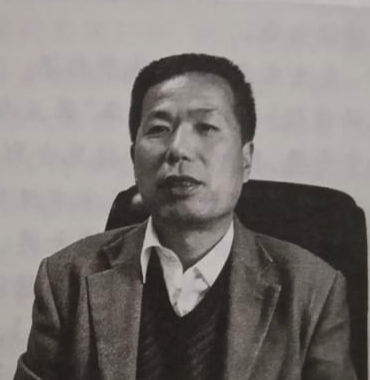
The opening biographical sketch introduces Ren Tianyi as a writer, journalist, cultural researcher, and public servant whose career has been dedicated equally to literature and social responsibility. His life story is marked by integrity, highlighted by an incident in 1991 when he returned a large sum of money he had found, an act that earned him recognition as a model citizen. This ethical foundation permeates the entire volume, lending authenticity to his voice as both historian and witness.
The table of contents immediately reveals the breadth of the author’s ambition. Rather than offering a chronological history, the book unfolds as a cultural atlas of Qian County. Its chapters explore ancient myths, archaeological sites, historical towns, temples, mountains, rivers, and legendary figures, demonstrating that every landscape preserves the memory of civilization. The work embraces both documented history and oral tradition, recognizing folklore as an essential component of cultural identity.
One of the most compelling chapters focuses on Zhuangzi Mound (庄子塬), where geography, Daoist philosophy, and local legend merge into a single narrative. Ren Tianyi describes the plateau not simply as a physical location but as a living cultural landscape where nature and philosophy coexist. Mountains, streams, rocks, and vegetation become silent storytellers, preserving the spiritual legacy associated with the great Daoist thinker Zhuangzi. Historical records, local gazetteers, and popular memory are skillfully combined to demonstrate how cultural heritage survives through both written documents and collective imagination.
The author’s prose is distinguished by its lyrical elegance. Rather than presenting archaeological facts in isolation, he transforms them into evocative literary landscapes. Rivers become witnesses to centuries of civilization, mountains embody philosophical contemplation, and villages emerge as repositories of inherited wisdom. This poetic approach makes the book accessible not only to historians but also to readers interested in literature, travel writing, and cultural studies.
A central strength of the volume lies in its synthesis of scholarship and affection. Ren Tianyi writes neither as a detached academic nor as a nostalgic local patriot. Instead, he serves as a cultural interpreter, inviting readers to understand how regional history contributes to the broader narrative of Chinese civilization. Qian County appears as a microcosm where Confucian ethics, Daoist philosophy, Qin heritage, and rural traditions intersect across millennia.
The moral dimension of the book is equally significant. The title itself juxtaposes natural beauty with public virtue, suggesting that cultural preservation and ethical conduct are inseparable. The author’s own career in public service reinforces this message, transforming the work into both a cultural chronicle and a reflection on civic responsibility.
In an age when rapid modernization often threatens local heritage, Blue Stream Reflecting the Moon, Integrity Fragrant Through Public Service stands as an important act of cultural preservation. It reminds readers that landscapes are not merely geographical spaces but repositories of memory, philosophy, and identity.
Ultimately, Ren Tianyi has produced a work that transcends regional history. It is a celebration of cultural continuity, a meditation on the relationship between humanity and place, and a testament to the enduring value of integrity. Readers interested in Chinese local history, Daoist traditions, cultural geography, or literary nonfiction will find this volume both intellectually rewarding and aesthetically satisfying—a book that illuminates the enduring dialogue between the past and the present through the timeless landscapes of Qian County.
Dr. Ashraf Aboul-Yazid