 thesilkroadtoday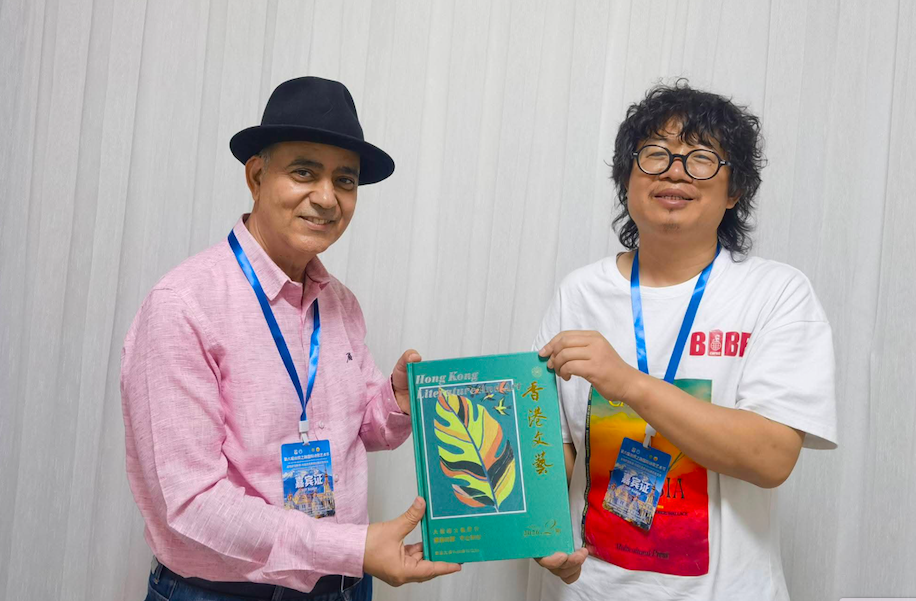
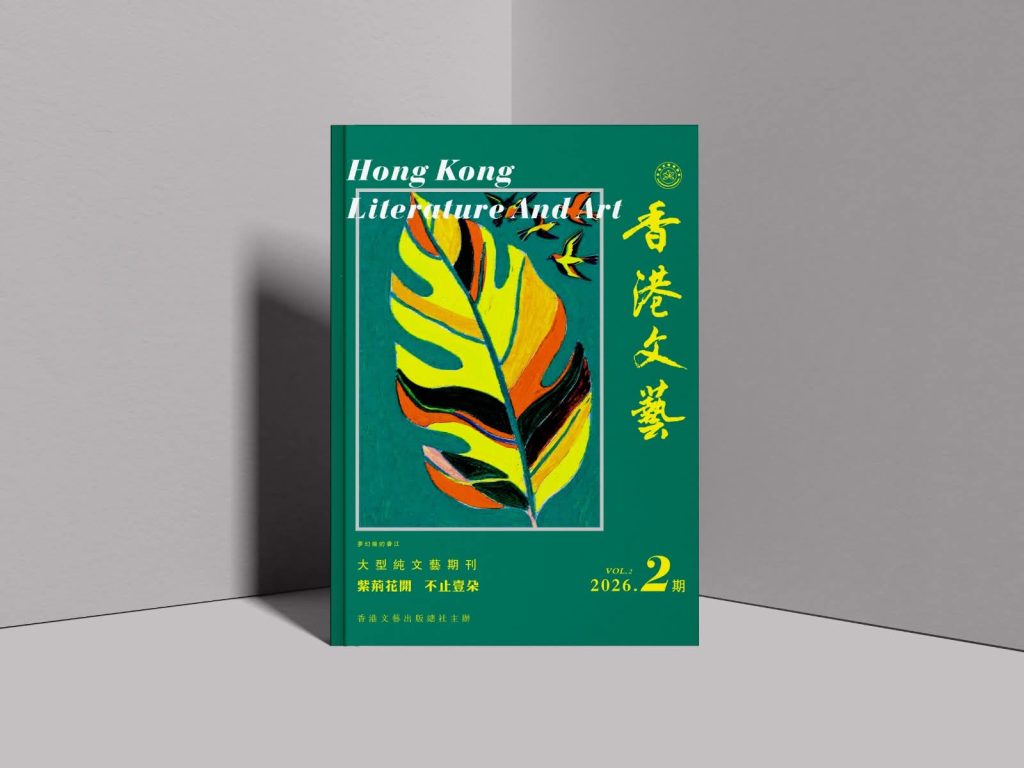
Hong Kong, August 2026 — The latest issue of Hong Kong Literature and Art (2026.2), published under the evocative theme “The Bauhinia Blossoms — More Than a Flower,” presents an expansive portrait of contemporary Chinese literature and the arts while opening its pages to international voices and cross-cultural dialogue. The issue brings together poetry, fiction, prose, criticism, essays, cultural studies, music, painting, calligraphy and international literary exchange, reaffirming the journal’s position as a major platform for creative expression and intercultural communication.
Published by the Hong Kong Literature and Art Publishing House and distributed across mainland China, Hong Kong, Macau, Taiwan and overseas Chinese communities, the journal has established itself as an important literary platform extending beyond geographical and linguistic boundaries. Its advisory and editorial bodies bring together prominent writers, poets, scholars and cultural figures from China and abroad, reflecting an explicitly international and intercultural outlook.
The new issue opens with portraits of major figures whose careers illuminate different dimensions of Chinese cultural life. Among them is celebrated writer Zhang Chengzhi, whose literary journey is traced through his development as a novelist, essayist and cultural writer. His works, including The Black Steed, Northern River, The Spanish Journey, Soul Lamp and Thirty-Three Years of Walking, reveal a sustained engagement with history, identity, culture and the human condition.
Another featured figure is novelist and screenwriter Liu Jianwei, whose career moves between literature, cinema and television. His presence highlights the relationship between narrative writing and visual storytelling, while the profile of Tian Qing, musicologist and specialist in intangible cultural heritage, introduces another dimension of cultural preservation. His work connects traditional and religious Chinese music with contemporary scholarship and public cultural life.
The issue is notable for its breadth of literary forms. Prose, poetry, short fiction, novels, literary criticism, essays and theoretical writing appear alongside reflections on books, art and cultural heritage. This diversity enables the magazine to examine literature not in isolation, but as part of a wider relationship linking artistic creation with history, society, memory and human experience.
A special feature is devoted to renowned writer Gao Hongbo, whose prose and literary career receive focused attention. His inclusion at the beginning of the issue reinforces the magazine’s interest in the continuing vitality of Chinese literature and its ability to respond to contemporary realities without severing its connection with cultural memory.
The literary diversity continues through works such as “Facing Old Age and Death,” “The Longing in the Mud and the Celebration on the Dissection Table,” “Dancing Across the Three Realms,” “There Is a Portrait Painter in the Mountains,” “My Tree,” “The Fish of Empty Reading,” “Readers, or the History of Crying,” and “Following the Dawn to Wake.” Together, these works move between intimate experience and broader questions concerning society, memory and existence.
Critical writing forms another important pillar of the issue. Essays examine literary aesthetics, narrative traditions and individual authors, including a study of Zhao Defa’s rural narrative aesthetics. Other contributions revisit classical literature and explore intersections between literature, medicine and psychology, including an examination of the emotional and psychological world of women in Dream of the Red Chamber. The magazine also devotes attention to new literary works, encouraging critical dialogue through essays and prefaces surrounding Bow Dao.
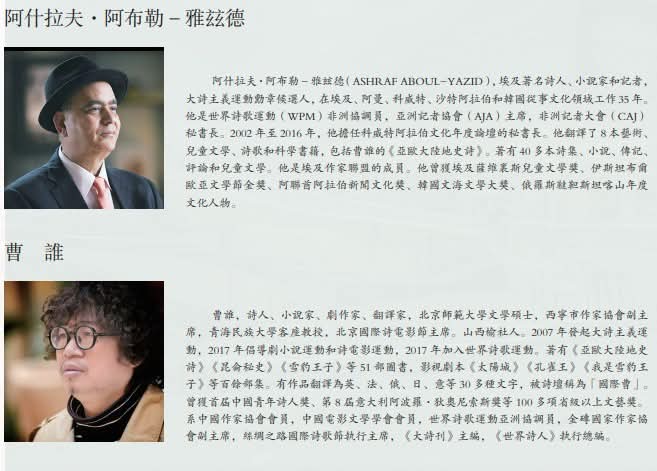
One of the issue’s most significant features is its international dimension. In the “Foreign Writers” section, Egyptian poet and writer Ashraf Aboul-Yazid appears as both contributor and translator, presenting Jack Hirschman’s “One Thousand and One Lamps” in Chinese translation. His participation introduces an important Arab and Silk Road dimension, connecting Hong Kong’s literary environment with international poetry and demonstrating how translation can create bridges between cultures.
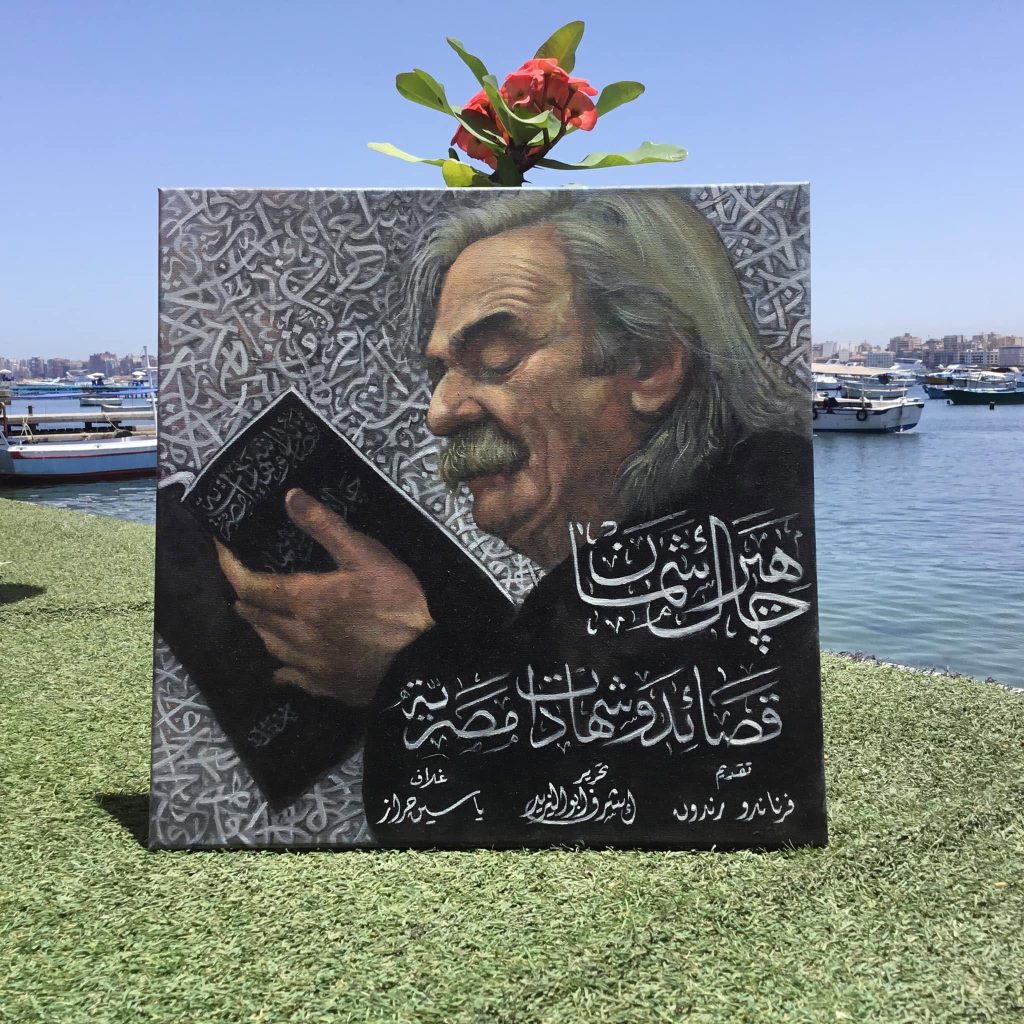
The international dialogue extends further through Australian writer Zhuang Weijie’s theoretical essay, “Life and Literature in the Age of Commercialization and High Technology,” which reflects on the challenges confronting literature and human creativity amid technological transformation, commercialization and rapid social change.
Poetry remains one of the issue’s strongest currents, with contributions exploring time, memory, nature, awakening, travel and personal experience. Poets including Lin Yonghuo, Yincheng, Chen Shangquan, Sun Jiquan and Bing Bang contribute to a broad representation of contemporary poetic expression.
The magazine also expands into visual culture. Its “Calligraphers and Painters” section features the calligraphy of Du Dakai, while the cover artwork, “Leaves Kissed by Sunlight, Moonlight and Birds — My Hong Kong Reminiscences,” transforms the city’s landscape into a dialogue between nature, memory and place. The visual identity of the issue is further shaped by its cover inscription and interior design.
Other sections explore Hong Kong’s mountains, sea and urban lights, as well as travel, American memories and literary impressions, moving between the local experience of Hong Kong and wider intellectual and geographical horizons.
The issue concludes by documenting the magazine’s cultural activities, including the 2025 “Chinese Laurel” Series and the List of Outstanding Chinese Literary and Artistic Figures, while its closing pages feature a profile of novelist Mai Jia and a musical contribution, “Shangzhuang Ci,” creating a final encounter between literature, music and cultural memory.
Ultimately, Hong Kong Literature and Art 2026.2 is more than a collection of literary works. It functions as a cultural meeting place where Chinese literature encounters international creativity, where history meets contemporary expression, and where poetry, fiction, criticism, music, painting and calligraphy enter into a shared conversation. The participation of Ashraf Aboul-Yazid and the Chinese translation of Jack Hirschman’s poetry are particularly emblematic of this vision: translation becomes a bridge, literature becomes dialogue, and Hong Kong becomes a meeting point for voices from China, Asia and the wider world.