 thesilkroadtoday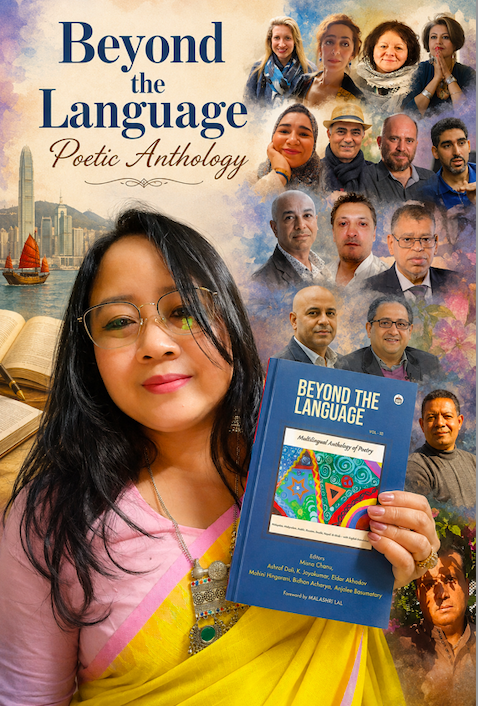
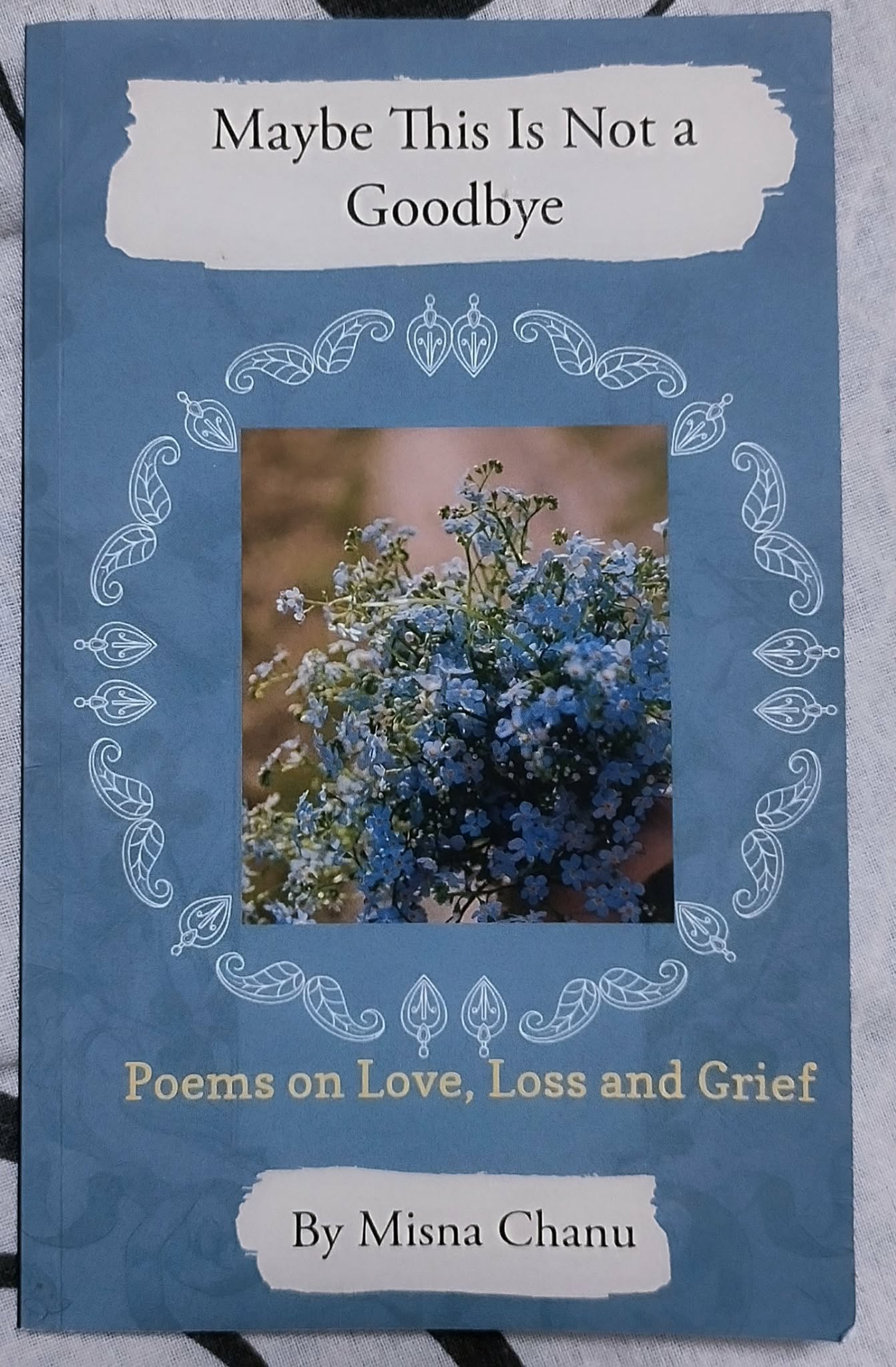
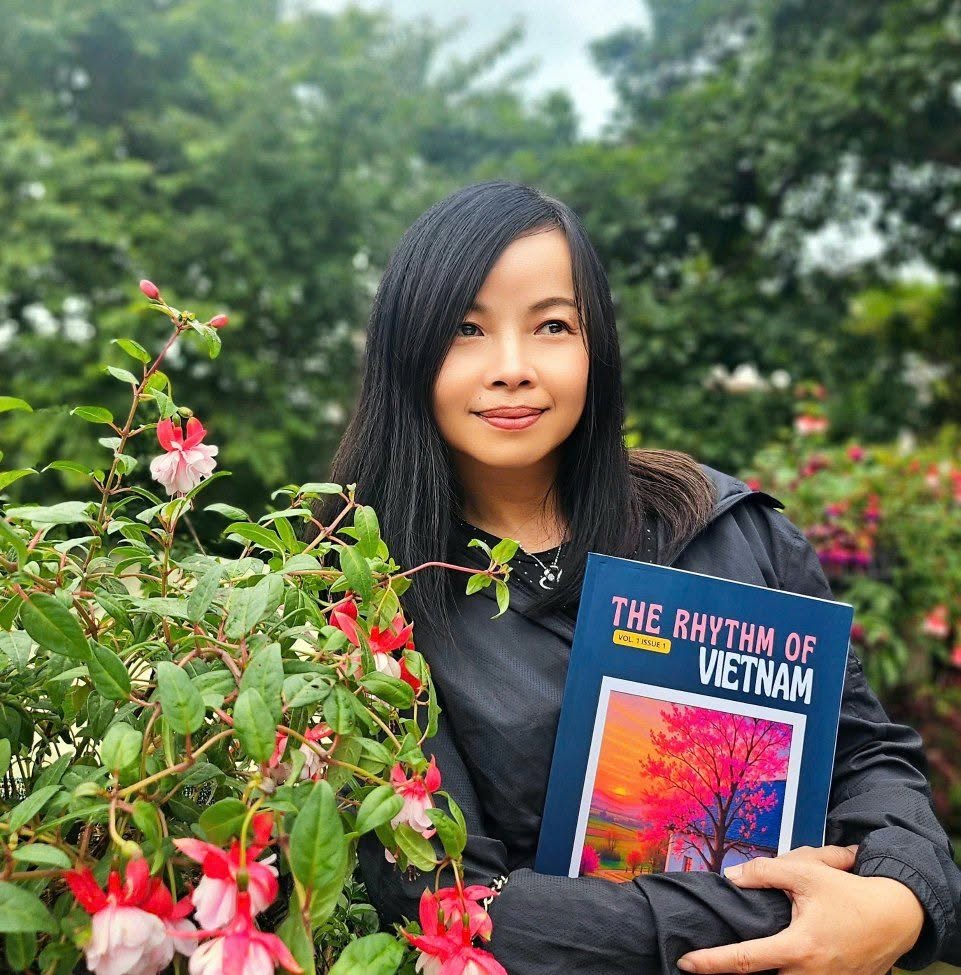
New Delhi, August 2026 — Indian poet and editor Misna Chanu celebrates the publication of the third volume of Beyond the Language, a multilingual poetic anthology bringing together voices from seven languages and cultures. Conceived in 2021 as a literary project dedicated to building bridges among languages, nations, races and religions, the new volume continues its mission of demonstrating that literature can transcend borders and create spaces for dialogue among peoples.
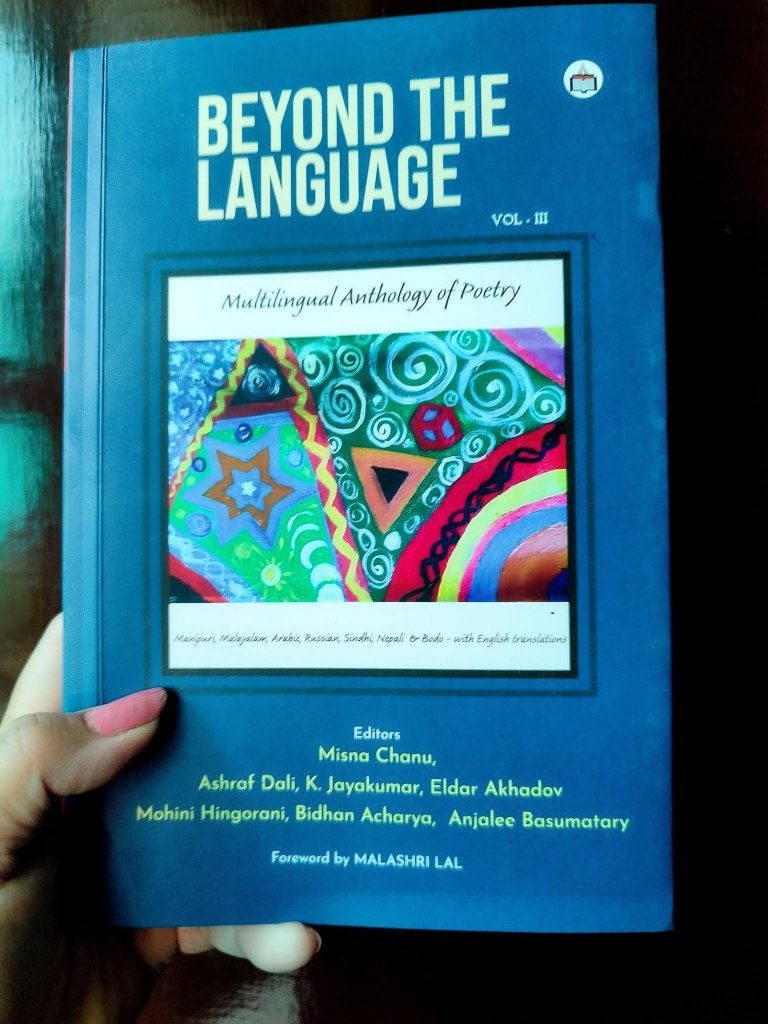
The third volume presents poetry in Manipuri, Arabic, Malayalam, Russian, Sindhi, Nepali and Bodo, with each poem accompanied by an English translation. Misna Chanu serves as the compiler of the volume and editor of the Manipuri section, working alongside distinguished editors responsible for the other linguistic sections. The edition carries a foreword by Malashri Lal, former Dean of Colleges and former Head of the Department of English at the University of Delhi, whose engagement with the manuscript adds an important academic and literary perspective to the collection.
At the heart of the volume is its Arabic section, selected and edited by Dr. Ashraf Aboul-Yazid (Ashraf Dali), which brings together a distinctive panorama of contemporary Arab poetry. The section presents fourteen poetic voices from across the Arab world, creating a literary mosaic shaped by different countries, generations, languages, experiences and aesthetic visions.
The Arabic selection reaches from Palestine to Egypt, Lebanon to the wider Arab world and the Atlas Mountains, bringing together poets whose writing emerges from memory, displacement, identity, resistance, love, social reality and the search for meaning. Their poetry demonstrates that the Arabic literary experience cannot be reduced to a single geography or voice; rather, it is a constantly evolving conversation between homeland and exile, memory and future, individual experience and collective history.
Among the featured voices is Dr. Hanan Awwad, for whom poetry becomes an extension of a long struggle for identity, freedom and justice. Other poets, including Hani Nadeem, Reda Ahmed, Momen Samir, Ghada Nabil and Fathi Abdel Samie, approach poetry as an encounter with the self, an echo of inner solitude, or a reflection on the contradictions and transformations of society.
The section also highlights the lyrical challenge of Dr. Arwa Bin Dhia and the contemplative introspection of Bilal El-Masri, demonstrating how multilingual literary expression can simultaneously dismantle familiar boundaries and construct new forms of perception.
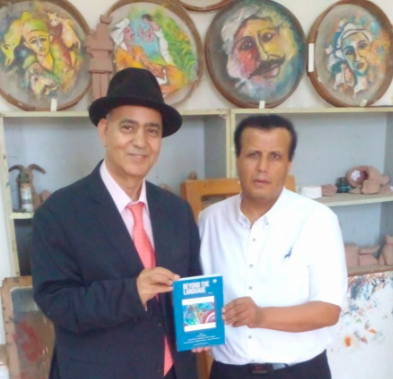
The visual and imaginative dimensions of contemporary Arab poetry emerge through the work of Mohamed Okasha and Ali Al-Amri, while Tariq Hashem explores the immediacy of the present through poetic language. Dalila Hayawi and Raed Al-Jishi bring another dimension to the anthology, standing at the crossroads of civilizations and cultures and expanding the reader’s understanding of identity, place and belonging.
Together, these poets demonstrate the extraordinary range of contemporary Arab poetic expression. Some write in Arabic, while others have also worked in English, French, Spanish or Italian, yet their poetry travels beyond the boundaries of its original language. Through translation, their individual voices become part of a larger international conversation.
For Dr. Ashraf Aboul-Yazid, who selected the Arabic section, the anthology represents precisely the kind of cultural encounter that translation makes possible: a poem becomes a bridge between memories and visions, exile and return, pain and beauty. The poets gathered in the section revive forgotten places, give voice to silenced histories and imagine a future shaped not by conquest, but by compassion.
The Beyond the Language project is therefore more than a multilingual anthology. It is an experiment in literary diplomacy, demonstrating how poetry can travel where political borders cannot. Each translated poem becomes an invitation to encounter another culture without abandoning one’s own.
Misna Chanu expresses her gratitude to the editors of the different language sections, including Dr. Ashraf Aboul-Yazid for Arabic, K. Jayakumar for Malayalam, Eldar Akhadov for Russian, Mohini Hingorani for Sindhi, Bidhan Acharya for Nepali, and Anjalee Basumatary for Bodo, as well as to all participating poets.
She also acknowledges Kurdish poet and editor Hussein Habasch and Catalan poet and editor Xavier Panades I Blas, who contributed blurbs for the volume, and Sudarshan Kcherry, CEO of Authorspress India, for publishing the series and supporting her literary journey.
The publication of Beyond the Language, Vol. III confirms the continuing power of literature to cross linguistic and cultural frontiers. From Manipuri to Arabic, from Malayalam to Russian and from Sindhi to Nepali and Bodo, the anthology creates a chorus in which difference becomes a source of richness rather than separation.
At its core is a simple but profound conviction: literature connects people, and literature transcends borders.
The 14 Arab Voices
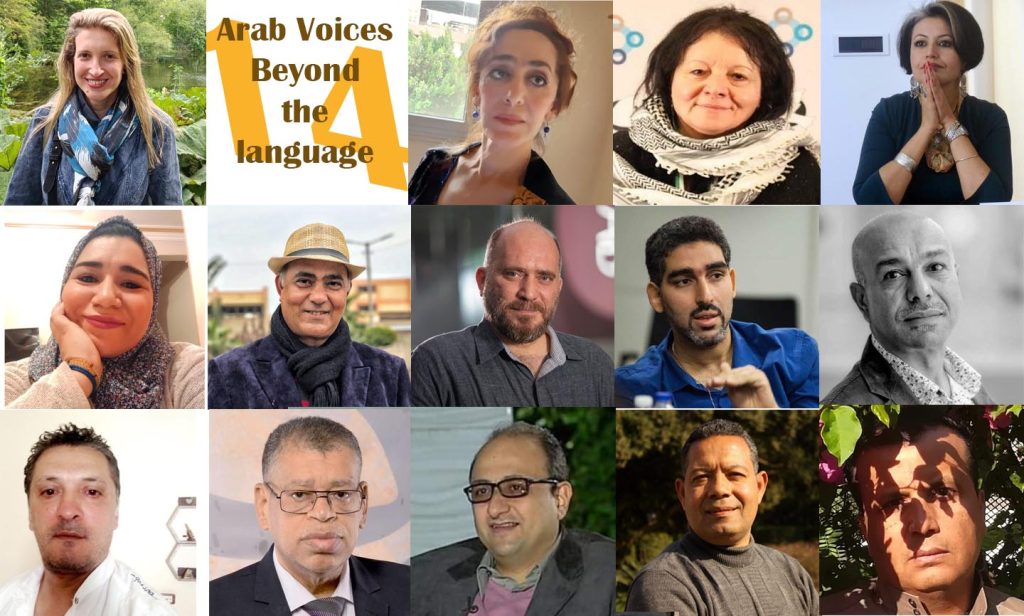
The supplied material explicitly names 13 poets in the Arabic section: Dr. Hanan Awwad, Hani Nadeem, Reda Ahmed, Momen Samir, Ghada Nabil, Fathi Abdel Samie, Dr. Arwa Bin Dhia, Bilal El-Masri, Mohamed Okasha, Ali Al-Amri, Tariq Hashem, Dr. Dalila Hayawi, Raed Al-Jishi, in addition to the editor , translator and poet Dr. Ashraf Aboul-Yazid