 thesilkroadtoday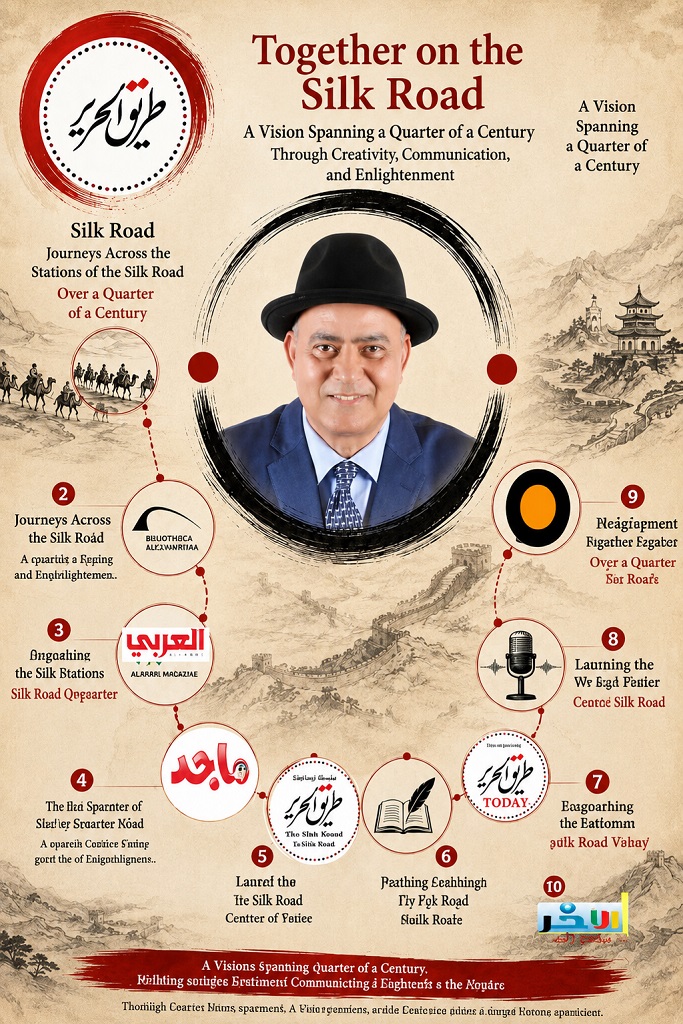
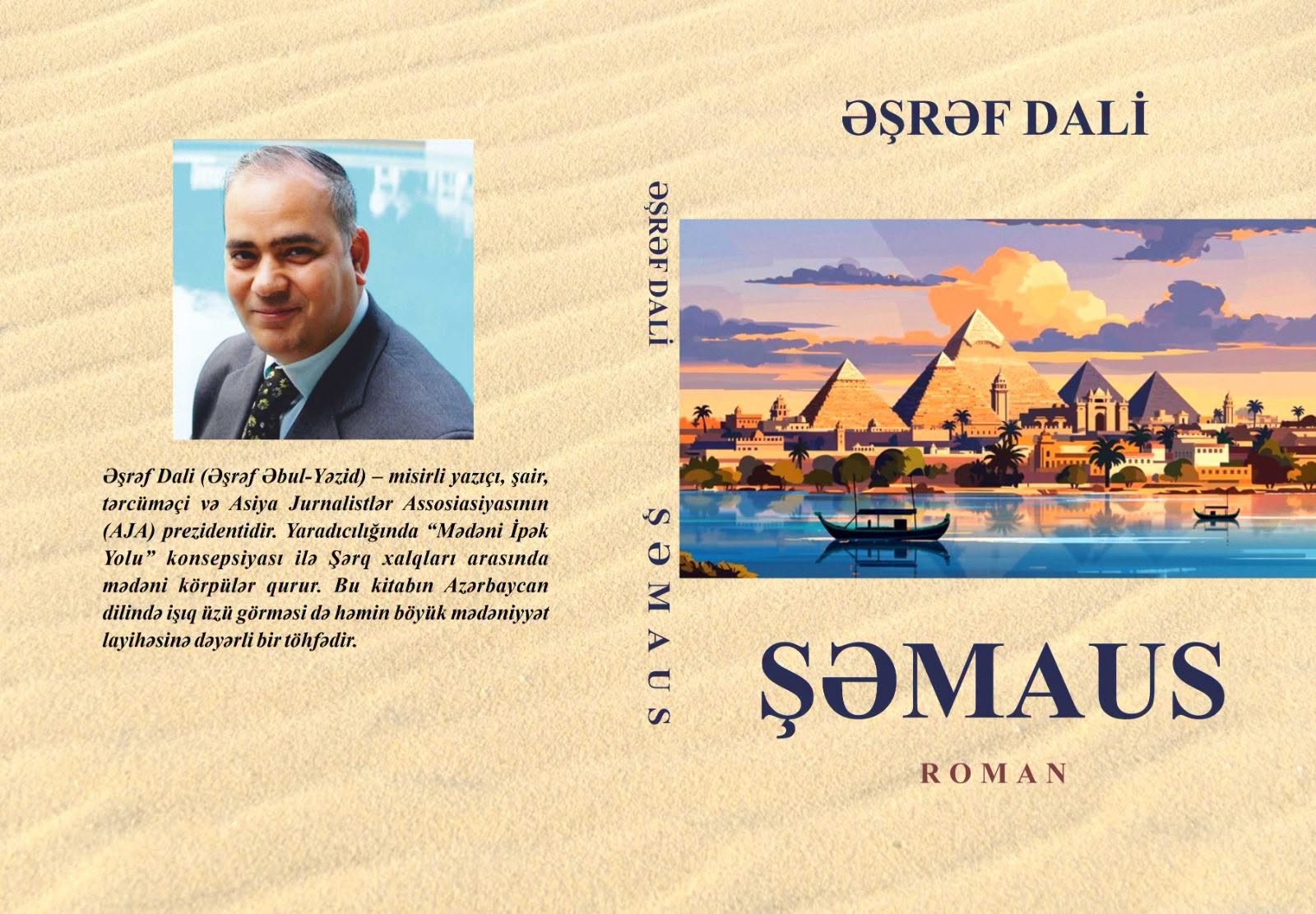
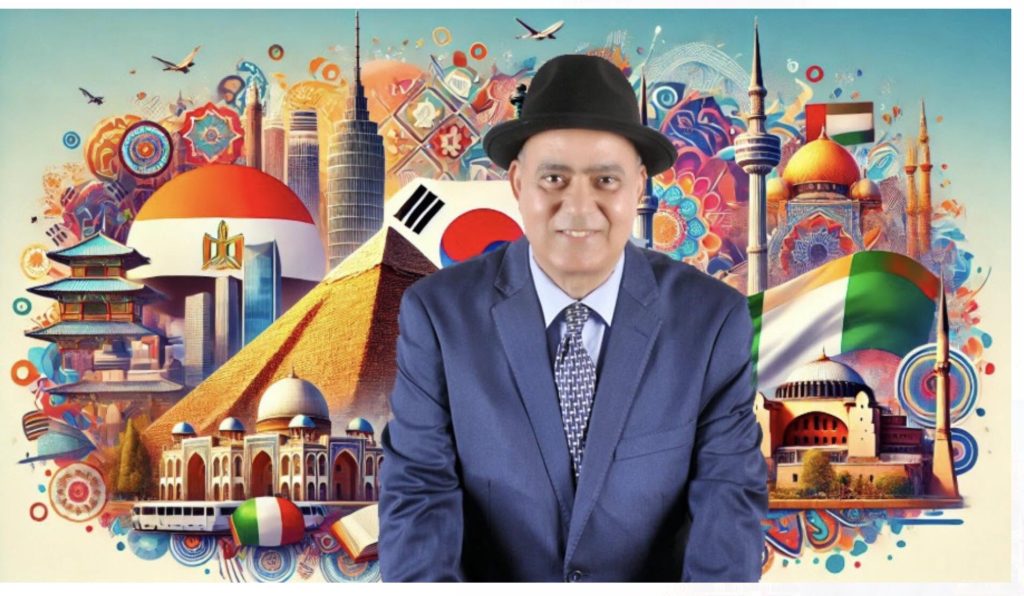 Not every journey is simply a passage between cities and countries. Some journeys evolve into enduring civilizational projects that transcend geography to reach humanity itself. Such is the experience of the Egyptian writer, traveler, and scholar Dr. Ashraf Aboul-Yazid, who, over more than twenty-five years, transformed his travels along the historic Silk Road into a global cultural vision. Through this vision, the ancient route became a platform for dialogue among civilizations, while literature and the arts emerged as bridges connecting peoples across cultures.
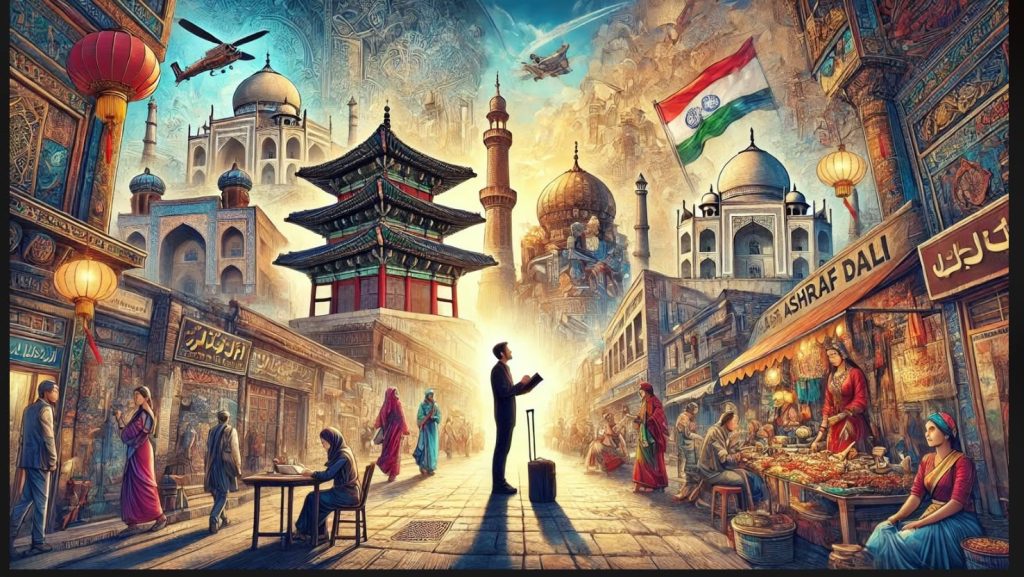
The story began with extensive field expeditions to the major stations of the Silk Road stretching across Asia, Europe, and Africa. Dr. Aboul-Yazid traveled through China, Iran, Uzbekistan, Türkiye, Kazakhstan, Azerbaijan, India, and many other countries that historically served as vital hubs within the world’s networks of trade and cultural exchange. These journeys were far more than tourism or participation in literary festivals; they became a living laboratory for documenting cultural diversity and discovering the shared human values that have connected the peoples of the Silk Road for thousands of years.
Drawing upon this accumulated experience, he launched the Silk Road Project, an integrated cultural initiative that has become one of the most distinguished independent Arab efforts to revive the Silk Road as a civilizational concept beyond its economic and political dimensions. The project affirms that culture, literature, and the arts remain the true engines for building bridges of understanding among nations.
Another milestone that embodied Dr. Ashraf Aboul-Yazid’s philosophy of reviving dialogue along the Silk Road was his television program The Other, broadcast on Kuwait’s Al-Arabi and Kuwait TV channels in 2010 and 2012. Conceived, written, presented, and directed by Dr. Aboul-Yazid himself, the series featured more than one hundred distinguished guests from nearly twenty countries, including writers, scholars, artists, diplomats, and Nobel laureates. Moving intercultural dialogue from the pages of books to the television screen, the program introduced Arab audiences to the diverse cultures of Asia, Europe, Africa, and the Americas. The Other became a media extension of the Silk Road Project, demonstrating that genuine dialogue with the “other” is the essential foundation for mutual understanding, cultural diplomacy, and lasting peace among civilizations.
The project’s first major milestone came in 2011 with the publication of the Silk Road Encyclopedia by the Bibliotheca Alexandrina. This comprehensive reference work brought together history, geography, travel writing, literature, and the arts, presenting Arab readers with a panoramic vision of the Silk Road and its profound contribution to the development of human civilization. The encyclopedia soon established itself as an essential reference for both scholars and general readers, reinforcing the project’s standing within Arab and international cultural circles.
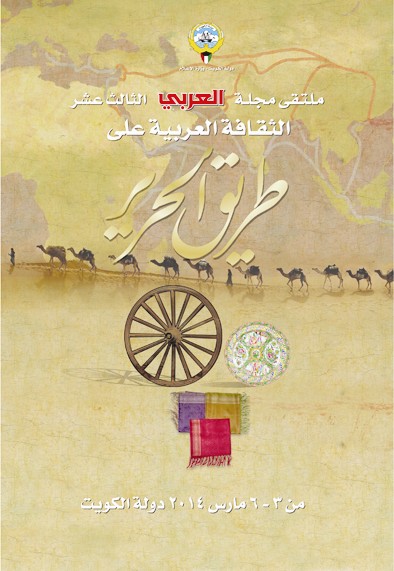
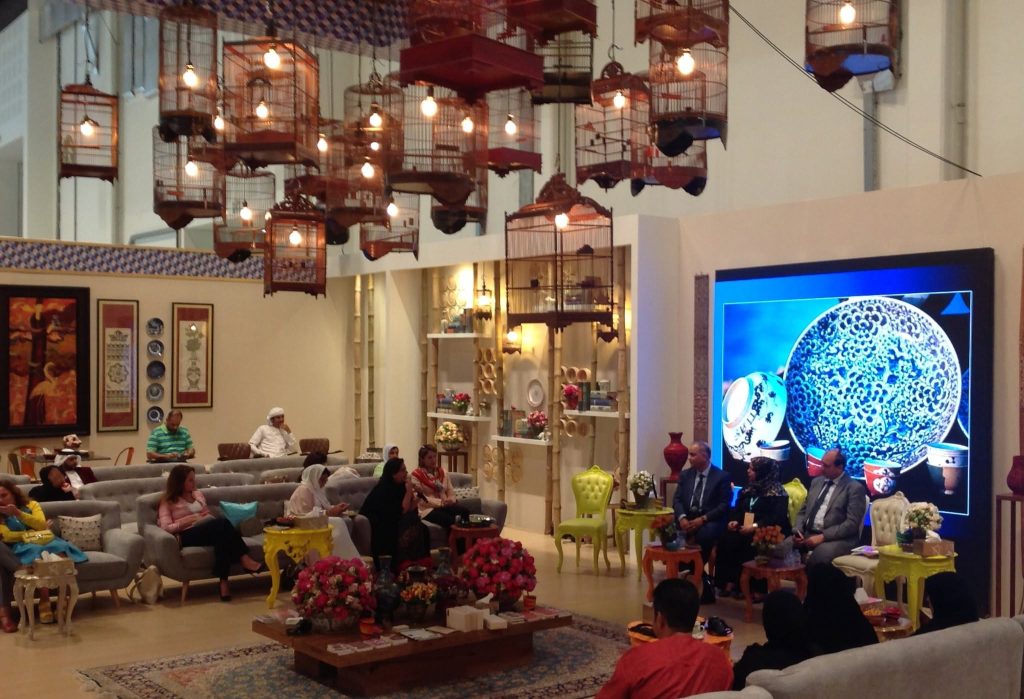
In 2014, the project’s dialogue expanded further through the launch of the Silk Road Symposium under the auspices of Kuwait’s Al-Arabi Magazine. Bringing together distinguished intellectuals and writers from numerous countries, the symposium explored the cultural dimensions of the Silk Road and its role in shaping a future founded upon dialogue and cooperation. It transformed the project from a publishing initiative into a dynamic intellectual forum, connecting Arab cultural institutions with global discussions surrounding the New Silk Road.
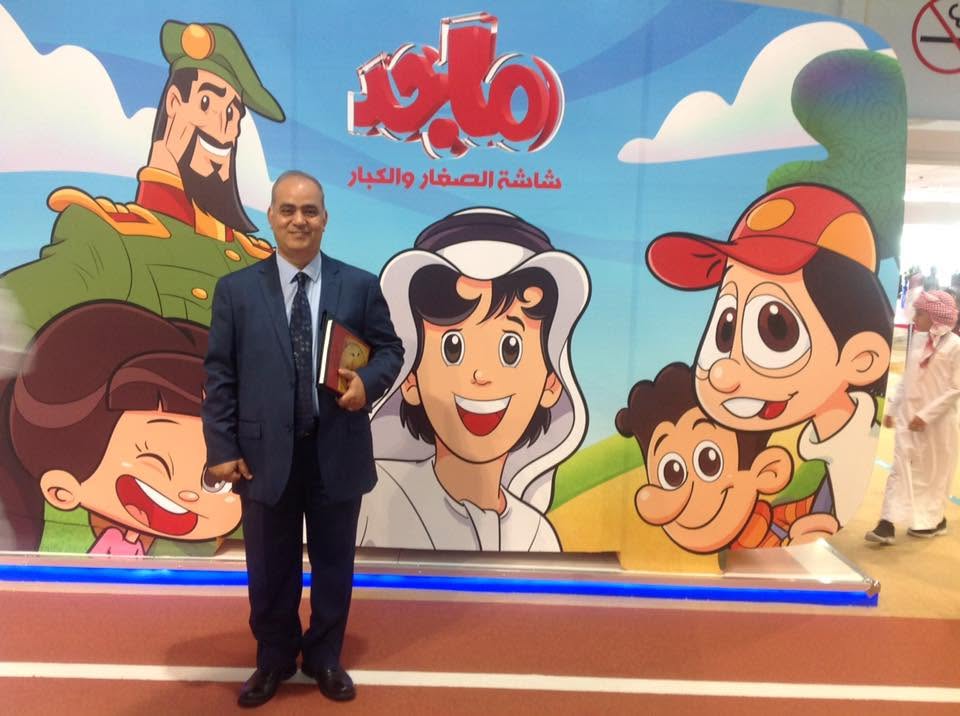
Recognizing that the project should reach beyond academic and literary elites, Dr. Aboul-Yazid also turned his attention to younger generations. He created the children’s series Majid’s Adventures on the Silk Road, serialized weekly in Majid Magazine in the United Arab Emirates.
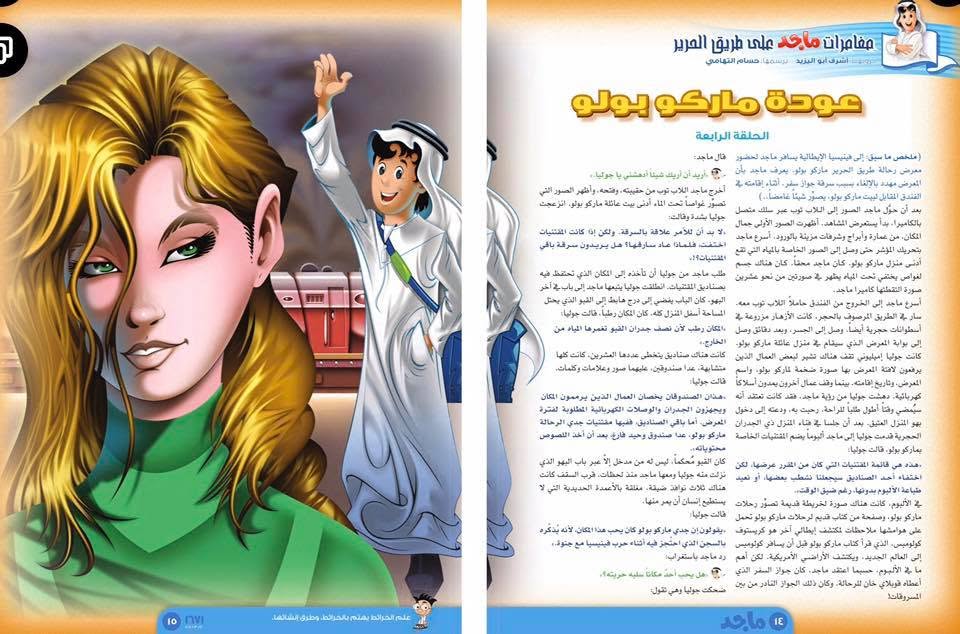
Through engaging adventures blending education with entertainment, young readers discovered the history of cities, peoples, traditions, and legends that flourished along the Silk Road, making the series a rare Arab contribution linking children’s literature with world cultural geography.
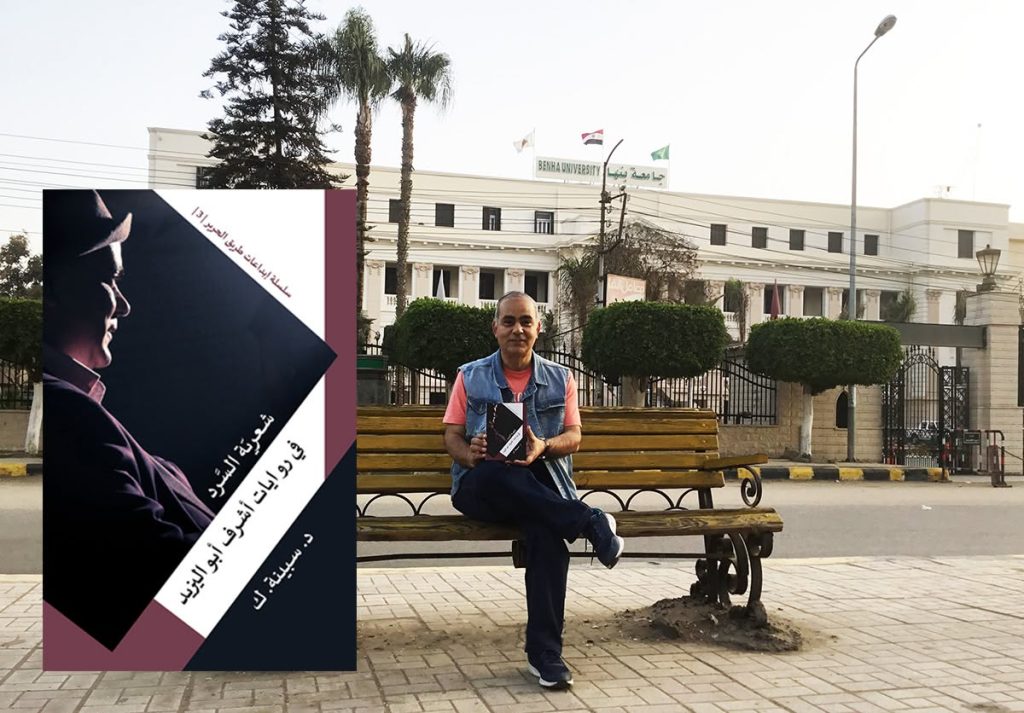
The year 2016 marked another significant milestone with the inauguration of the Silk Road Literature Series, which provided an international platform for publishing, translation, and cultural exchange among writers from different countries. The series introduced world literature to Arab readers while simultaneously promoting Arab literary creativity among audiences throughout the Silk Road region.
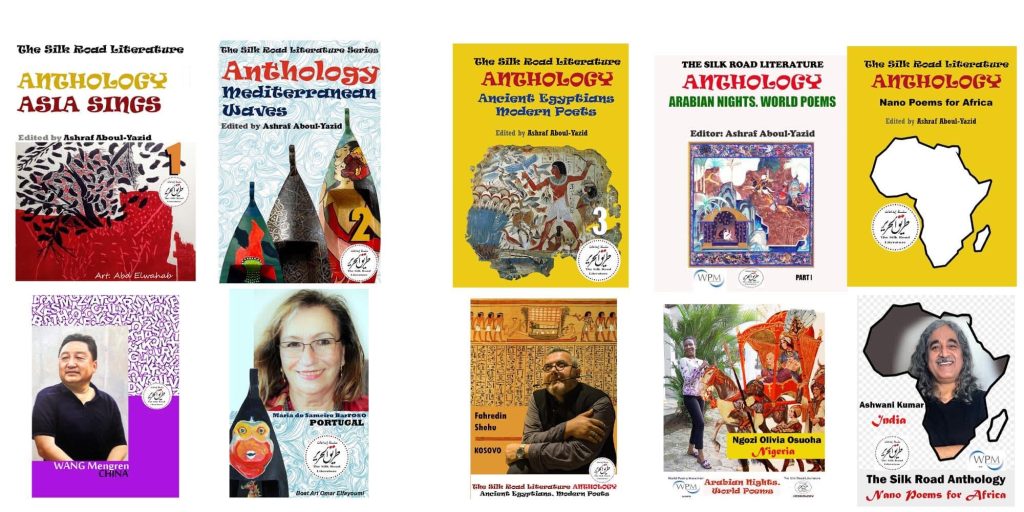
The project also launched the Silk Road Anthology collections for poets from around the world, an unprecedented literary initiative that attracted hundreds of poets from every continent. Each anthology revolved around a shared human theme, producing volumes such as Asia Sings, Mediterranean Waves, Arabian Nights and World Poets, Ancient Egyptians and Contemporary Poets, and Nano Poems for Africa. Together, these anthologies became a unique literary space where poets of diverse languages and cultures could meet under one symbolic umbrella, demonstrating that poetry has the power to transcend political boundaries and geographical distances.
With the digital transformation, the project continued to expand through the launch of the Silk Road Today platform, which has become an international cultural and media gateway. Publishing news, interviews, scholarly studies, and creative works in both Arabic and English, the platform also highlights activities related to Silk Road cultures while covering literary and artistic events across dozens of countries. In doing so, it has established a vibrant global network connecting writers, artists, translators, and cultural institutions.
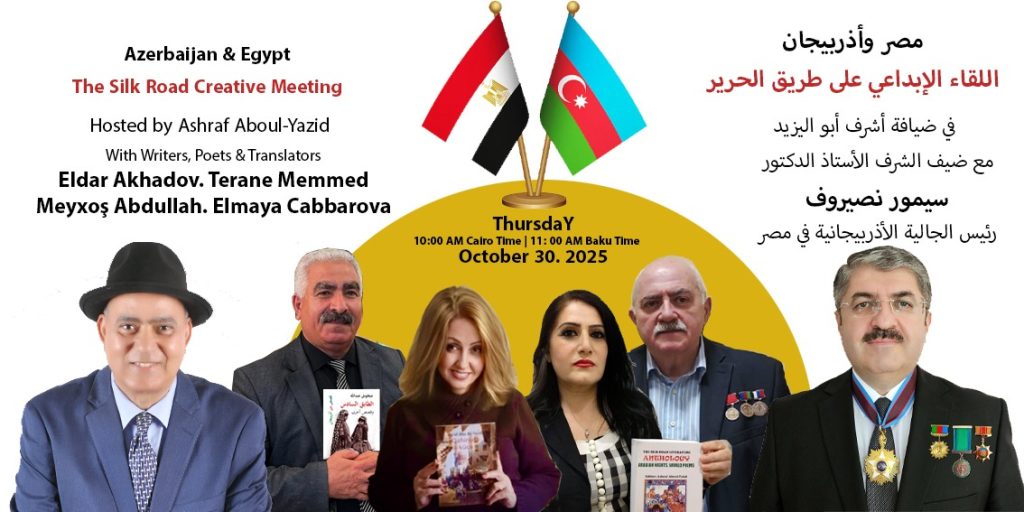
The platform also inaugurated the online series Creative Encounters on the Silk Road, which virtually hosts writers, poets, artists, translators, and intellectuals from around the world. These conversations document their creative experiences while fostering ongoing dialogue on literature, culture, identity, and the future of human relationships, taking full advantage of digital media to reach an international audience.
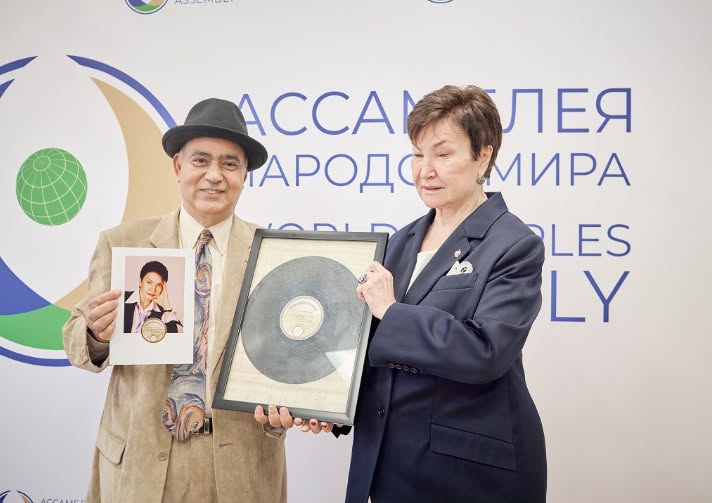
As the culmination of more than a quarter century of sustained cultural work, the project established the Silk Road Creative Personality of the Year Award, honoring individuals whose achievements have strengthened intercultural dialogue. The inaugural recipient was Dr. Alexandra Ochirova of Russia, UNESCO Goodwill Ambassador for Peace, in recognition of her outstanding humanitarian and cultural contributions.
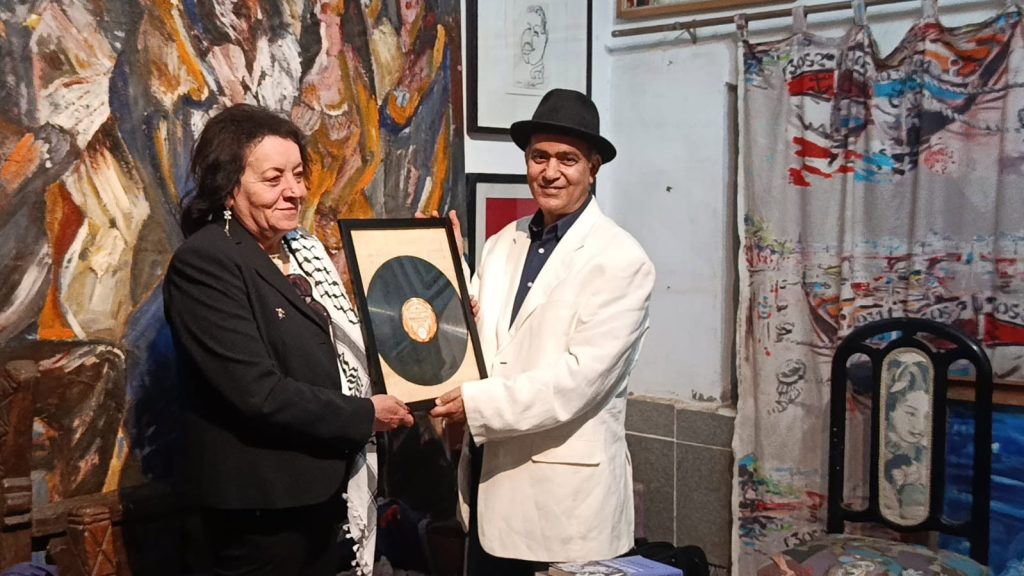 She was followed by the distinguished Palestinian writer and scholar Dr. Hanan Awwad, whose literary and cultural achievements have served both humanitarian and national causes.
Dr. Ashraf Aboul-Yazid’s Silk Road Project has demonstrated that a journey is not the end of the road—it is its beginning. From travel to authorship, from encyclopedic scholarship to children’s literature, from publishing to translation, and from scholarly symposia to digital platforms, the project has evolved into a comprehensive cultural movement grounded in the conviction that civilizations are not destined to clash but to engage in dialogue. It reaffirms that culture possesses the enduring power to rediscover the ancient road that once united humanity and to keep it open for future generations as a pathway of knowledge, peace, and creativity.