Trending News:عبد الرازق عكاشة.. الذاكرة الإنسانية ودورها فى البناء التشكيلي.. ” ناس من شارعنا”أدونيس وعلي أحمد سعيد إسبرحين تتكلم الثقافة بلغة الثقة: إرث تشايكوفسكي يعبر إلى الشرق الأوسطCultural Synergy Over Rivalry: The Legacy of Tchaikovsky and the “Walking Family Museum” at the First World Public Summit in Amman EgyptThe Silk Road Literature Series and World Peoples Assembly Sign Strategic Cooperation Agreement in Ammanالناقدة والروائية سماح خليفة: امرأة وجدت في الأدب مساحة لفهم العالم ومساءلتهالفن والثقافة والإبداع: إصدار الخريف المنتظر لعام 2026 من «100 مشروع إبداعي – الفن في الواجهة»سحر زمان تستضيف لقاءً أدبياً خاصاً حول مذكرات الكاتبة الفلسطينية حنان عواد بترجمة أشرف أبو اليزيدSahar Zaman Hosts a Special Literary Encounter on Palestinian Writer Hanan Awwad’s Memoirs, Translated by Ashraf Aboul-YazidАлександра Очирова представляет книгу «Русский космизм: Память» на трёх языкахألكسندرا أوتشيروفا تقدم كتاب «الكونية الروسية: الذاكرة» بثلاث لغاتAlexandra Ochirova Presents Russian Cosmism: Memory in Three LanguagesLoving You at the Speed of a Snail Travelling Around the WorldBenjiman Blue: The Streets Between WorldsLA GAONESA: Poems of Life, Love and Longingد. حنان عواد تتسلم الميدالية الذهبية وعضوية منظمة كتاب العالم في ختام الجلسة الأدبية للقمة العربية في عمّانمقال أدبي | السير في صحبة الجنياتالرجل الذي نسي أنه يموتالثقافة جسر بين الشعوب: قمة عمّان تناقش الذاكرة التاريخية والحوار الحضاري For an African Literary Sovereignty Open to the Worldالخيالات الأفريقية والعالمية تحتفي بها الرباطThe Pokhrelian Stanzas: A Manifesto for Compact Syllabic Verse في حب تونس … حوار المشاهد والشواهد الشاعر والسهوب والإنسان: قراءة نقدية في العالم الشعري لأولوغبيك يسداوليتوفA Journey Beyond Earth: Meeting Russian Cosmonaut Oleg Skripochka in Ammanقادة الدبلوماسية الشعبية يعرضون مشروعاتهم في القمة العالمية للشعوبالتراث الروحي بوصفه فضاءً للحوار محور نقاش في القمة العالمية للشعوب: العالم العربيسلاف … نهر على سفردكتور عبد الحليم نور الدين.. حين يصبح الإنسان أثرًا لا يمحوه الزمنمجلة «سُلاف» الثقافية اليمنية تحتفي بمرور عامين على انطلاقتهاالموسوعة السعودية للسينما: عناوين لافتة في مساحة متفرّدة АЛЕКСАНДРА ОЧИРОВА: ЧЕЛОВЕК ДОЛЖЕН УМЕТЬ ЗАЩИЩАТЬ СВОИ ЦЕННОСТИALEXANDRA OCHIROVA: A PERSON MUST BE ABLE TO DEFEND THEIR VALUESألكسندرا أوتشيروفا: يجب على الإنسان أن يكون قادراً على الدفاع عن قيمهA Look at Alfred Nyagaka Nyamwange’s Collection of BooksDance in Silence, Poem by Anwar Rahimالشاعرة القطرية سعاد الكواري تشيد بمبادرة «100 مؤلف، 100 كتاب»From Russia to Humanity: Alexandra Ochirova’s Russian Cosmism: Memory Brings Author, Translator and Intellectual Dialogue Together in Ammanحوار مع جويا لوماستي: العقل المدبر وراء مشروع 100 مؤلف. 100 كتابInterview with Gioia Lomasti: The Mind Behind 100 Libri d’Autoreآية دغنوج في حضرة الموجيCommemorative Anthology Honouring Dashdorg Natsagdorj Presented to Mongolia’s Iconic PoetsWorld Peoples Assembly Scientific and Expert Council Brings Global Initiatives to the Arab World: From Vision to Joint Programs and ProjectsPublic Diplomacy in Action: International Leaders Explore the Path from Dialogue to Sustainable Partnerships in AmmanThe Arab World: Bridging Heritage and the Future – International Leaders to Explore New Horizons of Cooperation at the First World Public Summit in AmmanAmman Hosts the Official Opening of the First World Public Summit: Dialogue, Cultural Heritage and Partnership for a Common FutureLiterature and the Future Human Being: World Organization of Writers Hosts International Literary Salon in Amman“Russian Cosmism. Memory”: Alexandra Ochirova Presents Her Multilingual Book at the First World Public Summit in AmmanPublic Diplomacy Leaders Present International Initiatives at the First World Public Summit in Ammanالمنظمات غير الحكومية والعمل التطوعي والخيري: تعزيز المجتمع المدني والتنمية المجتمعية في العالم العربيNGOs, Volunteering and Charity: Strengthening Civil Society and Community Development Across the Arab Worldمن المعرفة إلى العمل: المنتدى الدولي للشباب في عمّان يدفع نحو جيل جديد من التعاون العالميFrom Knowledge to Action: International Youth Forum in Amman to Advance a New Generation of Global Cooperationالأرض المقدسة والعالم العربي: التراث الروحي جسرٌ للحوار والسلامThe Holy Land and the Arab World: Spiritual Heritage as a Bridge for Dialogue and PeaceThe Skull of LiteratureLeonid Selemenev Discovers Remarkable Artistic Works During Visit to the Likhachev Centerالشاعر السعودي رائد الجشي يمثل الشعر العربي في معرض «وفرة الخريف.. هبة الحب» بمدينة شنغهاي الصينيةالفن يجمع النساء : 115 فنانة من 115 دولة يلتقين في دبيART CONNECTS WOMEN 2026: 115 Women Artists from 115 Countries Come Together in DubaiNepalese Writers Keshab Sigdel and Dr. Ram Dayal Rakesh to Receive Prestigious SAARC–FOSWAL Literary Awards in New Delhiزارع البطيخ … رسالة العمل وتبعاتهNO KEYS THERE: Cairo as an Absurd Theatre of Love, Satire, and Hidden Truths«أخطر فيلسوف سياسي في الغرب»«زعتر وميرمية».. مهرجان فلسطيني في القاهرة يحتفي بالهوية والثقافة والفنونCook for World: Bringing AI Technology to Life with a Touch of ‘Beautiful Heart’Cuba Opens Its Doors to the World’s Writersالفنانة التشكيلية منة طارق: الرسوم ليست مجرد زينة للنصHomer: The Timeless Models of the Heroأيام العمر | سيرة يرويها الفنان د. كمال هاشمالإمبريالي لأحمد المؤذن يحظى بإقبال لافت في معرض الشارقة الدولي للكتابجلال الدين السيوطي يفتخر: أبي عربي… وأخوالي شراكسةمتحف دارنا يحتضن لقاءات ثقافية وفنية توثق إبداع الفنانين وتكرّم الذاكرة الإنسانية Poets from Across the Mongolian World Pay Tribute to Literary Icon Dashdorjiin Natsagdorj حريرٌ وياقوتٌ وألفُ مصباح (قصيدة من الهند)Poetry, Friendship and Cultural Exchange Come Together at Museo Moda in IstanbulFrom the Faculty of Archaeology to the Universities of the World: A Journey Through Egypt, History, and Humanityمن كلية الآثار إلى جامعات العالم: رحلة في حب مصر والإنسانمنتصف الأبد… ريتا نجيب نفاع تحتفي بخمسين عاماً من التجربة في كتاب يكتب ما لا يُقالالموت برهة… وقصص أخرىأن نكتب القراءة«البلاغة بالتفصيل».. هاني نديم يكتب تاريخ العلاقة بين الشعر والأزياء في كتاب مصوّرA SEASON OF TOGETHERNESS, A CELEBRATION OF BELONGINGThe Fierce Fight Within A Poetic Voice from Mongolia: Chimede Tumendemberelدكتور حسين عبد البصيرالفنانة التشكيلية آية عادل خميس: التذوق الجمالي مصدره التفاعل مع الفنان الحقيقي«نَفْس» بديع وأنيق… من أذربيجانFilm Africa Network Announces 16 Screenings Across 10 African Countries and Territories100 Libri d’Autore – Volume 2: An International Literary Journey Bringing 100 Authors and Their Books Togetherجمعية شعوب العالم وجامعة الدول العربية تعززان التعاون والدبلوماسية الشعبيةPAWA TO LAUNCH UK CHAPTER IN LONDON ON NOV 27 2026Russian-Chinese Cultural Relations Discussed at the Central House of Scientists in Moscowمتحف دارنا يحتفي بالفنان السريالي الكبير الدكتور محمود خفاجي ويطلق اسمه على قاعته الأولىBotswana International Poetry Festival 2026 to Bring Together Global Poetic Voices in a Six-Day Celebration of Literature, Cultural Heritage and Environmental Awareness Poets and cultural figures from Botswana, South Africa, Greece, Spain, Kurdistan and other parts of the world will gather in Molepolole from 23 to 28 November 2026مع الفنانة التشكيلية رحاب فاروق: أحمل شغفًا بالفنون والتراث والكتابة
Trending News:عبد الرازق عكاشة.. الذاكرة الإنسانية ودورها فى البناء التشكيلي.. ” ناس من شارعنا”أدونيس وعلي أحمد سعيد إسبرحين تتكلم الثقافة بلغة الثقة: إرث تشايكوفسكي يعبر إلى الشرق الأوسطCultural Synergy Over Rivalry: The Legacy of Tchaikovsky and the “Walking Family Museum” at the First World Public Summit in Amman EgyptThe Silk Road Literature Series and World Peoples Assembly Sign Strategic Cooperation Agreement in Ammanالناقدة والروائية سماح خليفة: امرأة وجدت في الأدب مساحة لفهم العالم ومساءلتهالفن والثقافة والإبداع: إصدار الخريف المنتظر لعام 2026 من «100 مشروع إبداعي – الفن في الواجهة»سحر زمان تستضيف لقاءً أدبياً خاصاً حول مذكرات الكاتبة الفلسطينية حنان عواد بترجمة أشرف أبو اليزيدSahar Zaman Hosts a Special Literary Encounter on Palestinian Writer Hanan Awwad’s Memoirs, Translated by Ashraf Aboul-YazidАлександра Очирова представляет книгу «Русский космизм: Память» на трёх языкахألكسندرا أوتشيروفا تقدم كتاب «الكونية الروسية: الذاكرة» بثلاث لغاتAlexandra Ochirova Presents Russian Cosmism: Memory in Three LanguagesLoving You at the Speed of a Snail Travelling Around the WorldBenjiman Blue: The Streets Between WorldsLA GAONESA: Poems of Life, Love and Longingد. حنان عواد تتسلم الميدالية الذهبية وعضوية منظمة كتاب العالم في ختام الجلسة الأدبية للقمة العربية في عمّانمقال أدبي | السير في صحبة الجنياتالرجل الذي نسي أنه يموتالثقافة جسر بين الشعوب: قمة عمّان تناقش الذاكرة التاريخية والحوار الحضاري For an African Literary Sovereignty Open to the Worldالخيالات الأفريقية والعالمية تحتفي بها الرباطThe Pokhrelian Stanzas: A Manifesto for Compact Syllabic Verse في حب تونس … حوار المشاهد والشواهد الشاعر والسهوب والإنسان: قراءة نقدية في العالم الشعري لأولوغبيك يسداوليتوفA Journey Beyond Earth: Meeting Russian Cosmonaut Oleg Skripochka in Ammanقادة الدبلوماسية الشعبية يعرضون مشروعاتهم في القمة العالمية للشعوبالتراث الروحي بوصفه فضاءً للحوار محور نقاش في القمة العالمية للشعوب: العالم العربيسلاف … نهر على سفردكتور عبد الحليم نور الدين.. حين يصبح الإنسان أثرًا لا يمحوه الزمنمجلة «سُلاف» الثقافية اليمنية تحتفي بمرور عامين على انطلاقتهاالموسوعة السعودية للسينما: عناوين لافتة في مساحة متفرّدة АЛЕКСАНДРА ОЧИРОВА: ЧЕЛОВЕК ДОЛЖЕН УМЕТЬ ЗАЩИЩАТЬ СВОИ ЦЕННОСТИALEXANDRA OCHIROVA: A PERSON MUST BE ABLE TO DEFEND THEIR VALUESألكسندرا أوتشيروفا: يجب على الإنسان أن يكون قادراً على الدفاع عن قيمهA Look at Alfred Nyagaka Nyamwange’s Collection of BooksDance in Silence, Poem by Anwar Rahimالشاعرة القطرية سعاد الكواري تشيد بمبادرة «100 مؤلف، 100 كتاب»From Russia to Humanity: Alexandra Ochirova’s Russian Cosmism: Memory Brings Author, Translator and Intellectual Dialogue Together in Ammanحوار مع جويا لوماستي: العقل المدبر وراء مشروع 100 مؤلف. 100 كتابInterview with Gioia Lomasti: The Mind Behind 100 Libri d’Autoreآية دغنوج في حضرة الموجيCommemorative Anthology Honouring Dashdorg Natsagdorj Presented to Mongolia’s Iconic PoetsWorld Peoples Assembly Scientific and Expert Council Brings Global Initiatives to the Arab World: From Vision to Joint Programs and ProjectsPublic Diplomacy in Action: International Leaders Explore the Path from Dialogue to Sustainable Partnerships in AmmanThe Arab World: Bridging Heritage and the Future – International Leaders to Explore New Horizons of Cooperation at the First World Public Summit in AmmanAmman Hosts the Official Opening of the First World Public Summit: Dialogue, Cultural Heritage and Partnership for a Common FutureLiterature and the Future Human Being: World Organization of Writers Hosts International Literary Salon in Amman“Russian Cosmism. Memory”: Alexandra Ochirova Presents Her Multilingual Book at the First World Public Summit in AmmanPublic Diplomacy Leaders Present International Initiatives at the First World Public Summit in Ammanالمنظمات غير الحكومية والعمل التطوعي والخيري: تعزيز المجتمع المدني والتنمية المجتمعية في العالم العربيNGOs, Volunteering and Charity: Strengthening Civil Society and Community Development Across the Arab Worldمن المعرفة إلى العمل: المنتدى الدولي للشباب في عمّان يدفع نحو جيل جديد من التعاون العالميFrom Knowledge to Action: International Youth Forum in Amman to Advance a New Generation of Global Cooperationالأرض المقدسة والعالم العربي: التراث الروحي جسرٌ للحوار والسلامThe Holy Land and the Arab World: Spiritual Heritage as a Bridge for Dialogue and PeaceThe Skull of LiteratureLeonid Selemenev Discovers Remarkable Artistic Works During Visit to the Likhachev Centerالشاعر السعودي رائد الجشي يمثل الشعر العربي في معرض «وفرة الخريف.. هبة الحب» بمدينة شنغهاي الصينيةالفن يجمع النساء : 115 فنانة من 115 دولة يلتقين في دبيART CONNECTS WOMEN 2026: 115 Women Artists from 115 Countries Come Together in DubaiNepalese Writers Keshab Sigdel and Dr. Ram Dayal Rakesh to Receive Prestigious SAARC–FOSWAL Literary Awards in New Delhiزارع البطيخ … رسالة العمل وتبعاتهNO KEYS THERE: Cairo as an Absurd Theatre of Love, Satire, and Hidden Truths«أخطر فيلسوف سياسي في الغرب»«زعتر وميرمية».. مهرجان فلسطيني في القاهرة يحتفي بالهوية والثقافة والفنونCook for World: Bringing AI Technology to Life with a Touch of ‘Beautiful Heart’Cuba Opens Its Doors to the World’s Writersالفنانة التشكيلية منة طارق: الرسوم ليست مجرد زينة للنصHomer: The Timeless Models of the Heroأيام العمر | سيرة يرويها الفنان د. كمال هاشمالإمبريالي لأحمد المؤذن يحظى بإقبال لافت في معرض الشارقة الدولي للكتابجلال الدين السيوطي يفتخر: أبي عربي… وأخوالي شراكسةمتحف دارنا يحتضن لقاءات ثقافية وفنية توثق إبداع الفنانين وتكرّم الذاكرة الإنسانية Poets from Across the Mongolian World Pay Tribute to Literary Icon Dashdorjiin Natsagdorj حريرٌ وياقوتٌ وألفُ مصباح (قصيدة من الهند)Poetry, Friendship and Cultural Exchange Come Together at Museo Moda in IstanbulFrom the Faculty of Archaeology to the Universities of the World: A Journey Through Egypt, History, and Humanityمن كلية الآثار إلى جامعات العالم: رحلة في حب مصر والإنسانمنتصف الأبد… ريتا نجيب نفاع تحتفي بخمسين عاماً من التجربة في كتاب يكتب ما لا يُقالالموت برهة… وقصص أخرىأن نكتب القراءة«البلاغة بالتفصيل».. هاني نديم يكتب تاريخ العلاقة بين الشعر والأزياء في كتاب مصوّرA SEASON OF TOGETHERNESS, A CELEBRATION OF BELONGINGThe Fierce Fight Within A Poetic Voice from Mongolia: Chimede Tumendemberelدكتور حسين عبد البصيرالفنانة التشكيلية آية عادل خميس: التذوق الجمالي مصدره التفاعل مع الفنان الحقيقي«نَفْس» بديع وأنيق… من أذربيجانFilm Africa Network Announces 16 Screenings Across 10 African Countries and Territories100 Libri d’Autore – Volume 2: An International Literary Journey Bringing 100 Authors and Their Books Togetherجمعية شعوب العالم وجامعة الدول العربية تعززان التعاون والدبلوماسية الشعبيةPAWA TO LAUNCH UK CHAPTER IN LONDON ON NOV 27 2026Russian-Chinese Cultural Relations Discussed at the Central House of Scientists in Moscowمتحف دارنا يحتفي بالفنان السريالي الكبير الدكتور محمود خفاجي ويطلق اسمه على قاعته الأولىBotswana International Poetry Festival 2026 to Bring Together Global Poetic Voices in a Six-Day Celebration of Literature, Cultural Heritage and Environmental Awareness Poets and cultural figures from Botswana, South Africa, Greece, Spain, Kurdistan and other parts of the world will gather in Molepolole from 23 to 28 November 2026مع الفنانة التشكيلية رحاب فاروق: أحمل شغفًا بالفنون والتراث والكتابة
Photo report: Natalia Raskidnaya for the Russian Academy of Arts
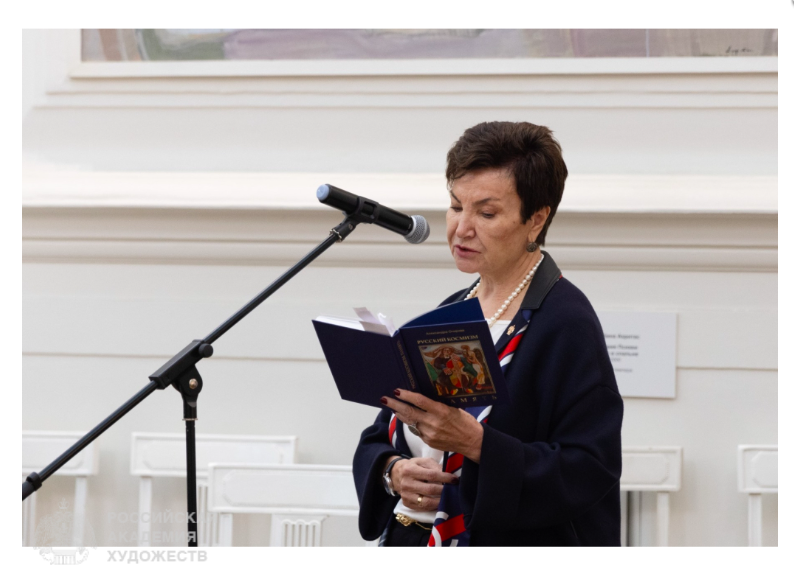
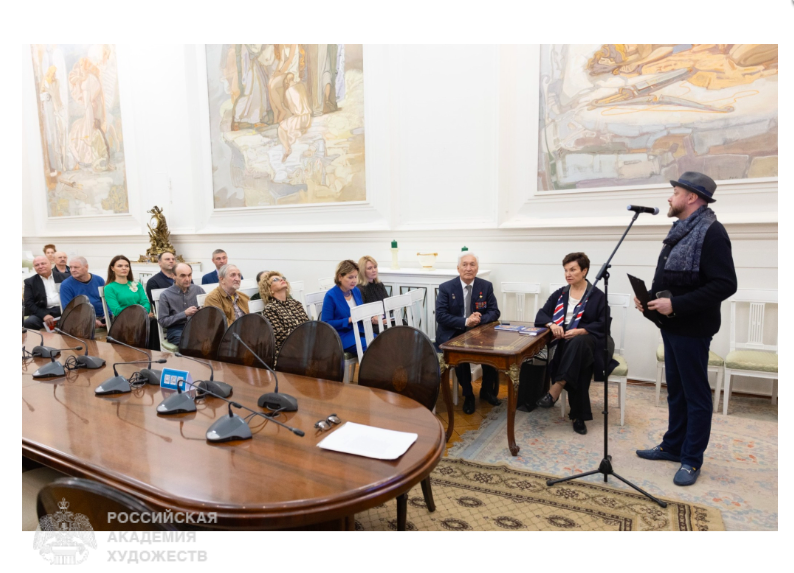
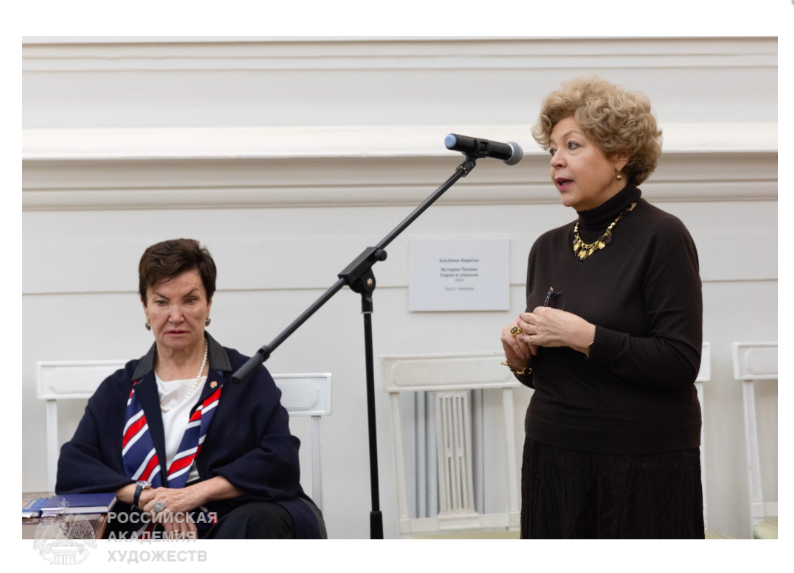
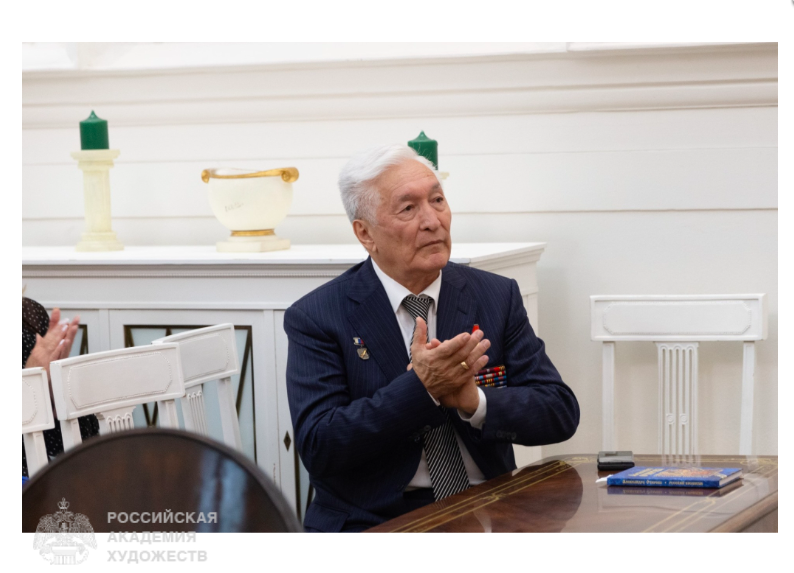
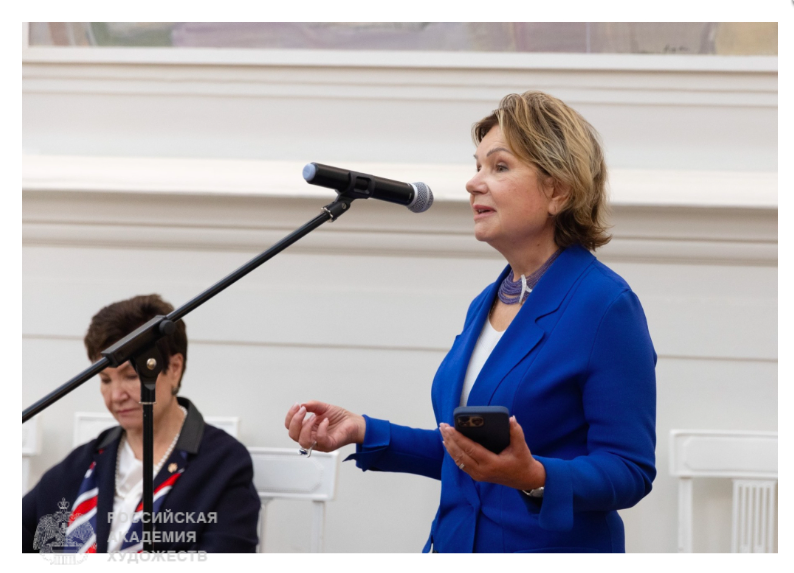
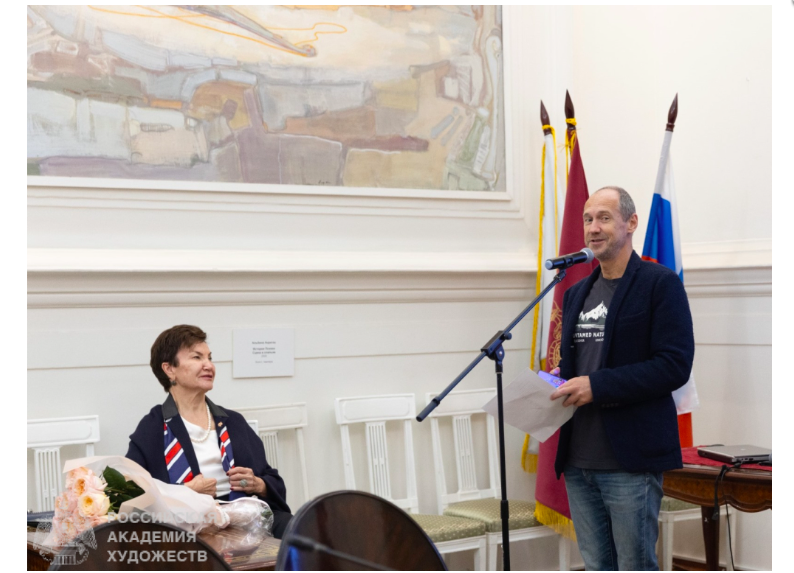
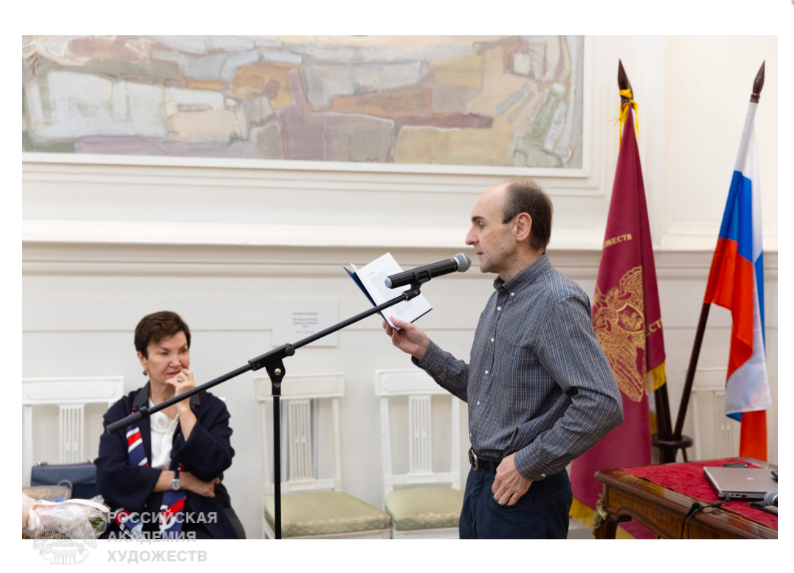
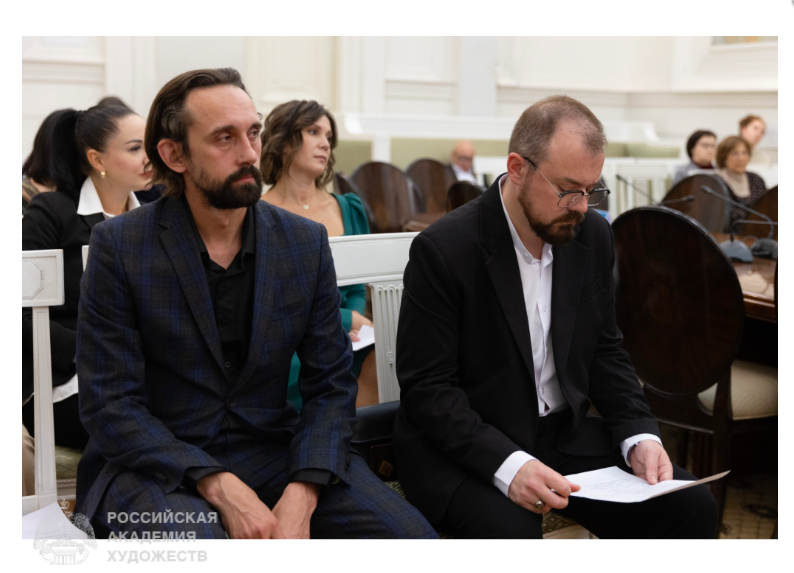
Presentation of Russian Cosmism… Memory by Academician A. V. Ochirova at the Russian Academy of Arts. Photo: Natalia Raskidnaya / Russian Academy of Arts
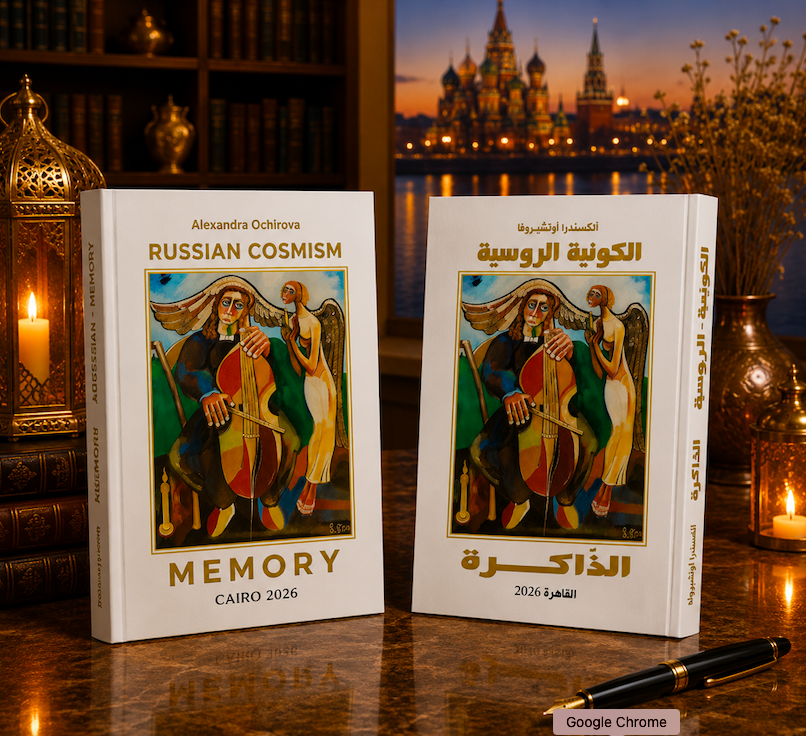
The Ministry of Culture of the Russian Federation, the Russian Academy of Arts (RAH), and the RAH Department of Art History and Art Criticism presented the poetry book Russian Cosmism… Memory by the distinguished Russian poet, philosopher, public figure, UNESCO Goodwill Ambassador, RAH Academician, and Doctor of Philosophy Alexandra Vasilievna Ochirova.
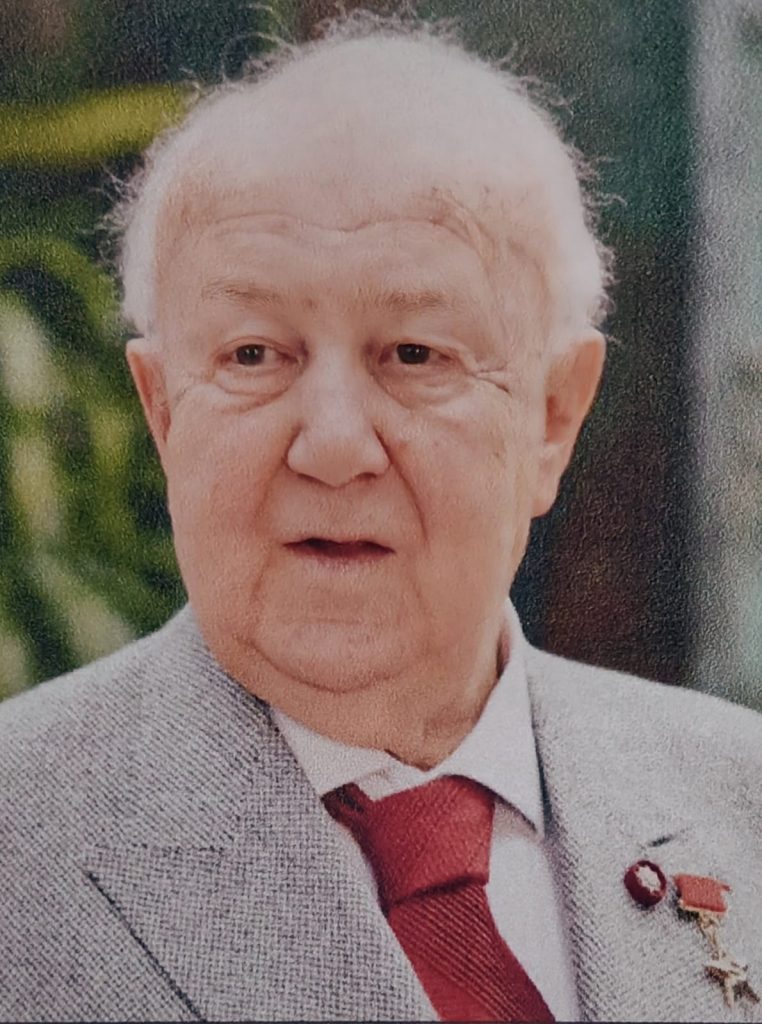
Zurab Konstantinovich Tsereteli
The publication is dedicated to the memory of Zurab Konstantinovich Tsereteli, People’s Artist of the USSR and the Russian Federation and President of the Russian Academy of Arts from 1997 to 2025. The event took place on 23 September 2026 in the White Hall of the Russian Academy of Arts, at 21 Prechistenka Street, Moscow. Admission was free and did not require prior registration.
Presentation of Russian Cosmism… Memory by Academician A. V. Ochirova at the Russian Academy of Arts. Photo: Natalia Raskidnaya / Russian Academy of Arts
The book Russian Cosmism… Memory continues A. V. Ochirova’s major intellectual and poetic project, begun in her previous collections Russian Cosmism and Russian Cosmism. The Oath. It opens a new dimension in which the category of memory becomes the essence of human existence and the foundation of the continuity of civilization.
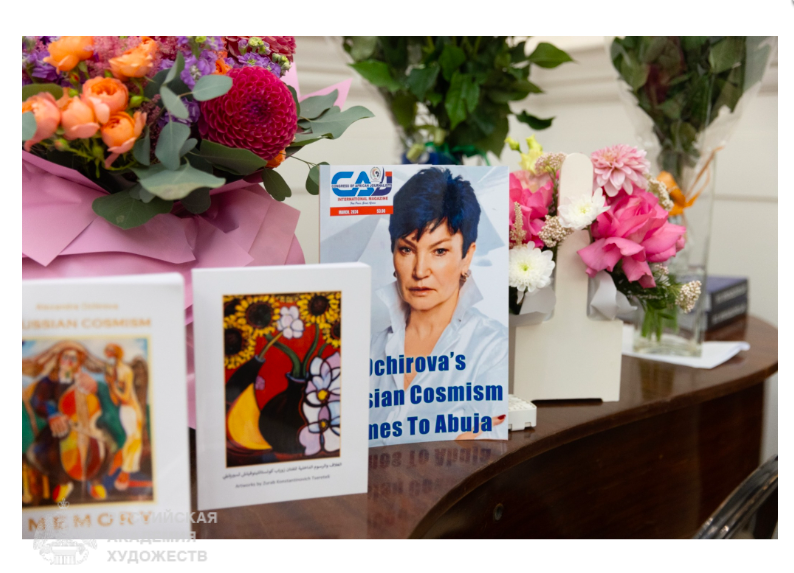
The publication is presented in an elegant artistic format, featuring illustrations by Zurab Tsereteli, whose works are organically woven into the poetic fabric of the book.
“In Memory of Zurab Konstantinovich Tsereteli”
The artist is a silent poet, The poet, an artist who speaks, The light that comprehends itself, The essence of being and possibility, A law understood by few, The harmony of forms and stories, Where the word is like the poets’ power, A whisper, and the ringing of a temple bell. And the brush that recreates the day, Of God’s gifted nature, Where glory, love and freedom abide, And the shadow born at noon From eternal blossoming gardens, Where time is the meaning of change, And ancient frescoes on the walls Live in the permanence of worlds.
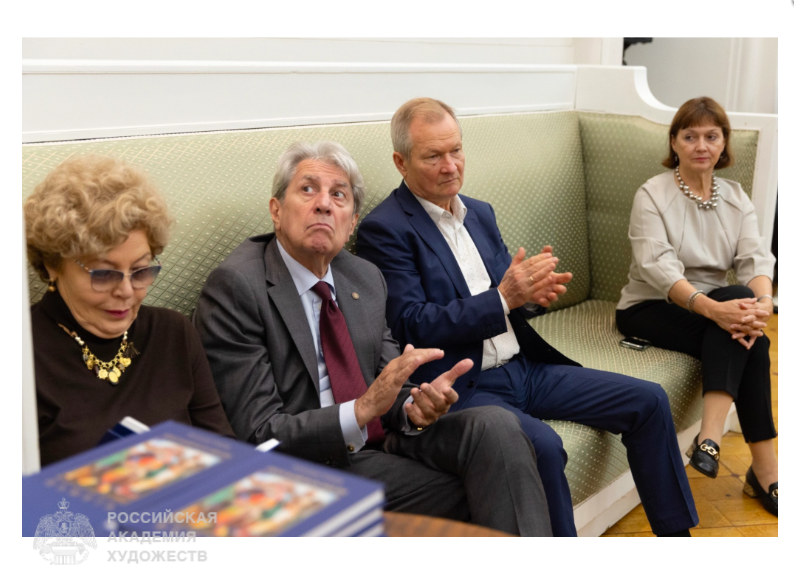
Presentation of Russian Cosmism… Memory by Academician A. V. Ochirova at the Russian Academy of Arts. Photo: Natalia Raskidnaya / Russian Academy of Arts
Alexandra Ochirova views memory not simply as a return to the past or a nostalgic feeling. For the author, memory is an “ontological force” through which human beings become conscious of themselves and their place in the Universe. It is memory that preserves the identity of peoples, connects generations, and ensures the continuity of civilization despite historical upheavals.
Presentation of Russian Cosmism… Memory by Academician A. V. Ochirova at the Russian Academy of Arts. Photo: Natalia Raskidnaya / Russian Academy of Arts
In this sense, “Russian cosmism” extends far beyond a national philosophical tradition and becomes a universal humanistic worldview seeking to comprehend the common destiny of humanity through poetry and philosophical thought.
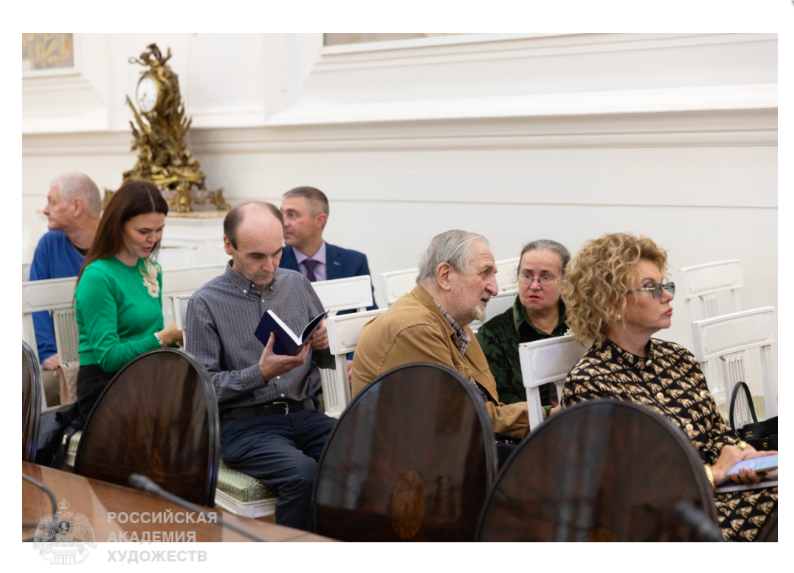
Presentation of Russian Cosmism… Memory by Academician A. V. Ochirova at the Russian Academy of Arts. Photo: Natalia Raskidnaya / Russian Academy of Arts
The book derives particular artistic value from its dedication to the memory of the great artist Zurab Konstantinovich Tsereteli. The collection includes selected works by the master, which serve not merely as illustrations but as full participants in a philosophical dialogue with the poetic texts.
Presentation of Russian Cosmism… Memory by Academician A. V. Ochirova at the Russian Academy of Arts. Photo: Natalia Raskidnaya / Russian Academy of Arts
Here, word and image exist within a unified artistic space, mutually revealing and complementing one another and creating a multilayered aesthetic work in which poetry and visual art merge into a single whole.
Presentation of Russian Cosmism… Memory by Academician A. V. Ochirova at the Russian Academy of Arts. Photo: Natalia Raskidnaya / Russian Academy of Arts
The appearance of this book signifies much more than the publication of another poetry collection. It reflects the central mission of the series: building cultural bridges between civilizations, languages, and intellectual traditions.
Alexandra Ochirova’s poetry reminds us that civilizations are preserved not through force, but through memory, dialogue, creative imagination, and literature’s ability to safeguard the spiritual heritage of humanity.
At a time when the world is searching for common values capable of transcending political and cultural divisions, Russian Cosmism… Memory emerges as a profound poetic meditation on the unity of humanity and the diversity of civilizations.
The book, which has been translated into English, Arabic, and languages of Latin American countries, once again confirms that literature remains one of the greatest repositories of human memory and one of the strongest bridges connecting past and future, East and West, and one human being with another.
Earlier this year, presentations of A. V. Ochirova’s Russian Cosmism. Memory were held at the Russian House in Cairo as part of the Year of the Russian Language, and at the Russian House stand at the International Book Fair, held within the framework of the Days of the Assembly of the Peoples of the World in Tunisia.
Presentation of Russian Cosmism… Memory by Academician A. V. Ochirova at the Russian Academy of Arts. Photo: Natalia Raskidnaya / Russian Academy of ArtsPresentation of Russian Cosmism… Memory by Academician A. V. Ochirova at the Russian Academy of Arts. Photo: Natalia Raskidnaya / Russian Academy of ArtsPresentation of Russian Cosmism… Memory by Academician A. V. Ochirova at the Russian Academy of Arts. Photo: Natalia Raskidnaya / Russian Academy of Arts
For further information: art-rah@mail.ru, Elena Olegovna Romanova, Adviser to the RAH Department of Art History and Art Criticism, RAH Academician.
عبد الرازق عكاشة.. الذاكرة الإنسانية ودورها فى البناء التشكيلي.. ” ناس من شارعنا”
**جمعة مباركة عليكم جميعًا** حين يكتب صاحب القلم، والباحث، والمثقف الواعي، والفنان المبصر، الأستاذ الفنان **ياسر جاد**، فنحن لا نكون أمام نص عابر أو قراءة نقدية تقليدية، بل أمام نص…
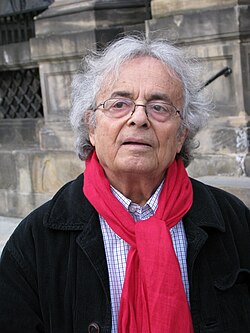
آزاد قارادرلي يكتب: أدونيس وعلي أحمد سعيد إسبر (من سلسلة “دفتر الشرق”) في الآونة الأخيرة، باتت إبداعات أدونيس تجذبني إليها أكثر. وليس ذلك لأنني ترجمت قصائده لمجلة “يازي” (نعم، قد يكون هذا سبباً من الأسباب)، بل لأنه، وهو من أقوى المرشحين لجائزة نوبل لعام 2016، ذهبت الجائزة إلى عازف غيتار ومغني روك – حتى بوب ديلان نفسه استغرب ذلك… وكذلك لأن ثمة انتفاضات في السنوات الأخيرة تُدبّر بحساب لمحو العالم العربي من على وجه الأرض؛ أولاً العراق، ثم ليبيا، وبعدهما مصر وسوريا، والآن قطر… (منذ البداية، أود أن أقول إنني مع إسقاط الديكتاتوريين في هذه البلاد، الذين تُصنع حتى أباريقهم من الذهب، ومع أن يُمحى نسلهم من على وجه الأرض. لكنني لا أستطيع استيعاب أن تتعذب الشعوب البريئة بسبب ذلك… مع أن براءة هذه الشعوب نفسها لا تزال موضع تساؤل؛ لأن الشعب الذي يغذي الديكتاتورية لا بد أن يتجرع مرارتها… ومن ناحية أخرى، ثمة غضب إلهي؛ فكأن الله، لشدة حبه لشعوب الشرق، قد ملأ أراضيهم باحتياطيات الهيدروكربون… ويا للخسارة، فالله الذي ظنّ النفط والغاز مهراً للشرق، كأنه لم ينتبه إلى أن هذه الثروات هي في الوقت ذاته ألغام موقوتة…) على أي حال، لنعد إلى أدونيس… هذا الشاعر المفكر كأنه كان يشعر بمستقبل أمته – وبعذابات سوريا منذ وقت مبكر: أردتُ أن أموت، فلم ينفع أردتُ أن أعيش فبماذا سيفيد؟ قولوا لي يا أصحابي ما معنى الحياة؟ اليوم، يُنظر إلى أدونيس، الذي يُعدّ من رواد الشعراء في العالم العربي أجمع وكذلك في الغرب، بوصفه شاعراً حداثياً ومجدداً. فما هي قوة شعر أدونيس؟ في رأيي، لكي نفهم ذلك، لا بد أن نغوص في هوية أدونيس. الشاعر، الذي اسمه الحقيقي علي أحمد سعيد إسبر، وُلد عام 1930 في قرية “قصابين” التابعة لمحافظة اللاذقية في سوريا. درس بعد ذلك في مدرسة فرنسية في طرطوس، ثم أتمّ دراسته في المدرسة الحكومية باللاذقية والتحق بجامعة دمشق عام 1950، وشارك في مظاهرات ضد القوات الفرنسية في سوريا. نشر أولى قصائده في فترة استقلال البلاد، ودرّس الأدب في الجامعة. وأثناء إعداده للدكتوراه في جامعة بيروت، تعرّف هناك على شعر بودلير وريلكه. الشاعر الذي بدأ بإصدار مجلة تحمل اسم “شعر”، حصل على الجنسية اللبنانية في تلك الفترة تحديداً، وفي ذلك الوقت كان قد اختار لنفسه اسم “أدونيس” المستعار. أدونيس، الذي أثّر في الشعر العربي من الشرق الأوسط حتى ليبيا، انفصل عن ماضي الشعر العربي وجعل شعره قائماً بذاته، وحاول ربط الشعر العربي بالشعر العالمي. وبعد الحرب الأهلية في بيروت هاجر إلى باريس، واهتم بالفلسفة والتصوف. في عام 1971 فاز بجائزة “أفضل شعر سوري-لبناني”، وفي عام 1986 فاز بجائزة “بينالي الشعر الدولي” في بروكسل (الذي يُقام كل سنتين). وفي عام 1983 اختير عضواً في أكاديمية مالارميه في باريس، وفي العام نفسه نال الجائزة الكبرى للشعر في بروكسل، و”جائزة ناظم حكمت للشعر”. شعر أدونيس أشبه بقطار يدوس على الشعر التقليدي ويمضي؛ وطاقة هذا الشعر أقوى من طاقة جميع آبار النفط والغاز في العالم العربي كله: …أعرفتني؟ جسدي هو غطائي الموت كأغنية، وطعم دفاتري قبرٌ مليء بالحبر هو غرفتي المجاورة سماؤها خضراء تلك التي قسّمها القدر إلى طرق خريطة هذا العالم زحافة سوداء تجرّ الآلام والأوجاع أستأتي ورائي؟ جسدي هو سمائي سلكتُ كل ممرات الكون حتى آخره…
 thesilkroadtoday