في انتظار شروق الشمس | للشاعر والي محمود

في انتظار شروق الشمس

والي محمود


أولئك الذين يضحّون بحياتهم من أجل إقرار حقوق الشعوب، ويلبسون أكفانهم في الختام، لا يعلمون أنهم يحيون بعد الموت في قلوب الناس حبًا واحترامًا.
لقد ارتجف العالم كله من صرخات العاجزين، أولئك الذين لا حول لهم ولا قوة. أما المحتلون وأعوانهم، فعميان لا يرون، غير أن أنظارهم الجشعة مسلّطة على فراغ الضحايا.
الصمّ لا يسمعون، لكنهم لا يستطيعون تجاهل صوت ولادتهم —
وفي سكرة السلطة الديكتاتورية، سيُبذرون يومًا ويغدو مصيرهم الخراب.

رغم تطور الزمان، لم تخرج الأرض عن مدارها.
الطفل أو المراهق الذي يولد أو يكبر ليكتشف أن أباه قد فقد يديه أو قدميه، أو أطرافًا أخرى من جسده، تتوجه أفكاره نحو الانتقام، سعيًا نحو الحرية والتحرر.
هذه الأرض التي يرقد فيها أجدادهم منذ آلاف السنين،
هي نفسها التي تُغتصب اليوم من قِبل الآخرين، كما تُغتصب رؤية جماهير فلسطين المستضعفة.

كما تحترق الطبيعة في لهيب الصيف، تحترق حقوق الإنسان.
وتندثر مطالب المحرومين في ساحات السياسة الواسعة.
الهتاف هو ذاته: نريد التحرر، نريد الحرية.
وفي كل مرة، يُستعاد اليقين، ذلك اليقين الذي يحتوي على القسم الذي أُعطي للشهداء.

أولئك الذين يعرّضون العالم للخطر ملعونون، قتلة.
من أجل الأطفال الذين صاروا يتامى في غزة المحتلة،
سترتج أسس هذا الكوكب في ساعة الحساب، كوسيلة للانتقام.

في تلك اللحظة، على ضفاف الأنهار العذبة،
أو حتى في القرن الحادي والعشرين،
ستعاني الإنسانية من العجز والمذلة.
هل هو احتلال مباشر أشد فتكًا من ذلك الذي قامت به أبعاد السامية واللاسامية؟

محبو الحرية سيتركون بصمتهم الاحتجاجية في وجه الظلم.
وستنبثق وحدة المضطهدين في هذا العالم يومًا ما.
وسيقوم مجتمع خالٍ من الاستغلال،
يشع نورًا من أفق الشرق.
نحن جميعًا في انتظار شروق الشمس المشرق.


Waiting for the Sunrise[1]

Wali Mahmud

Those who sacrifice their lives for the establishment of people’s rights and get last rite attire to wrap their bodies around don’t know that they have a post-worldly life of love and respect.

The whole world trembled at the cries of helpless people who in too powerless. The occupants and their friends are blind, they can’t see but the greedy gaze is on their hollow, the deaf can’t hear but they can’t move the ear of their birth—in the fascination of dictatorial power they will one day be squandered, destitute. Despite the evolution of the age, the earth has not yet lost its orbit. The baby or the adolescent who finds their father’s hands, feet, or other limbs of their parents missing after their birth or in their infancy or adolescence tends to guide his thoughts to take revenge which aims at achieving freedom and liberation. This is the land where their forefathers have been sleeping for thousands of years. That very sacred land today is illegally occupied by others like the obscure eyesight of the exploited masses of Palestine.

As nature burns in the heat of summer, human rights are burning. The demands of the deprived die in the huge field of politics. The slogans are- we want emancipation, we want freedom. Every time conviction to the firm effect is re-sensed, the sense that encompasses the oath given to the martyrs.

Those who are endangering the world are cursed, murderers. For the children who have just become orphans in the occupied Gaza, the foundations of this planet will be shaken in the prime time as a means of revenge. In that case, the banks of the sweet water river or even in the twenty first century humanity suffer miserably from helplessness. Is it a more forceful direct occupation of spheres than the one undertaken by the Semitic and the anti-Semitic dimensions?

Freedom—loving people will leave that protest mark in resistance. The united unity of the oppressed will emerge in the world one day. A society free from exploitation will be established by illuminating the eastern horizon. We all are in anticipation of the bright sunrise.

[1] Dedication: Those who fought for an independent Palestine.

Related Posts

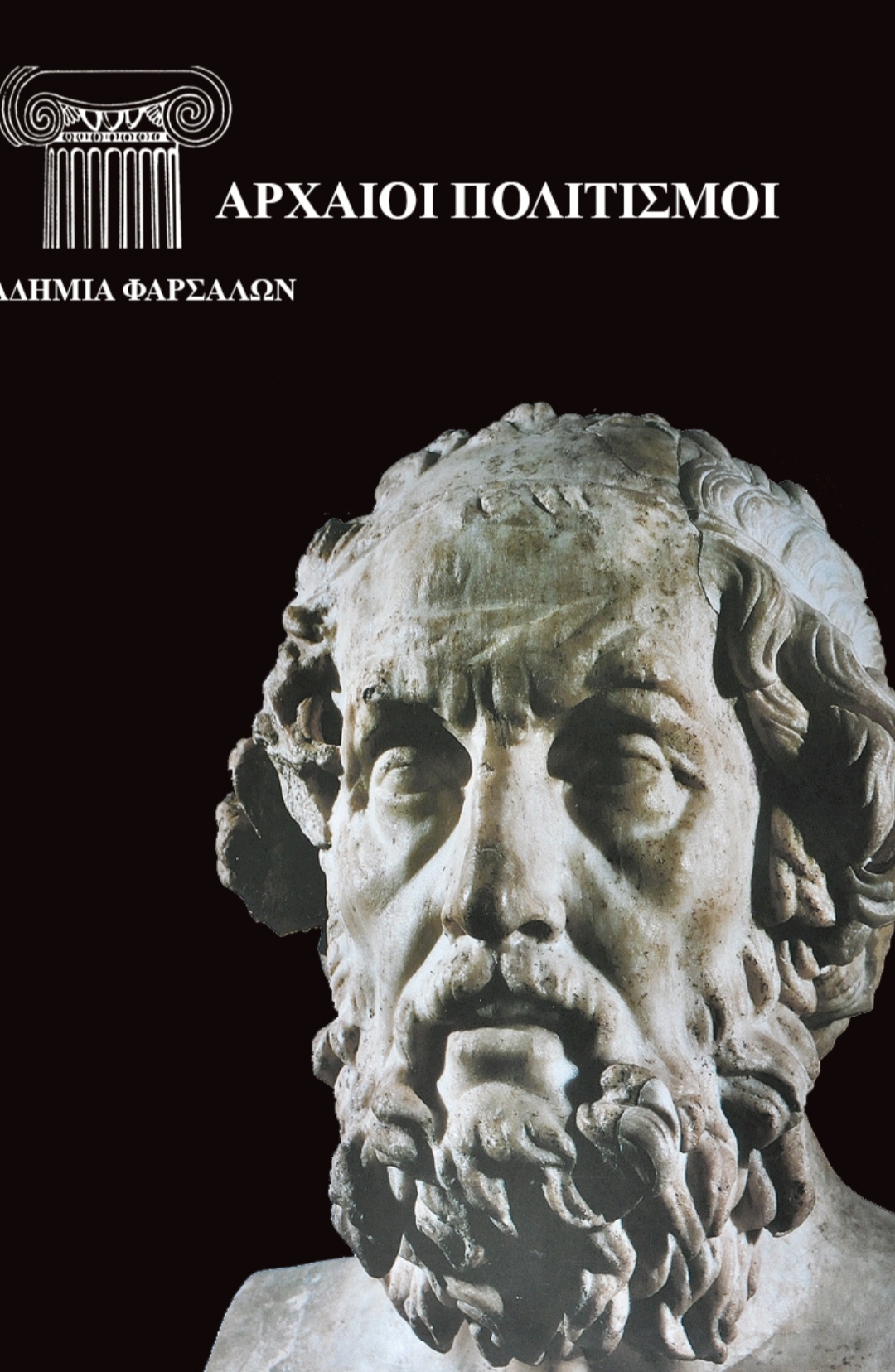
Homer: The Timeless Models of the Hero

Epic poetry, which began to develop in the early Geometric Period (1000 BC), reached its full maturity with Homer, who lived in the 8th century BC. Through his heroic epics, the Iliad and the Odyssey, Homer celebrates and brings together two fundamental models of heroism: Achilles, distinguished by his courage, willpower and right action, and Odysseus, distinguished by his prudence, skill in action, effectiveness and altruistic intelligence, which connects the hero with himself and with nature. Homer and Philosophy: Convergences and Analogies Through Time  Achilles’ right action, that is, action free from attachment to its fruits or outcomes, would later find expression in various philosophical traditions: in Plato, in Stoic philosophy (according to which virtue has value in and of itself), in Giordano Bruno and in Kant (acting out of duty, for the sake of duty itself). Plato considered that the philosopher’s primary task was to weave together the virtues of courage and prudence, harmonising will and wisdom. Furthermore, he believed that the fundamental task of the philosopher who becomes a statesman is to ensure the harmonious coexistence of all citizens within the fabric of social life. When a single ruler governs, it is essential that he combines the virtues of courage and prudence. When several rulers govern, courageous and prudent individuals must coexist. Homer in the Renaissance: The Harmony of Strength and Wisdom  The representatives of the Renaissance spirit sought to overcome the contradictions and conflicts of their time and to create a better world. This desire for change led them to seek inspiration in the classical world. Ancient thought was revived through philosophy, while myths and symbols re-emerged through art, particularly painting. Giordano Bruno symbolically portrayed the harmony between strength and wisdom in his work On the Composition of Images, Signs and Ideas, through the figure of a man holding a sceptre in his right hand and a book in his left, symbolising power and wisdom respectively. Paolo Veronese also depicted the symbolic union of strength and wisdom in his painting Allegory of Strength and Wisdom. The painting portrays Hercules, whose gaze is directed towards the earthly world, alongside a female figure representing wisdom, whose gaze is directed towards the celestial and spiritual world. Homer in the Contemporary World: The Timeless Relevance of His Values  Courage Leads to Prudence  A courageous person follows the golden mean. They avoid extremes, both recklessness and cowardice. They maintain their inner balance and do not allow difficulties, despair, melancholy or sorrow to dominate their thoughts and behaviour. Courage helps them overcome psychological and physical difficulties, master their impulses and preserve their inner strength. Prudence, on the other hand, enables them to distinguish right from wrong and to choose the appropriate course of action. Courage without prudence can turn into recklessness, while prudence without courage can remain inactive knowledge. The true fulfilment of the human being lies in the harmonious coexistence of courage and prudence, of strength and wisdom. This is perhaps the timeless message that we can draw from Homer and carry into the contemporary world. Thank you very much for your attention. Yannis K. Fikas President of the Academy of Farsala

أيام العمر |  سيرة يرويها الفنان د. كمال هاشم

١. أيام الطفولة الباكرة في حي بُرّي العريق بالخرطوم، كانت صرختي الأولى في الحياة، في يوم شتوي وافق السادس عشر من يناير عام ١٩٦٢م. هناك بدأت رحلتي مع الدنيا، دون…

اترك تعليقاً

لن يتم نشر عنوان بريدك الإلكتروني. الحقول الإلزامية مشار إليها بـ *