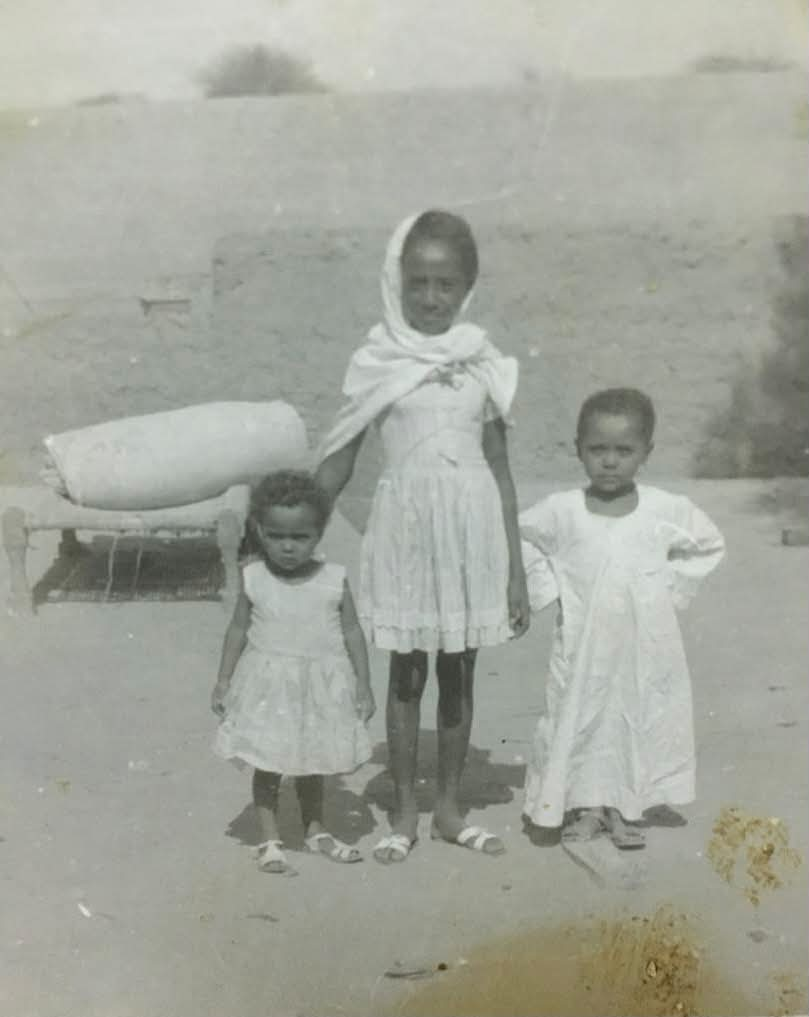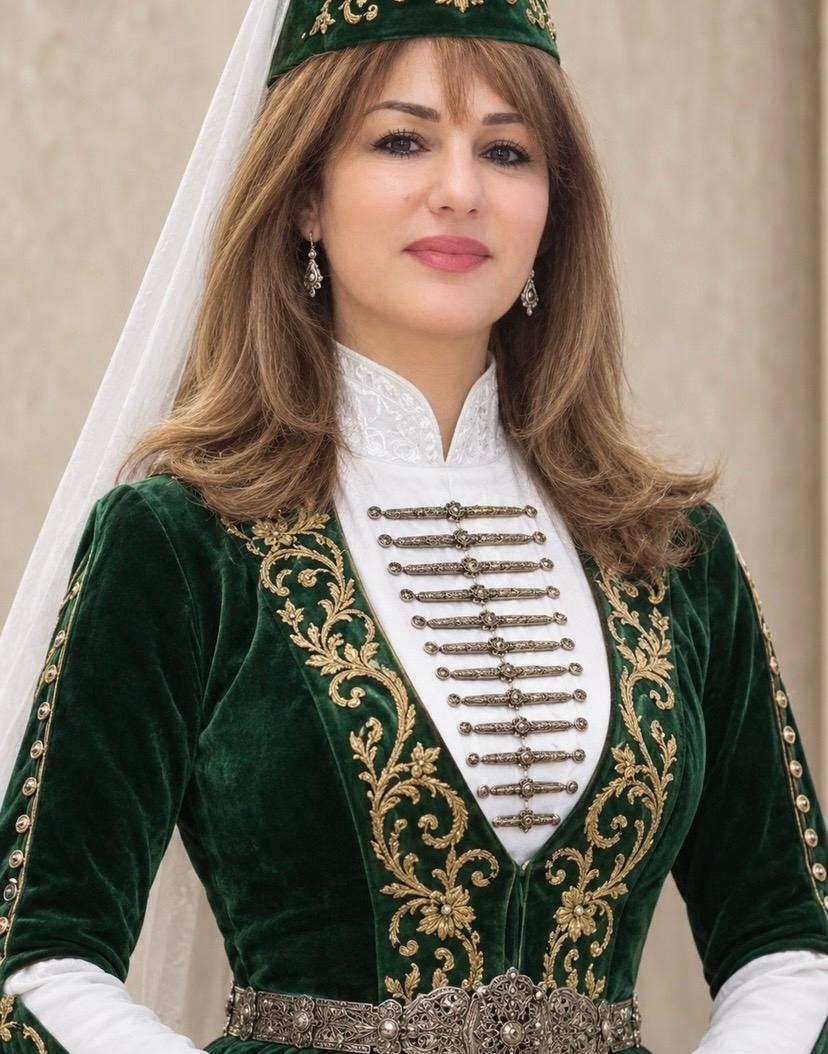
صلوات أطفال فلسطين | للشاعر أبوبكر عطا محمدو، النيجر

Prières d’enfants palestiniens

Aboubacar Atta Mahamadou

Comme un oiseau en peine
Qui fuit pour se sauver de l’inclémence
Que lui infligent l’espace et le temps
Sur une terre étranglée par le temps
Que tente d’ ensevelir le trépas,
Se sont envolés la paix, l’espoir, la joie
Du ciel palestinien et d’autres pays en guerre.

Les enfants en Palestine
Et d’autres territoires en guerre,
Ils grandissent dans le sang et les cendres,
Arrachés à l’insouciance, à la folie douce,
À la tendresse de l’enfance,
Sans s’émerveiller dans des fêtes,
Toujours assis, mine fanée, les yeux rougis
Autour des deuils interminables.

Enfants, ils scrutent le ciel,
Las de verser des larmes,
Les yeux larmoyants,
Et marmonnent des prières
Pour arracher l’espoir
Aux nuages qui dansent
Et que le Ciel vienne à leur secours.

Enfants, ils endurent des vacarmes
Issus des concerts d’armes en colère
Qui symbolisent le trépas
Qu’orchestrent des dieux mortels
Aux yeux bandés, à la raison étouffée,
Pantins d’un ego sanguinaire
Qui puise son enchantement dans le chaos.

Prayers of Palestinian children

Aboubacar Atta Mahamadou

Like a bird in pain
Fleeing to save itself from the inclemency
inflicted on it by space and time
On a land strangled by time
Which death is trying to bury,
Peace, hope and joy have fled
From the skies over Palestine and other war-torn lands.

Children in Palestine
And other territories at war,
They grow up in blood and ashes,
Torn from carefree, sweet madness,
From the tenderness of childhood,
Without marveling at parties,
Always sitting, faded face, red eyes
Around endless mourning.

Children, they scan the sky,
Tired of shedding tears,
Teary-eyed,
And mumble prayers
To snatch hope
From dancing clouds
And heaven to their rescue.

As children, they endure the din
From the concerts of angry weapons
Symbolizing the demise
Orchestrated by mortal gods
Blindfolded, stifled reason
Pants of a bloodthirsty ego
Drawing their enchantment from chaos.

(Deepl traduction)

صلوات أطفال فلسطينيين
أبوبكر عطا محمدو

مثل طائرٍ موجوع
يفرّ لينجو من قسوةٍ
يُنزِلها عليه الزمان والمكان
على أرضٍ يخنقها الوقت
ويحاول الموت أن يدفنها،
هكذا طارت السلام، والأمل، والفرح
من سماء فلسطين، ومن بلادٍ أخرى في الحرب.

الأطفال في فلسطين
وفي أراضٍ أخرى تشتعل بالحروب،
ينشأون وسط الدم والرماد،
مُنتَزَعين من براءة الطفولة، ومن جنونها الحلو،
من دفء الحنان،
دون أن يفرحوا في الأعياد،
دائمًا جالسين، بوجوه ذابلة، وعيون دامعة،
حول مآتم لا تنتهي.

أطفال، يحدقون في السماء،
سئموا ذرف الدموع،
وأعينهم دامعة،
يتمتمون صلواتٍ
لينتزعوا الأمل
من السُحُب التي ترقص،
علّ السماء تأتي لنجدتهم.

أطفال، يتحمّلون الضجيج،
الصادر عن حفلات أسلحةٍ غاضبة،
ترمز إلى الموت
الذي يُدبّره آلهةٌ فانون،
مُعصوبو الأعين، مخنوقو العقل،
دمىً في يد أنانيةٍ دموية
تستلذ الفوضى وتنهل منها سحرها

Related Posts

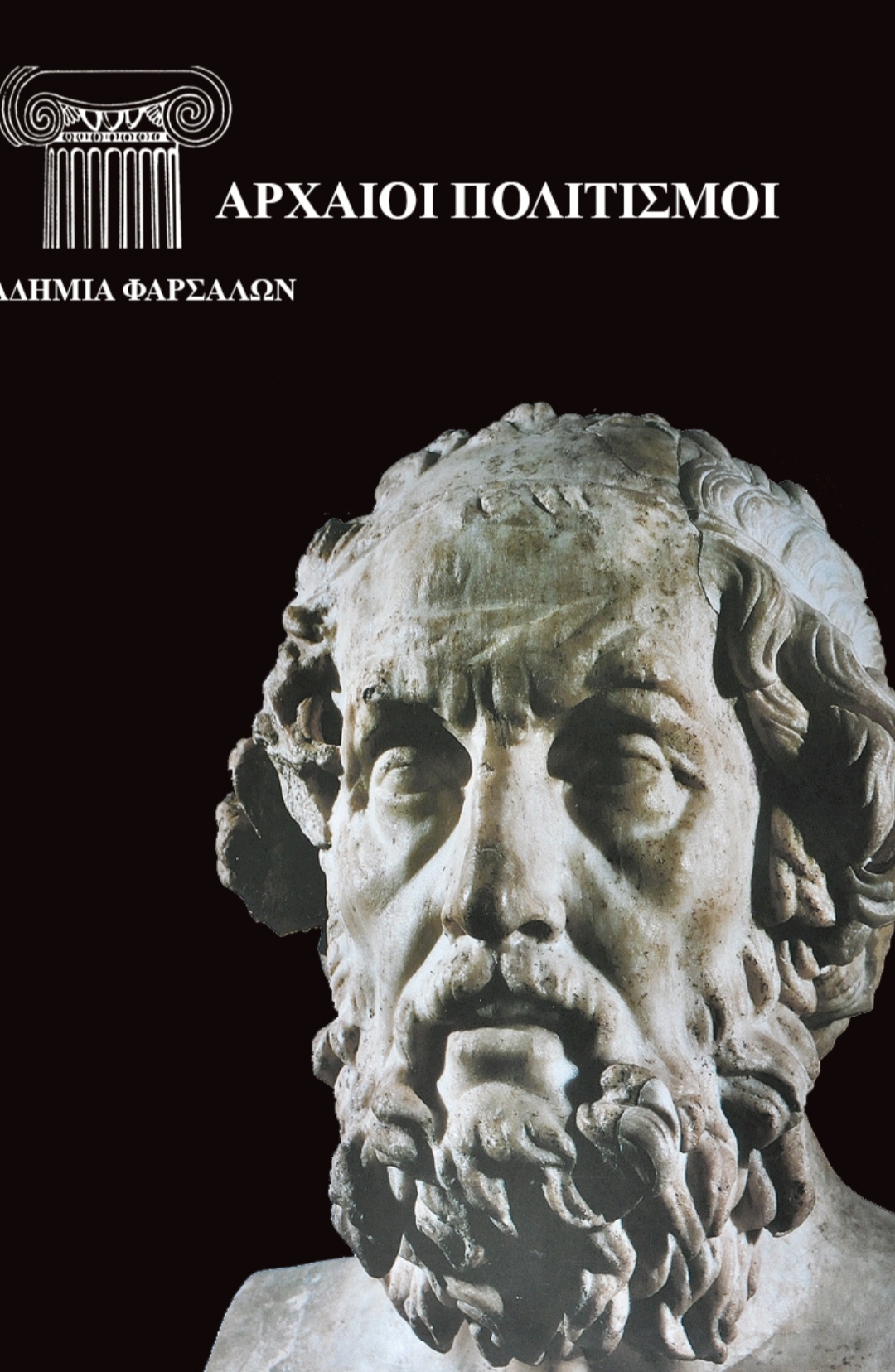
Homer: The Timeless Models of the Hero

Epic poetry, which began to develop in the early Geometric Period (1000 BC), reached its full maturity with Homer, who lived in the 8th century BC. Through his heroic epics, the Iliad and the Odyssey, Homer celebrates and brings together two fundamental models of heroism: Achilles, distinguished by his courage, willpower and right action, and Odysseus, distinguished by his prudence, skill in action, effectiveness and altruistic intelligence, which connects the hero with himself and with nature. Homer and Philosophy: Convergences and Analogies Through Time  Achilles’ right action, that is, action free from attachment to its fruits or outcomes, would later find expression in various philosophical traditions: in Plato, in Stoic philosophy (according to which virtue has value in and of itself), in Giordano Bruno and in Kant (acting out of duty, for the sake of duty itself). Plato considered that the philosopher’s primary task was to weave together the virtues of courage and prudence, harmonising will and wisdom. Furthermore, he believed that the fundamental task of the philosopher who becomes a statesman is to ensure the harmonious coexistence of all citizens within the fabric of social life. When a single ruler governs, it is essential that he combines the virtues of courage and prudence. When several rulers govern, courageous and prudent individuals must coexist. Homer in the Renaissance: The Harmony of Strength and Wisdom  The representatives of the Renaissance spirit sought to overcome the contradictions and conflicts of their time and to create a better world. This desire for change led them to seek inspiration in the classical world. Ancient thought was revived through philosophy, while myths and symbols re-emerged through art, particularly painting. Giordano Bruno symbolically portrayed the harmony between strength and wisdom in his work On the Composition of Images, Signs and Ideas, through the figure of a man holding a sceptre in his right hand and a book in his left, symbolising power and wisdom respectively. Paolo Veronese also depicted the symbolic union of strength and wisdom in his painting Allegory of Strength and Wisdom. The painting portrays Hercules, whose gaze is directed towards the earthly world, alongside a female figure representing wisdom, whose gaze is directed towards the celestial and spiritual world. Homer in the Contemporary World: The Timeless Relevance of His Values  Courage Leads to Prudence  A courageous person follows the golden mean. They avoid extremes, both recklessness and cowardice. They maintain their inner balance and do not allow difficulties, despair, melancholy or sorrow to dominate their thoughts and behaviour. Courage helps them overcome psychological and physical difficulties, master their impulses and preserve their inner strength. Prudence, on the other hand, enables them to distinguish right from wrong and to choose the appropriate course of action. Courage without prudence can turn into recklessness, while prudence without courage can remain inactive knowledge. The true fulfilment of the human being lies in the harmonious coexistence of courage and prudence, of strength and wisdom. This is perhaps the timeless message that we can draw from Homer and carry into the contemporary world. Thank you very much for your attention. Yannis K. Fikas President of the Academy of Farsala

أيام العمر |  سيرة يرويها الفنان د. كمال هاشم

١. أيام الطفولة الباكرة في حي بُرّي العريق بالخرطوم، كانت صرختي الأولى في الحياة، في يوم شتوي وافق السادس عشر من يناير عام ١٩٦٢م. هناك بدأت رحلتي مع الدنيا، دون…

اترك تعليقاً

لن يتم نشر عنوان بريدك الإلكتروني. الحقول الإلزامية مشار إليها بـ *