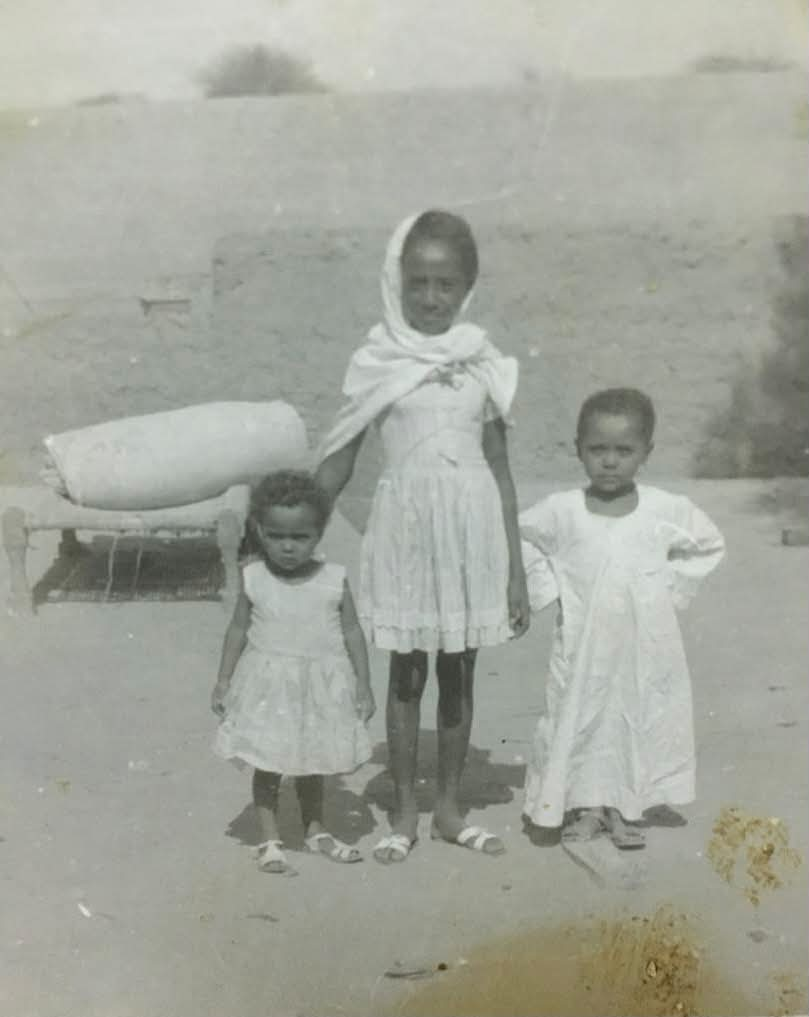
فلسطين، شعر، دايمي باتشيكو أفيانيس،  كوبا

فلسطين

شعر، دايمي باتشيكو أفيانيس،  كوبا

يا له من هجرٍ قاسٍ!
يا لها من حربٍ حزينة!
قصفٌ بلا هوادة،
وخوفٌ يزرع الرعب.

الاستيقاظ وسط القنابل،
التي تسرق الأحلام،
ورؤية الشمس تلوح،
لكن السماء ليست صافية.

الغبار يتحوّل
إلى ضبابٍ أبدي،
يكسو مدينةً هامدة،
تحوّلت إلى أنقاض.

تموت العائلات،
مدنيون أبرياء،
وتطول الأيام
على هذا الشعب الشجاع.

أطفالٌ تائهون بلا وجهة،
فقدوا ضحكتهم،
عالمهم الوحيد
هو الموت، بلا إنذار.

شعبٌ لا يملك حق الاختيار،
يُعاملون كالحيوانات،
شعبٌ يتوق للحياة،
لكنهم يقتلونه بلا رحمة.

من فلسطين التي كانت،
لم يتبقَ شيء،
وفي الواقع الذي يتشكّل،
لا يبدو أن النزاع سيتوقف.

ثم نتحدث عن التقدم،
وعن تطور العالم،
وفي فلسطين، الوفيات
لا تهمّ أحدًا، وهذا يُربكني.

هناك ديانات كثيرة،
وحكومات شتى،
تجتمع الأمم،
لكن النزاع مستمر هناك.

لم تعد الأرواح تهمّ،
حين تسود المصالح،
ومن يُقصّر في عمر الحياة،
هو جزءٌ من اللعبة، وهو الحكم.

Palestina

Daymí Pacheco Avellanes, Cuba

¡Qué cruel desamparo!
¡Qué triste la guerra!
Bombardear sin reparo,
y un miedo que aterra.

Despertar entre bombas,
que roban los sueños,
y ver el sol que asoma,
sin estar claro el cielo.

El polvo se convierte
en la eterna neblina,
de la ciudad inerte,
que se transforma en ruina.

Y mueren familias,
civiles inocentes,
Y son largos los dias,
para ese pueblo valiente.

Niños, que deambulan sin rumbo,
Y que han perdido la risa.
que su único mundo
es de muerte y no avisa.

Un pueblo sin derecho a elegir
que como animales tratan.
Un pueblo que quiere vivir,
y sin piedad lo matan.

De lo que fue Palestina,
ya nada parece quedar,
Y en la realidad que se perfila
el conflicto no parece cesar.

Entonces hablamos de progresos
Y de la evolución del mundo,
Y en Palestinas los decesos,
no importan, y me confundo.

Existen tantas religiones
Y tantos gobiernos distintos,
Se reúnen las naciones,
pero ahí sigue el conflicto.

La vidas ya no importan
cuando priman intereses,
Y aquellos que la acortan,
son partes y son jueces.

Related Posts

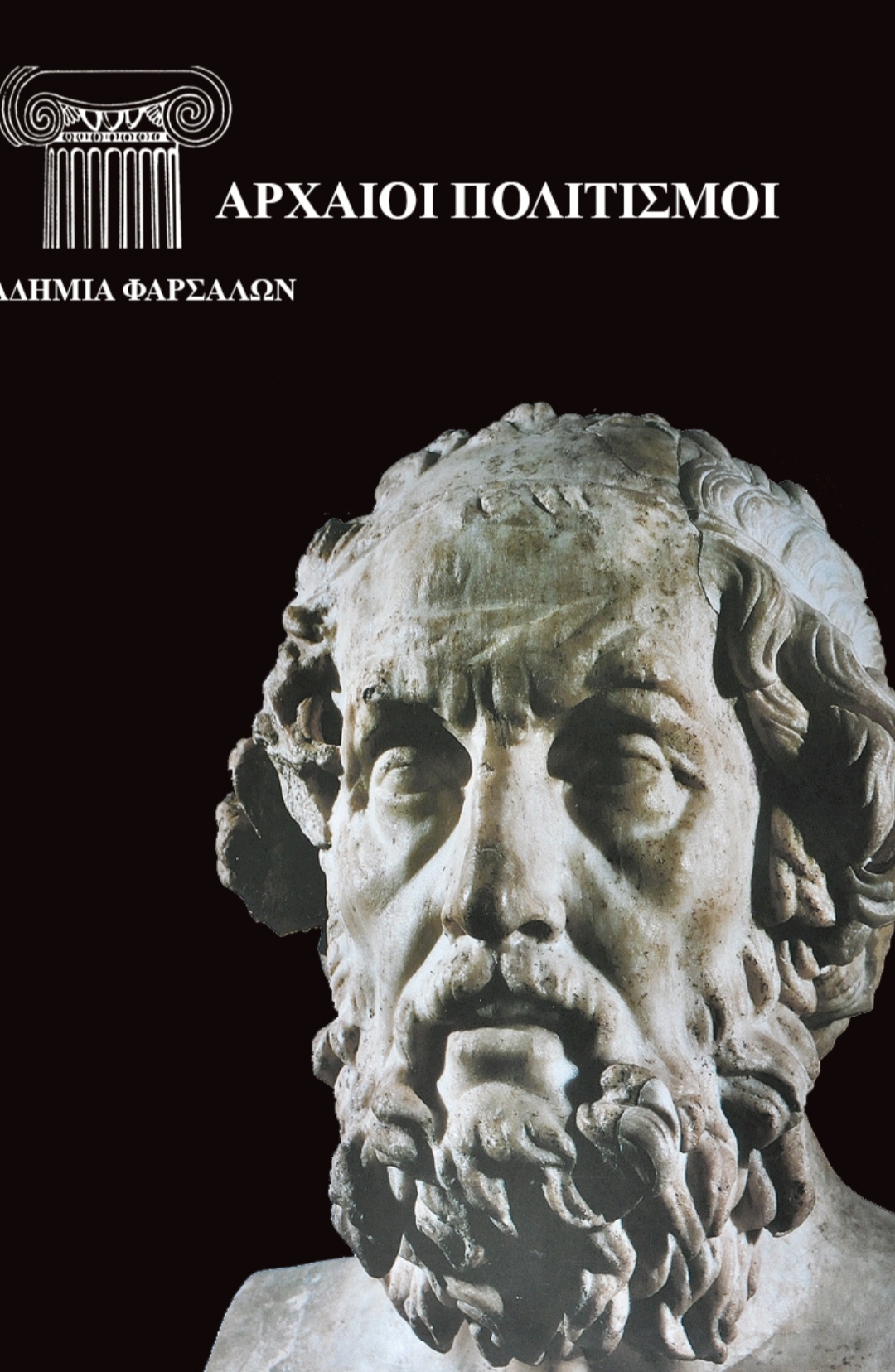
Homer: The Timeless Models of the Hero

Epic poetry, which began to develop in the early Geometric Period (1000 BC), reached its full maturity with Homer, who lived in the 8th century BC. Through his heroic epics, the Iliad and the Odyssey, Homer celebrates and brings together two fundamental models of heroism: Achilles, distinguished by his courage, willpower and right action, and Odysseus, distinguished by his prudence, skill in action, effectiveness and altruistic intelligence, which connects the hero with himself and with nature. Homer and Philosophy: Convergences and Analogies Through Time  Achilles’ right action, that is, action free from attachment to its fruits or outcomes, would later find expression in various philosophical traditions: in Plato, in Stoic philosophy (according to which virtue has value in and of itself), in Giordano Bruno and in Kant (acting out of duty, for the sake of duty itself). Plato considered that the philosopher’s primary task was to weave together the virtues of courage and prudence, harmonising will and wisdom. Furthermore, he believed that the fundamental task of the philosopher who becomes a statesman is to ensure the harmonious coexistence of all citizens within the fabric of social life. When a single ruler governs, it is essential that he combines the virtues of courage and prudence. When several rulers govern, courageous and prudent individuals must coexist. Homer in the Renaissance: The Harmony of Strength and Wisdom  The representatives of the Renaissance spirit sought to overcome the contradictions and conflicts of their time and to create a better world. This desire for change led them to seek inspiration in the classical world. Ancient thought was revived through philosophy, while myths and symbols re-emerged through art, particularly painting. Giordano Bruno symbolically portrayed the harmony between strength and wisdom in his work On the Composition of Images, Signs and Ideas, through the figure of a man holding a sceptre in his right hand and a book in his left, symbolising power and wisdom respectively. Paolo Veronese also depicted the symbolic union of strength and wisdom in his painting Allegory of Strength and Wisdom. The painting portrays Hercules, whose gaze is directed towards the earthly world, alongside a female figure representing wisdom, whose gaze is directed towards the celestial and spiritual world. Homer in the Contemporary World: The Timeless Relevance of His Values  Courage Leads to Prudence  A courageous person follows the golden mean. They avoid extremes, both recklessness and cowardice. They maintain their inner balance and do not allow difficulties, despair, melancholy or sorrow to dominate their thoughts and behaviour. Courage helps them overcome psychological and physical difficulties, master their impulses and preserve their inner strength. Prudence, on the other hand, enables them to distinguish right from wrong and to choose the appropriate course of action. Courage without prudence can turn into recklessness, while prudence without courage can remain inactive knowledge. The true fulfilment of the human being lies in the harmonious coexistence of courage and prudence, of strength and wisdom. This is perhaps the timeless message that we can draw from Homer and carry into the contemporary world. Thank you very much for your attention. Yannis K. Fikas President of the Academy of Farsala

أيام العمر |  سيرة يرويها الفنان د. كمال هاشم

١. أيام الطفولة الباكرة في حي بُرّي العريق بالخرطوم، كانت صرختي الأولى في الحياة، في يوم شتوي وافق السادس عشر من يناير عام ١٩٦٢م. هناك بدأت رحلتي مع الدنيا، دون…

اترك تعليقاً

لن يتم نشر عنوان بريدك الإلكتروني. الحقول الإلزامية مشار إليها بـ *