Trending News:Cuba Opens Its Doors to the World’s Writersالفنانة التشكيلية منة طارق: الرسوم ليست مجرد زينة للنصHomer: The Timeless Models of the Heroأيام العمر | سيرة يرويها الفنان د. كمال هاشمالإمبريالي لأحمد المؤذن يحظى بإقبال لافت في معرض الشارقة الدولي للكتابجلال الدين السيوطي يفتخر: أبي عربي… وأخوالي شراكسةمتحف دارنا يحتضن لقاءات ثقافية وفنية توثق إبداع الفنانين وتكرّم الذاكرة الإنسانية Poets from Across the Mongolian World Pay Tribute to Literary Icon Dashdorjiin Natsagdorj حريرٌ وياقوتٌ وألفُ مصباح (قصيدة من الهند)Poetry, Friendship and Cultural Exchange Come Together at Museo Moda in IstanbulFrom the Faculty of Archaeology to the Universities of the World: A Journey Through Egypt, History, and Humanityمن كلية الآثار إلى جامعات العالم: رحلة في حب مصر والإنسانمنتصف الأبد… ريتا نجيب نفاع تحتفي بخمسين عاماً من التجربة في كتاب يكتب ما لا يُقالالموت برهة… وقصص أخرىأن نكتب القراءة«البلاغة بالتفصيل».. هاني نديم يكتب تاريخ العلاقة بين الشعر والأزياء في كتاب مصوّرA SEASON OF TOGETHERNESS, A CELEBRATION OF BELONGINGThe Fierce Fight Within A Poetic Voice from Mongolia: Chimede Tumendemberelدكتور حسين عبد البصيرالفنانة التشكيلية آية عادل خميس: التذوق الجمالي مصدره التفاعل مع الفنان الحقيقي«نَفْس» بديع وأنيق… من أذربيجانFilm Africa Network Announces 16 Screenings Across 10 African Countries and Territories100 Libri d’Autore – Volume 2: An International Literary Journey Bringing 100 Authors and Their Books Togetherجمعية شعوب العالم وجامعة الدول العربية تعززان التعاون والدبلوماسية الشعبيةPAWA TO LAUNCH UK CHAPTER IN LONDON ON NOV 27 2026Russian-Chinese Cultural Relations Discussed at the Central House of Scientists in Moscowمتحف دارنا يحتفي بالفنان السريالي الكبير الدكتور محمود خفاجي ويطلق اسمه على قاعته الأولىBotswana International Poetry Festival 2026 to Bring Together Global Poetic Voices in a Six-Day Celebration of Literature, Cultural Heritage and Environmental Awareness Poets and cultural figures from Botswana, South Africa, Greece, Spain, Kurdistan and other parts of the world will gather in Molepolole from 23 to 28 November 2026مع الفنانة التشكيلية رحاب فاروق: أحمل شغفًا بالفنون والتراث والكتابة Literature Builds Bridgesالعجل (قصة من أذربيجان)الكَوّنُ في ذاتِهِ (قصيدة)موسكو تحتفي بالفن الأفريقي: جمعية شعوب العالم تفتتح سلسلة من المعارض تمهيدًا للقمة الروسية الأفريقية الثالثةWorld Public Summit: The Arab World to Convene in Amman, Advancing Dialogue, Cooperation and Shared Human ValuesUNESCO Goodwill Ambassadors and Artists for Peace Convene in Greece to Advance Cultural Heritage, Education and Global Dialogueيوم الناشر التونسيلا للاستسلام … جدلية الفشل وسبل الانتصارالأنطولوجيا السادسة عشرة من «Live Encounters Poetry & Writing» تحتفي بـ23 مبدعًا عربيًا بترجمة د. سلوى جودةولكنّ زهرَ البرتقالِ أحبّني … جديد الشاعرة إيمان جبلالفنانة التشكيلية مروى حياصات: الكتب الصامتة من أرقى وأصعب أشكال أدب الطفل لوركا سبيتي: المرأة الَّتي ألغت تاريخ ولادتهاالحقيقة التي كشفتها لقاءاتي مع الجالية البهارية في بنغلاديشFrom the Frontlines of History to the Side of the People: Go Myung-jin Continues His Photographic Sharing in YeongwolHOW MUCH LONGER? A New Poem by Palestinian Poet Dr. Hanan Awwadقصيدة جديدة للشاعرة الفلسطينية د. حنان عواد: إلى متى؟انطلاق الدورة الخامسة للمعرض الوطني للكتاب التونسيEgyptian Poet and Novelist Ashraf Aboul-Yazid Featured on the Back Cover of the New Edition of Hong Kong Literature and Arts MagazineSowing Seeds Growing Dreams : A poem by Anwar Rahimحوار مع الفنان والناقد عبد القادر الخليلDeclaration of the Coordinating Committee of the World Poetry Movement«كل كتاب عالم».. الصحافة الأذربيجانية تحتفي برواية «شماوس» لأشرف الدالي (أشرف أبو اليزيد) ودراسة عن شعر الأطفال“100 Books, 100 Authors – Volume II”: An International Literary Initiative Invites Writers from Around the WorldParis Hosts International Poetry Recital Celebrating Bangladeshi Poet Aminur Rahman«رش الملح».. الدكتور عبد الفتاح مطاوع يستعيد ذاكرة المكان ودفء الحكايات الإنسانيةمعرض داكار للكتاب النسائي: تتويج ناتالي أونغ وفاتو وارخا سامب بجائزتي الدورة الخامسةDar Awalim Al-Kitab: Rabat’s Garden of Knowledge, Rooted in the Heart«عصر روشن» تستأنف حوارها الثقافي في بيت الفنانين الإيرانيين.. لقاء معرفي يستشرف آفاق المستقبلCross-Cultural Literary Conversation in Ufa to Explore African Women’s Voices from Cleopatra to the Present DayMiki Matheson: Japan’s Paralympic Gold Medallist and Global Advocate for Inclusive Sportكتاب يستعيد شغف الأدبA Book to Reclaim the Passion for Literatureالدكتورة مُنى رسلان: أزمةُ المُثقَّف والتحوُّلات في البُنية الدلاليَّة للنَّقد الماركسيِّجبروت الفنون الروسية يا رقّة قلوبنا…Andrew Parsons Becomes an Honoured Guest at Governor Hideaki Ohmura’s Distinguished Gathering in JapanVietnam, Myanmar and Laos Agree to Join 100 CTFP 40 Minutes Before the APC Anthem Is PlayedPokhrelian Stanzas: A Paradigm Shift in the Poetry World Soyinka at 40: Three Nobel Laureates Celebrate the Opening of the House of the Worlds of the Book عبد الرازق عكاشة يفوز بجائزة البردي الذهبية.. أول مصري ينضم إلى قائمة أيقونات الإبداع العالميEgyptian Novel The Country Doctor’s Tale Reaches Readers Across the Middle East in Neil Hewison’s English TranslationBOOK REVIEW: THE ROAD TO SHAMAWES افتتاح معرض «جنكيز خان وعالم المغول» في برلينباكو: حفل تقديم الطبعة الأذربيجانية من رواية «شماوس» للكاتب أشرف أبو اليزيد Baku: Presentation Ceremony Held for the Azerbaijani Edition of Ashraf Dali’s Novel Shamawesجو تونس.. بينالي الفن المعاصرنهى سويد تكتب “… ثم ّ زغرودة امرأة”إقامة حفل تقديم كتاب «كيف عرفتُك» في مركز سومقاييت للمقام الموسيقيديجول ـ بورقيبة.. وصراع الإرادات في بنزرتحلمت حلما غريبا … جدلية الأحلام وواقع اليقظةلطيفة حرباوي.. حين تضحك القصيدة بسن واحدةFrom Ake to Stockholm: Revisiting Wole Soyinka’s Journey from Childhood Memories to Global Literary LegacyLittle Stars, Big Stories: My First English Storybook Introduces Young Learners to the Joy of Readingمن شارعٍ في القاهرة إلى داكار: الصحافة السنغالية تحتفي بالرحلة الأدبية للشاعر المصري أشرف أبو اليزيدFrom a Street in Cairo to Dakar: Senegalese Press Highlights Egyptian Poet Ashraf Aboul-Yazid’s Literary Journeyقراءة تشكيلية مختصرة: معرض”ناس من شارعنا” للفنان القدير عبدالرازق عكاشةRabat Celebrates the Worlds of Booksالرباط تحتفي بعوالم الكتاب: حوار الثقافات وقراءات الشباب واحتفاء شعري بمحمود درويشحيفا والنورس …آفاق الأحاديث والوقائع«ناس من شارعنا».. عبد الرازق عكاشة يحتفي بشعرية الحياة اليومية في معرض جديدKorean Business Delegation to Attend Arab-African Investment Summit in Egyptمع وولي سوينكاWith Wole Soyinkaزيتونة تالا … جدلية المسار والذات الطفوليةGranada Celebrates Sahiliana 2026: 680 Years of Literary Heritage Connecting Mali and Spainفنانٌ شامخٌ بموقفه الوطنيGlobal Call for Poems: “Hearts Poetry Connects Across Borders” Invites Poets to Explore the Awakening of the SoulRabat Celebrates Its Role as UNESCO World Book Capital 2026 with the Opening of the House of Book Worldsالمكحلة وطائر الرفراف
Trending News:Cuba Opens Its Doors to the World’s Writersالفنانة التشكيلية منة طارق: الرسوم ليست مجرد زينة للنصHomer: The Timeless Models of the Heroأيام العمر | سيرة يرويها الفنان د. كمال هاشمالإمبريالي لأحمد المؤذن يحظى بإقبال لافت في معرض الشارقة الدولي للكتابجلال الدين السيوطي يفتخر: أبي عربي… وأخوالي شراكسةمتحف دارنا يحتضن لقاءات ثقافية وفنية توثق إبداع الفنانين وتكرّم الذاكرة الإنسانية Poets from Across the Mongolian World Pay Tribute to Literary Icon Dashdorjiin Natsagdorj حريرٌ وياقوتٌ وألفُ مصباح (قصيدة من الهند)Poetry, Friendship and Cultural Exchange Come Together at Museo Moda in IstanbulFrom the Faculty of Archaeology to the Universities of the World: A Journey Through Egypt, History, and Humanityمن كلية الآثار إلى جامعات العالم: رحلة في حب مصر والإنسانمنتصف الأبد… ريتا نجيب نفاع تحتفي بخمسين عاماً من التجربة في كتاب يكتب ما لا يُقالالموت برهة… وقصص أخرىأن نكتب القراءة«البلاغة بالتفصيل».. هاني نديم يكتب تاريخ العلاقة بين الشعر والأزياء في كتاب مصوّرA SEASON OF TOGETHERNESS, A CELEBRATION OF BELONGINGThe Fierce Fight Within A Poetic Voice from Mongolia: Chimede Tumendemberelدكتور حسين عبد البصيرالفنانة التشكيلية آية عادل خميس: التذوق الجمالي مصدره التفاعل مع الفنان الحقيقي«نَفْس» بديع وأنيق… من أذربيجانFilm Africa Network Announces 16 Screenings Across 10 African Countries and Territories100 Libri d’Autore – Volume 2: An International Literary Journey Bringing 100 Authors and Their Books Togetherجمعية شعوب العالم وجامعة الدول العربية تعززان التعاون والدبلوماسية الشعبيةPAWA TO LAUNCH UK CHAPTER IN LONDON ON NOV 27 2026Russian-Chinese Cultural Relations Discussed at the Central House of Scientists in Moscowمتحف دارنا يحتفي بالفنان السريالي الكبير الدكتور محمود خفاجي ويطلق اسمه على قاعته الأولىBotswana International Poetry Festival 2026 to Bring Together Global Poetic Voices in a Six-Day Celebration of Literature, Cultural Heritage and Environmental Awareness Poets and cultural figures from Botswana, South Africa, Greece, Spain, Kurdistan and other parts of the world will gather in Molepolole from 23 to 28 November 2026مع الفنانة التشكيلية رحاب فاروق: أحمل شغفًا بالفنون والتراث والكتابة Literature Builds Bridgesالعجل (قصة من أذربيجان)الكَوّنُ في ذاتِهِ (قصيدة)موسكو تحتفي بالفن الأفريقي: جمعية شعوب العالم تفتتح سلسلة من المعارض تمهيدًا للقمة الروسية الأفريقية الثالثةWorld Public Summit: The Arab World to Convene in Amman, Advancing Dialogue, Cooperation and Shared Human ValuesUNESCO Goodwill Ambassadors and Artists for Peace Convene in Greece to Advance Cultural Heritage, Education and Global Dialogueيوم الناشر التونسيلا للاستسلام … جدلية الفشل وسبل الانتصارالأنطولوجيا السادسة عشرة من «Live Encounters Poetry & Writing» تحتفي بـ23 مبدعًا عربيًا بترجمة د. سلوى جودةولكنّ زهرَ البرتقالِ أحبّني … جديد الشاعرة إيمان جبلالفنانة التشكيلية مروى حياصات: الكتب الصامتة من أرقى وأصعب أشكال أدب الطفل لوركا سبيتي: المرأة الَّتي ألغت تاريخ ولادتهاالحقيقة التي كشفتها لقاءاتي مع الجالية البهارية في بنغلاديشFrom the Frontlines of History to the Side of the People: Go Myung-jin Continues His Photographic Sharing in YeongwolHOW MUCH LONGER? A New Poem by Palestinian Poet Dr. Hanan Awwadقصيدة جديدة للشاعرة الفلسطينية د. حنان عواد: إلى متى؟انطلاق الدورة الخامسة للمعرض الوطني للكتاب التونسيEgyptian Poet and Novelist Ashraf Aboul-Yazid Featured on the Back Cover of the New Edition of Hong Kong Literature and Arts MagazineSowing Seeds Growing Dreams : A poem by Anwar Rahimحوار مع الفنان والناقد عبد القادر الخليلDeclaration of the Coordinating Committee of the World Poetry Movement«كل كتاب عالم».. الصحافة الأذربيجانية تحتفي برواية «شماوس» لأشرف الدالي (أشرف أبو اليزيد) ودراسة عن شعر الأطفال“100 Books, 100 Authors – Volume II”: An International Literary Initiative Invites Writers from Around the WorldParis Hosts International Poetry Recital Celebrating Bangladeshi Poet Aminur Rahman«رش الملح».. الدكتور عبد الفتاح مطاوع يستعيد ذاكرة المكان ودفء الحكايات الإنسانيةمعرض داكار للكتاب النسائي: تتويج ناتالي أونغ وفاتو وارخا سامب بجائزتي الدورة الخامسةDar Awalim Al-Kitab: Rabat’s Garden of Knowledge, Rooted in the Heart«عصر روشن» تستأنف حوارها الثقافي في بيت الفنانين الإيرانيين.. لقاء معرفي يستشرف آفاق المستقبلCross-Cultural Literary Conversation in Ufa to Explore African Women’s Voices from Cleopatra to the Present DayMiki Matheson: Japan’s Paralympic Gold Medallist and Global Advocate for Inclusive Sportكتاب يستعيد شغف الأدبA Book to Reclaim the Passion for Literatureالدكتورة مُنى رسلان: أزمةُ المُثقَّف والتحوُّلات في البُنية الدلاليَّة للنَّقد الماركسيِّجبروت الفنون الروسية يا رقّة قلوبنا…Andrew Parsons Becomes an Honoured Guest at Governor Hideaki Ohmura’s Distinguished Gathering in JapanVietnam, Myanmar and Laos Agree to Join 100 CTFP 40 Minutes Before the APC Anthem Is PlayedPokhrelian Stanzas: A Paradigm Shift in the Poetry World Soyinka at 40: Three Nobel Laureates Celebrate the Opening of the House of the Worlds of the Book عبد الرازق عكاشة يفوز بجائزة البردي الذهبية.. أول مصري ينضم إلى قائمة أيقونات الإبداع العالميEgyptian Novel The Country Doctor’s Tale Reaches Readers Across the Middle East in Neil Hewison’s English TranslationBOOK REVIEW: THE ROAD TO SHAMAWES افتتاح معرض «جنكيز خان وعالم المغول» في برلينباكو: حفل تقديم الطبعة الأذربيجانية من رواية «شماوس» للكاتب أشرف أبو اليزيد Baku: Presentation Ceremony Held for the Azerbaijani Edition of Ashraf Dali’s Novel Shamawesجو تونس.. بينالي الفن المعاصرنهى سويد تكتب “… ثم ّ زغرودة امرأة”إقامة حفل تقديم كتاب «كيف عرفتُك» في مركز سومقاييت للمقام الموسيقيديجول ـ بورقيبة.. وصراع الإرادات في بنزرتحلمت حلما غريبا … جدلية الأحلام وواقع اليقظةلطيفة حرباوي.. حين تضحك القصيدة بسن واحدةFrom Ake to Stockholm: Revisiting Wole Soyinka’s Journey from Childhood Memories to Global Literary LegacyLittle Stars, Big Stories: My First English Storybook Introduces Young Learners to the Joy of Readingمن شارعٍ في القاهرة إلى داكار: الصحافة السنغالية تحتفي بالرحلة الأدبية للشاعر المصري أشرف أبو اليزيدFrom a Street in Cairo to Dakar: Senegalese Press Highlights Egyptian Poet Ashraf Aboul-Yazid’s Literary Journeyقراءة تشكيلية مختصرة: معرض”ناس من شارعنا” للفنان القدير عبدالرازق عكاشةRabat Celebrates the Worlds of Booksالرباط تحتفي بعوالم الكتاب: حوار الثقافات وقراءات الشباب واحتفاء شعري بمحمود درويشحيفا والنورس …آفاق الأحاديث والوقائع«ناس من شارعنا».. عبد الرازق عكاشة يحتفي بشعرية الحياة اليومية في معرض جديدKorean Business Delegation to Attend Arab-African Investment Summit in Egyptمع وولي سوينكاWith Wole Soyinkaزيتونة تالا … جدلية المسار والذات الطفوليةGranada Celebrates Sahiliana 2026: 680 Years of Literary Heritage Connecting Mali and Spainفنانٌ شامخٌ بموقفه الوطنيGlobal Call for Poems: “Hearts Poetry Connects Across Borders” Invites Poets to Explore the Awakening of the SoulRabat Celebrates Its Role as UNESCO World Book Capital 2026 with the Opening of the House of Book Worldsالمكحلة وطائر الرفراف
The Nuclear Explosion opens a bold poetic series that brings together selected voices from the three major poetry movements shaping the world today: the World Poetry Movement, the Beijing Postmodernism Poetry Movement, and the Great Poetry Movement. Conceived as a space of convergence rather than confrontation, this series presents poetry as a dynamic force capable of capturing the shocks, hopes, and transformations of contemporary humanity. By placing these movements side by side, the publication affirms that despite differences in language, aesthetics, and cultural roots, world poetry shares a common urgency: to respond to the moral, existential, and imaginative challenges of our time through the power of the word. Prepare for THE SILK ROAD TODAY BY CAO SHUI
Ana Maria Oviedo Palomares
Ana Maria Oviedo Palomares (Trujillo, Bolivarian Republic of Venezuela, 1964). Poet, musician, and cultural promoter. She holds a degree in Education from the Simón Rodríguez University and also studied Literature at the University of Los Andes. She is the founder of the National Network of Socialist Writers of Venezuela, serving on its board from 2007 to 2012. She has facilitated reading and creative writing workshops for young people and represented her country at various national and international events, such as the Havana Book Fair (2006 and 2012); the 2020 Caracas International Meeting of Women Writers; the Medellín International Poetry Festival (2023); the World Poetry Festival in Greece (2022); and the Baku Book Fair in Azerbaijan (2024). She has published the books De fuego o de ceniza (1997); Dark Domain (1997); Flower of Salt (2003); Prayers (2004); Cruel, Thirty-Seven Songs and a Love Poem (2007); The Kingdom of the Willows (2023); Words of Salvation (2023); Name of the Sun (2024); and the anthologies Dark Domain (2007) and Of Fire or Ashes (2019). In recognition of her intense and ongoing work on behalf of culture in Venezuela, she was the honored poet at the 16th World Poetry Festival of Venezuela in 2022. She currently directs the Juan Calzadilla National School of Poetry and coordinates the World Poetry Movement (WPM) in her country.
Leaf That When You Think Falls from the Most Beautiful Branch
By Ana Maria Oviedo
Why the Gift of Words
and no other less harsh fullness,
A clean look at the garden
in clear evenings,
Leaf that when you think falls from the most beautiful branch
International Literary Residence Launches a New Cultural Exchange Initiative **Havana, Cuba** – A new chapter in international literary and cultural cooperation is set to begin with the launch of the…
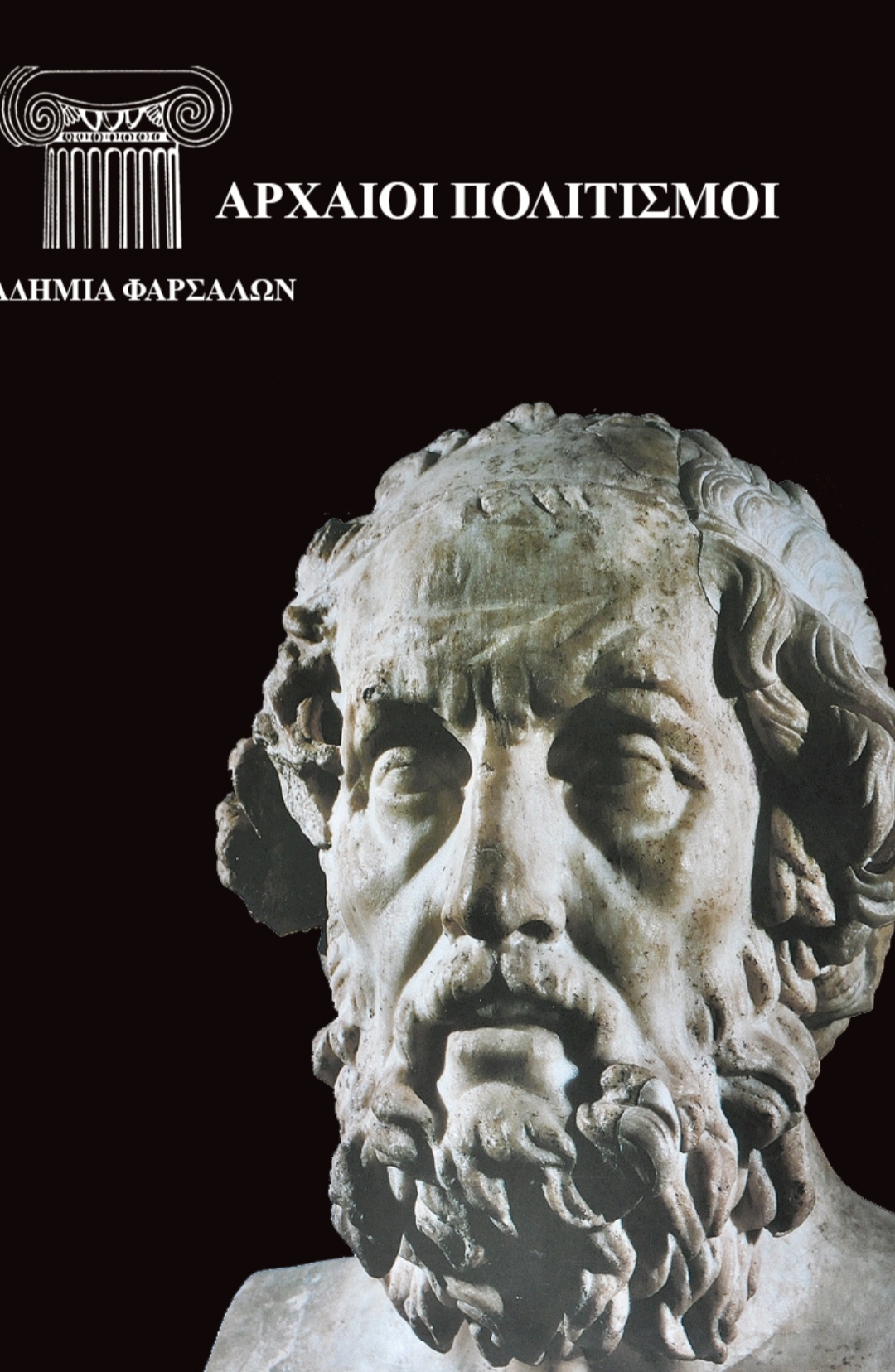
Epic poetry, which began to develop in the early Geometric Period (1000 BC), reached its full maturity with Homer, who lived in the 8th century BC. Through his heroic epics, the Iliad and the Odyssey, Homer celebrates and brings together two fundamental models of heroism: Achilles, distinguished by his courage, willpower and right action, and Odysseus, distinguished by his prudence, skill in action, effectiveness and altruistic intelligence, which connects the hero with himself and with nature. Homer and Philosophy: Convergences and Analogies Through Time Achilles’ right action, that is, action free from attachment to its fruits or outcomes, would later find expression in various philosophical traditions: in Plato, in Stoic philosophy (according to which virtue has value in and of itself), in Giordano Bruno and in Kant (acting out of duty, for the sake of duty itself). Plato considered that the philosopher’s primary task was to weave together the virtues of courage and prudence, harmonising will and wisdom. Furthermore, he believed that the fundamental task of the philosopher who becomes a statesman is to ensure the harmonious coexistence of all citizens within the fabric of social life. When a single ruler governs, it is essential that he combines the virtues of courage and prudence. When several rulers govern, courageous and prudent individuals must coexist. Homer in the Renaissance: The Harmony of Strength and Wisdom The representatives of the Renaissance spirit sought to overcome the contradictions and conflicts of their time and to create a better world. This desire for change led them to seek inspiration in the classical world. Ancient thought was revived through philosophy, while myths and symbols re-emerged through art, particularly painting. Giordano Bruno symbolically portrayed the harmony between strength and wisdom in his work On the Composition of Images, Signs and Ideas, through the figure of a man holding a sceptre in his right hand and a book in his left, symbolising power and wisdom respectively. Paolo Veronese also depicted the symbolic union of strength and wisdom in his painting Allegory of Strength and Wisdom. The painting portrays Hercules, whose gaze is directed towards the earthly world, alongside a female figure representing wisdom, whose gaze is directed towards the celestial and spiritual world. Homer in the Contemporary World: The Timeless Relevance of His Values Courage Leads to Prudence A courageous person follows the golden mean. They avoid extremes, both recklessness and cowardice. They maintain their inner balance and do not allow difficulties, despair, melancholy or sorrow to dominate their thoughts and behaviour. Courage helps them overcome psychological and physical difficulties, master their impulses and preserve their inner strength. Prudence, on the other hand, enables them to distinguish right from wrong and to choose the appropriate course of action. Courage without prudence can turn into recklessness, while prudence without courage can remain inactive knowledge. The true fulfilment of the human being lies in the harmonious coexistence of courage and prudence, of strength and wisdom. This is perhaps the timeless message that we can draw from Homer and carry into the contemporary world. Thank you very much for your attention. Yannis K. Fikas President of the Academy of Farsala
 thesilkroadtoday

The Nuclear Explosion opens a bold poetic series that brings together selected voices from the three major poetry movements shaping the world today: the World Poetry Movement, the Beijing Postmodernism Poetry Movement, and the Great Poetry Movement. Conceived as a space of convergence rather than confrontation, this series presents poetry as a dynamic force capable of capturing the shocks, hopes, and transformations of contemporary humanity. By placing these movements side by side, the publication affirms that despite differences in language, aesthetics, and cultural roots, world poetry shares a common urgency: to respond to the moral, existential, and imaginative challenges of our time through the power of the word. Prepare for THE SILK ROAD TODAY BY CAO SHUI