 thesilkroadtoday

Testament to Unity: Reflections on the 2nd World Congress of Writers in Moscow


The echoes of the 2nd World Congress of the World Organization of Writers (WOW) held in Moscow from September 20-21, 2025, continue to resonate, a testament to the power of words and the shared humanity that binds us all.
This remarkable event, themed “We are People of the Same Planet,” brought together writers and literary luminaries from over 100 countries, proving that despite geographical and cultural differences, a common thread of creativity and understanding can be woven across the globe.
From the moment delegates arrived at Domodedovo Airport on September 19, 2025, the experience was meticulously organised. Welcomed by enthusiastic volunteers, participants were whisked away to the comfortable IBIS Hotel, their anticipation building for the days ahead.
Contrary to any preconceived notions, Moscow presented itself as a peaceful and vibrant metropolis. Life flowed with an easy rhythm, a reassuring image that contrasted starkly with potential misconceptions. The city’s beauty served as a stunning backdrop to the Congress, adding another layer of richness to the experience.
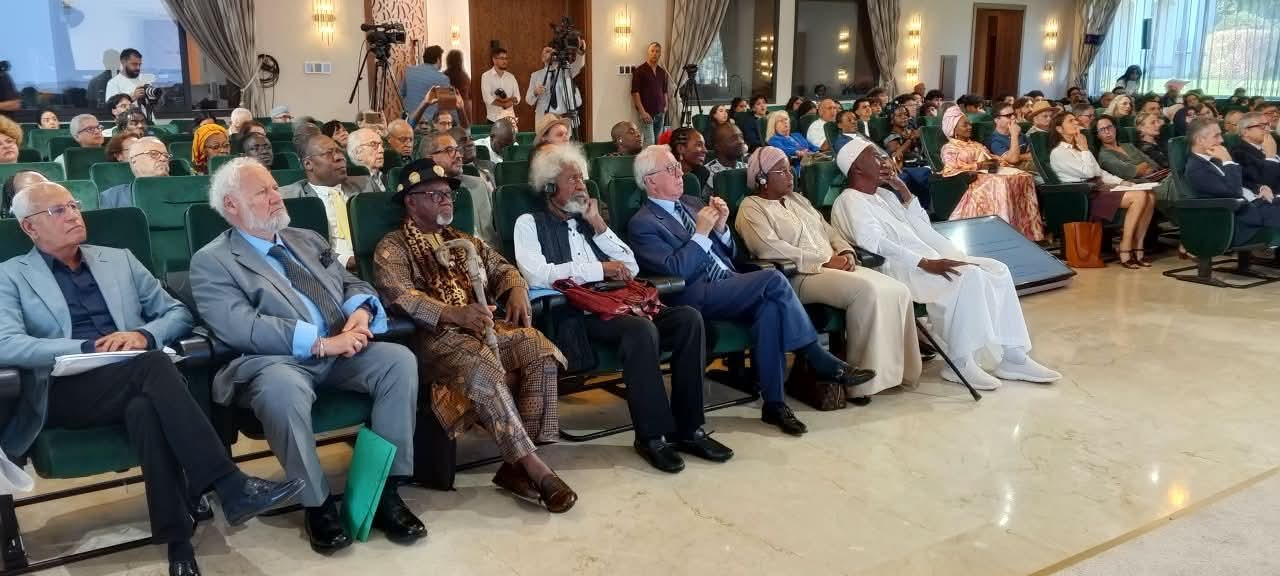
The opening session on September 20, held at the International Trade Centre, marked the official commencement of the Congress. Delegates were transported to the venue by buses, a sign of the well-coordinated logistical effort. The atmosphere buzzed with excitement as writers from every corner of the earth mingled, sharing stories and exchanging ideas.
The heart of the Congress lay in its diverse and engaging programme. On September 21, the Congress delved into critical issues facing the literary world. Seven parallel round tables provided platforms for focused discussions on topics ranging from the vital role of writers’ communities to the transformative power of translation. The impact of media on literature, the importance of education in fostering a love of reading and writing, and the crucial need to support young authors were all explored in depth.
One particularly poignant moment, and a personal highlight, was the call for delegates to express the Congress theme, “We are People of the Same Planet,” in their native languages. Hearing the phrase resonate in countless tongues, from Arabic to Zulu, was a powerful reminder of our shared origins and interconnected destinies. I proudly proclaimed, “Yɛyɛ nnipa a yɛwɔ wiɛse baako mu” – Twi for “We are People of the Same Planet.” This simple act of linguistic unity underscored the very essence of the Congress.
As Monday, September 22, arrived, delegates packed their bags, preparing to return to their respective homes, carrying with them a renewed sense of purpose and connection. The WOW Congress was more than just a conference; it was a massive celebration of the unity of the peoples of the world. It was an eye-opener, offering beautiful and insightful moments that will undoubtedly shape the future of literature and international collaboration.
This remarkable event was made possible through the terrific leadership of Lady Margarita AI, the President of WOW, the venerable Eldar Akhadov, and the entire WOW Congress team. Their vision and dedication created a truly unforgettable experience.
My personal WOW Congress experience culminated in an unexpected celebration. On September 23rd, mid-air on board Ethiopian Airlines flight ET 921, I celebrated my 65th birthday. The coincidence of marking this milestone on my journey home, after witnessing such a powerful demonstration of global unity, felt incredibly appropriate.
It was a birthday that will forever be intertwined with the memories and lessons learned at the 2nd World Congress of Writers in Moscow. The Congress not only reaffirmed my commitment to the power of words, but also reinforced my belief in the shared humanity that connects us all, reminding us that indeed, “We are People of the Same Planet.”