 thesilkroadtoday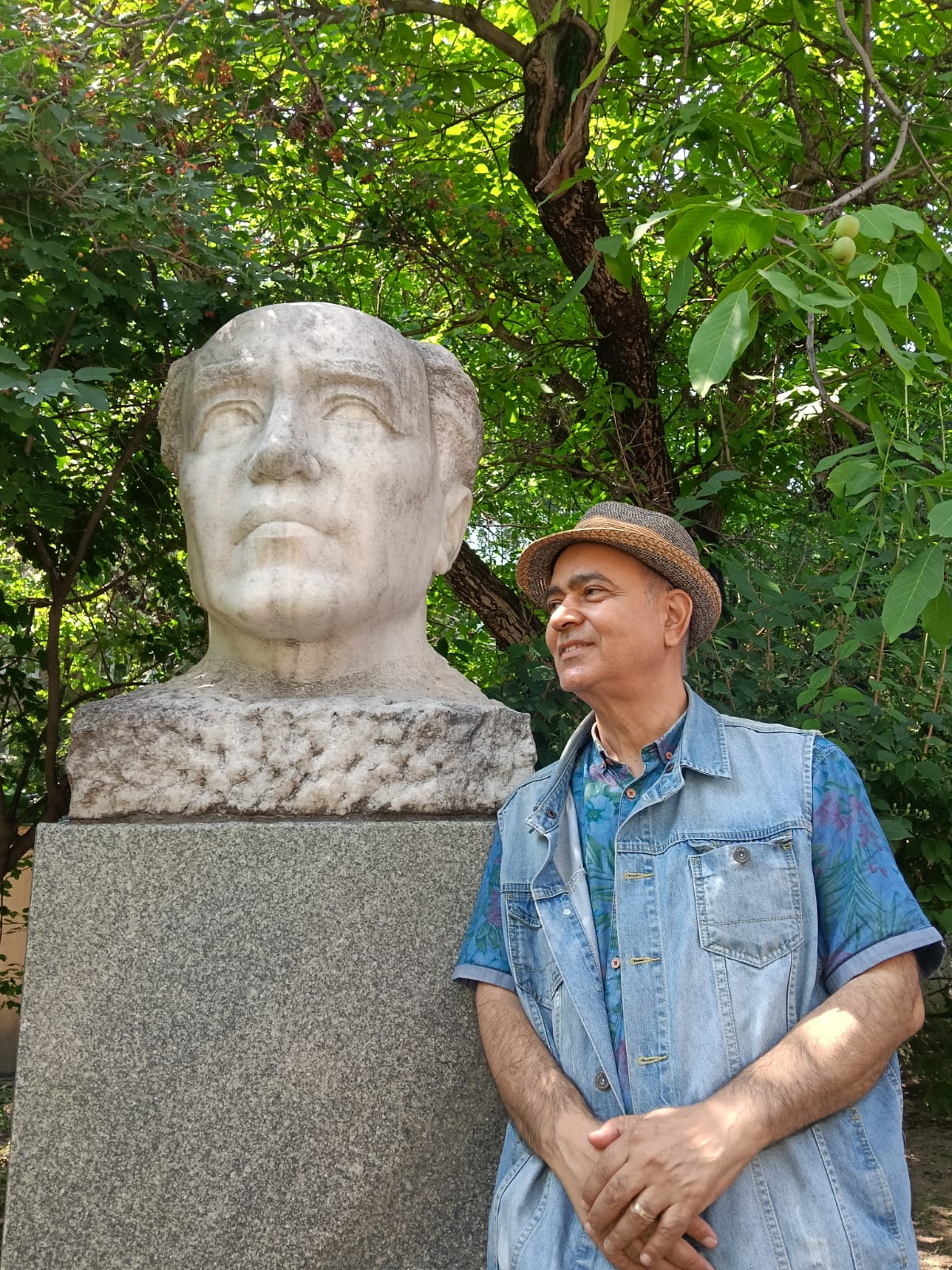
In the House Where Literature Still Breathes: A Visit to the Mukhtar Auezov Museum
There are houses that preserve furniture, manuscripts, and photographs, and there are houses that preserve something far more elusive—the spirit of a nation. Visiting the home of Mukhtar Auezov, one of Kazakhstan’s greatest literary figures, was such an experience. His residence, lovingly transformed into a museum, stands not merely as a memorial to a remarkable writer but as a sanctuary where history, literature, and memory continue their quiet dialogue with every visitor.
Crossing the threshold, I felt that I was entering not a museum but a living chapter of Kazakh culture. The atmosphere was calm, almost reverential. Every room seemed to carry the echo of thoughtful conversations, the scratching of a pen across paper, and the silence that often accompanies the birth of great literature. It is easy to imagine Auezov seated at his desk, surrounded by books, shaping the words that would later become part of the cultural heritage of Central Asia.
Mukhtar Auezov occupies a unique place in the literary history of Kazakhstan. Although he wrote novels, plays, essays, and scholarly works, he is best known worldwide for his monumental epic The Path of Abai. Through this masterpiece, he immortalized the life and philosophy of the great Kazakh poet Abai Kunanbayev while presenting the traditions, struggles, and aspirations of the Kazakh people with extraordinary depth. His work transcended national borders, introducing international readers to the richness of Kazakh civilization and proving that great literature speaks a universal language.
Among the museum’s treasured exhibits is a remarkable commemorative poster, bearing Auezov’s dignified portrait surrounded by the signatures of fellow writers and intellectuals. The image captures not only the respect he commanded among his contemporaries but also the affection with which he was remembered. At the top appears the title of the literary newspaper Kazakh Literature, while below, handwritten tributes create a visual chorus of admiration. Looking at the framed piece, I was reminded that literature is rarely a solitary achievement; it flourishes within a community of minds that inspire and challenge one another.
The museum reveals another side of Auezov beyond his published works. Personal belongings, manuscripts, correspondence, family photographs, and his carefully preserved study provide glimpses into the daily life of a man whose imagination helped define modern Kazakh literature. The modest elegance of the rooms reflects discipline rather than luxury, suggesting a life devoted more to intellectual pursuit than material comfort.
As a writer myself, I found the experience deeply moving. Every bookshelf, every handwritten page, every carefully arranged object seemed to affirm that literature is built patiently, one sentence at a time. The museum does not celebrate celebrity; it celebrates dedication. It reminds visitors that enduring works are born from years of reading, observation, reflection, and an unwavering commitment to truth.
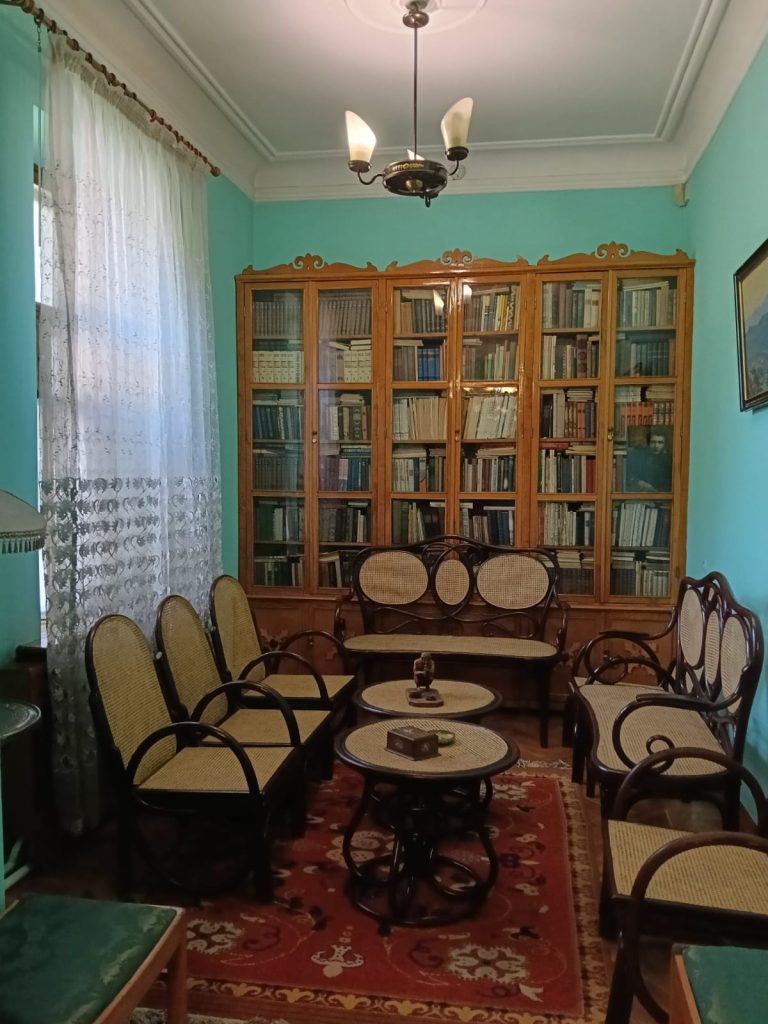
The visit also highlighted the importance of preserving literary homes as cultural institutions. Museums such as this bridge generations, allowing young readers to encounter their literary heritage not only through printed pages but through physical spaces filled with authentic memories. They transform history into something tangible, enabling visitors to understand that behind every immortal book stood a human being who experienced joy, hardship, doubt, and hope.
Leaving the museum, I carried with me more than photographs and impressions. I departed with renewed admiration for the power of literature to shape national identity while building bridges between cultures. Mukhtar Auezov’s home remains a place where Kazakhstan’s literary soul continues to welcome visitors from around the world. Within its quiet rooms, the voice of a great writer still resonates, reminding us that words possess the extraordinary ability to outlive their authors and continue illuminating humanity long after the ink has dried.
Dr. Ashraf Aboul-Yazid