Trending News:Everything Fucked, Everything Golden: On Cao Bo’s C·BThree Sisters, One Gun: Cao Shui’s The Three Wild Yak Sisters Gioia Lomasti’s Ode to Odina – A Poem in Rhyme Celebrates the Unconditional Love of Companion AnimalsAn Eternal Bond (Poetry)“Red Before Any Red”: A Three-Day Seminar Exploring Pure Feeling, Perception, and RealityThe Literary Biography of Dr. Ashraf Aboul-Yazidالأم التي لا تستطيع الموت | قصة قصيرة من أذربيجانمقاطع بوخريل: بيان من أجل الشعر المقطعي المكثّفمبادرة ثقافية إيطالية تحتفي بالإبداع وتفتح أبوابها للأدب والفنونThe Chains We Forge: A Novel of Freedom and Betrayalدار الناشر … إصدارات جديدة بين النثر والشعرلا أعلم متى ينام الليل يا أبيلن أحيدَ عن جُبران«الحلقة الذهبية» الجديدة للجنوب: جمعية شعوب العالم تبحث إطلاق مسار سياحي بين روسيا وأبخازياالملكة المصرية نفرتيتي والنساء السوفيتياتEgyptian Queen Nefertiti and Soviet Womenقيود نصنعها بأيدينا (رواية من كينيا)لكل شعب حكاية يرويهاحين جاء أدب العالم إلى رام اللهWole Soyinka in PalestineBabacar NDIAYE Appointed Ambassador of International Writers’ Group “Together for the Letters” in Senegalالعالم الروحي والطقوس الجنائزية في مصر القديمةNO REVOLUTION OR RENAISSANCE WITHOUT WRITERS «ألوان الحياة».. صحر أنور ترصد فلسفة الوجود وتفاصيل الإنسان في كتاب جديدDr. Ashraf Aboul-Yazid Explores Africa’s Cultural Renaissance, Pan-Africanism, and the Future of African Identity on African HourWorld Peoples Assembly to Present Its Activities and Development Plans at Shanghai Cooperation Organisation Secretariat in Beijingعالَمُ الكونعبد الرازق عكاشة.. الذاكرة الإنسانية ودورها فى البناء التشكيلي.. ” ناس من شارعنا”أدونيس وعلي أحمد سعيد إسبرحين تتكلم الثقافة بلغة الثقة: إرث تشايكوفسكي يعبر إلى الشرق الأوسطCultural Synergy Over Rivalry: The Legacy of Tchaikovsky and the “Walking Family Museum” at the First World Public Summit in Amman EgyptThe Silk Road Literature Series and World Peoples Assembly Sign Strategic Cooperation Agreement in Ammanالناقدة والروائية سماح خليفة: امرأة وجدت في الأدب مساحة لفهم العالم ومساءلتهالفن والثقافة والإبداع: إصدار الخريف المنتظر لعام 2026 من «100 مشروع إبداعي – الفن في الواجهة»سحر زمان تستضيف لقاءً أدبياً خاصاً حول مذكرات الكاتبة الفلسطينية حنان عواد بترجمة أشرف أبو اليزيدSahar Zaman Hosts a Special Literary Encounter on Palestinian Writer Hanan Awwad’s Memoirs, Translated by Ashraf Aboul-YazidАлександра Очирова представляет книгу «Русский космизм: Память» на трёх языкахألكسندرا أوتشيروفا تقدم كتاب «الكونية الروسية: الذاكرة» بثلاث لغاتAlexandra Ochirova Presents Russian Cosmism: Memory in Three LanguagesLoving You at the Speed of a Snail Travelling Around the WorldBenjiman Blue: The Streets Between WorldsLA GAONESA: Poems of Life, Love and Longingد. حنان عواد تتسلم الميدالية الذهبية وعضوية منظمة كتاب العالم في ختام الجلسة الأدبية للقمة العربية في عمّانمقال أدبي | السير في صحبة الجنياتالرجل الذي نسي أنه يموتالثقافة جسر بين الشعوب: قمة عمّان تناقش الذاكرة التاريخية والحوار الحضاري For an African Literary Sovereignty Open to the Worldالخيالات الأفريقية والعالمية تحتفي بها الرباطThe Pokhrelian Stanzas: A Manifesto for Compact Syllabic Verse في حب تونس … حوار المشاهد والشواهد الشاعر والسهوب والإنسان: قراءة نقدية في العالم الشعري لأولوغبيك يسداوليتوفA Journey Beyond Earth: Meeting Russian Cosmonaut Oleg Skripochka in Ammanقادة الدبلوماسية الشعبية يعرضون مشروعاتهم في القمة العالمية للشعوبالتراث الروحي بوصفه فضاءً للحوار محور نقاش في القمة العالمية للشعوب: العالم العربيسلاف … نهر على سفردكتور عبد الحليم نور الدين.. حين يصبح الإنسان أثرًا لا يمحوه الزمنمجلة «سُلاف» الثقافية اليمنية تحتفي بمرور عامين على انطلاقتهاالموسوعة السعودية للسينما: عناوين لافتة في مساحة متفرّدة АЛЕКСАНДРА ОЧИРОВА: ЧЕЛОВЕК ДОЛЖЕН УМЕТЬ ЗАЩИЩАТЬ СВОИ ЦЕННОСТИALEXANDRA OCHIROVA: A PERSON MUST BE ABLE TO DEFEND THEIR VALUESألكسندرا أوتشيروفا: يجب على الإنسان أن يكون قادراً على الدفاع عن قيمهA Look at Alfred Nyagaka Nyamwange’s Collection of BooksDance in Silence, Poem by Anwar Rahimالشاعرة القطرية سعاد الكواري تشيد بمبادرة «100 مؤلف، 100 كتاب»From Russia to Humanity: Alexandra Ochirova’s Russian Cosmism: Memory Brings Author, Translator and Intellectual Dialogue Together in Ammanحوار مع جويا لوماستي: العقل المدبر وراء مشروع 100 مؤلف. 100 كتابInterview with Gioia Lomasti: The Mind Behind 100 Libri d’Autoreآية دغنوج في حضرة الموجيCommemorative Anthology Honouring Dashdorg Natsagdorj Presented to Mongolia’s Iconic PoetsWorld Peoples Assembly Scientific and Expert Council Brings Global Initiatives to the Arab World: From Vision to Joint Programs and ProjectsPublic Diplomacy in Action: International Leaders Explore the Path from Dialogue to Sustainable Partnerships in AmmanThe Arab World: Bridging Heritage and the Future – International Leaders to Explore New Horizons of Cooperation at the First World Public Summit in AmmanAmman Hosts the Official Opening of the First World Public Summit: Dialogue, Cultural Heritage and Partnership for a Common FutureLiterature and the Future Human Being: World Organization of Writers Hosts International Literary Salon in Amman“Russian Cosmism. Memory”: Alexandra Ochirova Presents Her Multilingual Book at the First World Public Summit in AmmanPublic Diplomacy Leaders Present International Initiatives at the First World Public Summit in Ammanالمنظمات غير الحكومية والعمل التطوعي والخيري: تعزيز المجتمع المدني والتنمية المجتمعية في العالم العربيNGOs, Volunteering and Charity: Strengthening Civil Society and Community Development Across the Arab Worldمن المعرفة إلى العمل: المنتدى الدولي للشباب في عمّان يدفع نحو جيل جديد من التعاون العالميFrom Knowledge to Action: International Youth Forum in Amman to Advance a New Generation of Global Cooperationالأرض المقدسة والعالم العربي: التراث الروحي جسرٌ للحوار والسلامThe Holy Land and the Arab World: Spiritual Heritage as a Bridge for Dialogue and PeaceThe Skull of LiteratureLeonid Selemenev Discovers Remarkable Artistic Works During Visit to the Likhachev Centerالشاعر السعودي رائد الجشي يمثل الشعر العربي في معرض «وفرة الخريف.. هبة الحب» بمدينة شنغهاي الصينيةالفن يجمع النساء : 115 فنانة من 115 دولة يلتقين في دبيART CONNECTS WOMEN 2026: 115 Women Artists from 115 Countries Come Together in DubaiNepalese Writers Keshab Sigdel and Dr. Ram Dayal Rakesh to Receive Prestigious SAARC–FOSWAL Literary Awards in New Delhiزارع البطيخ … رسالة العمل وتبعاتهNO KEYS THERE: Cairo as an Absurd Theatre of Love, Satire, and Hidden Truths«أخطر فيلسوف سياسي في الغرب»«زعتر وميرمية».. مهرجان فلسطيني في القاهرة يحتفي بالهوية والثقافة والفنونCook for World: Bringing AI Technology to Life with a Touch of ‘Beautiful Heart’Cuba Opens Its Doors to the World’s Writersالفنانة التشكيلية منة طارق: الرسوم ليست مجرد زينة للنص
Trending News:Everything Fucked, Everything Golden: On Cao Bo’s C·BThree Sisters, One Gun: Cao Shui’s The Three Wild Yak Sisters Gioia Lomasti’s Ode to Odina – A Poem in Rhyme Celebrates the Unconditional Love of Companion AnimalsAn Eternal Bond (Poetry)“Red Before Any Red”: A Three-Day Seminar Exploring Pure Feeling, Perception, and RealityThe Literary Biography of Dr. Ashraf Aboul-Yazidالأم التي لا تستطيع الموت | قصة قصيرة من أذربيجانمقاطع بوخريل: بيان من أجل الشعر المقطعي المكثّفمبادرة ثقافية إيطالية تحتفي بالإبداع وتفتح أبوابها للأدب والفنونThe Chains We Forge: A Novel of Freedom and Betrayalدار الناشر … إصدارات جديدة بين النثر والشعرلا أعلم متى ينام الليل يا أبيلن أحيدَ عن جُبران«الحلقة الذهبية» الجديدة للجنوب: جمعية شعوب العالم تبحث إطلاق مسار سياحي بين روسيا وأبخازياالملكة المصرية نفرتيتي والنساء السوفيتياتEgyptian Queen Nefertiti and Soviet Womenقيود نصنعها بأيدينا (رواية من كينيا)لكل شعب حكاية يرويهاحين جاء أدب العالم إلى رام اللهWole Soyinka in PalestineBabacar NDIAYE Appointed Ambassador of International Writers’ Group “Together for the Letters” in Senegalالعالم الروحي والطقوس الجنائزية في مصر القديمةNO REVOLUTION OR RENAISSANCE WITHOUT WRITERS «ألوان الحياة».. صحر أنور ترصد فلسفة الوجود وتفاصيل الإنسان في كتاب جديدDr. Ashraf Aboul-Yazid Explores Africa’s Cultural Renaissance, Pan-Africanism, and the Future of African Identity on African HourWorld Peoples Assembly to Present Its Activities and Development Plans at Shanghai Cooperation Organisation Secretariat in Beijingعالَمُ الكونعبد الرازق عكاشة.. الذاكرة الإنسانية ودورها فى البناء التشكيلي.. ” ناس من شارعنا”أدونيس وعلي أحمد سعيد إسبرحين تتكلم الثقافة بلغة الثقة: إرث تشايكوفسكي يعبر إلى الشرق الأوسطCultural Synergy Over Rivalry: The Legacy of Tchaikovsky and the “Walking Family Museum” at the First World Public Summit in Amman EgyptThe Silk Road Literature Series and World Peoples Assembly Sign Strategic Cooperation Agreement in Ammanالناقدة والروائية سماح خليفة: امرأة وجدت في الأدب مساحة لفهم العالم ومساءلتهالفن والثقافة والإبداع: إصدار الخريف المنتظر لعام 2026 من «100 مشروع إبداعي – الفن في الواجهة»سحر زمان تستضيف لقاءً أدبياً خاصاً حول مذكرات الكاتبة الفلسطينية حنان عواد بترجمة أشرف أبو اليزيدSahar Zaman Hosts a Special Literary Encounter on Palestinian Writer Hanan Awwad’s Memoirs, Translated by Ashraf Aboul-YazidАлександра Очирова представляет книгу «Русский космизм: Память» на трёх языкахألكسندرا أوتشيروفا تقدم كتاب «الكونية الروسية: الذاكرة» بثلاث لغاتAlexandra Ochirova Presents Russian Cosmism: Memory in Three LanguagesLoving You at the Speed of a Snail Travelling Around the WorldBenjiman Blue: The Streets Between WorldsLA GAONESA: Poems of Life, Love and Longingد. حنان عواد تتسلم الميدالية الذهبية وعضوية منظمة كتاب العالم في ختام الجلسة الأدبية للقمة العربية في عمّانمقال أدبي | السير في صحبة الجنياتالرجل الذي نسي أنه يموتالثقافة جسر بين الشعوب: قمة عمّان تناقش الذاكرة التاريخية والحوار الحضاري For an African Literary Sovereignty Open to the Worldالخيالات الأفريقية والعالمية تحتفي بها الرباطThe Pokhrelian Stanzas: A Manifesto for Compact Syllabic Verse في حب تونس … حوار المشاهد والشواهد الشاعر والسهوب والإنسان: قراءة نقدية في العالم الشعري لأولوغبيك يسداوليتوفA Journey Beyond Earth: Meeting Russian Cosmonaut Oleg Skripochka in Ammanقادة الدبلوماسية الشعبية يعرضون مشروعاتهم في القمة العالمية للشعوبالتراث الروحي بوصفه فضاءً للحوار محور نقاش في القمة العالمية للشعوب: العالم العربيسلاف … نهر على سفردكتور عبد الحليم نور الدين.. حين يصبح الإنسان أثرًا لا يمحوه الزمنمجلة «سُلاف» الثقافية اليمنية تحتفي بمرور عامين على انطلاقتهاالموسوعة السعودية للسينما: عناوين لافتة في مساحة متفرّدة АЛЕКСАНДРА ОЧИРОВА: ЧЕЛОВЕК ДОЛЖЕН УМЕТЬ ЗАЩИЩАТЬ СВОИ ЦЕННОСТИALEXANDRA OCHIROVA: A PERSON MUST BE ABLE TO DEFEND THEIR VALUESألكسندرا أوتشيروفا: يجب على الإنسان أن يكون قادراً على الدفاع عن قيمهA Look at Alfred Nyagaka Nyamwange’s Collection of BooksDance in Silence, Poem by Anwar Rahimالشاعرة القطرية سعاد الكواري تشيد بمبادرة «100 مؤلف، 100 كتاب»From Russia to Humanity: Alexandra Ochirova’s Russian Cosmism: Memory Brings Author, Translator and Intellectual Dialogue Together in Ammanحوار مع جويا لوماستي: العقل المدبر وراء مشروع 100 مؤلف. 100 كتابInterview with Gioia Lomasti: The Mind Behind 100 Libri d’Autoreآية دغنوج في حضرة الموجيCommemorative Anthology Honouring Dashdorg Natsagdorj Presented to Mongolia’s Iconic PoetsWorld Peoples Assembly Scientific and Expert Council Brings Global Initiatives to the Arab World: From Vision to Joint Programs and ProjectsPublic Diplomacy in Action: International Leaders Explore the Path from Dialogue to Sustainable Partnerships in AmmanThe Arab World: Bridging Heritage and the Future – International Leaders to Explore New Horizons of Cooperation at the First World Public Summit in AmmanAmman Hosts the Official Opening of the First World Public Summit: Dialogue, Cultural Heritage and Partnership for a Common FutureLiterature and the Future Human Being: World Organization of Writers Hosts International Literary Salon in Amman“Russian Cosmism. Memory”: Alexandra Ochirova Presents Her Multilingual Book at the First World Public Summit in AmmanPublic Diplomacy Leaders Present International Initiatives at the First World Public Summit in Ammanالمنظمات غير الحكومية والعمل التطوعي والخيري: تعزيز المجتمع المدني والتنمية المجتمعية في العالم العربيNGOs, Volunteering and Charity: Strengthening Civil Society and Community Development Across the Arab Worldمن المعرفة إلى العمل: المنتدى الدولي للشباب في عمّان يدفع نحو جيل جديد من التعاون العالميFrom Knowledge to Action: International Youth Forum in Amman to Advance a New Generation of Global Cooperationالأرض المقدسة والعالم العربي: التراث الروحي جسرٌ للحوار والسلامThe Holy Land and the Arab World: Spiritual Heritage as a Bridge for Dialogue and PeaceThe Skull of LiteratureLeonid Selemenev Discovers Remarkable Artistic Works During Visit to the Likhachev Centerالشاعر السعودي رائد الجشي يمثل الشعر العربي في معرض «وفرة الخريف.. هبة الحب» بمدينة شنغهاي الصينيةالفن يجمع النساء : 115 فنانة من 115 دولة يلتقين في دبيART CONNECTS WOMEN 2026: 115 Women Artists from 115 Countries Come Together in DubaiNepalese Writers Keshab Sigdel and Dr. Ram Dayal Rakesh to Receive Prestigious SAARC–FOSWAL Literary Awards in New Delhiزارع البطيخ … رسالة العمل وتبعاتهNO KEYS THERE: Cairo as an Absurd Theatre of Love, Satire, and Hidden Truths«أخطر فيلسوف سياسي في الغرب»«زعتر وميرمية».. مهرجان فلسطيني في القاهرة يحتفي بالهوية والثقافة والفنونCook for World: Bringing AI Technology to Life with a Touch of ‘Beautiful Heart’Cuba Opens Its Doors to the World’s Writersالفنانة التشكيلية منة طارق: الرسوم ليست مجرد زينة للنص
يسرّنا أن نعلن أن The Silk Road Today بدأت بنشر فصول هذا الكتاب للكاتب ليوناردو هيرمان ، على شكل حلقات أسبوعية تُنشر كل يوم أحد، لإتاحة فرصة التعمق في تجربة الرحلة الإنسانية التي يرويها النص. يأتي هذا الإصدار المتسلسل احتفاءً بالأدب الذي يجمع بين الذاكرة والواقع، ويمنح القارئ وقتًا للتأمل في المعاني. ونقدّم اليوم العنوان الفرعي للفصل الأول: «فلسطين، رحلة إلى أرض الشعراء المحاربين»، بوصفه مدخلاً إلى عالم الرحلة والشعور والتاريخ. نرجو أن يجد القارئ في هذه الصفحات ما يلامس القلب ويُضيء التفكير، وأن تظل القراءة جسراً بين الإنسان ومعنى الأرض والحرية.
حكاية كوفيّتي
في أحد الأيام الأخيرة من إقامتي في فلسطين، شددنا الرحال إلى القدس.
وترتبط حكاية كوفيّتي ارتباطًا حميمًا بتلك الرحلة.
إنّ ربّ العالمين – الحمد لله – يقودنا في طرقٍ تتعانق فيها تاريخ الإنسانية مع الإيمان والنضال.
وللوصول إلى القدس ينبغي الحصول على تصريح خاص. فالفلسطينيون المقيمون في الضفة الغربية الذين لا يملكون لوحة ترخيص معيّنة لسياراتهم يُمنعون من دخول المدينة المقدسة. وهذا يعني، حرفيًا، حرمان مسلمي الضفة الغربية من الوصول إلى ثالث أقدس مسجد في الإسلام.
وفي الطريق نبّهني منجد صالح إلى أمرٍ أقلقني طوال الرحلة. شرح لي مسألة لوحات السيارات. ففي المدن الخاضعة لإدارة دولة الاحتلال توجد ثلاث فئات من لوحات الترخيص:
لوحات ذات خلفية صفراء للإسرائيليين، وأخرى بيضاء أو خضراء للعرب أو الفلسطينيين الذين يعيشون في الأراضي المحتلة، ولوحات مؤقتة للعمّال الذين يذهبون للعمل هناك.
كان سائقنا الكاتب طلال أبو عفيفة، وهو ممن تتوفر فيهم الشروط لدخول القدس دون مشكلة. لكن منجد قال لي إنه قد يُوقَف عند أحد حواجز قوات الدفاع الإسرائيلية. وإن حدث ذلك، فسيُجبر – في أفضل الأحوال – على النزول من السيارة والعودة إلى رام الله، أما في أسوأ الأحوال فقد يتعرض للاعتقال.
غيّر ذلك التحذير نبرة الرحلة. فكلما اقتربنا من حاجز تفتيش كنت أتذكر كلماته، وأفكر في كل الاحتمالات… في تلك المساحة الثقيلة من عدم اليقين.
لكن الحمد لله وصلنا دون حادث.
أمام أسوار القدس التقينا بالكاتبة والناشطة الحقوقية رانيا حاتم، تلك الأخت التي كنت قد قرأت أنها اعتُقلت على يد الجيش الإسرائيلي عام 2023، وقد كنت بدوري قد نددت بقضيتها على المستوى الدولي.
في المدينة المقدسة عشت بعضًا من أكثر لحظات رحلتي تأثيرًا وجمالًا، وفي الوقت نفسه أكثرها توترًا. فكل حجر، وكل معبد، وكل مسجد، وكل إنسان يسكن القدس، يحمل في داخله تاريخ شعبٍ كامل.
في القدس يستطيع المرء أن يستشعر الفرق بين الأراضي التي تديرها السلطة الوطنية الفلسطينية وتلك التي تقع تحت قهر الاحتلال. ولست هنا بصدد الخوض في ذلك، لكنني سأروي واقعة صغيرة تعطي القارئ فكرة عمّا شعرت به.
ففي بيت لحم يعيش المرء أجواء سلام وتعايش بين الشعوب، أما في القدس فهناك شعور دائم بأن الأعصاب متأهبة. يشعر الإنسان على جلده نفسه بعدم اليقين الذي يعيشه الفلسطيني، ذاك الذي يولد وكأن بندقية صهيونية مصوّبة إلى رأسه منذ لحظة الميلاد.
كنت أمشي مع منجد ورانيا في سوق القدس القديم. رأيت الخوف الذي يعيش فيه الفلسطينيون. ولن أنسى أبدًا هذا المشهد:
كنا نسير نحن الثلاثة. كان منجد على الجانب القريب من الرصيف، ورانيا في الوسط، وكنت أنا على الطرف الآخر نحو الشارع المرصوف بالحجارة.
لاحظت رانيا – كما لاحظت أنا – أن دورية من خمسة جنود إسرائيليين تسير خلفنا. كان من المستحيل ألا نلحظ حضورهم، فهم مسلحون حتى الأسنان، وأنفاسهم تكاد تلامس أعناقنا.
فجأة أمسكت رانيا بذراعينا وبدأت تتحدث بصوت مرتفع بالعربية. مرت الدورية بجانبنا ببطء، منصتة إلى حديثها. ثم تجاوزتنا وتمركزت عند زاوية قريبة، تحدّق فينا. كنا نشعر بأن نظراتهم تخترق إنسانيتنا.
بعد أن ابتعدنا قليلًا، شرحت لنا رانيا ما فعلته. قالت إنها أرادت أن تُظهر منجد كأنه عمّها، وأنا كأنني ابن أخيها، وأن تبدو محادثتنا حديث عائلة.
ثم أضافت:
إنها رأت الجنود الإسرائيليين يقتلون فلسطينيين لمجرد أنهم نظروا إليهم، وبعد قتلهم يلقون بجانب الجثة سكينًا ليصوروهم كإرهابيين.
عندها فهمت بوضوح أن الفلسطيني يولد وعلى جلده حكم بالإعدام. وأن كل ثانية يتنفسها هي انتصار على جلاديه. وأن مصيره منذ تلك اللحظة صار متصلًا بمصيري.
وليعذرني القارئ إن بدا النص متشعبًا، فهذا سرد تتقاطع فيه الحكايات كما تتشابك زخارف المسجد الأقصى.
كنت أريد أن أحكي قصة كوفيّتي. وسأروي لاحقًا فصولًا أخرى عن أسوار القدس، وعن رانيا، وعن العزيز منجد صالح – رحمه الله – وعن شهادتي في الأقصى، وعن خطواتي في سوق القدس العتيق.
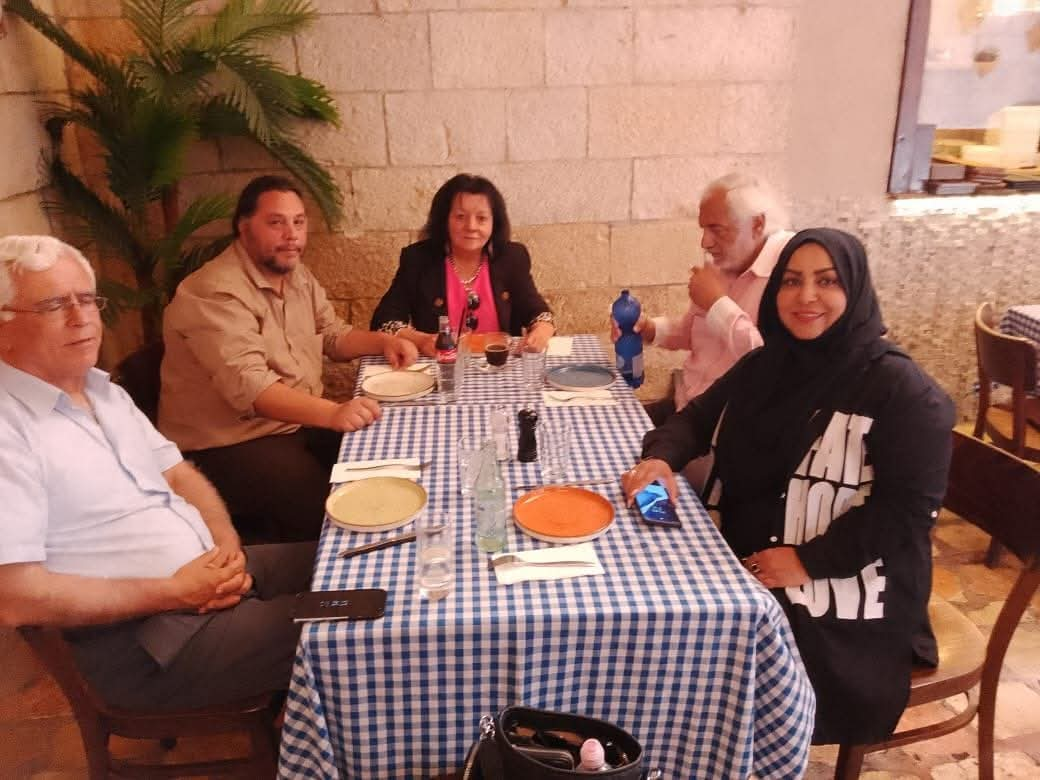
شرح الصورة: في الصورة الملتقطة في القدس، يظهر الكاتب طلال أبو عفيفة، مرتدياً الأبيض، وخلفه ليوناردو هيرمان. وعلى رأس الطاولة تجلس الدكتورة حنان عواد، والدبلوماسي والكاتب منجد صالح، والناشطة الحقوقية رانيا حاتم.
بعد أن أنهينا زيارتنا للأماكن المقدسة، كانت الدكتورة والكاتبة حنان عوّاد في انتظارنا في أحد المطاعم. لا أستطيع أن أصف كرم هذه الأخت ودفء روحها. تحدثنا طويلًا عن حياتها وحياتي، وكان اللقاء جميلًا إلى حد أننا لم نرغب في الافتراق. بل إنها دعتنا إلى بيتها، فذهبنا معها.
في الطريق رأينا جنود الاحتلال يجوبون الأحياء العربية في القدس.
في بيت الدكتورة عوّاد تبدو تلك اللحظات في ذاكرتي كأنها حلم مضيء، له ذلك اللون الغامض الذي يحيط بالأحلام.
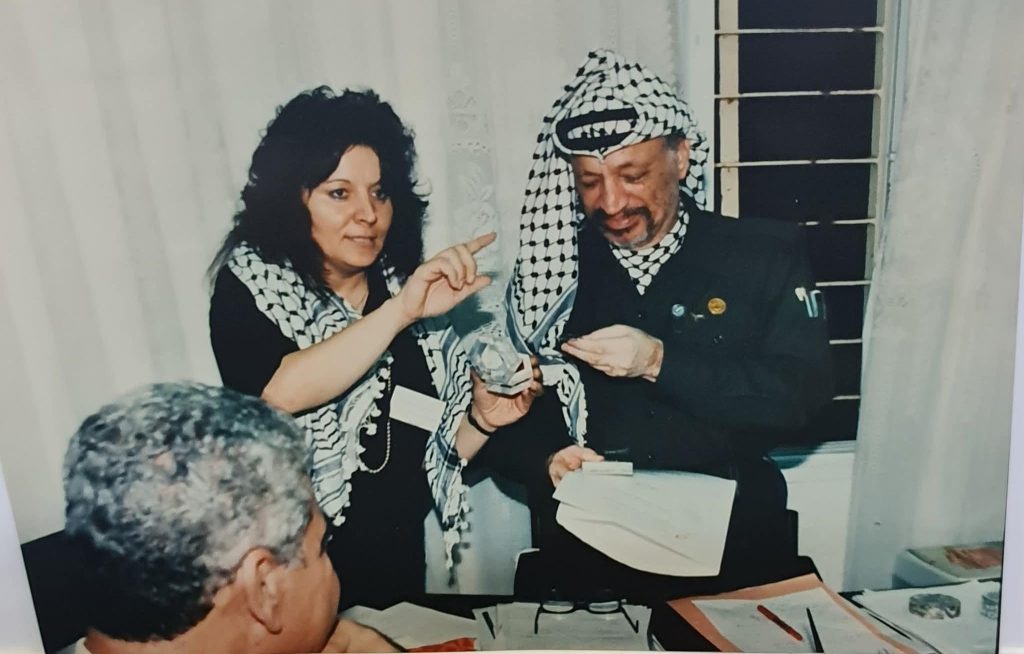
عرّفتني بوالدتها، امرأة في غاية اللطف والسلام. وفي غرفة الجلوس رأيت صورة للدكتورة عوّاد وهي تعانق ياسر عرفات. وعندما سألتها عن الصورة، اغرورقت عيناها بالدموع وقالت:
كانت صديقة ورفيقة لياسر عرفات، وكانت تعمل ضمن فريق بعثة منظمة التحرير الفلسطينية في الأمم المتحدة. ثم انكسرت كلماتها وهي تقول:
«كنتُ من آخر من رأى ياسر حيًّا. استدعوني ليلةً لأنه كان في حالة حرجة. كان قد تعرّض للتسميم من قبل الموساد، لكننا لم نكن نعلم آنذاك. كنا فقط نرى مرضًا غامضًا يلتهم حياته.
ذهبت إليه مسرعة. نظر إليّ كأنه يودعني، وأمسك يدي بقوة كما كان يفعل دائمًا. كنت أعرف أنه ذاهب في رحلته الأخيرة. حاولت أن أشجعه رغم أنني كنت أبكي في داخلي. لن أنسى نظرته أبدًا.
بعد ساعات قليلة أخبروني أنهم نقلوه إلى فرنسا. فركبت الطائرة لأكون إلى جانبه. توقفت الطائرة في روما، وهناك، وأنا أنتظر الرحلة التالية، رأيت عناوين الأخبار تعلن وفاته».
كنت أستمع إلى تلك القصة الإنسانية المدهشة: كانت تحكي عن صداقتها مع أحد أبرز قادة العالم، وعن كونها من آخر من رآه حيًا.
فجأة نهضت كأن قوة خفية دفعتها، واتجهت إلى غرفتها. بقيت أنا أتأمل الصورة المعلقة في غرفة الجلوس:
كان عرفات وهي ينظران إلى بعضهما بمحبة أخوية نادرة، محبة مقاتلين يناضلان من أجل السلام وحرية الأرض.
كان كلاهما يبتسم… وكان كلاهما يرتدي كوفيّة.
عندما عادت وجلست قبالتي، أمسكت بيدي وقدمت لي كوفيّة. أشارت إلى الصورة وقالت:
«هذه هي الكوفيّة التي كنت أرتديها في تلك الصورة».
لم أصدق ما يحدث. لم تكن الأخت تهديني قطعة من حياتها فحسب، بل كانت تمنحني أيضًا جزءًا من تاريخ الإنسانية.
وهكذا قادتني طرق الله إلى أخت جديدة: الدكتورة حنان عوّاد.
ياسر عرفات ود. حنان عواد
وفي تلك الكوفيّة التي أهدتني إياها كان مطبوعًا ذلك اللقاء بين ياسرعرفات وحنان… وكان عالقًا فيها العطر المقدس لساعات النضال والانتصار.
HISTORIA DE MI KEFFIYEH
Uno de los últimos días en Palestina viajamos a Al Quds.
La historia de mi Keffiyeh esta íntimamente ligada a este viaje.
El señorde los mundosalhmdulillah nos lleva porcaminos donde se conjugan la historia de la humanidad, la fe y la lucha.
Para llegar hasta Al Quds es necesario tener una patente especial. A los palestinos que habitan en Cisjordania yno poseen dicha placa de auto les esta prohibido el ingreso a la cuidad sagrada, lo que significa literalmente negarles a los musulmanes de Cisjordania el acceso a la tercer Mezquita más importante del Islam.
Ya en la ruta Munjed Salahme advirtió algo que me intranquilizo durante todo el trayecto. Me explico esa situación de las patentes. En lasciudades bajo la administración del Estado de Ocupaciónexisten tres clases de matriculas de automóviles. Una con fondo amarillo para los Israelíes, otra blancas o verdes para los árabes o Palestinos que viven enterritorios ocupados y otras temporarias para transportistas que van a trabajar a las mismas. Nuestro conductor era el escritor TalalAbu Affifa. Que reunía las condiciones para entrar sin problemas en Al Quds. Munjed me dijo que a él lopodríandetener en uno de los puestos de control de las FDI. Y que si eso sucedía tendría en el mejor de los casos bajarse del automóvil y volverse a Ramallah. En la peor de las circunstancias lo podrían arrestar. Eso cambio el tono del viaje. Cada vez paramos en un Chek Point pensaba en sus palabras. En todas las posibilidades. En toda esa incertidumbre.Alhmdulillahpudimos llegar sin ningún incidente.
Ya enfrente de los muros de Al Qudsnos reunimos conRaniaHatemuna hermana escritora y defensora de los derechos humanos. He leído que Raniafue detenida por el ejército de Israel en 2023. Y he denunciado internacionalmente su caso.
En la ciudad sagrada he vivido algunos de los momentos más emocionantes , más hermosos y a la vez más tensos de mi viaje. Cada piedra, cada templo, cada mezquita, cada ser que habita Al Quds amalgama la historia de su pueblo. En Jerusalén uno puede respirar la diferencia entre los territorios administrados por la Autoridad Nacional Palestina y los que están bajo la opresión de la entidad . Aunque no es el motivo de este escrito solo voy a decir para dar una idea al lector de lo que sentí en Jerusalén una anécdota. Mientras en Belén uno vive la paz y la convivencia en armonía de los pueblos. En Al Quds uno siente un clima que hace que los nervios siempre estén alertas. Uno sienteensu propia piel la incertidumbre de la existencia de los palestinos que desde antes de nacer tienen una mira de fusil sionista en la cabezatodo el tiempo . He caminado junto a Munjed y Rania por las calles del mercado antiguo de Jerusalén y he visto el miedo en el que viven los Palestinos.Nunca me voy a olvidar esta escena: Caminábamos los tres. En un costado el que daba a la vereda estaba Munjed,Rania estaba en el medio,yo estaba en extremo opuesto que daba para la calle empedrada. Raniaal ver como durante unos metros nos seguía una patrulla de cinco soldados de Israel. Hecho que yo tambiénhabía percibido ya que era imposible no ver la presencia de esos sujetos armados hasta los dientes, sentir su respiración en nuestra nuca . Ella nos agarro de los brazos y empezóhablar fuerte en árabe. La patrulla paso con lentitud a nuestro lado escuchando con atención el monologo de nuestra guía.Luego el contingente militar nos supero y se aposto en una esquina mirándonos fijamente . Los tres también sentimos como sus ojos perforaban nuestra humanidad.
Raniamás tranquila cuando dejamos atrás a los soldados nos explicó que lo hizo para hacernos pasar a Munjedpor su tío y a mí por su sobrino. Aparentando una charla de familia. Ya que según sus propias palabras “Ella vio como los soldados de Israel mataban a palestinos solo por mirarlos. Y que luego de asesinarlos, les tiraban un cuchillo y los hacíanpasar por terroristas” En ese momento comprendícon claridad que un Palestino nace con una condena a muerte sobre su piel. Que cada segundo que respira es una victoria sobre sus verdugos. Y que su destino a partir de ese momento estaba unido a mí destino.
Sepa el lector disculpar las idas y vueltas del texto. Este relato plagado de historias que conectan con otras historias. Un escrito sobre existencias que se bifurcan como las guardas de la sagrada mezquita de Alqsa. Lo que les estaba por contar es la historia de mi Keffiyeh. Más adelante en otros capítulos les narrare las crónicas sobre las murallas de Al Quds, sobre Rania, sobre el querido Munjed Saleh que Allah lo tenga en su gloria , sobre miShahada en Alqsa y sobre mis pasos en el antiguo mercado de Jerusalén.
Al terminar nuestra expedición por los lugares sagrados nos estaba esperando la Doctora y escritora HananAwwad en un restaurante. No puedo describir la infinita bondad y fraternidad de la hermana Awwad. Hablamos de la vida de su vida y de la mía. Fue tan hermoso el encuentro que ninguno quería irse. De hecho Hannan nos invito a su casa. Con ella fuimos. En el trayecto vimos como patrullaban los soldados de Israel por los barrios árabes de Jerusalén.
Ya en la casa de la Doctora Awwad, toda esta parte se me presenta en mi memoria como si fuera una ensoñación. Con ese filtro de color indefinido y luminoso de los sueños. Ella me presento a su madre. Una mujer tan dulce, llena de paz y alegría. Al pasar por el living vi una foto de la Doctora Awwad abrazando a Yasser Arafat. Cuando volvimos al living le pregunte sobre ese cuadro y me comento con lagrimas en sus ojos. Ella era amiga y compañera de Yasser Arafat. Trabajaba como una de las responsable de la delegación de la OLP en la ONU. Y allí se termino de quebrar sus ojos brillaban “Yo fui una de las ultimas en ver a Yasser con vida. Fue una noche. Me mandaron a llamar porque estaba muy grave. El había sido envenenado por el Mossad. En ese entonces no lo sabíamos. Solo veíamos como su extraña enfermedad destruía su vida. Yo fui desesperada. Él me miró como despidiéndose de mí. Me agarró fuerte las manos como lo hacía siempre. Pero ya sabia que era su ultimo viaje. Yo trate de contenerlo. De darle ánimos. Aunque por dentro lloraba. Nunca voy a olvidar su mirada.
Luego unas horas después me informaron que lo trasladaron a Francia. Yo impulsada por el amor que le tenia y por la desesperación de mí presentimiento. Tome un avión para estar junto a él. La nave hizo una escala en Roma. Allí cuando baje esperando la conexión vi los titulares de las cadenas informativas anunciando su muerte”
La Doctora Awwad me estaba contando desde esa dimensión humana tan potente que ella y Arafat, uno de las figuras políticas más relevantes del mundo fueron amigos. Que ella fue una de las ultimas en verlo con vida. Yo asistí conmovido a ese milagro. En un segundo se paro como impulsada por una fuerza desconocida y fue a su cuarto. Yo todavía estaba maravillado por ese relato. Y miraba una y otra vez el cuadro del living. En el que Yasser y ella se veían con ese único amor fraternal de dos combatientes. De dos luchadores por la paz y la liberación de su tierra. Los dos se miraban. Los dos se reían. Los dos tenían Keffiyehs.
Cuando volvióa sentarse en su sillón frente a mí. Me agarro de las manos y me dio una Keffiyeh. Señalo la foto y me dijo: “Esta Keffiyeh es la que tenia puesta en esa foto”.
Yo no lo podía creer. La hermana no solo me estaba regalando una porción desu vida. También me ofrendaba una parte de la historia de la humanidad. Los caminos de Allahme presentaban una nueva hermana: la Doctora HananAwwad. En esa Keffiyeh que me regalo estaba impreso ese encuentro entre Yasser y ella. El sagrado perfume de las horas de la lucha y la victoria.
En la foto en Jerusalén Vestido de blanco escritor Talal Abu Affifa , luego Leonardo Herrmann, en la cabecera de la mesa la Doctora Hanan Awwad, el dilpomatico y escritor Munjed Saleh y la luchadora por los derechos humanos Rania Hatem
Three Sisters, One Gun: Cao Shui’s The Three Wild Yak Sisters
The Three Wild Yak Sisters By Cao Shui Translated by Fiori Picco Cao Shei’s The Three Wild Yak Sisters belongs to his six-volume Kekexili Animal Kingdom, a bestiary of the Tibetan Plateau for children, never simplified for them. It opens in a village on the Kekexili grasslands, where the hunter Losang boasts that no animal has ever escaped his rifle, and his wife Yangzong embroiders blankets so finely that bees pause to look. Their pride, though, is three daughters: Wangmo, who dances well enough to make gentians sway; Medo, whose singing draws marmots out of their burrows; and Qionda, whose dramyin makes passing clouds forget where they were going. The happiness lasts two pages. Driving their flock deeper for grass, the girls sing and dance, and the music draws a pack of wolves three days hungry. As the wolves close in, a voice from the sky offers three wild yak hides. The sisters crawl inside; the hides become their bodies; they lower their horns and drive the pack away. But the hides will not come off. The voice states the bargain: their father has killed so many creatures that the mountain god is offended; the sisters must guard Kekexili’s treasure until tears of repentance wash the dust from their hearts. What follows has the clean, repeating architecture of oral tale: three visits to the hidden valley, three gifts, an inexhaustible milk horn, a sewing kit that weaves black nomad tents out of air, a comb that turns white hair black, and three thefts by the village idler Jeb, each won by exploiting Yangzong’s kindness. The escalation is well judged. Jeb’s third trick aims not at a gift but at the secret itself, and the secret, once spilled, brings the father into the valley with his rifle. The climax is the real achievement. Losang shoots the three yaks charging the thief, then learns what he has done. The mountain god’s sentence, when you raise your gun, think of the animals that died at your muzzle, were they not someone’s beloved children, is the ethical centre of the whole series, and it is spoken without a syllable of sermon. That the sisters revive only when his tears fall on them may seem sentimental to a Western reader; read as Buddhist logic it is exact: remorse is not a feeling but a substance that can wash something clean. Its weakness is Yangzong, whose blindness mainly serves to make her need her daughters’ guidance, and whose grief is described more often than felt. The daughters, too, are vivid as performers and thin as persons, existing to be transformed, tested and restored. This is a limitation of the folk form the author chose, not a failure of feeling. Fiori Picco’s Italian edition, with Alessia Picco’s illustrations, has carried it far beyond the plateau. Its final grace is perfect: Jeb, punished rather than killed, is turned into a kiang, the wild donkey who guards the valley in the sisters’ place and who stars in the next volume of the series. Cruelty is not destroyed here. It is put to work. Brief Biography of Cao Shui Cao Shui, also Shawn Cao (born in Jun 5, 1982), is a Chinese poet, novelist, screenwriter and translator. He is a representative figure of Chinese Contemporary Literature. He leads the Great Poetry Movement. His most notable works includes Epic of Eurasia, the already mentioned trilogy and Princess Snow Leopard. So far 60 books of Cao Shui have been published, including 10 poem collections, 5 essay collections, 10 novels, 7 translations, 18 fairy tales and 100 episodes TV series and films. He has won more than 100 literary awards worldwide. His works have been translated into 30 languages. He is also chief editor of Great Poetry, executive editor in chief of World Poetry, Asian coordinator of World Poetry Movement, coordinator of BRICS Writers Association, executive president of the Silk Road International Poetry Festival, Chairman of Beijing International Poetry Film Festival. Currently he lives in Beijing, and works as a professional writer and screenwriter. 三姐妹,一支枪:评曹谁《野牦牛三姐妹》 曹谁《野牦牛三姐妹》属于他的六卷本《可可西里动物王国》系列 —— 一部写给孩子的青藏高原动物志,而且难得地,没有为孩子简化半分。故事从可可西里草原上的一座小村庄开始:猎人洛桑夸口说,凡被他看见的动物,没有一只逃得过他的枪;妻子央宗织出的藏毯花纹精细到蜜蜂飞过都要停下来看一眼。不过夫妇俩真正的骄傲,是三个女儿:旺姆的舞姿美得能让格桑花跟着摇摆;梅朵的歌声能把土拨鼠从洞里引出来;琼达的六弦琴能让路过的白云忘了自己要去哪里。 这样的幸福只维持了两页纸。为了给羊群找到更深的草场,三姐妹一路唱唱跳跳,歌声琴声引来了一群饿了三天三夜的狼。狼群逼近时,天上传来一个声音,扔给她们三张野牦牛皮。三姐妹钻了进去,皮便长成了她们的身体;她们低下头,用角把狼群顶了回去。可是,皮再也脱不下来了。那个声音提出了条件:她们的父亲杀生太多,触怒了山神;三姐妹从此要替山神守卫可可西里的财富,直到忏悔的泪水洗净心灵的尘埃。 接下来是口传故事那种干净而循环的骨架:三进山神谷,三件宝物 —— 取之不尽的牛角奶桶、能把牦牛绳在空中织成黑帐篷的针线包、能把白发梳黑的牛角梳;以及村里无赖杰布的三次行骗,每一次都是靠央宗的善良得手。递进的层次安排得很准:杰布第三次要的不是宝物,而是秘密本身;而秘密一旦说出口,就把父亲连同他的猎枪一起带进了山谷。 高潮才是这本书真正的成就。洛桑朝冲向窃贼的三头野牦牛开了枪,然后才知道自己做了什么。山神的那句话 —— 当你举起猎枪的时候,想想那些死在你枪口下的动物,它们何尝不是别人心爱的孩子 —— 是整个系列的伦理内核,而且通篇没有一个字在说教。三姐妹只有在他的泪水落到身上才变回人形,这在西方读者看来也许过于感伤;可若按佛教的逻辑来读,它精准无误:忏悔在这里不是一种情绪,而是一种能够把东西洗净的实体。 作品的弱点在央宗:她的失明主要用来让她不得不倚仗女儿引路,她的悲伤也多是 “被叙述”,而非 “被感受到”。三个女儿同样如此 —— 作为舞者、歌者和琴手,她们鲜活;作为人,她们单薄,存在的意义就是被变形、被试炼、被复原。这是作者所选择的民间故事形式的局限,而不是感受力的失败。 菲奥里・皮克(雪莲)的意大利文译本,配上阿西娅・皮克的插图,已经把这本书带到了高原之外很远的地方。它最后的恩典小而完美:杰布没有被杀死,而是被惩罚变成一头藏野驴 —— 接替三姐妹守卫山谷的那头野驴,也是系列下一部的主角。残酷在这里没有被消灭,而是被派上了用场。
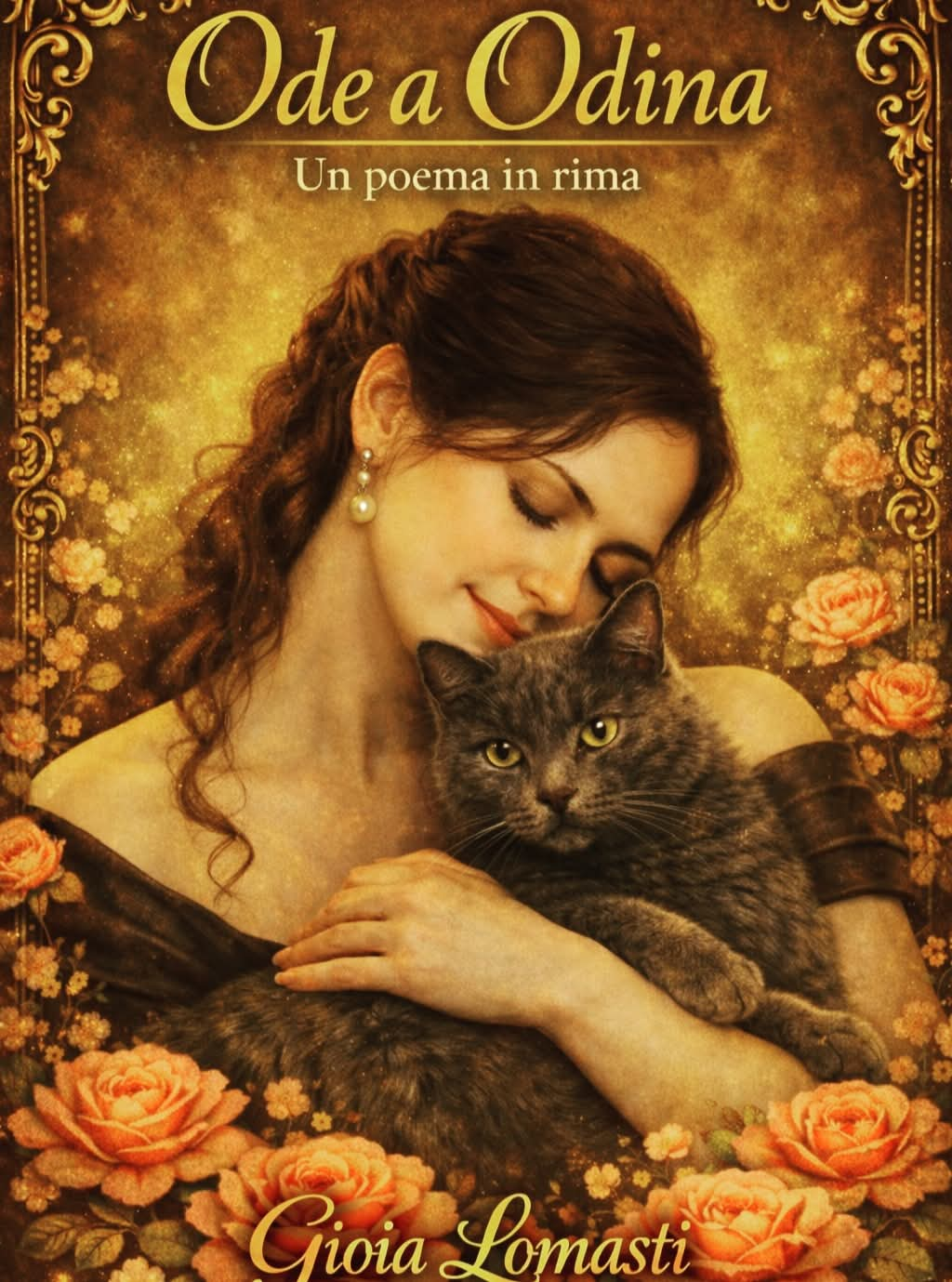
Gioia Lomasti’s Ode to Odina – A Poem in Rhyme Celebrates the Unconditional Love of Companion Animals
A poetic tribute to the bond between humans and animals, the new book will be available from December 2026 through Amazon, major online bookstores, and bookshops. A quiet encounter, a…
 thesilkroadtoday