The World Public Assembly as a Platform for Dialogue

On September 20−21, 2025, the Second Congress of the World Organization of Writers (WOW), a global platform dedicated to the development of literary cooperation between cultures, languages and continents, will take place the World Public Assembly (WPA).

The organization continues to expand its influence and horizons. After the successfully held its first Congress in Abuja, Nigeria, in 2024, WOW prepares for the second one. Under the inspiring slogan “We are People of the Same Planet,” the upcoming Congress will bring together prominent figures of world literature to participate in seven parallel round tables. Each of them will consider the most important aspects of global literary culture.

The first round table will focus on the role of writers’ communities in shaping the cultural and humanistic agenda, while the second will focus on the art of translation as a practice of preserving and spreading meanings. The participants of the third round table will discuss the role of media platforms in promoting literature. The topic of the fourth round table will be education and universities: literature as a vector of human development. The fifth one will bring together young writers and will focus on supporting a new generation of authors as an investment in the future. The sixth platform: book fairs, festivals, publishing houses — literary culture as a space of interaction, and finally, the seventh round table will cover the topic of drama and cinematogrphy.

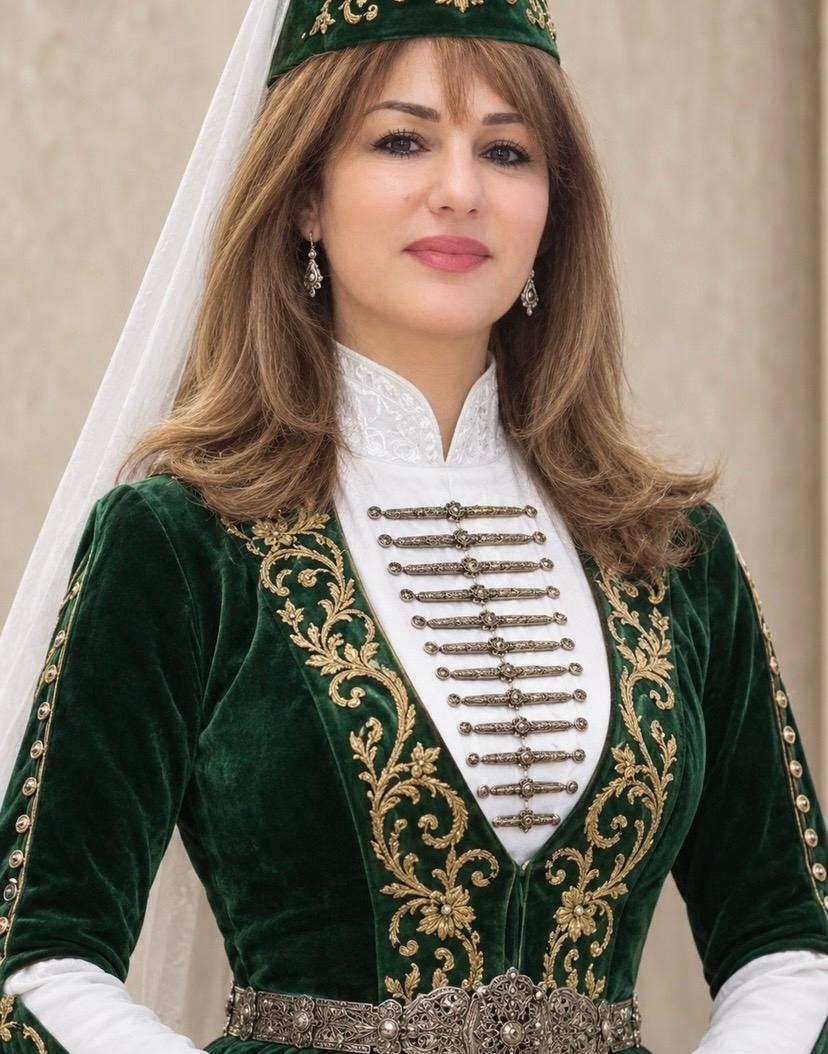
According to Margarita Al, President of the WOW World Organization of Writers, each area will become a point of growth, where literature is a form of responsibility for the world: “This is our strategic format, our little literary Babylon. We are simultaneously organizing seven round tables, seven topics, seven areas that do not compete, but overlap, each with a moderator and a strong speaker group. In the first part, participants discuss topics in a professional circle. In the second part, each group delegates a representative who presents the results and answers questions. This creates a lively, horizontal dialogue and allows you to make practical decisions. This is not a “sit down — break-up” format. This is “met and started the movement”. Dialogue as a form of thinking.”

Writers from Abkhazia, Azerbaijan, Algeria, Bangladesh, Belarus, Bolivia, Brazil, Burkina Faso, Burundi, Gambia, Ghana, Djibouti, Egypt, Zambia, India, Indonesia, Kazakhstan, Colombia, Congo, Cuba, Malawi, Morocco, Namibia, Nigeria, UAE, Rwanda, Senegal, Somaliland, Tajikistan, Tanzania, Montenegro, Ethiopia, South Africa have already confirmed their participation in the Congress in Moscow. In total, writers from more than 100 countries are expected to participate.

There is a possibility that all the WOW Award winners will meet for the first time at the congress. Traditionally, the WOW flag will be handed over: Nigeria, represented by writer Wale Okediran, passes the baton to Russia, represented by poet, UNESCO Goodwill Ambassador Alexandra Ochirova. On the last day of the Congress, the names of the next Award winners and the country of the third WOW Congress in 2026 will be announced.

“We want solutions: new translations, joint projects, and support programs. But the most important thing is to form working initiatives: resolutions, networking programs, plans for publications, festivals, so that each meeting does not end with a discussion, but launches a specific action aimed at strengthening international literary cooperation, so that everyone leaves with the feeling: “I am not alone, I am needed, and we have started something real.” – Margarita Al shared her expectations.

Related Posts

Cuba Opens Its Doors to the World’s Writers

International Literary Residence Launches a New Cultural Exchange Initiative **Havana, Cuba** – A new chapter in international literary and cultural cooperation is set to begin with the launch of the…

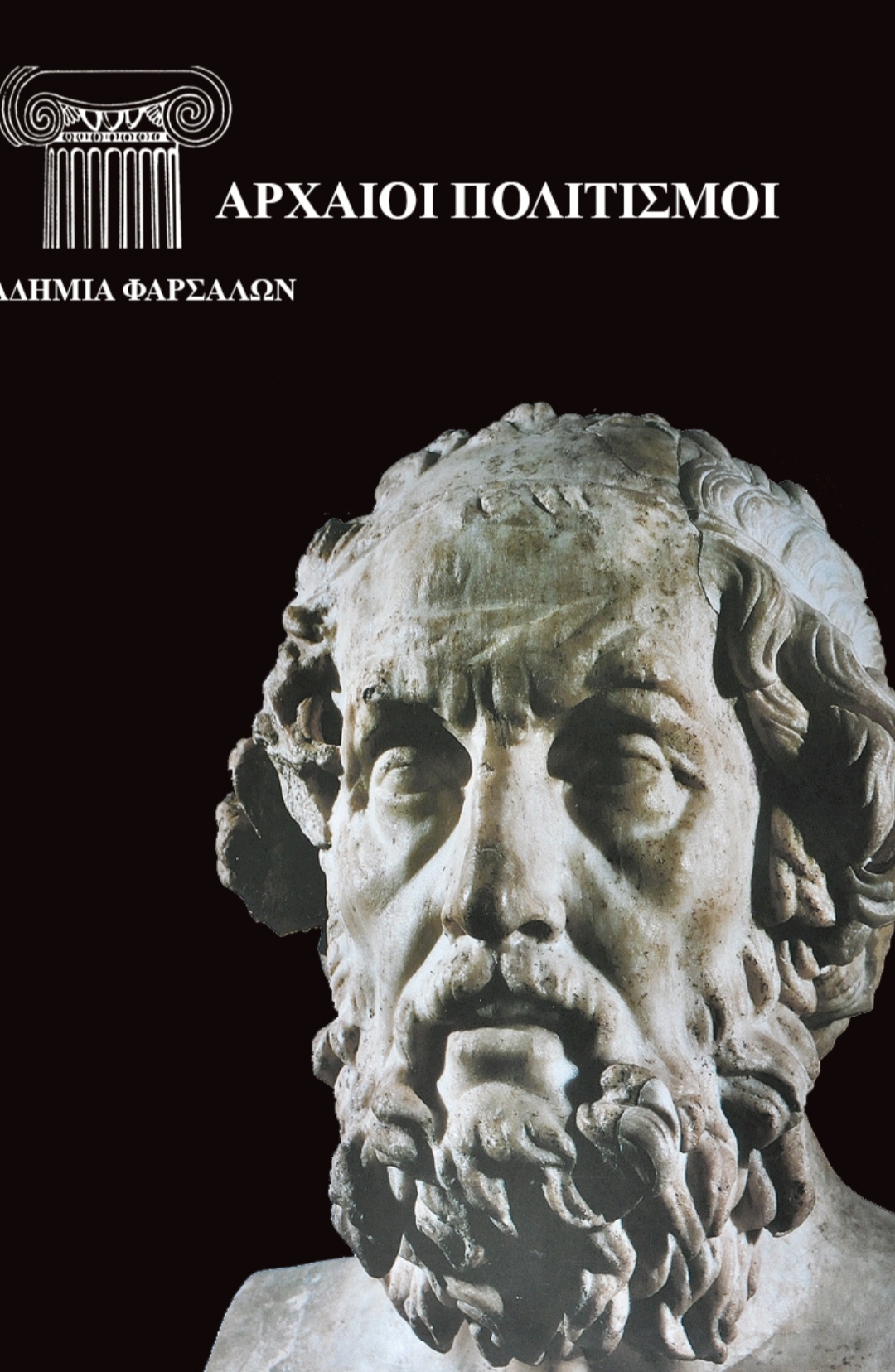
Homer: The Timeless Models of the Hero

Epic poetry, which began to develop in the early Geometric Period (1000 BC), reached its full maturity with Homer, who lived in the 8th century BC. Through his heroic epics, the Iliad and the Odyssey, Homer celebrates and brings together two fundamental models of heroism: Achilles, distinguished by his courage, willpower and right action, and Odysseus, distinguished by his prudence, skill in action, effectiveness and altruistic intelligence, which connects the hero with himself and with nature. Homer and Philosophy: Convergences and Analogies Through Time  Achilles’ right action, that is, action free from attachment to its fruits or outcomes, would later find expression in various philosophical traditions: in Plato, in Stoic philosophy (according to which virtue has value in and of itself), in Giordano Bruno and in Kant (acting out of duty, for the sake of duty itself). Plato considered that the philosopher’s primary task was to weave together the virtues of courage and prudence, harmonising will and wisdom. Furthermore, he believed that the fundamental task of the philosopher who becomes a statesman is to ensure the harmonious coexistence of all citizens within the fabric of social life. When a single ruler governs, it is essential that he combines the virtues of courage and prudence. When several rulers govern, courageous and prudent individuals must coexist. Homer in the Renaissance: The Harmony of Strength and Wisdom  The representatives of the Renaissance spirit sought to overcome the contradictions and conflicts of their time and to create a better world. This desire for change led them to seek inspiration in the classical world. Ancient thought was revived through philosophy, while myths and symbols re-emerged through art, particularly painting. Giordano Bruno symbolically portrayed the harmony between strength and wisdom in his work On the Composition of Images, Signs and Ideas, through the figure of a man holding a sceptre in his right hand and a book in his left, symbolising power and wisdom respectively. Paolo Veronese also depicted the symbolic union of strength and wisdom in his painting Allegory of Strength and Wisdom. The painting portrays Hercules, whose gaze is directed towards the earthly world, alongside a female figure representing wisdom, whose gaze is directed towards the celestial and spiritual world. Homer in the Contemporary World: The Timeless Relevance of His Values  Courage Leads to Prudence  A courageous person follows the golden mean. They avoid extremes, both recklessness and cowardice. They maintain their inner balance and do not allow difficulties, despair, melancholy or sorrow to dominate their thoughts and behaviour. Courage helps them overcome psychological and physical difficulties, master their impulses and preserve their inner strength. Prudence, on the other hand, enables them to distinguish right from wrong and to choose the appropriate course of action. Courage without prudence can turn into recklessness, while prudence without courage can remain inactive knowledge. The true fulfilment of the human being lies in the harmonious coexistence of courage and prudence, of strength and wisdom. This is perhaps the timeless message that we can draw from Homer and carry into the contemporary world. Thank you very much for your attention. Yannis K. Fikas President of the Academy of Farsala

اترك تعليقاً

لن يتم نشر عنوان بريدك الإلكتروني. الحقول الإلزامية مشار إليها بـ *