العينان | للشاعرة بينا (سركار إلياس) – الهند

العينان

بينا (سركار إلياس) – الهند
فلسطين | قصيدة كل يوم

العينان
عينا فلاح زيتون
هما مليون قبر
لرفاقه في الوطن
تحكيان عن الحب والفقد،
عن الأحلام والموت
التي لاحقته
منذ خرج
من رحم أمه
الموجوع.

العينان
لعلماء دين زاحفين
هما مليون قبر
لأطفال سُحقوا
بسمّ شيطاني
سُكِب على أيدي “رجال دين”
يتلون بجلال مصطنع
الآية التاسعة عشرة
من الإصحاح الخامس والعشرين
في التوراة،
التي خطّها موسى الأسطوري
بأقلام كتبة غامضين
عبر القرون~
مبرّرين بها محو
أرواح بريئة
لرضّع أبرياء
بذريعة كونهم “تهديدًا محتملاً”
لكنْ، لأي أرض؟
لكنْ، لمن؟
لكنعان التي عُرفت يومًا
أو لفلسطين،
أو للأرض المقدسة~
التي تُدعى اليوم إسرائيل،
الغارقة في حقدٍ
لا قداسة فيه.

العينان
لطفل ينزف
هما مليون قبر
شهادة دامية
على انعدام الإنسانية.


📝 ملاحظات توضيحية من الشاعرة:

  • الحاخام الإسرائيلي دوف ليئور (91 عامًا) يدعم القتل الجماعي.

  • الحاخامان يتسحاق شابيرا ويوسف إليتسور شاركا في تأليف كتاب “توراة الملك”، الذي يجيز قتل الأطفال والرضّع غير اليهود:

“هناك مبرر لقتل الأطفال الرضّع إذا كان واضحًا أنهم سيكبرون ليؤذونا، وفي هذه الحالة يمكن استهدافهم عمدًا، وليس فقط أثناء القتال مع البالغين.”


عن الكاتبة:
بينا (سركار إلياس) شاعرة وكاتبة وقيّمة فنية ومؤسسة ورئيسة تحرير ومصممة وناشرة لمجلة Gallerie العالمية منذ 1997، والتي أصدرت أكثر من 50 عددًا.
هي مؤلفة كتاب “الكتاب الكبير للفن الهندي”، ونُشرت لها ثمانية دواوين شعرية، تُرجمت قصائدها إلى لغات متعددة من بينها العربية، الإسبانية، الفرنسية، اليونانية، الصينية، الأردية، والتاغالوغ.
أحدث معارضها الشعرية والفنية كان بعنوان: “حر، جريء، وخيالي” في صالة Pen & Brush بمدينة نيويورك، الولايات المتحدة.
تعيش وتعمل في مدينة بومباي، الهند.

The Two Eyes by Bina (Sarkar Ellias), India

Palestine | A Poem Every Day


The Two Eyes

the two eyes

of an olive farmer

are a million graves

for his countrymen

speaking of love and loss,

of dreams and death

that have haunted

his life since he emerged

from his mother’s

aching womb.


the two eyes

of reptilian rabbis

are a million graves

for children crushed

by the demonic

venom of “holy men”

who with groomed gravitas

recite the 19th verse

of the 25th chapter

from the Torah,

scripted by mythical Moses

of mysterious scribes

through centuries~

justifying the erasure

of innocent infants

as a possible threat

to the once known

Canaan, or Palestine

or the Holy Land~

now Israel, mired

in its unholy rancour.


the two eyes

of a bleeding child

are a million graves

a bleeding testament

to inhumanity.


#91 years old Israeli Rabbi Dov Lior supports mass killing.

#Rabbis Yitzak Shapira & Rabbi Yosef Elitzur Co-authored the book “The King’s Torah”, sanctioning the killing of non-Jewish children and babies: “There is justification for killing babies if it is clear that they will grow up to harm us, and in such a situation they may be harmed deliberately, and not only during combat with adults.”


Bina (Sarkar Ellias)  is a poet, writer, art curator and founder-editor-designer-publisher of the global magazine Gallerie, since 1997 and has 50 volumes. Author of ‘The Big Book of Indian Art’, she has had eight books of her poetry published and poems translated into Mandarin, Tagalog, Telugu, Spanish, French, Greek, Arabic and Urdu. She recently curated the Art & Poetry show ‘Free, Fearless, Fantastical’ at the Pen & Brush Gallery, NY, USA. Bina lives and works from Bombay, India

Related Posts

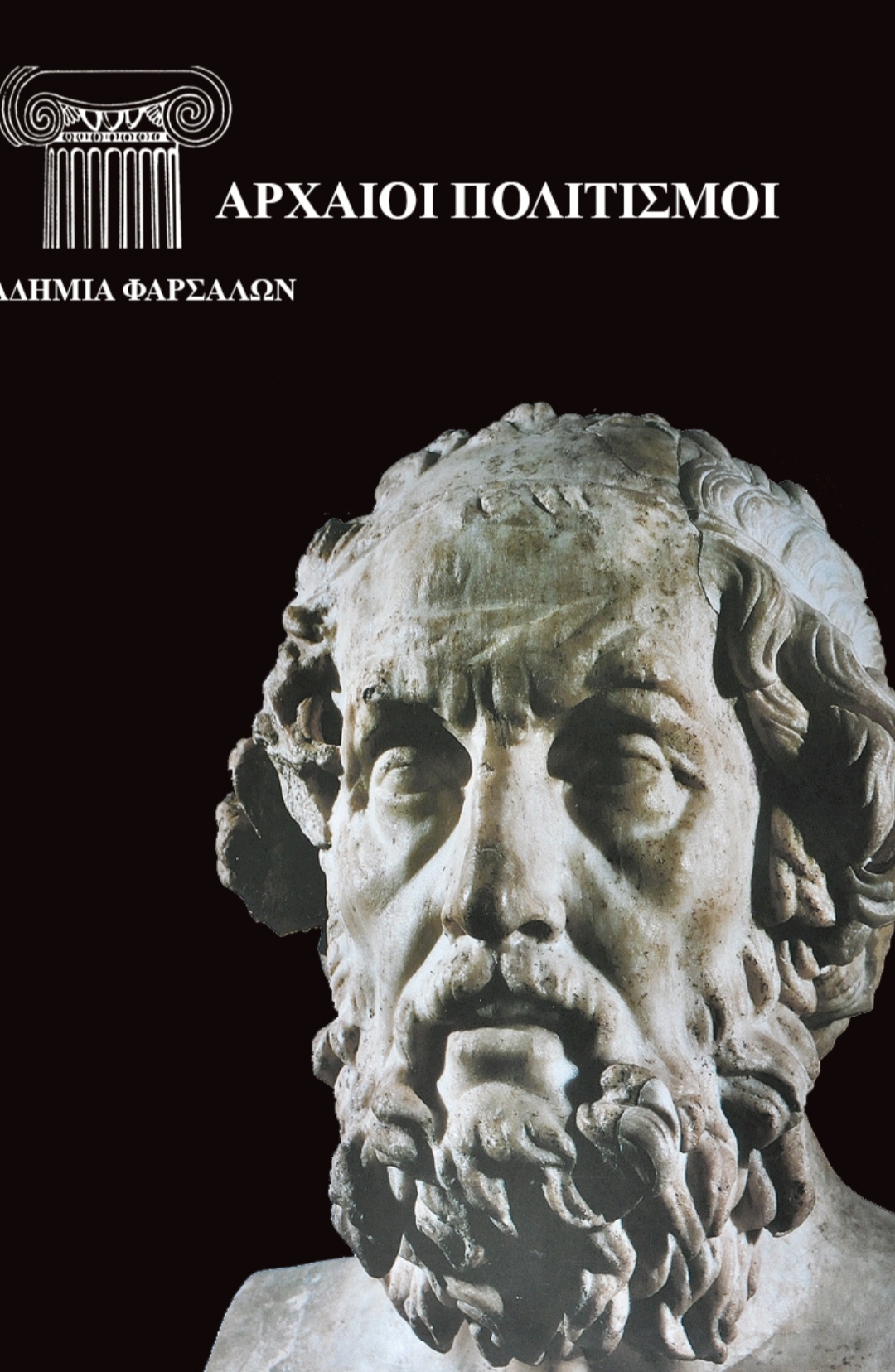
Homer: The Timeless Models of the Hero

Epic poetry, which began to develop in the early Geometric Period (1000 BC), reached its full maturity with Homer, who lived in the 8th century BC. Through his heroic epics, the Iliad and the Odyssey, Homer celebrates and brings together two fundamental models of heroism: Achilles, distinguished by his courage, willpower and right action, and Odysseus, distinguished by his prudence, skill in action, effectiveness and altruistic intelligence, which connects the hero with himself and with nature. Homer and Philosophy: Convergences and Analogies Through Time  Achilles’ right action, that is, action free from attachment to its fruits or outcomes, would later find expression in various philosophical traditions: in Plato, in Stoic philosophy (according to which virtue has value in and of itself), in Giordano Bruno and in Kant (acting out of duty, for the sake of duty itself). Plato considered that the philosopher’s primary task was to weave together the virtues of courage and prudence, harmonising will and wisdom. Furthermore, he believed that the fundamental task of the philosopher who becomes a statesman is to ensure the harmonious coexistence of all citizens within the fabric of social life. When a single ruler governs, it is essential that he combines the virtues of courage and prudence. When several rulers govern, courageous and prudent individuals must coexist. Homer in the Renaissance: The Harmony of Strength and Wisdom  The representatives of the Renaissance spirit sought to overcome the contradictions and conflicts of their time and to create a better world. This desire for change led them to seek inspiration in the classical world. Ancient thought was revived through philosophy, while myths and symbols re-emerged through art, particularly painting. Giordano Bruno symbolically portrayed the harmony between strength and wisdom in his work On the Composition of Images, Signs and Ideas, through the figure of a man holding a sceptre in his right hand and a book in his left, symbolising power and wisdom respectively. Paolo Veronese also depicted the symbolic union of strength and wisdom in his painting Allegory of Strength and Wisdom. The painting portrays Hercules, whose gaze is directed towards the earthly world, alongside a female figure representing wisdom, whose gaze is directed towards the celestial and spiritual world. Homer in the Contemporary World: The Timeless Relevance of His Values  Courage Leads to Prudence  A courageous person follows the golden mean. They avoid extremes, both recklessness and cowardice. They maintain their inner balance and do not allow difficulties, despair, melancholy or sorrow to dominate their thoughts and behaviour. Courage helps them overcome psychological and physical difficulties, master their impulses and preserve their inner strength. Prudence, on the other hand, enables them to distinguish right from wrong and to choose the appropriate course of action. Courage without prudence can turn into recklessness, while prudence without courage can remain inactive knowledge. The true fulfilment of the human being lies in the harmonious coexistence of courage and prudence, of strength and wisdom. This is perhaps the timeless message that we can draw from Homer and carry into the contemporary world. Thank you very much for your attention. Yannis K. Fikas President of the Academy of Farsala

أيام العمر |  سيرة يرويها الفنان د. كمال هاشم

١. أيام الطفولة الباكرة في حي بُرّي العريق بالخرطوم، كانت صرختي الأولى في الحياة، في يوم شتوي وافق السادس عشر من يناير عام ١٩٦٢م. هناك بدأت رحلتي مع الدنيا، دون…

اترك تعليقاً

لن يتم نشر عنوان بريدك الإلكتروني. الحقول الإلزامية مشار إليها بـ *