 thesilkroadtoday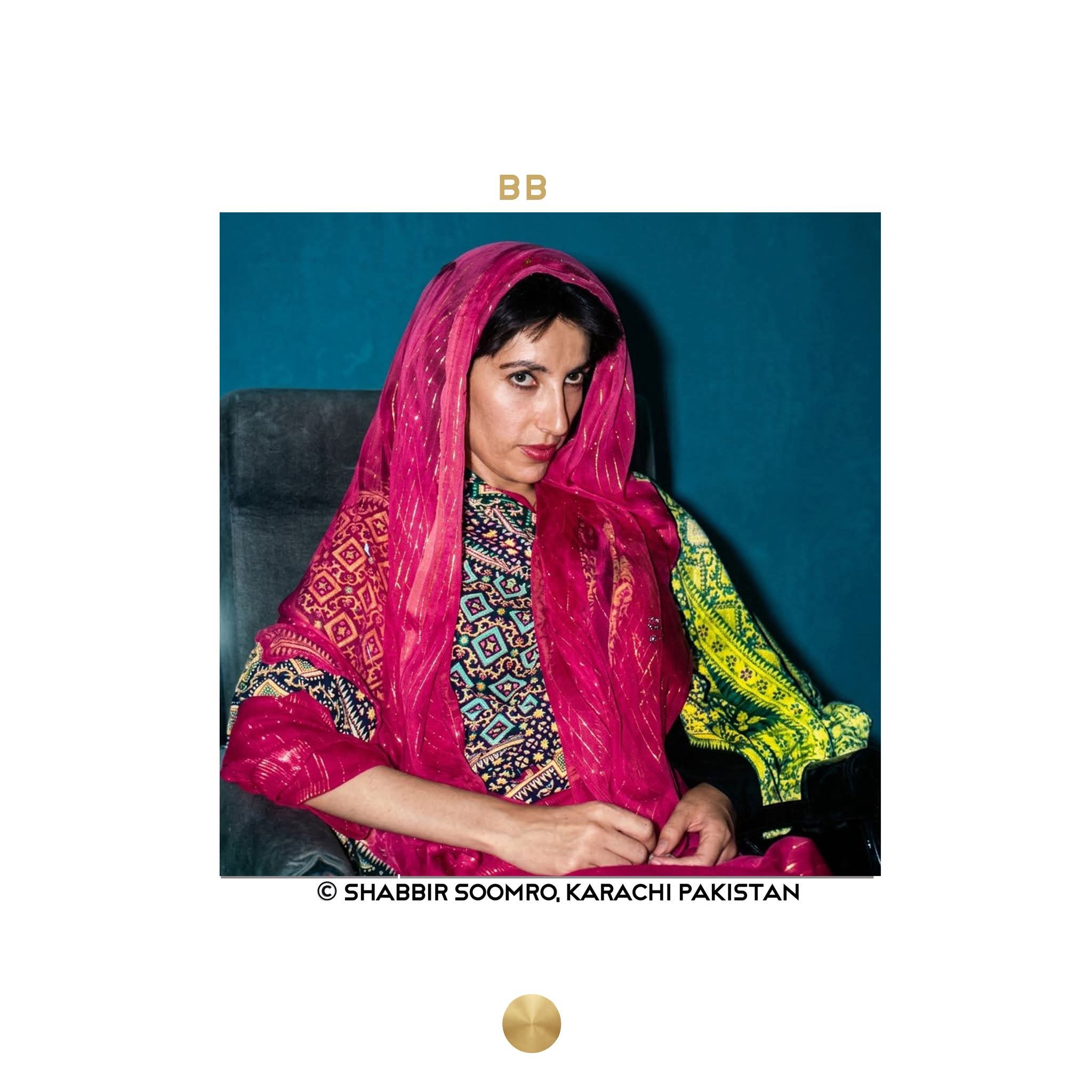

By Dr. Ashraf Aboul-Yazid
In Lens ‘W’ Life: Colours of Sindh, Pakistani poet, writer, translator, publisher, and photographer Shabbir Soomro transforms the camera into both a witness and an artistic instrument. Published by Irtequas Publishers, Karachi, the book presents Sindh—and particularly the vibrant urban landscape of Karachi—through a visual language that brings together documentary photography and aesthetic contemplation.
What distinguishes Soomro’s work is his ability to look beyond the obvious. His lens does not merely record streets, faces, buildings, landscapes, or everyday scenes; it searches for the human presence within them. Karachi appears not simply as a metropolis, but as a living organism whose identity is shaped by its people, colors, memories, movement, architecture, and changing social realities.

The book’s title, Lens ‘W’ Life, suggests a relationship between photography and existence: the lens becomes a means of reading life. In Soomro’s hands, photography is not detached observation. It is an encounter with people and places, an attempt to preserve fleeting moments before they disappear into the continuous movement of the city.
Karachi Through an Artistic Eye
Karachi occupies a special place in Pakistan’s cultural imagination. It is a city of extraordinary contrasts, where traditional forms of life coexist with modern urban realities. Soomro’s photographic vision captures these contrasts without reducing them to stereotypes. His images invite the viewer to pause and examine details that might otherwise pass unnoticed.
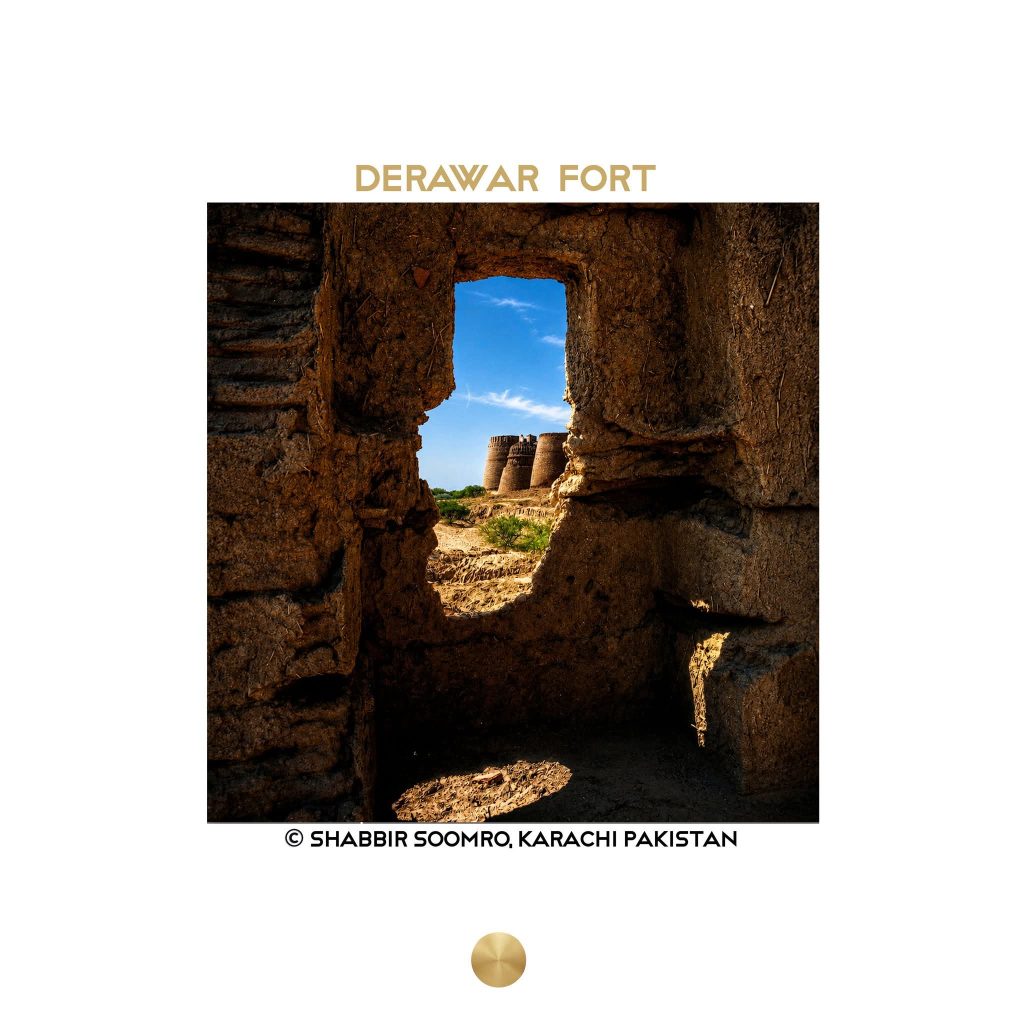
This is where the documentary dimension of the book becomes particularly important. The photographs constitute a visual archive of contemporary Sindh. They preserve fragments of daily life, cultural identity, public spaces, human expressions, and the visual character of communities.
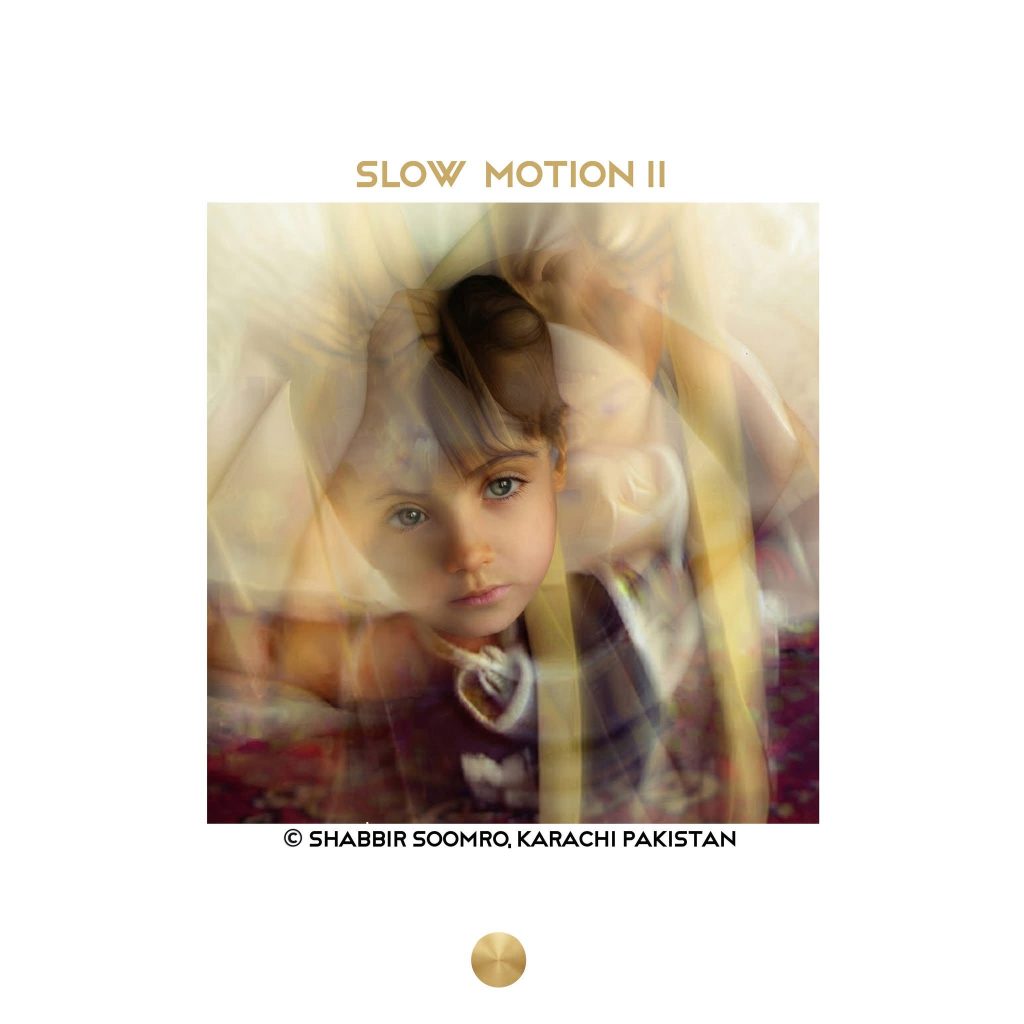
Yet Lens ‘W’ Life is not simply a documentary catalogue. Its photographs possess an evident concern for composition, light, color, atmosphere, and visual rhythm. Documentation and beauty therefore meet on the same page. Reality is preserved, but it is preserved through the eye of an artist.

The Poet Behind the Camera

Soomro’s identity as a poet and writer adds another dimension to his photography. A poet is accustomed to finding meaning in small details: a gesture, a shadow, a face, a fragment of architecture, a particular color, or an apparently ordinary moment.
His camera consequently behaves almost like a poetic instrument. Where a poem uses words to create an image, Soomro uses the image itself to suggest a story.
This relationship between literature and photography is central to understanding the character of the book. The photographer does not merely ask, What do I see? He also asks, What does this scene tell us about the people who inhabit it? What memory does it preserve? What story might exist behind this face or place?
Documenting Memory
In an age of rapid urban transformation, photographic books acquire an additional cultural value. Cities change, neighborhoods disappear, buildings are transformed, traditions evolve, and generations replace one another. Photography can preserve what the passage of time threatens to erase.
Through Lens ‘W’ Life, Shabbir Soomro contributes to this preservation of visual memory. His photographs can be read as individual artistic works, but collectively they form something larger: a portrait of a place and its people.
The book thus belongs to two worlds simultaneously. It belongs to the world of fine art photography, where visual beauty and artistic expression matter, and to the world of documentary photography, where the photographer assumes the responsibility of witnessing reality.

A Multidisciplinary Cultural Figure
Soomro’s work is further enriched by his activities as a writer, poet, translator, and content producer. These different forms of cultural expression converge in his photographic practice. His literary sensibility gives his images narrative depth, while his photographic eye allows him to approach written subjects through visual storytelling.
The result is a body of work in which words and images appear as complementary languages. One records, the other interprets; one describes, the other evokes.
The introductory text by Saiful Amin Kazal of Dhaka, Bangladesh, also places Soomro within the wider contemporary tradition of visual storytelling, emphasizing his capacity to connect aesthetic fine art with documentary realism.

Sindh in Colours
The subtitle, Colours of Sindh, is especially significant. Color here is not merely a technical or decorative element. It is part of the cultural vocabulary of the region. Through color, clothing, streets, architecture, landscapes, and human activity acquire a distinctive visual identity.
Soomro’s achievement lies in recognizing that beauty and documentation need not be opposites. A photograph can be beautiful while remaining faithful to reality; it can document a social environment while also revealing its poetry.
Lens ‘W’ Life: Colours of Sindh therefore deserves to be viewed not only as a photography book but also as a visual document of contemporary Pakistan. It records moments, but it also preserves atmosphere; it portrays places, but also the people who give those places meaning.
Ultimately, Shabbir Soomro’s lens becomes a bridge between life and memory, documentation and beauty, journalism and art, and the visible world and the stories hidden within it. Through Karachi and Sindh, he reminds us that photography can do more than show us what exists: it can teach us how to look.