 thesilkroadtoday
A literary and philosophical dialogue explores the relationship
between memory, humanity, the universe and the future of civilization.
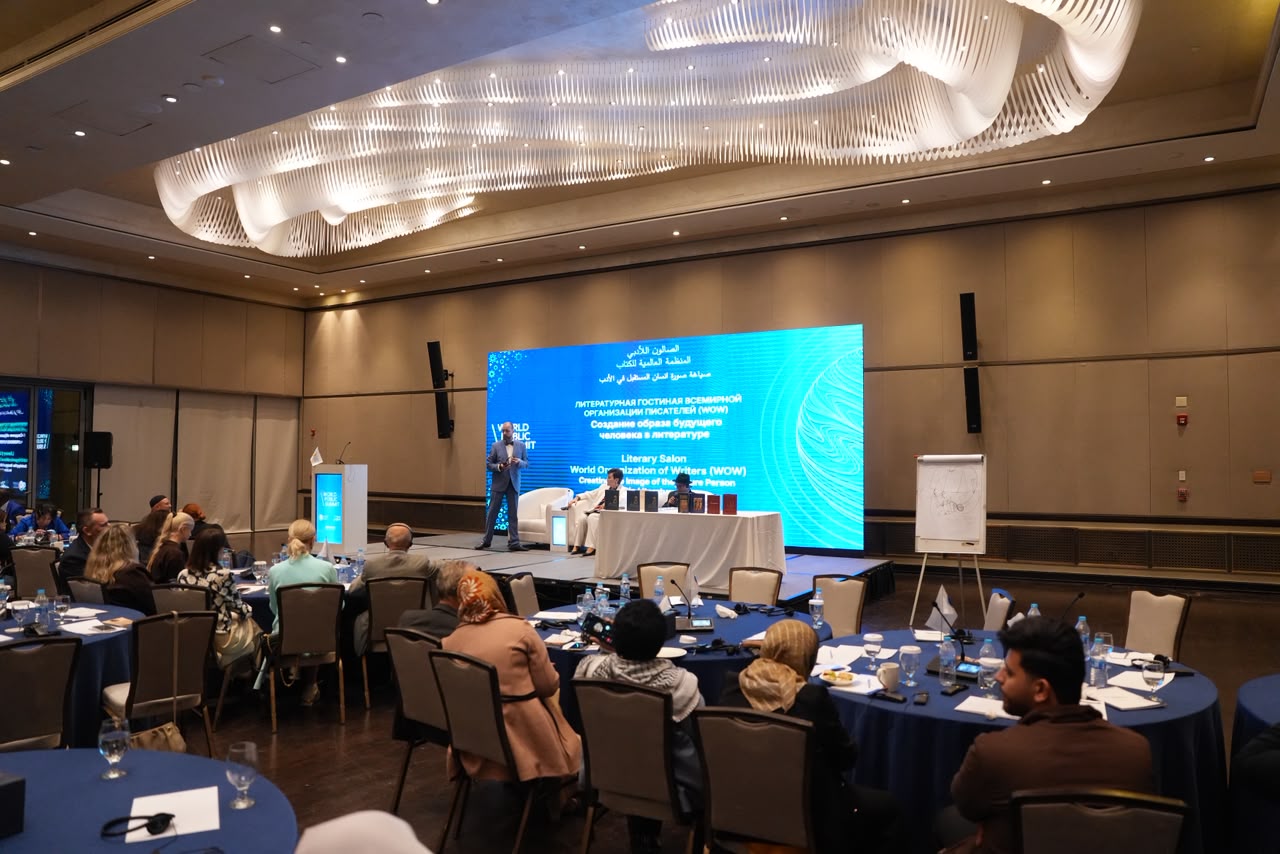
Amman, Jordan – 9 November 2026
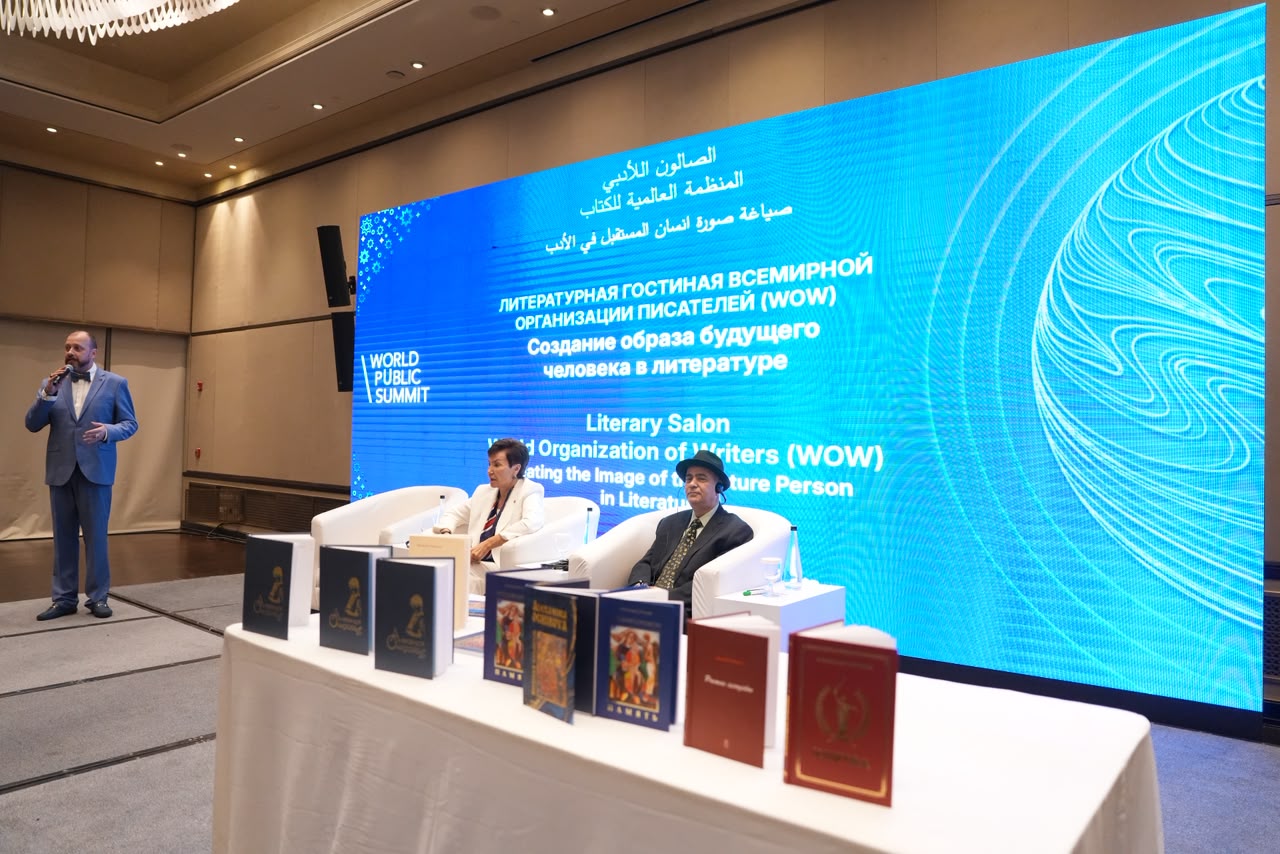
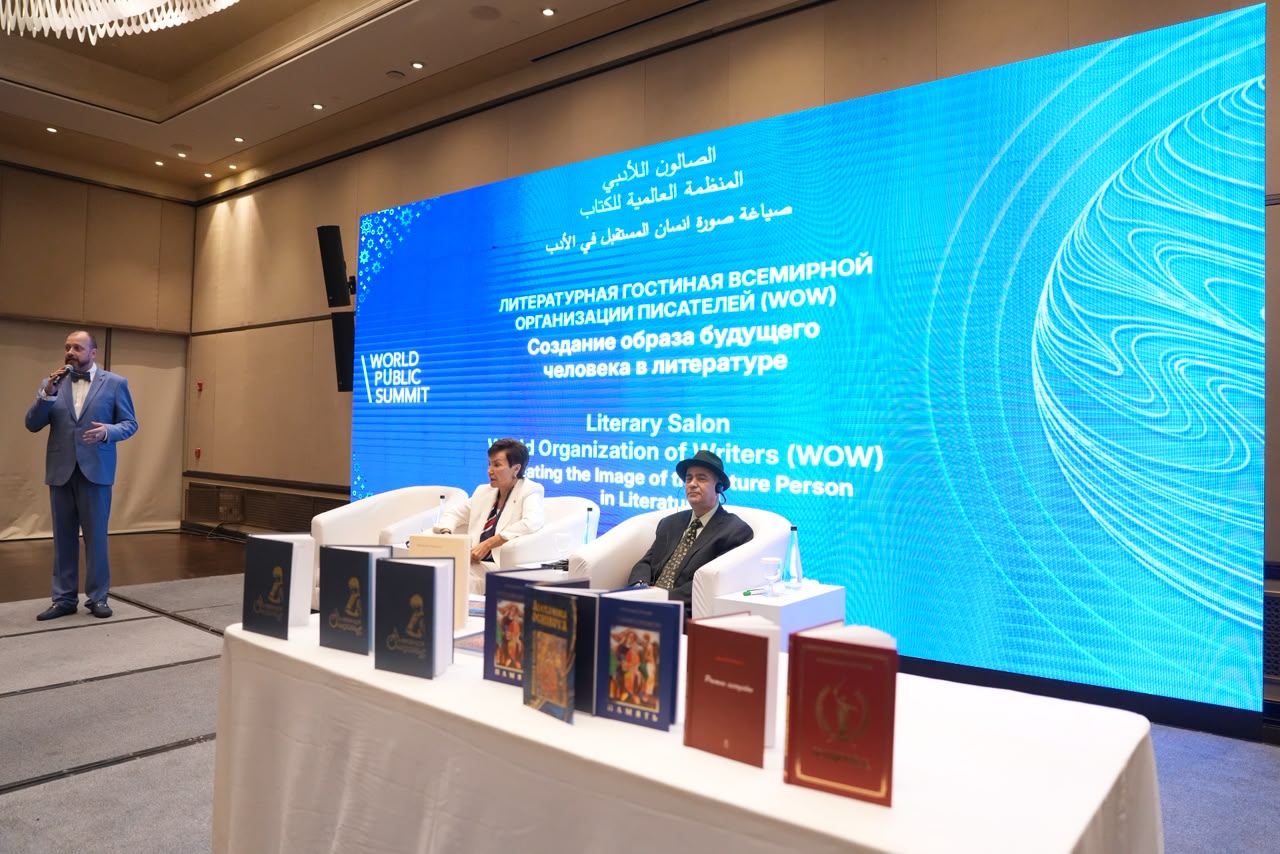
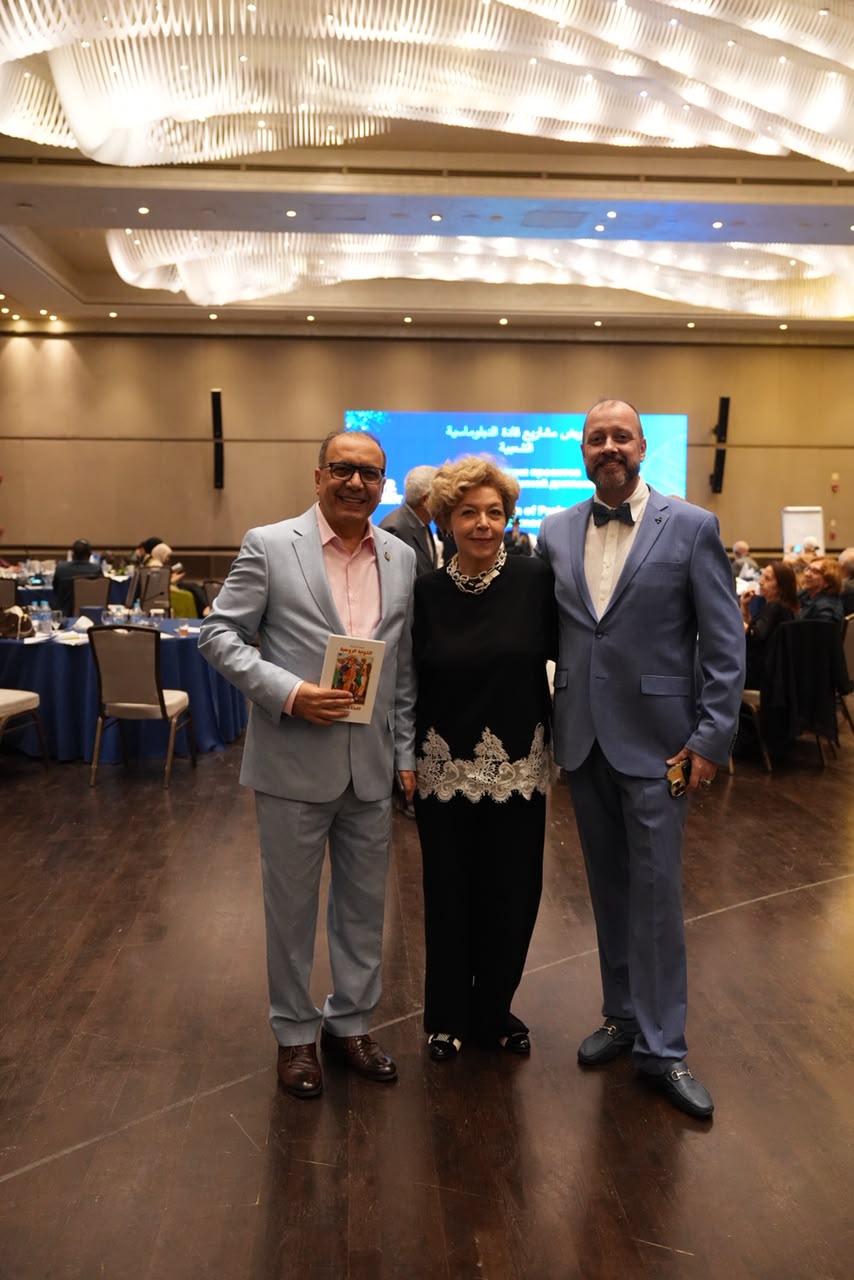
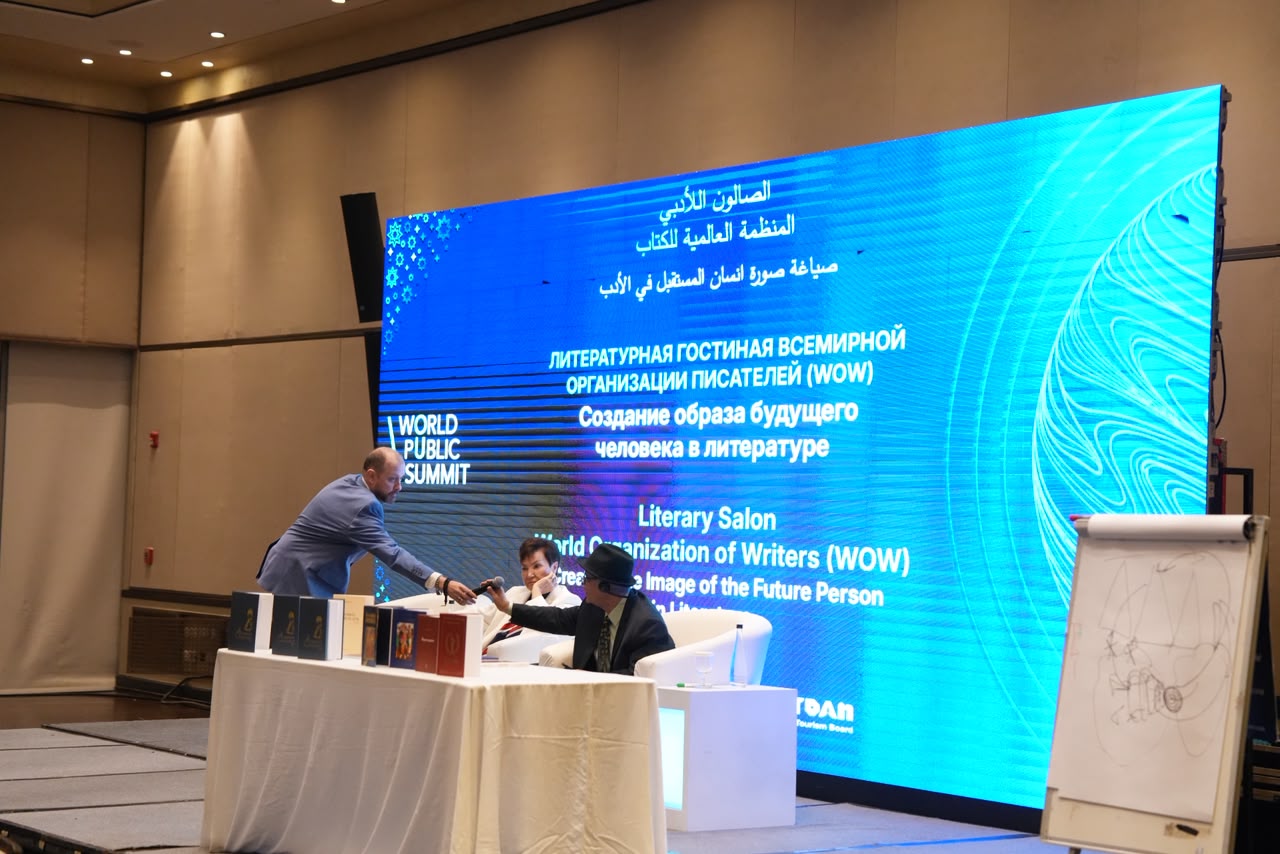
A special literary and intellectual event dedicated to the presentation of Russian Cosmism: Memory, a book by distinguished Russian poet, writer and cultural figure Dr. Alexandra Ochirova, took place on 9 November 2026 at the Signia by Hilton Amman, as part of the First World Public Summit: Arab World – Dialogue, Cultural Heritage and Partnership for Our Common Future, organized by the World Peoples Assembly in cooperation with the Arab Peace Group.

The event brought together writers, intellectuals, cultural figures and representatives of international organizations to explore the philosophical and cultural dimensions of Russian Cosmism, one of the distinctive intellectual traditions in Russian thought.
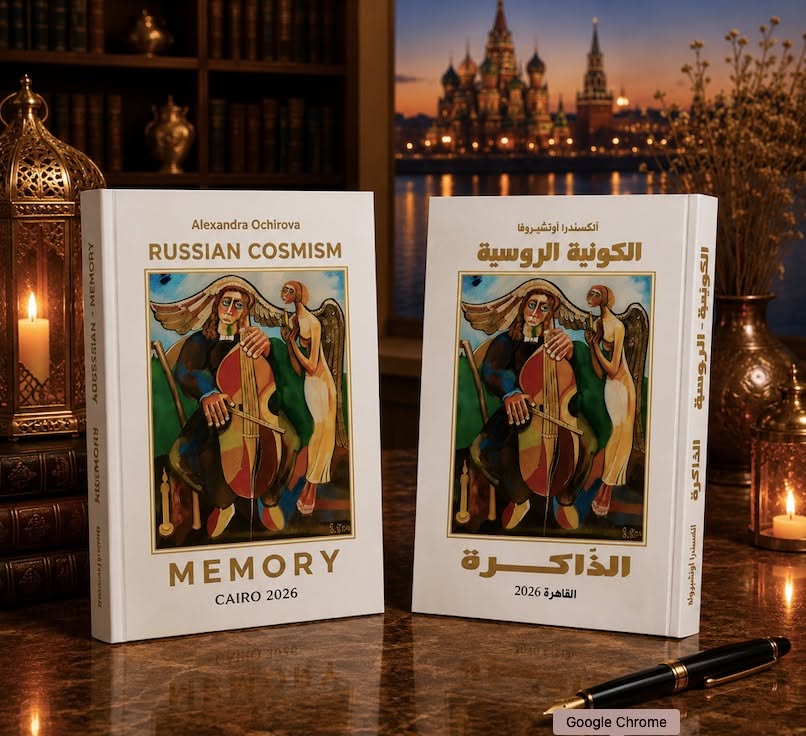
Authored by Dr. Alexandra Ochirova, UNESCO Goodwill Ambassador, member of the Commission of the Russian Federation for UNESCO and Co-chair of the Supreme Consultative Council of the World Peoples Assembly, the book opens a dialogue on the relationship between humanity and the universe, the role of memory in preserving civilization, and the intellectual and spiritual aspirations that shape humanity’s understanding of its past, present and future.
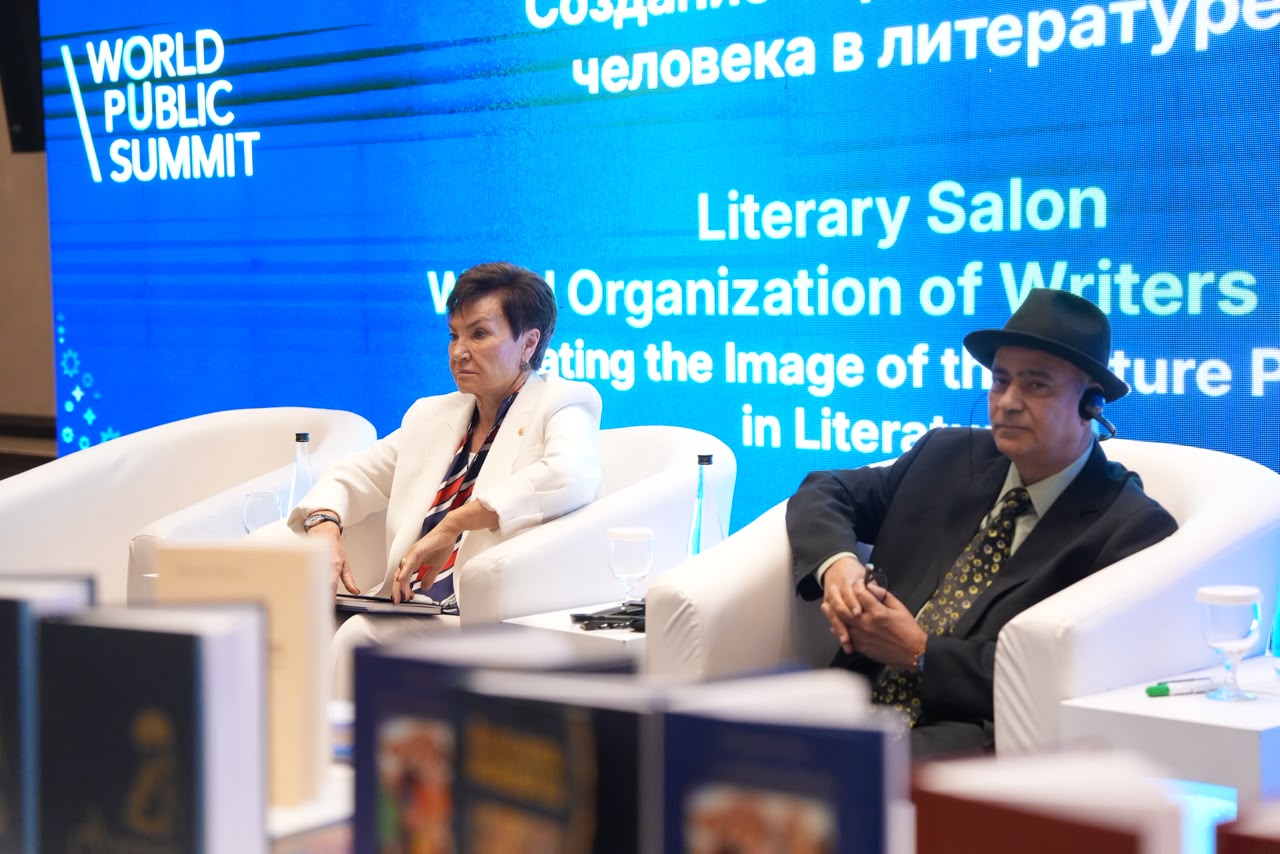
The presentation highlighted the significance of memory as more than a record of historical events. It was approached as a living cultural force that connects generations, preserves collective identity and enables societies to carry their accumulated knowledge and experience into the future. Within this perspective, Russian Cosmism offers a distinctive framework for reflecting on humanity’s place in the universe and its responsibility towards the future of civilization.
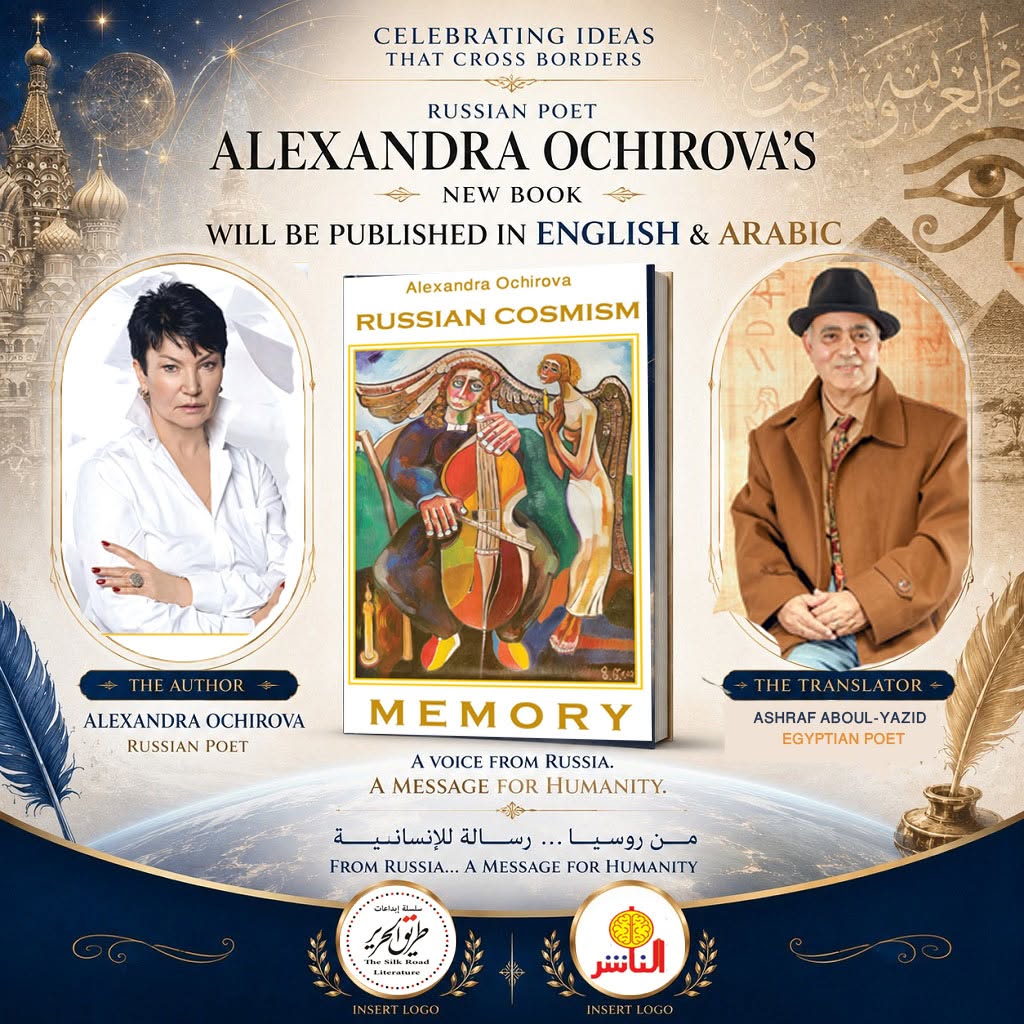
A particularly significant feature of the publication is its availability in three languages: Russian, Arabic and English. This multilingual edition reflects the importance of cultural exchange and intellectual communication across linguistic and geographical boundaries, making the ideas of the book accessible to a wider international readership.
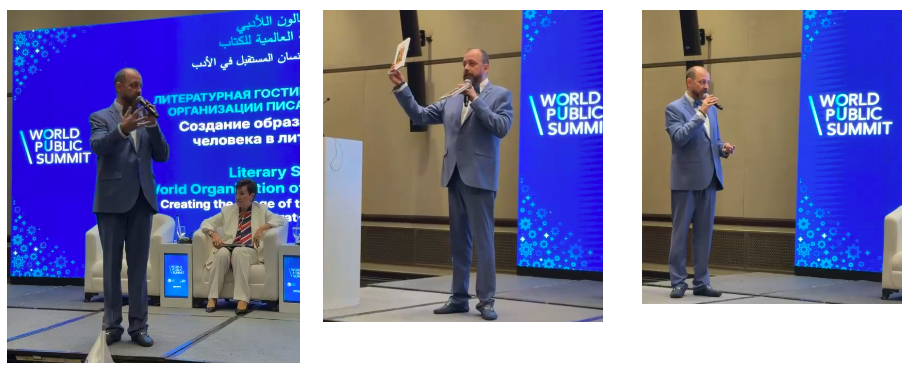
The session was moderated by Andrey Yavny, Advisor to the Chair of the General Council of the World Peoples Assembly, writer and Doctor of Philosophical Sciences, Russia, alongside Ashraf Aboul-Yazid, Egyptian writer, poet, translator and researcher of cultural heritage, Secretary-General of the Congress of African Journalists and Vice-President of the World Organization of Writers (WOW).
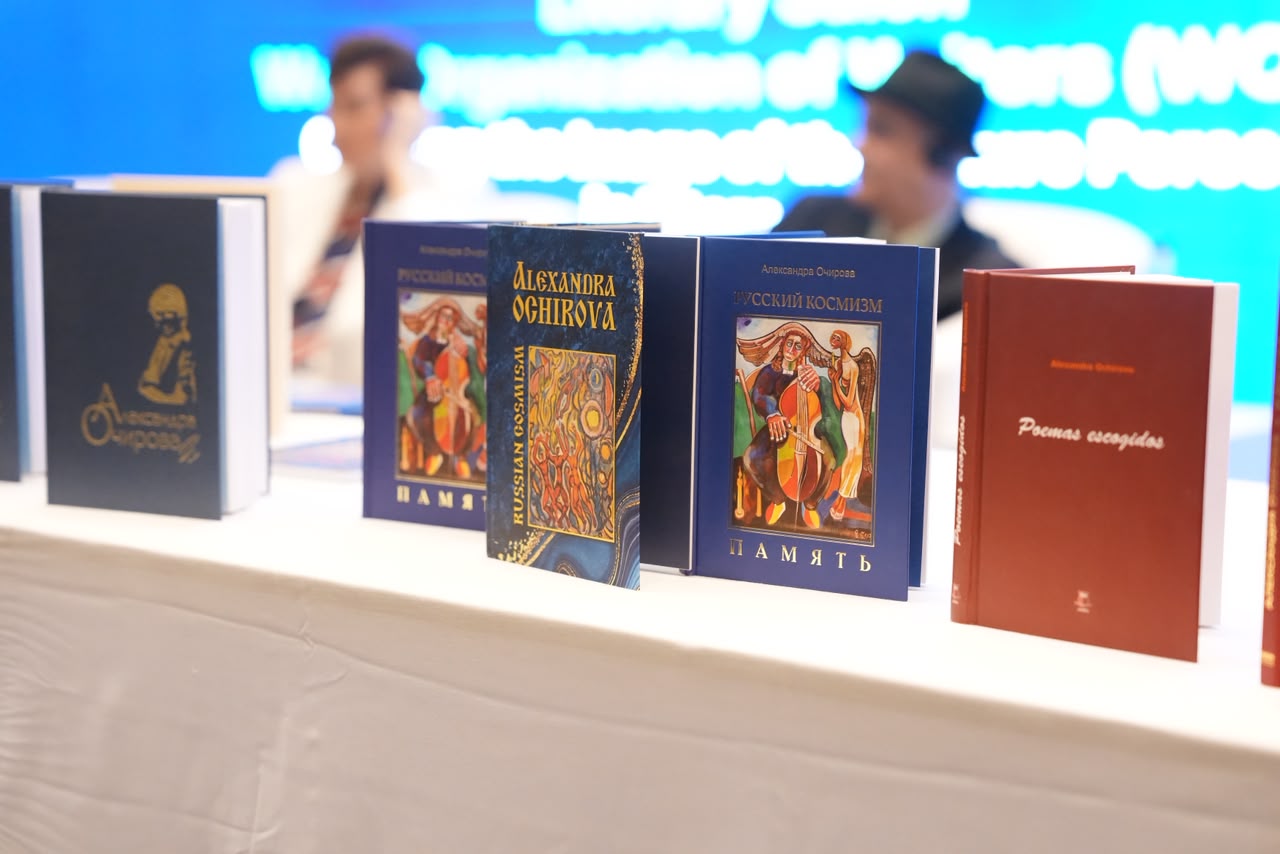
In his reflection on Russian Cosmism: Memory, Andrey Yavny emphasized that memory should not be understood merely as nostalgia or a return to the past, but as a fundamental dimension of human existence, shaping our awareness of our place in the universe. It preserves the identity of peoples, connects generations and safeguards the continuity of civilization through historical transformations. From this perspective, Russian Cosmism transcends the boundaries of a national philosophical tradition, offering a universal humanistic vision of humanity’s shared destiny.
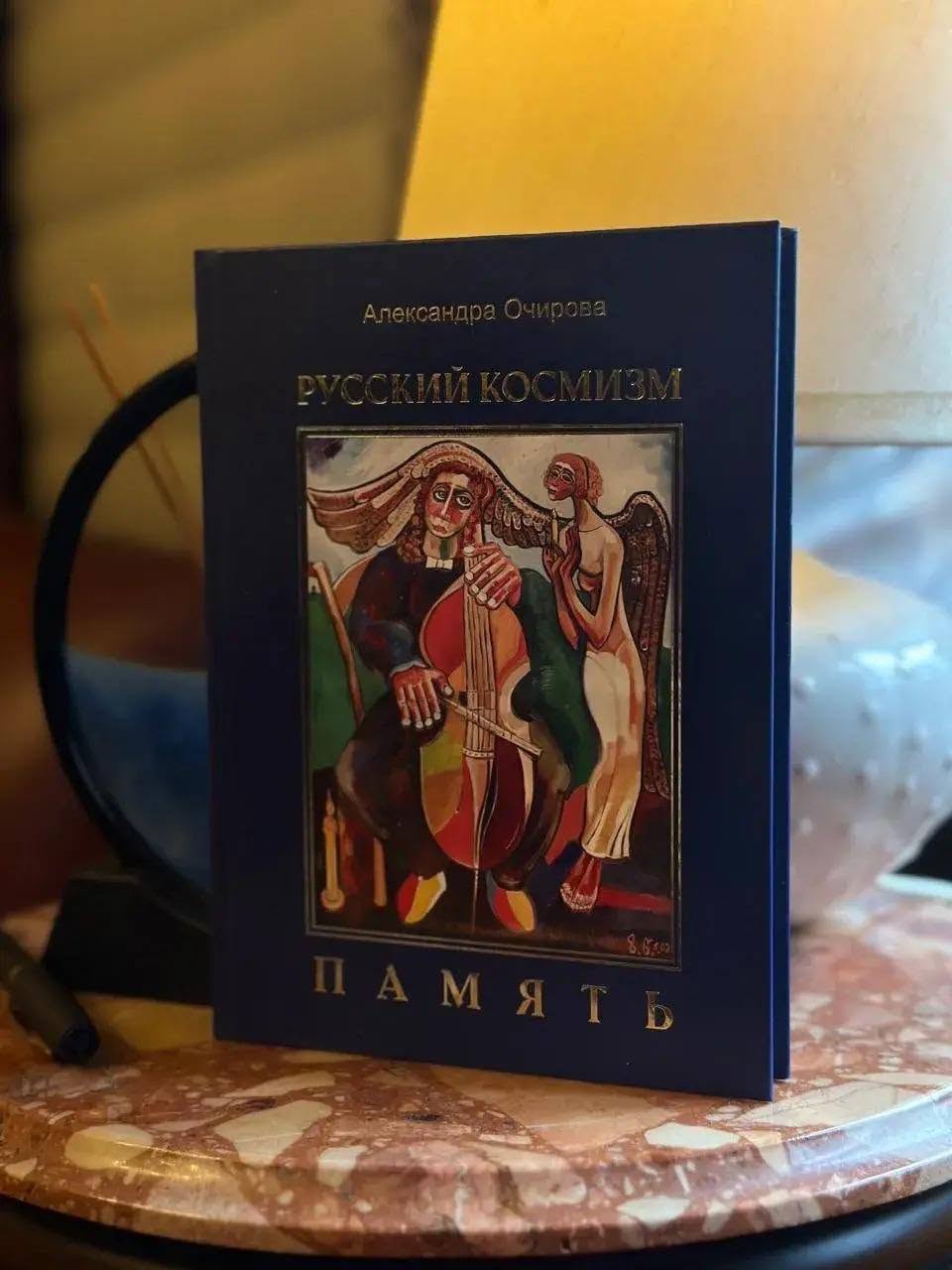
Yavny also highlighted the meaningful dialogue between poetry and visual art in the book, where Alexandra Ochirova’s poetic expression meets the artistic works of Zurab Tsereteli, creating a unified philosophical and aesthetic experience. He further underlined the importance of literature, translation and multilingual publishing as bridges between civilizations, enabling intellectual traditions to cross linguistic and cultural borders and become part of humanity’s common heritage.
During the presentation, Yulia Petrova, Deputy Secretary-General of the World Peoples’ Assembly and Professor at the Financial University under the Government of the Russian Federation, and Ekaterina Velichkina, media blogger, Russia, shared their perspectives on the philosophical foundations and contemporary significance of Russian Cosmism. Their contributions explored its relevance to questions of cultural identity, collective memory and human existence, as well as its broader implications for understanding humanity’s place in the universe and envisioning the future of civilization.
The presentation was enriched by poetry readings that brought the book’s ideas to life across languages and cultures. Alexandra Ochirova read selected poems in the original Russian, while the Arabic translator presented their Arabic versions, allowing the audience to experience the poetic voice and philosophical depth of the work in both languages. The readings offered a vivid example of how translation preserves the spirit of poetry while opening new paths of communication between cultures.
In his critical presentation, Dr. Ashraf Aboul-Yazid offered a reading of Russian Cosmism: Memory as far more than a collection of poetry, describing it as a philosophical and spiritual meditation on the relationship between humanity, time and the universe. Drawing on five interconnected pillars—memory, time, family, history and Motherland—he explored how Alexandra Ochirova transforms memory from a simple act of recalling the past into a living force that preserves identity, confronts oblivion and gives human existence a sense of continuity beyond death.
He emphasized that family represents the first archive of memory, where values and emotional inheritance pass between generations, while history expands this intimate experience into collective consciousness and civilizational responsibility. He also examined the profound parallel between the mother and the Motherland, both serving as sources of belonging, identity and inherited values. Another significant aspect of his reading was the relationship between poetry and visual art, particularly the dialogue between Ochirova’s verses and Zurab Tsereteli’s illustrations. He concluded that the book’s deepest achievement lies in connecting the smallest human experience with the vastness of the cosmos, presenting poetry and memory as enduring bridges between generations, civilizations and humanity’s search for eternity.
The presentation of Russian Cosmism: Memory was therefore not simply a book launch, but an invitation to reconsider the connections between civilizations and to recognize the intellectual and cultural heritage that humanity shares beyond national and linguistic boundaries.