 thesilkroadtoday
International poets honored as Visiting Professors in a celebration of literature, awards and cultural exchange
Shaanxi, China — Poetry, literature and international cultural exchange took center stage at Shaanxi College of Electronic Information Technology, where renowned Australian poet Vo Thi Nhu Mai and celebrated Chinese poet Cao Shui were appointed Visiting Professors.

The appointment certificates were formally presented by Mr. Wang Mingxing, President of the College, and Zhao Dengpan, Party Secretary, marking a new chapter in the institution’s engagement with international literary and cultural voices.
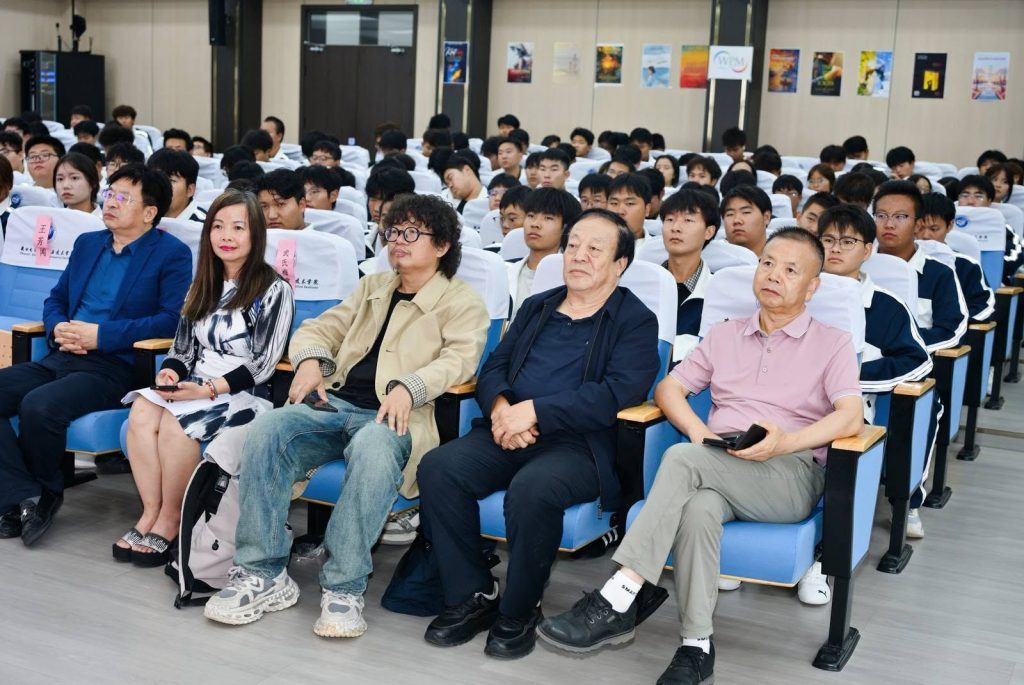
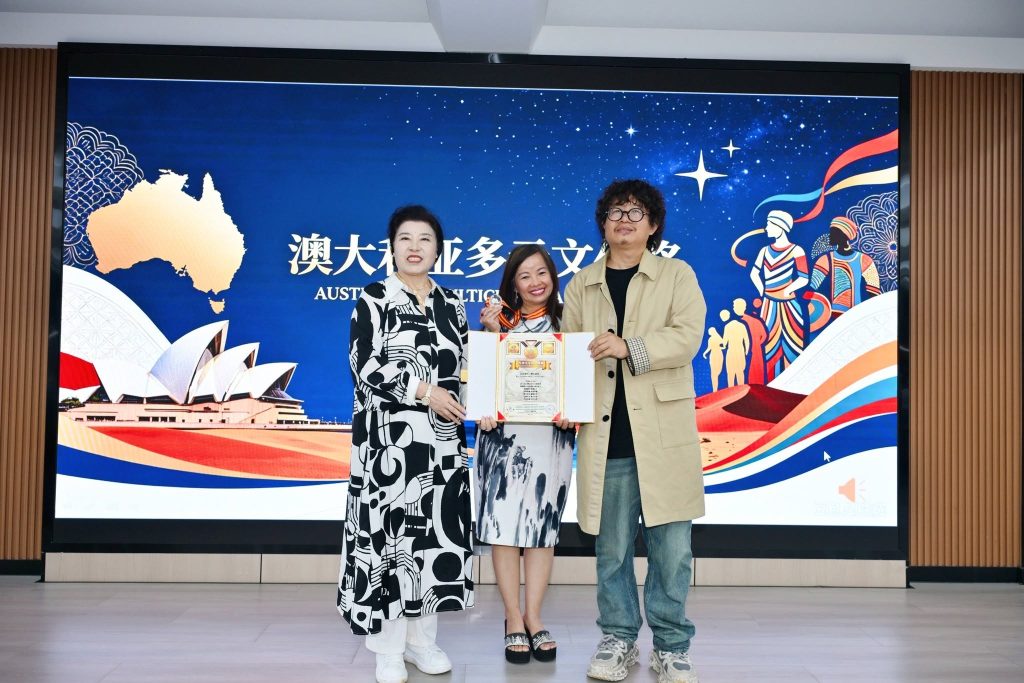
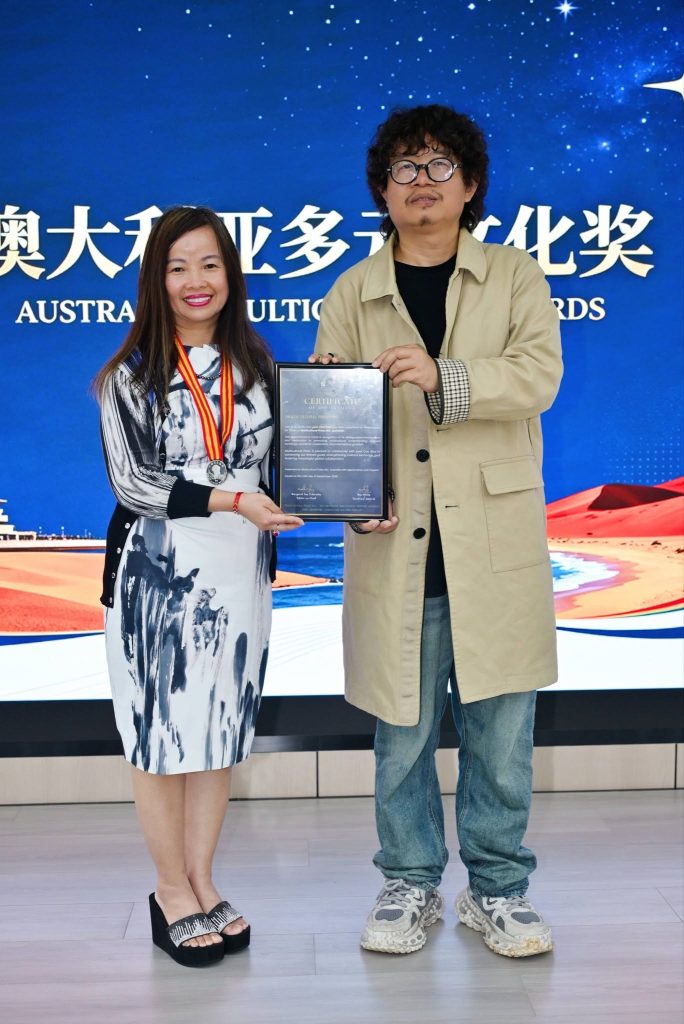
The ceremony also featured a series of prestigious literary honors recognizing outstanding contributions to contemporary poetry and cross-cultural dialogue. Awards presented included the Australian Multicultural Literature Prize, the Silk Road International Poetry Laureate Prize, the Medal of the Grand Poetics Movement, the Intergalactic Poets Organization Poetry Award, and an Honorary Doctorate of Literature from Egypt.
The program further celebrated the publication and international circulation of new literary works. Book launch ceremonies were held for the English edition of Cao Shui’s Epic of Eurasia and Wang Fangwen’s Sails on the Silk Road, bringing together poetry, translation and the cultural memory of the historic Silk Road.
Adding an academic dimension to the event, Vo Thi Nhu Mai, Cao Shui and Wang Fangwen each delivered lectures, sharing their literary experiences, creative visions and perspectives on poetry and cultural exchange with students and members of the academic community.
The gathering demonstrated the growing role of universities as spaces for international literary dialogue, where education intersects with poetry, translation and cultural diplomacy. Through the presence of writers from different countries and the presentation of international literary awards, the event underscored the continuing power of literature to connect cultures and generations.
The occasion at Shaanxi College thus became more than an academic ceremony: it was a celebration of poetry as a bridge between peoples, and of the Silk Road as a continuing source of creativity, friendship and intellectual exchange in the contemporary world.