 thesilkroadtoday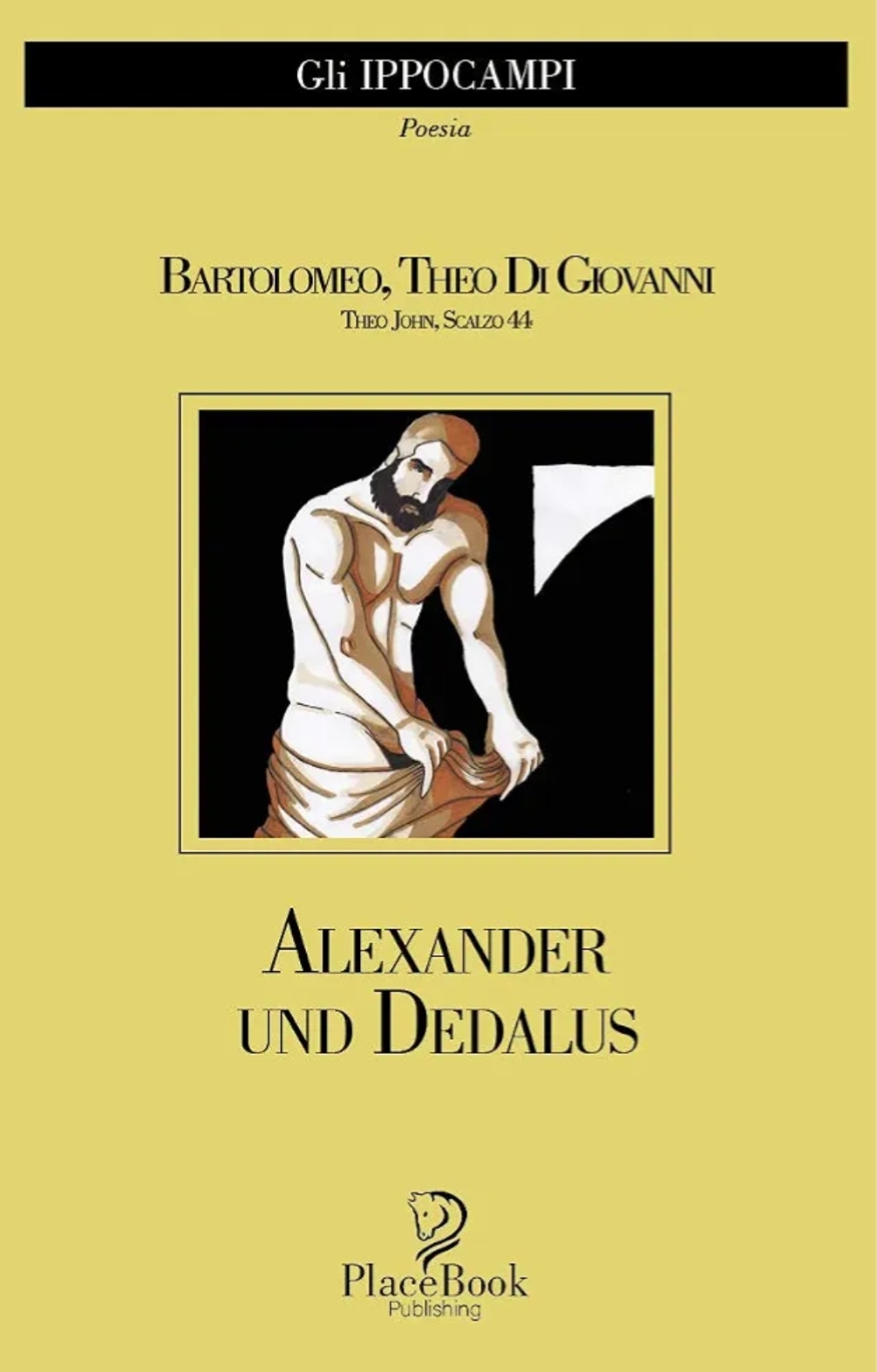
Showcase of Emotions
This blog was born from an encounter between Authors and Artists—a space where music, writing, and above all poetry are given a showcase capable of giving voice to the emotions you know how to transform into art. It is an invitation to share, and to let your words and your notes reach those who know how to listen.
For suggestions or collaborations: Vetrina delle Emozioni
Monday, 31 August 2026
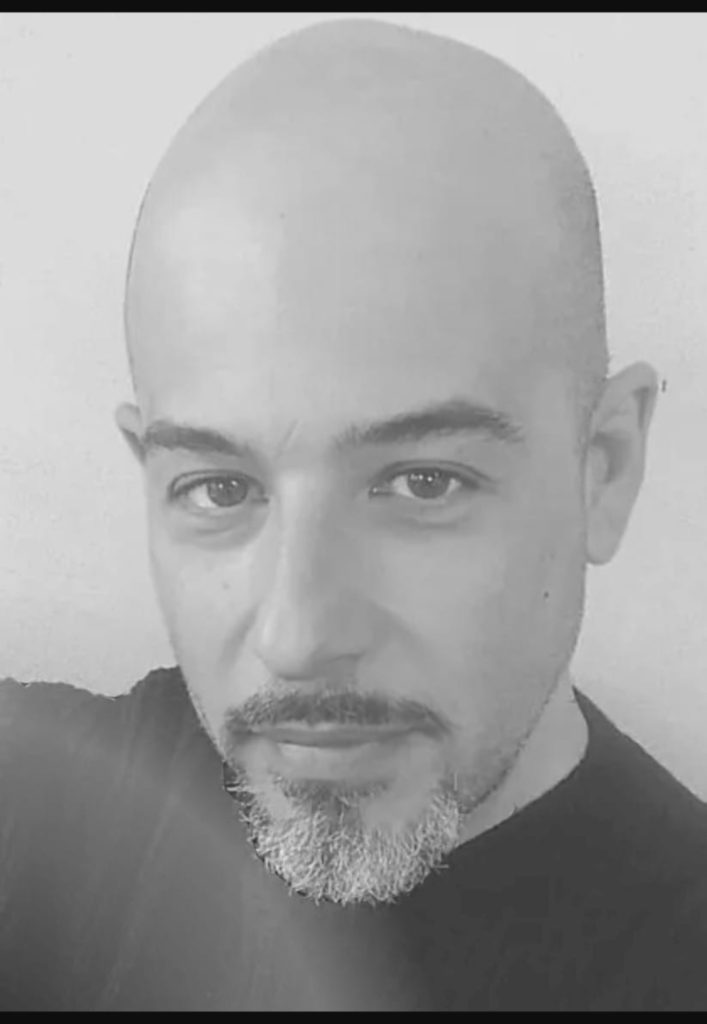
An Interview with Bartolomeo Theo Di Giovanni
Interview conducted by Gioia Lomasti
L’OPINIONE.COM
Interview by Gioia Lomasti, in collaboration with Vetrina delle Emozioni, for the cultural project “100 Author Books”
I would like to extend my heartfelt thanks to Bartolomeo Theo Di Giovanni for accepting the invitation from Vetrina delle Emozioni. His poetic voice, nourished by an intense inner quest and a cultural journey of rare depth, represents a valuable contribution to all those who believe in the transformative power of literature. His willingness to enter into this dialogue confirms the authentic vocation of an author who experiences writing as testimony, as listening, and as a gift.
Theo Bartolomeo Di Giovanni was born in Palermo in June 1975. From his university years onward, culminating in a degree in Philosophy from the University of Palermo, he directed his intellectual quest towards the most intimate realms of human experience, weaving together thought, language, and vision. His first poems were published in 1994 and 1995, marking the beginning of a poetic journey that would gradually develop into a distinctive voice of intensity and discipline.
In 2015, he adopted the artistic name Theo, a symbolic gesture of inner rebirth that reshaped his creative identity. His work moves between poetry, philosophy, and spiritual reflection, with a constant attentiveness to the themes of metamorphosis and memory.
A passionate scholar of Alda Merini, in 2013 he founded the cultural movement Una Piuma per Alda (“A Feather for Alda”), dedicated to safeguarding and promoting the poet’s legacy. Through this commitment, and through numerous initiatives devoted to bringing poetry to a wider public, he has earned a recognised place within the contemporary cultural landscape.
In 2005, he published the poetry collection Diario dell’anima (Diary of the Soul), a work that marked a fundamental stage in his literary journey. In 2025, he announced Taomà nel segno dei Gemelli, a collection intertwining prose and poetry and continuing his exploration of the territories of the inner self.
Over the years, his writing has received mentions and distinctions from international cultural institutions, which have recognised its expressive quality and thematic depth. His works have been presented in various settings beyond Italy, contributing to the dissemination of his writing in several languages.
Today he lives in Campania, where he works as a teacher while continuing his dedication to writing, philosophical inquiry, and cultural promotion.
In your journey as an author, what inner image marked the beginning of your poetic vocation?
So many, so many images. The most beautiful is that of a free man, never still, always on the move, exploring new realities.
I have also imagined myself in old age, living in a mountain cabin, immersed in nature—an old man who speaks, or will speak, to the moon.
The name Theo was born as an act of transformation. What profound meaning does it hold for you today?
Theo was the stern teacher of Bartolomeo. He spared him no merciless reprimands. But later, Theo came to love Bartolomeo’s painful journey, and so he became the guardian of Bartolomeo’s “fragilities” and potential.
Your writing moves through philosophy, spirituality, and memory. Which authors have had the greatest influence on your formation?
Certainly Hölderlin, Schiller, and Nietzsche. In a certain sense, Leopardi as well, although he is more Enlightenment-oriented than the others.
And then Alda Merini, whose philosophical and theological message, I believe, has been understood by very few.
In your work, words seem to become a bridge between what can be spoken and what remains unsayable. How does this balance come about?
It comes from the difficulty of finding the right words to explain powerful emotions. So one returns to the same words, placing them in different contexts.
The three dots of an ellipsis, the exclamation mark, and the question mark remain that final gram—the tiny weight—that brings the scales back into balance.
You have devoted years to safeguarding Alda Merini’s legacy. Which part of her inheritance feels most alive in the way you understand poetry?
Never compromise. It is risky, but a poet must not indulge in respectability as a kind of cosmetic mask designed to preserve appearances.
And yet, what is appearance?
I have no need for hiding places. The door through which I enter the world is poetry.
Of course, compared with earlier years, I have calmed down. I was far too rebellious. Now I can be diplomatic, for the sake of peace.
But I speak through written words.
Looking towards your forthcoming projects, which creative direction would you most like to explore with greater intensity?
Poetic narratives, visual poetry, and monologues.
Then I don’t know what else may come. But as a teacher, I will continue to insist on bringing poetry into schools.