
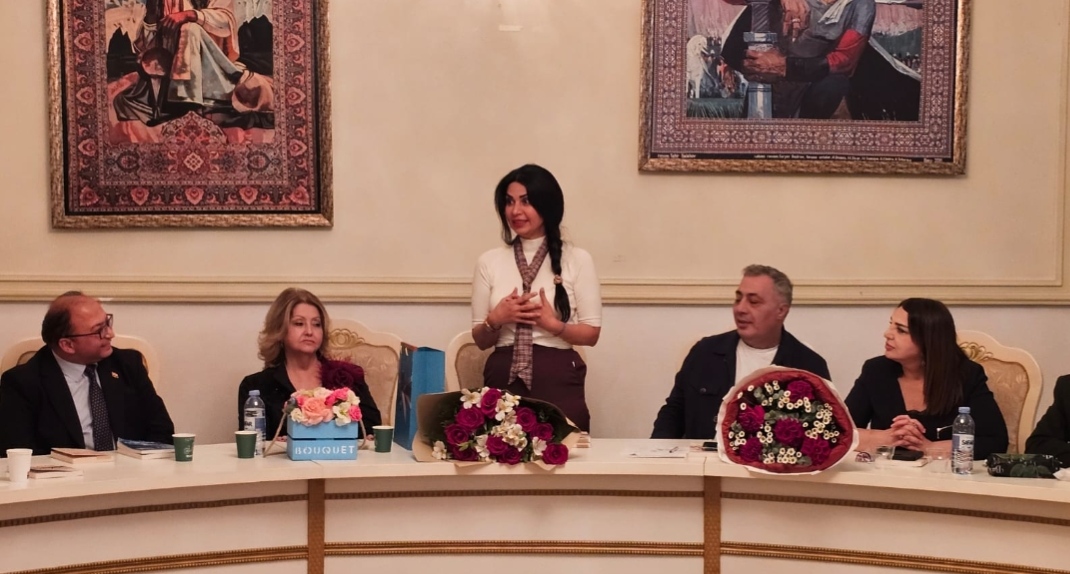
باكو: حفل تقديم الطبعة الأذربيجانية من رواية «شماوس» للكاتب أشرف أبو اليزيد 

21 أكتوبر 2026

المصدر: Yeni Kitab – أخبار الأدب، Kultur.az، 20 أكتوبر 2026.

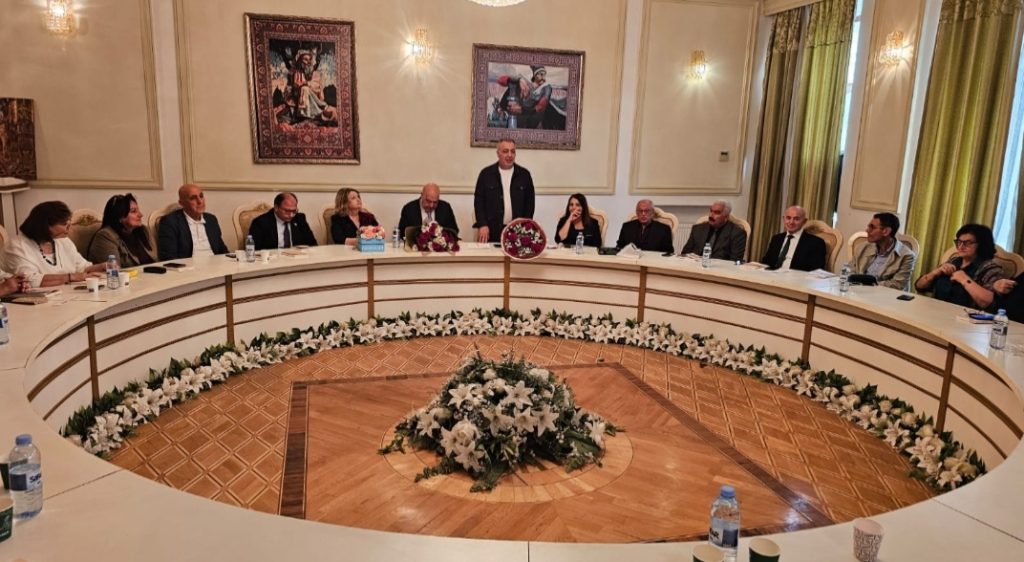
أُقيم حفل تقديم الطبعة الصادرة باللغة الأذربيجانية من رواية «شماوس» للكاتب المصري أشرف دالي، الشاعر والمترجم والصحفي، الرئيس السابق لرابطة الصحفيين الآسيويين والأمين العام لمؤتمر الصحفيين الأفارقة، وذلك في قاعة ناتافان بمقر اتحاد كتّاب أذربيجان.
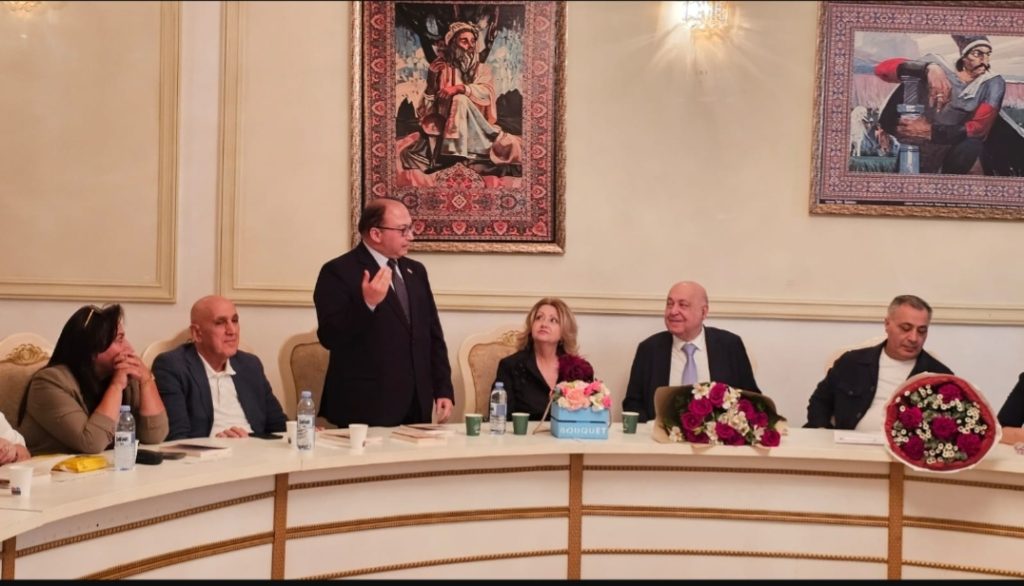
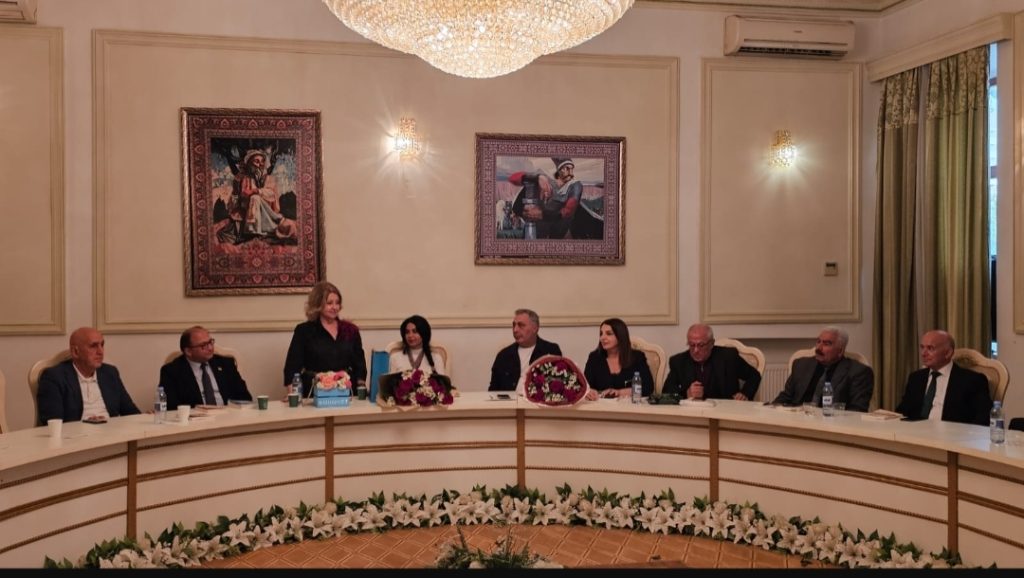
نظم الحفل مركز الترجمة الأدبية والعلاقات الأدبية التابع للاتحاد، بمشاركة نخبة من الأدباء والمثقفين والأكاديميين والشعراء وممثلي وسائل الإعلام.

أدار اللقاء أسد جهانغير، الناقد الأدبي ورئيس مركز الترجمة الأدبية والعلاقات الأدبية. وبعد تقديم موجز عن المناسبة، دعا تشينغيز عبد الله ييف، السكرتير الأول لاتحاد كتّاب أذربيجان والكاتب الوطني المرموق، إلى إلقاء كلمة الافتتاح، حيث رحّب بالحضور وأكد أهمية هذه المناسبة الثقافية.

ثم قدّم جهانغير رواية «شماوس» للكاتب أشرف دالي، ودعا عادلة نظر، محررة الكتاب وصاحبة مقدمته، والحاصلة على الدكتوراه في فقه اللغة، للحديث عن الرواية وتقديم قراءة أكثر تفصيلًا لعالمها الأدبي.

وفي كلمتها، تناولت د. عادلة نظر مضمون الرواية وخصائصها الفنية والأدبية، مسلطة الضوء على القضايا الاجتماعية والأخلاقية التي تطرحها.

وشهد الحفل حضور الأستاذ طارق محمد أبو الفتوح، مدير المركز المصري للعلاقات الثقافية والتعليمية في باكو، الذي أكد في كلمته أهمية العلاقات الأدبية والثقافية بين مصر وأذربيجان، ودورها في تعزيز التواصل والتفاهم بين الشعبين.

وتقديرًا لجهودهما في ترجمة الرواية إلى الأذربيجانية وإصدارها، قدّم الأستاذ أبو الفتوح شهادات تقدير صادرة عن المركز إلى ترانة محمد، مترجمة الرواية، وعادلة نظر محررة الكتاب.

كما تحدث المترجم نعمان قاسم أوغلو أمام الحضور. ونظرًا إلى تعذّر مشاركة الكاتب أشرف دالي في الحفل، قرأ قاسم أوغلو مختارات من قصائده، مقدّمًا إياها باللغتين العربية والأذربيجانية في ترجماته الخاصة.

وضمت قائمة الحضور عددًا من الشخصيات الأدبية والثقافية البارزة، من بينهم الدكتورة لطفية أصغر زاده، أستاذة فقه اللغة؛ والكتّاب العباس باغيروف، وميخوش عبد الله، ولطيفة أروج، وقاني جمال زاده؛ والشاعران رفائيل طاغي زاده ويوسف نغمكار؛ والصحفية البارزة زمفيرا محرملي؛ والصحفية ليلى خانم، المنحدرة من كركوك، إلى جانب عدد آخر من المثقفين.
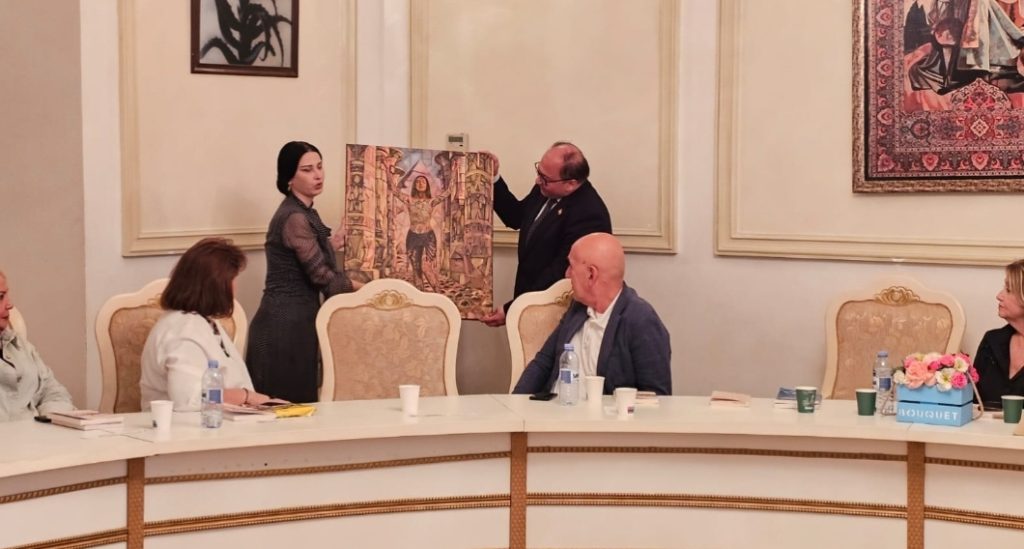
ومن اللحظات المميزة في الحفل، إهداء الفنانة والشاعرة أيغون أكيناي إحدى لوحاتها إلى الأستاذ طارق محمد أبو الفتوح.

وفي ختام المناسبة، تحدثت ترانة محمد، التي نقلت رواية «شماوس» من العربية إلى الأذربيجانية، عن تجربتها في ترجمة الرواية، ومراحل إعدادها للنشر، وانطباعاتها عن العمل الأدبي. كما أعربت عن امتنانها للمنظمين والمشاركين الذين أسهموا في إنجاح هذا المشروع.
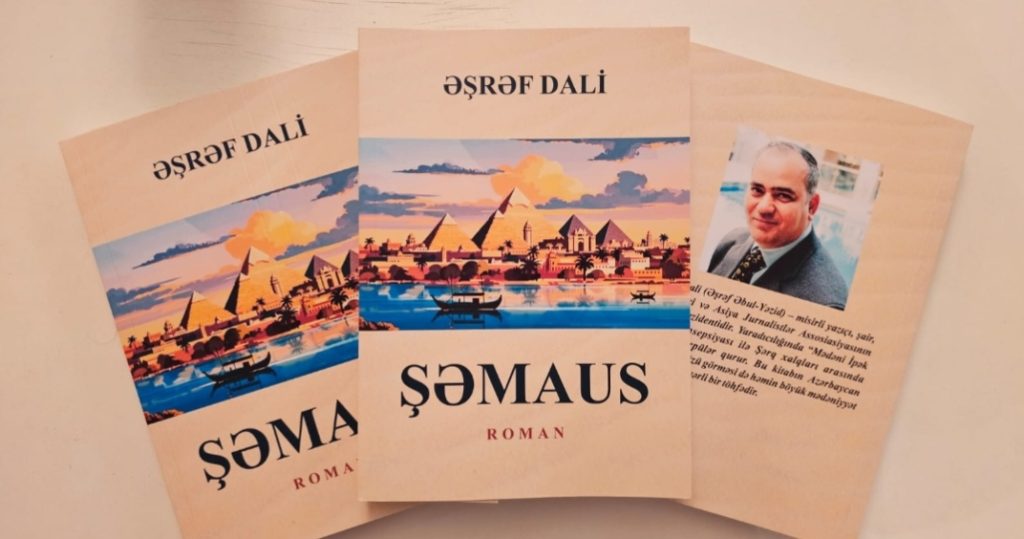
جدير بالذكر أن الطبعة الأذربيجانية من رواية «شماوس» صدرت ضمن مشروع أطلقه مركز الترجمة الأدبية والعلاقات الأدبية التابع لاتحاد كتّاب أذربيجان، بمبادرة من أسد جهانغير، رئيس المركز.
المصدر الأصلي: موقع Kultur.az، بعنوان: «أُقيم حفل تقديم الطبعة الأذربيجانية من رواية شماوس لأشرف دالي»، 20 أكتوبر 2026.

المصدر المنشور باللغة الإنجليزية:

Related Posts

Andrew Parsons Becomes an Honoured Guest at Governor Hideaki Ohmura’s Distinguished Gathering in Japan

NAGOYA, JAPAN — 17 OCTOBER 2026 — A distinguished reception hosted by Hideaki Ohmura, Governor of Aichi Prefecture and President of the Aichi-Nagoya Asian Games Organising Committee (AINAGOC), brought together…

Pokhrelian Stanzas: A Paradigm Shift in the Poetry World 

  By Santosh Kumar Pokharel   pokharel.santosh@gmail.com How the Knot Was Tied  As an instant poet, I had long dreamed of introducing a poetry structure that could express a poet’s say clearly in a compact stanza with brevity. I wanted to bring something morphosemantically new into the craft. While creating a new poem, I found that a short stanza of three lines could carry a full message—and I was certain this three-liner should not imitate the haiku in any way. I began with a syllabic pattern of 1-2-1, rhyming the last line with the first. The structure looked good. This style was first named #pokhreliknots. I then extended the poem to 1-2-3-2-1 in the same manner, and kept going until I reached a twenty-five-line stanza, nominating the longer forms Vingtet and Vint-e-Cinque. The rule everywhere remained unchanged—the first and last lines mirrored each other in rhyme. This was the first triangular structure to begin from a monosyllabic line and stretch to twenty, then twenty-five lines. During composition, I discovered that repeating the central line produced a peculiar resonance across the whole stanza. I adopted this as the Morphosemantic Trapezium, with patterns such as 1-2-3-3-2-1, 1-2-3-4-4-3-2-1, and 1-2-3-4-5-5-4-3-2-1. The fundamental rule of mirroring first and last lines was now firmly in place. Then came an opportunity to present a workshop for the master’s degree students of Tribhuvan University. There I felt the need for stanzas flexible enough to carry a poet’s entire say while keeping the rhyming rule unaltered. I began forming shorter stanzas for poems and lyrics—starting from polysyllabic counts and ending each stanza on the same rhyme as its opener. It was at this stage, when the polysyllabic opener came into use, that the form became known as Pokhrelian Stanzas. These shorter stanzas looked even more aesthetic and meaningful, which led me to name the complete form Pokhrelian Stanzas: Morphosemantic Triangulum and Morphosemantic Trapezium. I was overwhelmed with joy when beautiful lyrics and poems with grave meanings could emerge from this structure. Today, poets across continents are practicing this style. The Architecture of the Knot  What began as a three-line experiment grew into a complete architecture. The Pokhrelian Stanza rests on a single, unalterable principle: the first and last lines of every stanza mirror each other in rhyme. Upon this foundation, the form unfolds in two complementary movements. The first is the Morphosemantic Triangulum—the triangular stanza that begins with a monosyllabic line, expands syllabically to an apex, and contracts back to a monosyllabic line rhyming with the opening one. From the briefest Trimetric Knot or Trentet (1-2-1) to the Pentametric Knot or Pentet (1-2-3-2-1), the Heptametric Knot or Heptet (1-2-3-4-3-2-1), and onward to the extended Vingtet and Vint-e-Cinque, each stanza forms a visual and rhythmic triangle whose central line marks the summit of the thought. The expansion and contraction of syllables is not decorative; it is morphosemantic—the shape of the stanza carries the shape of the meaning. The second is the Morphosemantic Trapezium, born from the discovery that repeating the central line produces a peculiar resonance, an echo that deepens the stanza’s emotional and semantic field. Here the pattern becomes Quadret (1-2-2-3), Hexametric Knot or Hexet (1-2-3-3-2-1), Octet (1-2-3-4-4-3-2-1), and so on. The mirrored rhyme of first and last lines remains inviolate, but the doubled centre gives the poem a lingering, reflective quality—the knot tightened twice. As the form travelled from the page to the workshop, a further need arose: stanzas flexible enough to carry a poet’s entire say while preserving the rhyming rule. Thus emerged the polysyllabic stanzas—shorter and more numerous, beginning not with a monosyllable but with a longer line, and closing each stanza on the same rhyme as its opener. Patterns such as 3-4-5-5-4-3 and 5-6-7-8-8-7-6-5 allowed lyrics and longer poems to breathe without surrendering the form’s discipline. These shorter stanzas proved, if anything, even more aesthetic and meaningful—compact yet complete, rhymed yet free. Together, the Triangulum and the Trapezium, the monosyllabic and the polysyllabic, constitute the Pokhrelian Stanzas. Unlike haiku, which seeks brevity without rhyme, the Pokhreli Knot is confined and rhymed—a deliberate advance over modern blank verse and the loosely worded short poem. It offers the poet a structure at once strict and spacious, capable of wit, grief, love, and meditation within the same mirrored frame. Starting from the three-liner and extending to twenty-five-line stanzas, the Pokhrelian Stanzas render an unparalleled contribution to the morphology of poetry building. The Pokhrelian Sonnets and Beyond  At the furthest reach of the Trapezium so far lies the Pokhrelian Sonnet, a fourteen-line stanza following the pattern 1-2-3-4-5-6-7-7-6-5-4-3-2-1. This is the morphosemantic trapezium in its most extended form: the syllables climb from one to seven across seven lines, pause at the doubled seventh line—the apex where the resonance deepens—and then descend symmetrically to a monosyllabic close that rhymes with the opening word. The ascent gathers; the doubled centre holds; the descent releases. Meaning is carried as much by the architecture as by any single line. Sonnet Knot (1-2-3-4-5-6-7-7-6-5-4-3-2-1) Morphosemantic Trapezium March 30, 2024. Nepal. Naive Love’s boon From yonder Shall happen soon As liable, who should Give them the silver spoon My eyes are there for her Issues shall not me deter If love’s perfect and pure…

اترك تعليقاً

لن يتم نشر عنوان بريدك الإلكتروني. الحقول الإلزامية مشار إليها بـ *